
Denver, Colorado, often dubbed the “Mile High City” due to its elevation of 5,280 feet above sea level, boasts a unique and dynamic climate shaped by its proximity to the Rocky Mountains and its position on the high plains. Understanding Denver’s weather patterns is crucial for any traveler planning a visit, as it significantly influences the types of activities available and the appropriate gear to pack. From crisp, sunny winters to warm, thunderstorm-prone summers, Denver offers a distinct four-season experience.
Understanding Denver’s Unique Climate
Denver’s weather is characterized by abundant sunshine, with over 300 sunny days per year. This high level of sunshine is a significant draw for visitors, even during colder months. However, the city also experiences considerable temperature fluctuations, both daily and seasonally. Altitude plays a substantial role; the thinner air at this elevation means the sun’s rays are more intense, and temperatures can drop rapidly after sunset. Furthermore, Denver sits in a transitional zone between the arid climate of the West and the more humid conditions of the Midwest, leading to unpredictable weather shifts.
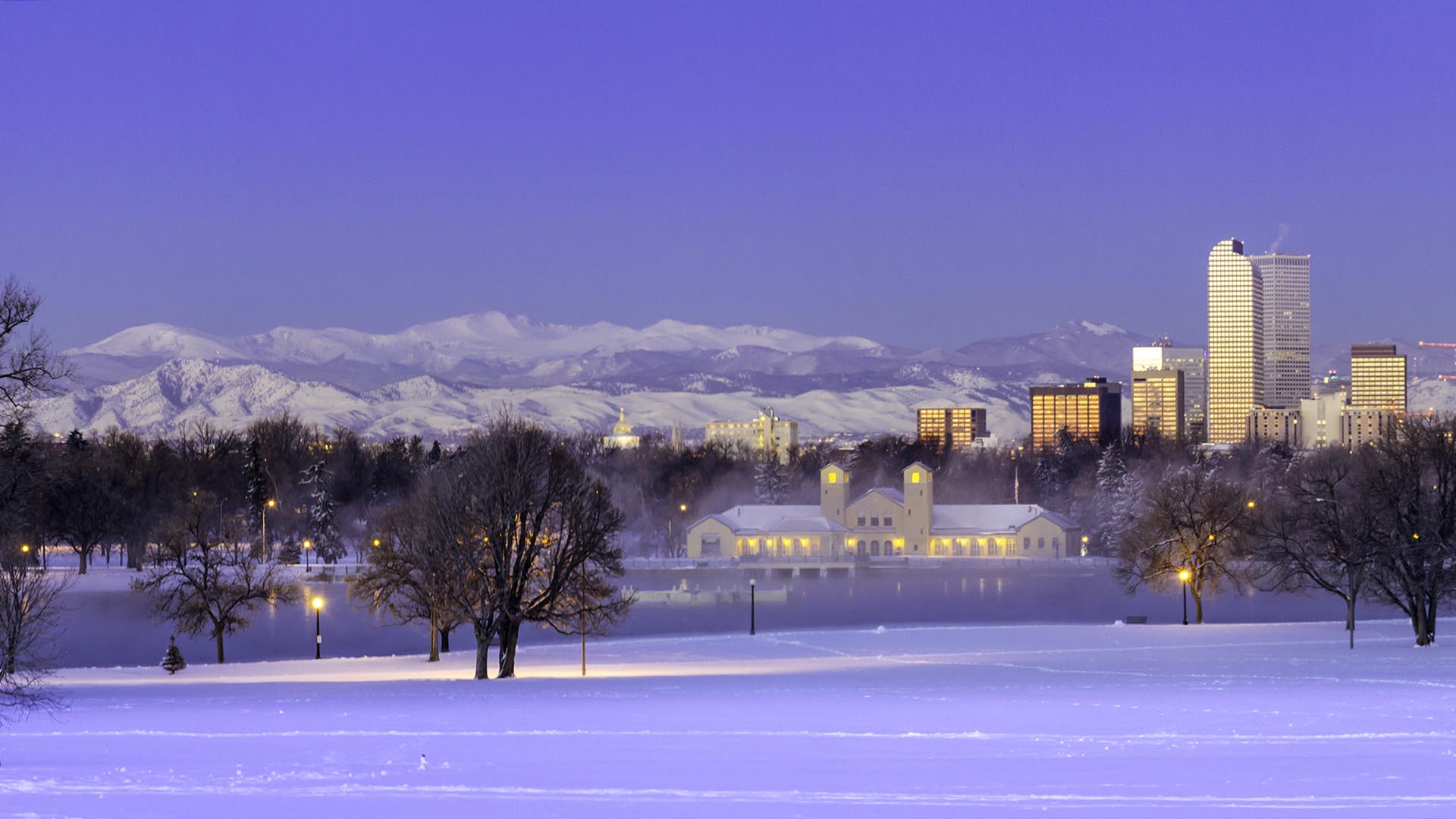
Sunshine and Altitude
The “Mile High City” lives up to its name in terms of sunshine. The high elevation significantly reduces the atmospheric filtering of sunlight, making even winter days feel bright and warm when the sun is out. This intense solar radiation also means that visitors need to be mindful of sun protection year-round, even on cooler days. The thin air also affects how heat is retained; without the thicker atmosphere to trap warmth, nights in Denver can be considerably colder than the daytime highs, a phenomenon that travelers should anticipate.
Daily and Seasonal Temperature Variations
Denver experiences significant temperature swings. It’s not uncommon for the mercury to rise or fall by 20-30 degrees Fahrenheit within a single day. This is particularly true during spring and fall. Seasonally, Denver offers distinct experiences. Summers are generally warm to hot, while winters are cold, with snow being a common occurrence. However, even amidst winter snowfall, sunny spells can offer a reprieve, making outdoor activities possible.
Seasonal Weather Breakdown
Denver’s climate offers a diverse range of experiences throughout the year, each with its own set of charms and challenges. Understanding these seasonal variations will help you plan the perfect trip to the Rocky Mountains gateway.
Spring (March – May)
Spring in Denver is a period of dramatic transition. It can bring a mix of wintery blasts and early summer warmth. Snowfall is still possible well into April, and “spring snowstorms” are a well-known phenomenon. However, as the season progresses, temperatures begin to climb, and the city starts to bloom. Pack layers, as you might encounter anything from a chilly, snowy morning to a pleasantly warm afternoon. Thunderstorms, often accompanied by hail, can also become more frequent as the weather systems become more active.
Summer (June – August)
Summers in Denver are typically warm and dry, with average daytime temperatures in the high 70s and 80s Fahrenheit. However, heatwaves can push temperatures into the 90s and even 100s. The high elevation means the sun is intense, so hydration and sun protection are paramount. While generally dry, Denver is prone to afternoon thunderstorms during the summer months. These storms can be sudden and severe, bringing heavy rain, lightning, and sometimes hail. Despite the possibility of storms, summer is an ideal time for outdoor adventures, exploring the many parks and trails around the city.
Autumn (September – November)
Autumn in Denver is often considered one of the most beautiful seasons. The skies are typically clear and crisp, and the changing leaves in the surrounding foothills provide stunning scenery. Temperatures are generally mild in September and October, making it perfect for exploring. However, like spring, autumn can be unpredictable. Early snow can occur as early as October, and temperatures will steadily drop as November progresses, signaling the approach of winter. Layers are essential for this transitional season.
Winter (December – February)
Winter in Denver is cold, with average daytime temperatures hovering in the 30s and 40s Fahrenheit. Snowfall is common, transforming the city and surrounding mountains into winter wonderlands. While snow is frequent, Denver rarely experiences the extreme cold or prolonged heavy snowfalls of some other mountain towns. The city often sees “Chinook winds” – warm, dry winds that can cause sudden temperature spikes, melting accumulated snow. Despite the cold, sunny days are plentiful, offering opportunities for winter sports and exploring the festive atmosphere of the city.
Packing for Denver’s Climate
Given Denver’s dynamic weather, versatile packing is key to enjoying your visit. The principle of “layering” is your best friend here, allowing you to adjust your attire to changing temperatures and conditions.

Essential Gear for All Seasons
Regardless of when you visit, a few items are essential for a comfortable trip to Denver.
- Sun Protection: High SPF sunscreen, sunglasses, and a hat are crucial year-round due to the intense sun at high altitude.
- Comfortable Footwear: You’ll likely be doing a lot of walking, whether exploring the city or hiking nearby trails.
- Reusable Water Bottle: Staying hydrated is vital at this elevation, especially as the dry air can be dehydrating.
- Lip Balm with SPF: The dry air and sun can quickly chap lips.
Seasonal Packing Recommendations
Spring:
- Outerwear: A waterproof and windproof jacket is a must. Consider a medium-weight jacket that can be layered.
- Mid-layers: Fleece sweaters or warm hoodies are excellent for adding warmth.
- Bottoms: Jeans or sturdy trousers. Waterproof pants might be useful if you plan on hiking and anticipate snow or rain.
- Footwear: Waterproof boots are advisable, especially in early spring.
Summer:
- Lightweight Clothing: T-shirts, shorts, and light dresses.
- Sun Hat: A wide-brimmed hat offers maximum sun protection.
- Rain Gear: A light, packable rain jacket is recommended for those afternoon thunderstorms.
- Swimsuit: If your accommodation has a pool or you plan on visiting any water attractions.
Autumn:
- Layering is Critical: Think thermal base layers, long-sleeved shirts, sweaters, and a versatile jacket that can handle wind and cooler temperatures.
- Scarf and Gloves: Useful for chilly mornings and evenings.
- Closed-toe Shoes: Comfortable for walking.
Winter:
- Warm Outerwear: A heavy, insulated, waterproof, and windproof coat is essential.
- Warm Layers: Thermal underwear, fleece, and wool sweaters.
- Winter Boots: Insulated and waterproof boots with good traction for snow and ice.
- Hat, Scarf, and Gloves: Essential for keeping extremities warm. Consider waterproof gloves for snowy activities.
Activities and Weather Considerations
Denver’s weather significantly impacts the range of activities available. However, the city offers plenty of options for every climate.
Outdoor Adventures
The allure of Denver often lies in its proximity to the Rocky Mountains.
- Hiking and Biking: Popular in spring, summer, and fall. Be aware of rapidly changing weather conditions in the mountains, especially during spring and fall. Summer can bring afternoon thunderstorms.
- Skiing and Snowboarding: The winter months are prime time for hitting the slopes at world-renowned resorts like Winter Park Resort and Breckenridge Ski Resort.
- Water Sports: In warmer months, rivers near Denver offer opportunities for rafting and kayaking.
Indoor Attractions
When the weather isn’t cooperating, or you simply prefer to stay indoors, Denver has a wealth of attractions.
- Museums: The Denver Art Museum, Denver Museum of Nature & Science, and the Children’s Museum of Denver offer hours of exploration.
- Performing Arts: Catch a show at the Denver Center for the Performing Arts.
- Breweries and Restaurants: Denver has a vibrant craft beer scene and a diverse culinary landscape, perfect for enjoying a meal or a drink.
- Shopping: Explore the unique boutiques and shops in areas like Larimer Square or Cherry Creek.
Tips for Navigating Denver’s Climate
Experiencing Denver’s weather to its fullest requires a little foresight and adaptability.
Acclimatization to Altitude
Upon arrival, it’s advisable to take it easy for the first day or two.
- Stay Hydrated: Drink plenty of water. Avoid excessive alcohol and caffeine, which can exacerbate altitude sickness.
- Listen to Your Body: Symptoms of altitude sickness can include headaches, nausea, and fatigue. If you experience severe symptoms, seek medical attention.
- Pace Yourself: Don’t overexert yourself, especially on your first day.

Staying Informed
Weather in Denver can change rapidly. It’s wise to stay updated.
- Weather Apps and Websites: Utilize reliable weather forecasting services before heading out.
- Local News: Tune into local news channels for the latest weather updates and advisories.
- Mountain Forecasts: If venturing into the mountains, check specialized mountain weather forecasts, as conditions can differ significantly from the city.
By understanding and preparing for Denver’s distinctive climate, visitors can fully embrace the opportunities that each season offers in this vibrant Colorado city. Whether you’re drawn by the sunshine, the snow, or the stunning mountain vistas, Denver’s weather is an integral part of its captivating character.
LifeOutOfTheBox is a participant in the Amazon Services LLC Associates Program, an affiliate advertising program designed to provide a means for sites to earn advertising fees by advertising and linking to Amazon.com. Amazon, the Amazon logo, AmazonSupply, and the AmazonSupply logo are trademarks of Amazon.com, Inc. or its affiliates. As an Amazon Associate we earn affiliate commissions from qualifying purchases.