
The question of whether California reigns supreme as the largest state in the United States is a common one, often born from the sheer scale and diverse landscapes that define this iconic Western state. While California certainly feels immense, boasting sprawling cities, vast national parks, and a lengthy coastline, its claim to the “largest” title depends on the metric used. When considering total area, California is a formidable contender, but it doesn’t hold the top spot. Instead, that honor belongs to a state with a starkly different geographical character and a much colder climate.
Unpacking “Largest”: Area vs. Population
To accurately address the title, we must first define what “largest” signifies. In the context of states, two primary metrics are typically considered: land area and population. Both offer distinct perspectives on a state’s magnitude and influence.
Land Area: The True Measure of Geographic Size
When discussing the physical expanse of a state, land area is the definitive measure. This includes not only terrestrial territory but also inland waters such as lakes and rivers. The contiguous United States is home to a diverse range of states, from the smallest in New England to the vast expanses of the West.
The Top Contenders for Land Area
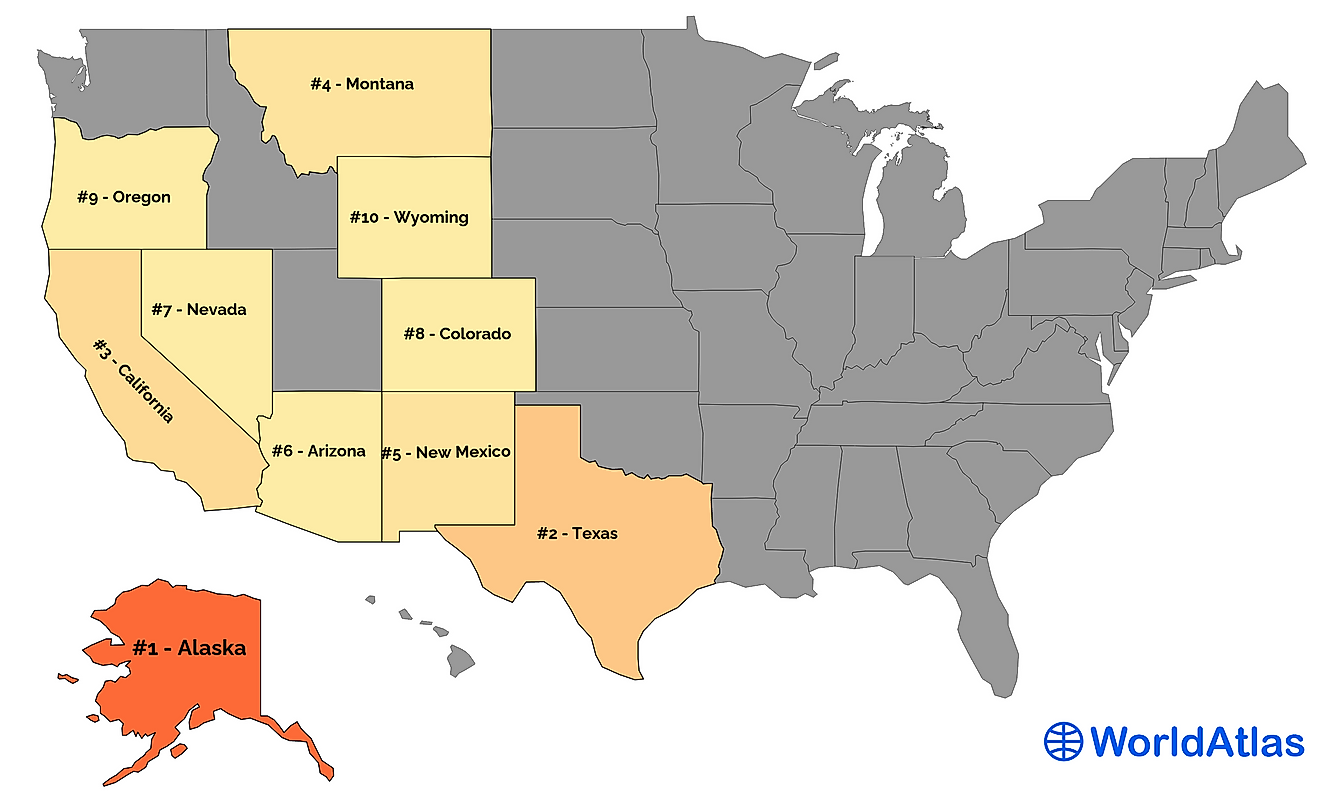
While California is undeniably large, it ranks third in total area among the United States. It is surpassed by two other states, both with significantly different characteristics.
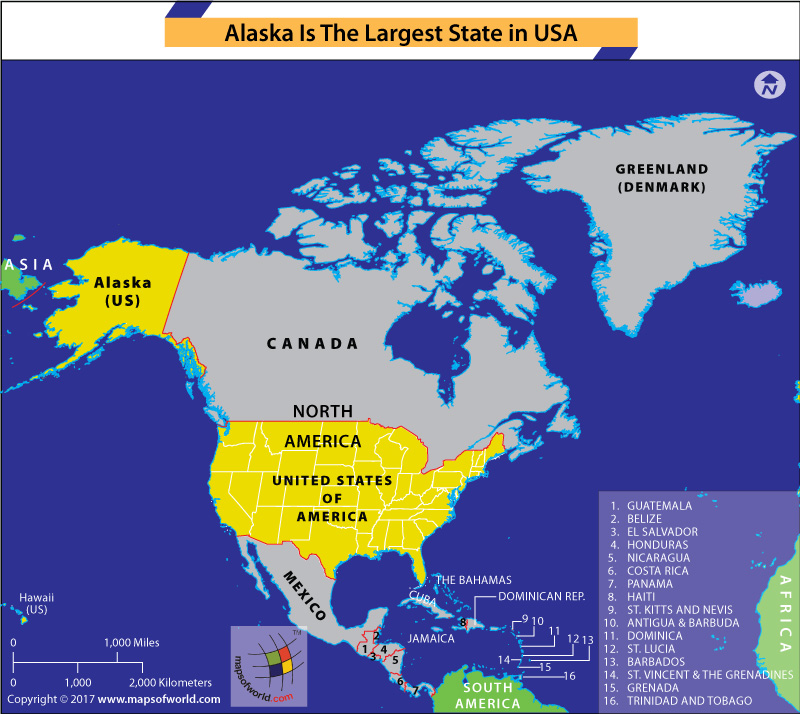
- Alaska: This immense northern territory, often overlooked due to its remoteness, is the undisputed largest state by land area. Spanning over 665,000 square miles, Alaska is more than twice the size of the next largest state and dwarfs California by a considerable margin. Its rugged wilderness, towering mountains like Denali, and extensive coastlines contribute to its unparalleled geographical scale.
- Texas: The Lone Star State, a symbol of American grandeur and independence, comes in second place. With a land area of over 268,000 square miles, Texas is a vast expanse of diverse landscapes, from the piney woods of East Texas to the arid deserts of the West and the Gulf Coast. Its sheer size allows for a wide array of climates, ecosystems, and cultural regions within its borders.
- California: Our focus state, California, secures a respectable third position in land area, covering approximately 163,000 square miles. This includes its extensive Pacific coastline, the fertile Central Valley, the towering Sierra Nevada mountains, and the arid southern deserts. The sheer diversity of its geography contributes to its feeling of immensity.
California’s Geographic Diversity
Despite not being the largest in area, California’s landscape is incredibly varied. From the redwood forests of the north to the deserts of the south, the state offers a remarkable spectrum of natural wonders. This diversity often leads to the perception of it being the largest. Consider the sheer distance from the Oregon border to the Mexican border, or the drive from the coast to the eastern Sierra Nevada. These journeys highlight the significant landmass that California encompasses, even if it’s not the absolute largest.
Population: The Measure of Human Scale
While land area speaks to geographic size, population reflects the human footprint and the density of human activity within a state. In this regard, California not only holds its own but dominates the rankings.
The Most Populous State
California is, by a significant margin, the most populous state in the United States. With over 39 million residents, it is home to roughly 12% of the nation’s total population. This massive populace is concentrated in its major metropolitan areas, including the sprawling urban landscapes of Los Angeles, San Francisco, and San Diego. The sheer number of people, combined with the state’s vibrant economy and cultural influence, contributes to its powerful global presence.
The Significance of Population Density
California’s high population density, particularly in its coastal cities, creates a feeling of constant activity and vibrant life. This density, coupled with its numerous iconic landmarks and popular tourist destinations, can easily lead to the impression that it is the largest state in every respect. The constant buzz of activity, the sheer volume of businesses, and the sheer number of people one encounters in major cities like Los Angeles can be overwhelming and contribute to the feeling of vastness.
Beyond Size: California’s Iconic Status
The perception of California as the “largest” state is often tied to its immense cultural, economic, and political influence, rather than just its geographical footprint. It is a state that punches far above its weight class in terms of global recognition and impact.
Economic Powerhouse
California boasts the largest economy of any state in the United States and is often ranked as the fifth-largest economy in the world if it were a sovereign nation. Its economy is incredibly diverse, with major contributions from technology (Silicon Valley), entertainment (Hollywood), agriculture, tourism, and manufacturing. This economic might translates into a significant national and international presence, reinforcing its image as a colossal entity.
Cultural Influence
The cultural output of California has shaped global trends for decades. From the film industry in Hollywood to the music scene in Los Angeles and the counter-cultural movements that originated in San Francisco, its influence is undeniable. This pervasive cultural reach makes the state feel larger than life, extending its impact far beyond its geographical boundaries.
A Tourist’s Dream
California is consistently one of the top tourist destinations in the United States. Its diverse attractions draw millions of visitors annually. From the theme parks of Southern California like Disneyland and Universal Studios Hollywood to the natural wonders of Yosemite National Park, Death Valley National Park, and the beaches of Malibu, there is an endless array of experiences. The sheer volume of tourism and the popularity of its destinations contribute to its perceived immensity.
Comparing California to Other Large States
To fully grasp California’s place in the landscape of American states, it’s useful to compare it directly with other states that are often considered “large.”
Alaska: The Unchallenged Giant
As previously mentioned, Alaska is the undisputed king of land area. Its sheer remoteness and wild, untamed nature set it apart. While it has a relatively small population, its geographical expanse is almost unfathomable, covering more territory than the next two largest states combined. Visiting Alaska is an experience of true vastness, where human settlements are few and far between, and nature reigns supreme.
Texas: The Second Largest Territory
Texas offers a different kind of vastness. Its size is characterized by sprawling ranches, long highways, and a proud sense of regional identity. From the piney woods to the desert landscapes, Texas is a state of considerable scale and diversity, often rivaling California in its cultural impact and economic significance, though not in population density.
Montana and other Western States
Other Western states like Montana, Arizona, and Nevada also boast significant land areas. These states are characterized by their open spaces, dramatic natural landscapes, and national parks. While they may not reach the population figures of California or the economic output of Texas, their sheer size contributes to their unique appeal for outdoor enthusiasts and those seeking solitude.
Conclusion: A Matter of Perspective
In conclusion, while California is a titan among United States states, the title of “largest” by land area belongs to Alaska. However, California undeniably holds the crown for the most populous state and arguably for sheer cultural and economic influence. Its vibrant cities, diverse natural beauty, and global reach contribute to its powerful presence, making it feel like the largest state in many other significant ways. The perception of size is often a blend of geography, population, and impact, and in these latter categories, California stands as a true giant.
LifeOutOfTheBox is a participant in the Amazon Services LLC Associates Program, an affiliate advertising program designed to provide a means for sites to earn advertising fees by advertising and linking to Amazon.com. Amazon, the Amazon logo, AmazonSupply, and the AmazonSupply logo are trademarks of Amazon.com, Inc. or its affiliates. As an Amazon Associate we earn affiliate commissions from qualifying purchases.