
The dramatic landscapes of Colorado are home to a variety of wildlife, and among its most iconic inhabitants are the bears. As the seasons change, these magnificent creatures undergo a profound biological transformation: hibernation. For visitors planning trips to the Centennial State, understanding when bears enter and emerge from their winter slumber is crucial for both safety and a deeper appreciation of the natural world. This knowledge can enhance experiences, whether one is hiking through the Rocky Mountains in the late fall or enjoying a ski resort in the early spring.
Understanding Bear Hibernation: A Biological Imperative
Hibernation is not merely a deep sleep; it’s a complex physiological state that allows mammals to survive periods of scarcity, typically cold winters with limited food availability. Bears in Colorado engage in a specific type of hibernation known as “carnivore lethargy” or “winter dormancy.” While true hibernators like ground squirrels can drop their body temperature to near freezing and significantly slow their heart rate and metabolism, bears maintain a higher body temperature and can be roused more easily. This is a vital distinction for anyone encountering wildlife in their natural habitat.

The Physiological Changes During Dormancy
During winter dormancy, a bear’s metabolic rate can decrease by as much as 50-75%. Their heart rate slows dramatically, from an active rate of 40-50 beats per minute to as few as 8-12 beats per minute. Respiration also becomes shallow and infrequent. Perhaps most astonishingly, bears do not eat, drink, urinate, or defecate for the entire duration of their dormancy. They derive all necessary sustenance from fat reserves accumulated during the warmer months. For pregnant females, this period is even more critical, as they give birth to tiny, underdeveloped cubs within the den, nursing them on fat-rich milk before the emergence in spring. This remarkable adaptation is a testament to the evolutionary pressures of surviving harsh environments.
The Seasonal Cues for Hibernation
The onset of hibernation for bears in Colorado is primarily triggered by environmental factors, most notably the decreasing length of daylight and the subsequent drop in ambient temperatures. The availability of food sources also plays a significant role; as natural food supplies dwindle in the autumn, bears are prompted to seek out suitable den sites and prepare for their winter fast.
Autumn: The Period of Preparation
As summer gives way to fall, bears become intensely focused on foraging. This is the time when they consume vast amounts of calories, eating berries, nuts, insects, and any other available food to build up the critical fat reserves needed for dormancy. This phase is often referred to as “hyperphagia.” Different bear species and even individuals within a species may exhibit slight variations in their feeding intensity based on immediate environmental conditions and their specific physiological needs. For instance, a particularly lean bear might extend its foraging period longer than a well-nourished one.
Denning Habits: Finding a Safe Haven
The selection of a den site is a critical part of the hibernation preparation. Bears are not particularly picky and will utilize a variety of locations, including natural caves, hollow logs, dense thickets, under rock overhangs, or even dug-out burrows. Some bears will reuse dens year after year, while others will create new ones. The primary requirement is a place that offers shelter from the elements and protection from potential predators or disturbances. Denning sites are often located in remote, undisturbed areas, which is why encountering a bear near human settlements during the active season might be more common than encountering one near its den.
When Exactly Do Colorado Bears Hibernate?
While a general understanding of bear hibernation is important, pinpointing the exact timing for bears in Colorado requires considering regional variations and species differences, though Colorado primarily hosts black bears.
Black Bears: The Primary Hibernators
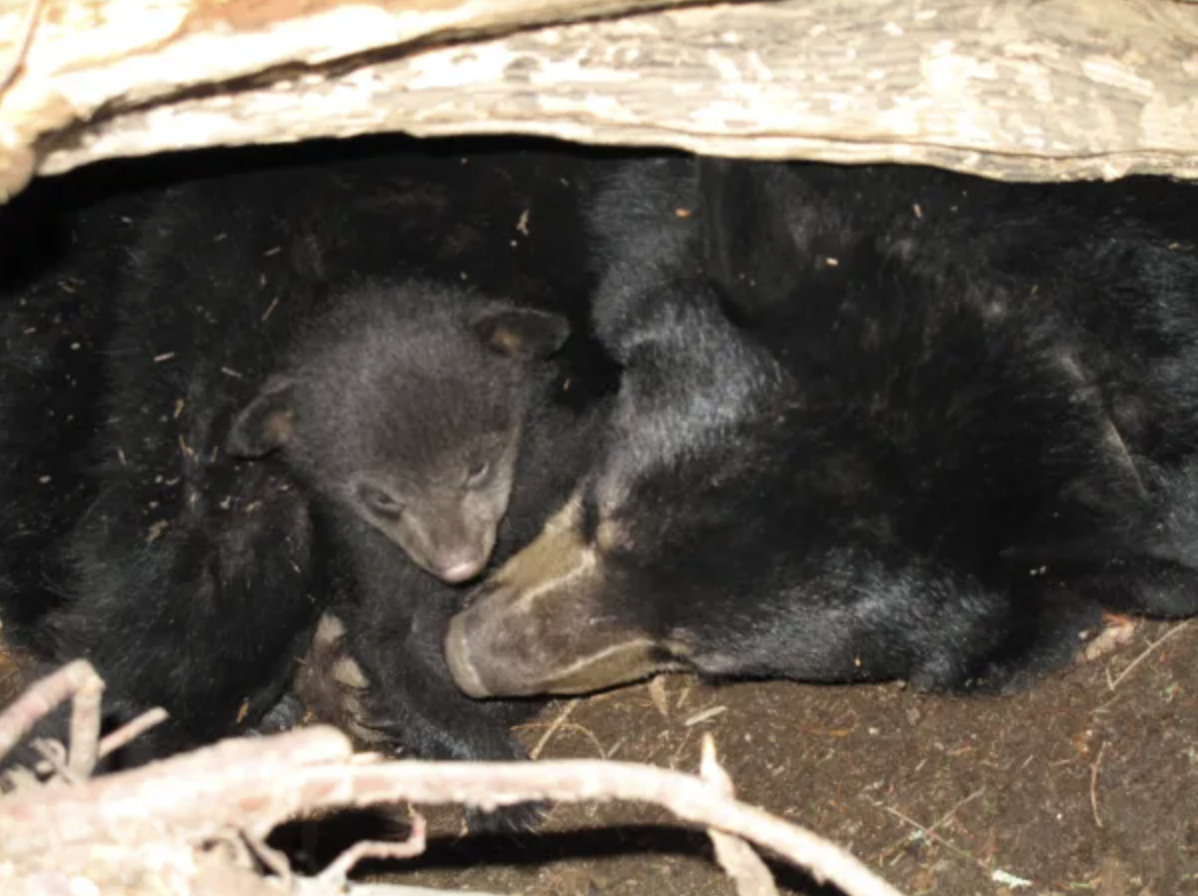
The most common bear species in Colorado is the American black bear (Ursus americanus). Black bears typically begin their winter dormancy in late fall, generally between October and December. The exact timing is influenced by the severity of the autumn weather and the availability of food. In warmer, food-rich years, some bears might delay denning, while in colder, leaner years, they may den earlier.
Factors Influencing Denning Dates
- Latitude and Altitude: Bears at higher elevations and in more northern parts of Colorado tend to den earlier due to harsher and longer winters.
- Food Availability: An abundant berry crop or a late availability of other food sources can postpone denning. Conversely, an early frost or scarcity can accelerate it.
- Sex and Reproductive Status: Pregnant females often den earlier than males or non-pregnant females, as they need a safe and undisturbed environment to give birth and nurse their young. Adult males tend to be the last to den and the first to emerge.
- Age: Younger bears might adjust their denning times based on the behavior of older bears or their own individual food stores.
Emerging from Dormancy: The Arrival of Spring
Bears in Colorado typically begin to emerge from their dens in late winter or early spring, usually between March and May. Similar to denning, the emergence is influenced by the same environmental factors. As snowmelt begins and new vegetation starts to grow, bears emerge hungry and ready to resume their active foraging.
The Emergence Timeline
- Early Emergence: In milder spring conditions, some bears might emerge as early as March. This is particularly true for males or bears that denned in less severe locations.
- Typical Emergence: The majority of bears will emerge in April and early May.
- Late Emergence: In years with prolonged heavy snowpack or late spring, bears might remain in their dens longer, emerging in mid-May or even later.
Implications for Visitors and Wildlife Enthusiasts
Understanding when bears in Colorado hibernate has significant implications for anyone planning to visit or recreate in the state’s vast natural areas. Being aware of these cycles enhances safety and promotes responsible wildlife viewing.
Safety Precautions During Bear Active Seasons
While bears are generally not active during the peak winter months, their active periods in spring, summer, and fall necessitate caution.
- Proper Food Storage: Never leave food or scented items unattended. Use bear-resistant containers or hang food properly when camping. This applies to National Parks and backcountry areas alike.
- Noise Awareness: Make noise while hiking, especially in areas with dense vegetation or near streams, to avoid surprising bears. Talking, singing, or clapping can alert them to your presence.
- Travel in Groups: Hiking in groups can deter bears.
- Recognize Bear Sign: Be aware of signs of bear activity, such as tracks, scat, or overturned rocks.
- Maintain Distance: If you see a bear, do not approach it. Observe from a safe distance. Give them plenty of space and never get between a mother and her cubs.
- Pet Control: Keep pets on a leash at all times. Unleashed pets can provoke or attract bears.
Experiencing Wildlife Responsibly
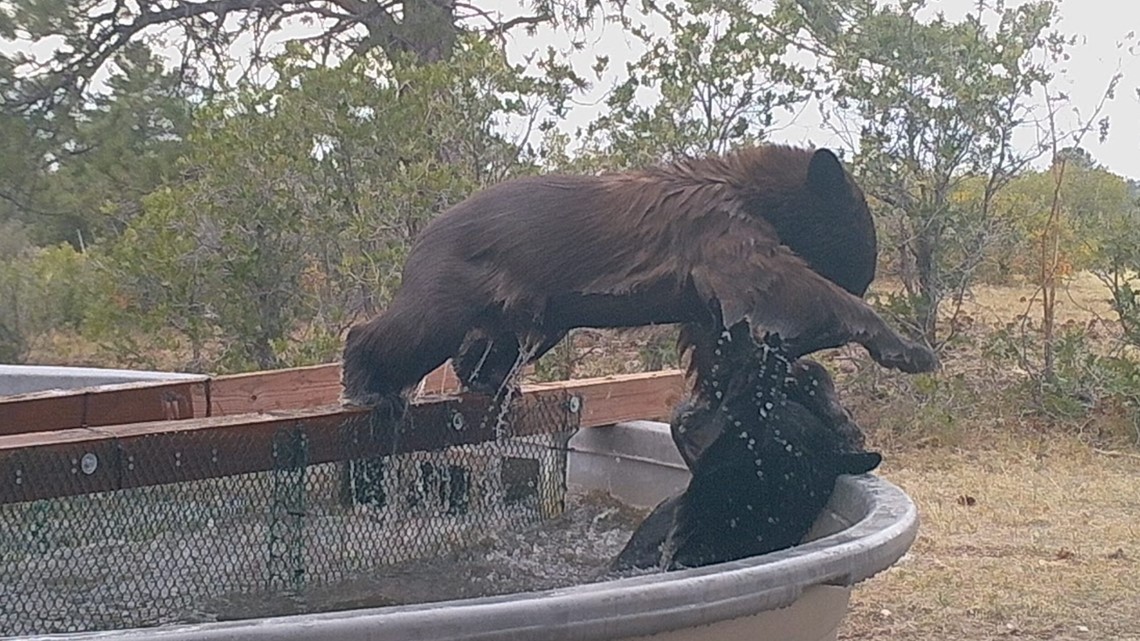
The periods before bears den and after they emerge are prime times for wildlife viewing in Colorado. Seeing a bear in its natural habitat can be an unforgettable experience, but it must be done responsibly.
- Spring Awakening: As bears emerge from their dens, they are often seen foraging for the first shoots of new vegetation. This can be a particularly active time to spot them, especially in lower elevations where food becomes available earlier.
- Autumn Foraging: The hyperphagia period in autumn is also a fantastic time for viewing. Bears are actively seeking food, often in areas with berry patches or near agricultural lands where they might be attracted by spilled grain or crops.
- Respecting Denning Sites: During the winter months, it is crucial to avoid disturbing potential denning areas. If hiking in areas known for bear activity, stick to established trails and be mindful of your surroundings, especially in late fall and early spring when bears might be near their den entrances.
By respecting the natural cycles of bears and adhering to safety guidelines, visitors can enjoy the wild beauty of Colorado while contributing to the preservation of these remarkable animals. The timing of their hibernation is a fascinating biological clock that dictates their presence and behavior, offering a unique window into the wild heart of the state.
LifeOutOfTheBox is a participant in the Amazon Services LLC Associates Program, an affiliate advertising program designed to provide a means for sites to earn advertising fees by advertising and linking to Amazon.com. Amazon, the Amazon logo, AmazonSupply, and the AmazonSupply logo are trademarks of Amazon.com, Inc. or its affiliates. As an Amazon Associate we earn affiliate commissions from qualifying purchases.