
Colorado, a state synonymous with breathtaking mountain vistas, exhilarating outdoor adventures, and charming mountain towns, beckons travelers year-round. However, for many planning their pilgrimage to the Centennial State, a crucial question looms: when exactly does the crisp, cold air signal the arrival of winter and its accompanying activities? Understanding the nuances of Colorado’s seasonal shifts is paramount to crafting the perfect itinerary, whether you’re dreaming of powder-filled ski slopes, vibrant autumn foliage, or the quiet beauty of a snow-dusted landscape.
This guide delves into the climatic patterns of Colorado, helping you pinpoint the sweet spot for experiencing its iconic cold-weather charm. We’ll explore the factors influencing temperature fluctuations, from elevation to geographic location within the state, and provide a general timeline for when the mercury begins its descent.

Understanding Colorado’s Microclimates
Colorado’s diverse topography, characterized by the towering Rocky Mountains, expansive plains, and high-altitude plateaus, creates a fascinating tapestry of microclimates. This means that “cold” can mean different things depending on where you are in the state. The dramatic elevation changes are the primary drivers of these temperature variations, with higher altitudes experiencing significantly colder conditions year-round.
The Impact of Elevation
The most significant factor influencing when it starts getting cold in Colorado is elevation. Cities and towns located on the eastern plains, such as Denver or Colorado Springs, generally experience milder winters compared to their mountain counterparts. While frost and freezing temperatures are common on the plains, they rarely reach the extreme lows seen in ski resorts like Aspen or Vail.
Conversely, mountain communities and ski destinations, often situated at elevations of 8,000 feet and above, will feel the chill much earlier and more intensely. For instance, a town like Telluride will experience a noticeable drop in temperature and the first frosts considerably sooner than a city on the eastern slope. This elevation difference dictates not only the average temperature but also the likelihood and timing of snowfall.
Geographic Zones and Their Influences
Colorado can be broadly divided into several geographic zones, each with its distinct climate patterns:
- The Eastern Plains: This region, part of the Great Plains, sees more continental weather patterns. Summers can be hot, and winters can be cold and windy, but generally with less consistent snow cover compared to the mountains. Cold snaps here are often associated with Arctic air masses pushing south.
- The Front Range: This is where the mountains meet the plains, encompassing cities like Denver, Boulder, and Fort Collins. Temperatures here are a blend, influenced by both plains weather and proximity to the mountains. Snowfall can be significant, but warm spells can melt it quickly.
- The Mountains: This is the heart of Colorado’s winter wonderland. The higher you go, the colder it gets, and the more reliable the snow. Ski resorts are specifically chosen for their high elevations and favorable snow-making conditions.
- The Western Slope: This region, west of the Continental Divide, includes areas like Grand Junction and Durango. While still mountainous, it can experience drier conditions than the central and northern Rockies. Temperatures here are also significantly cooler at higher elevations.
When considering when it starts getting cold, it’s essential to factor in which of these zones your Colorado destination falls within.
The Transition from Summer to Winter
The transition from the warmth of summer to the chill of winter in Colorado is a gradual but distinct process, marked by observable changes in temperature, daylight hours, and the natural environment.
September: The Subtle Shift
As August draws to a close and September arrives, Coloradans and visitors alike begin to notice the subtle but welcome shift. Daylight hours shorten noticeably, and while daytime temperatures might still be pleasant, especially on the plains, the evenings and early mornings begin to carry a distinct coolness.
In the higher elevations, particularly in the mountains, the first hints of frost can appear in late September. This is often when aspen trees, famous for their spectacular golden fall foliage, begin to turn. Hiking trails that were bustling with summer activity might start to see fewer crowds, and the air takes on a crispness that foretells the coming colder months. While not yet “cold” in the winter sense, September is the month where the cold begins to announce its imminent arrival. Many mountain towns will see their first light dustings of snow on the highest peaks, a picturesque preview of what’s to come.
October: The Cold Takes Hold
October is typically the month when “cold” becomes a more definitive descriptor for much of Colorado, especially in the mountain regions. Freezing temperatures become a nightly occurrence at higher altitudes, and daytime highs start to dip considerably. Snowfall becomes more frequent and persistent in the mountains, laying down the foundation for the ski season.
Cities on the eastern plains will also experience freezing temperatures regularly, and while significant snow accumulation might be less common than in the mountains, cold snaps are expected. This is when residents start pulling out heavier jackets and preparing for winter. For skiers and snowboarders, October is a crucial month for monitoring conditions, as early season snow is often enough to open the first resorts, particularly those at higher elevations. The landscape begins to transform, with vibrant fall colors giving way to muted, wintry tones as frost and early snow dust the ground.
November: Winter’s Embrace
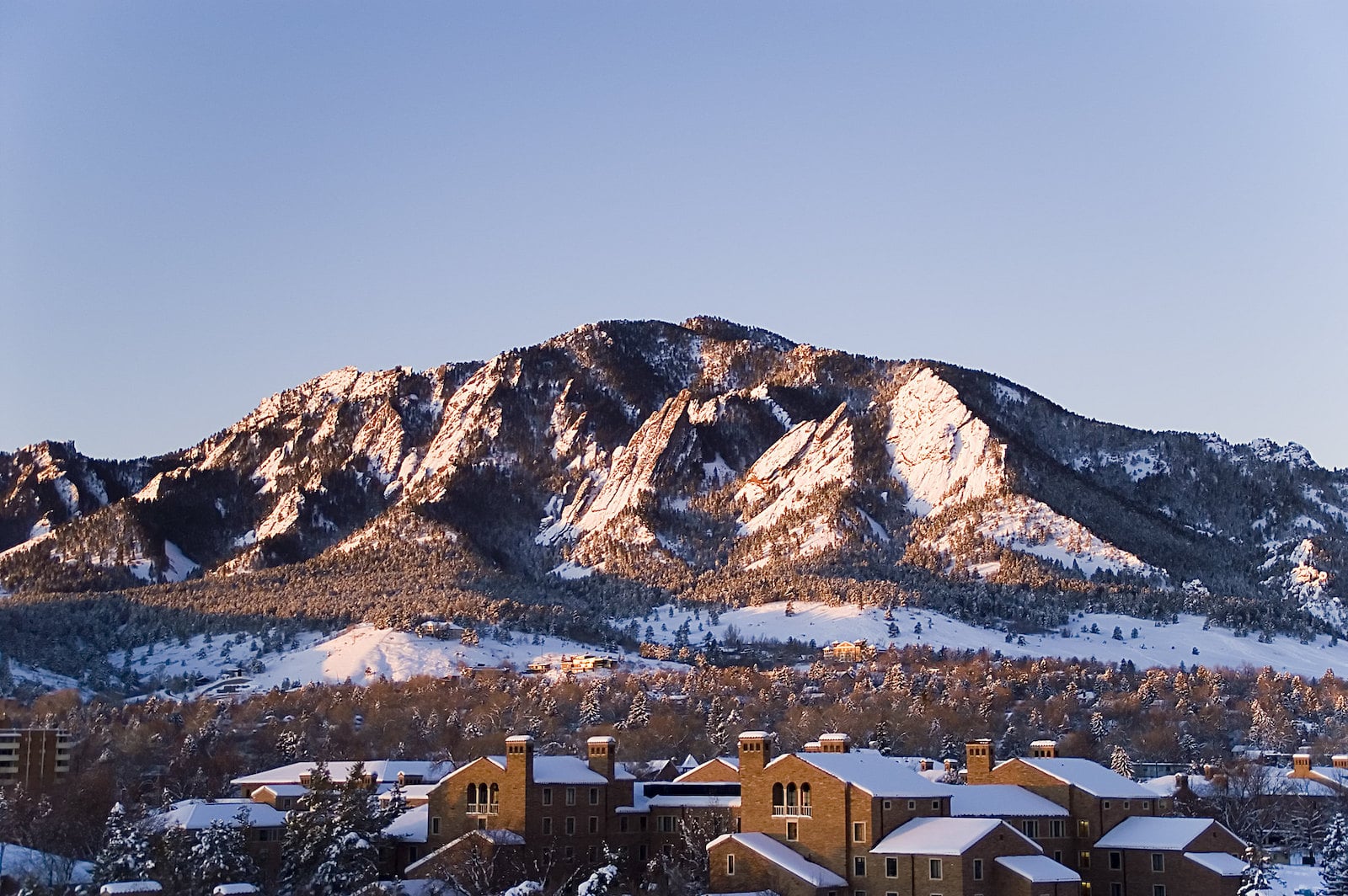
By November, winter has generally tightened its grip on the state, especially in the mountain corridors. Ski resorts across the Rockies are typically in full swing, with significant snow bases established from consistent snowfall. Temperatures are reliably below freezing in most mountainous areas, and daytime highs in Denver and other Front Range cities often hover near or just above the freezing mark.
Winds can become a significant factor in November, bringing biting cold, especially on the plains and at higher elevations. Snowfall in November can be substantial, leading to challenging driving conditions in mountain passes and the potential for early winter storms that can impact travel across the state. This is the month where the characteristic “cold” of a Colorado winter is undeniable, and the landscape is firmly set in its snowy attire.
Early Signs and Indicators of Cold Weather
Beyond the calendar dates, several natural and environmental indicators can signal the approaching cold in Colorado. Observing these can provide a more granular understanding of the seasonal transition.
The Behavior of Wildlife
Wildlife often provides subtle clues about changing seasons. As temperatures begin to drop and food sources become scarcer, many animals start their preparations for winter. You might observe:
- Increased foraging: Animals like deer and elk will be seen grazing more actively to build up fat reserves.
- Hibernation preparation: While many larger animals don’t strictly hibernate, smaller mammals like ground squirrels and chipmunks will be seen making their final preparations to enter their winter dormancy.
- Changes in bird migration: Many bird species will begin their southward migration as insect populations decline and temperatures fall. Observing fewer migratory birds can indicate the onset of colder weather.
Vegetation and Foliage Changes
The plant life in Colorado offers some of the most dramatic and beautiful indicators of seasonal change.
- Aspen and deciduous tree color change: The vibrant golds of aspens are a hallmark of early fall, typically peaking in late September to early October, signaling the start of colder periods. As these leaves fall, the trees become bare, preparing for winter’s embrace.
- Frost on vegetation: The appearance of frost on grasses, leaves, and exposed surfaces, especially in the mornings, is a clear sign that temperatures are dipping below freezing. This often becomes a regular occurrence in the mountains by late September and across more of the state in October.
- Changes in plant dormancy: As temperatures drop, above-ground plant life begins to die back or enter dormancy, a visual cue that the active growing season is over and the cold season has begun.
Planning Your Colorado Cold-Weather Adventure
Knowing when Colorado starts to get cold is crucial for planning any trip focused on winter activities or simply experiencing the state’s beauty in its cooler months.
Timing for Skiing and Snowboarding
The most anticipated cold-weather activity in Colorado is undoubtedly skiing and snowboarding. The ski season typically kicks off in mid-November at higher-elevation resorts, with most major ski areas aiming for Thanksgiving weekend openings. However, early snowfall in October can sometimes lead to earlier openings, especially for resorts known for their snowmaking capabilities, such as Breckenridge Ski Resort. For the most reliable and abundant snow, December through March is generally considered the peak season, offering excellent conditions across the state.
Fall Colors and Hiking
For those interested in experiencing the vibrant fall foliage, the prime time is generally late September through early October. The exact timing can vary year by year and by elevation, with higher mountain valleys often peaking earlier. This period offers crisp air, stunning natural beauty, and fewer crowds than the peak summer months. Hiking during this time is highly recommended, but it’s essential to be prepared for colder temperatures, especially at higher altitudes, and the possibility of early snow.
Embracing the Winter Landscape
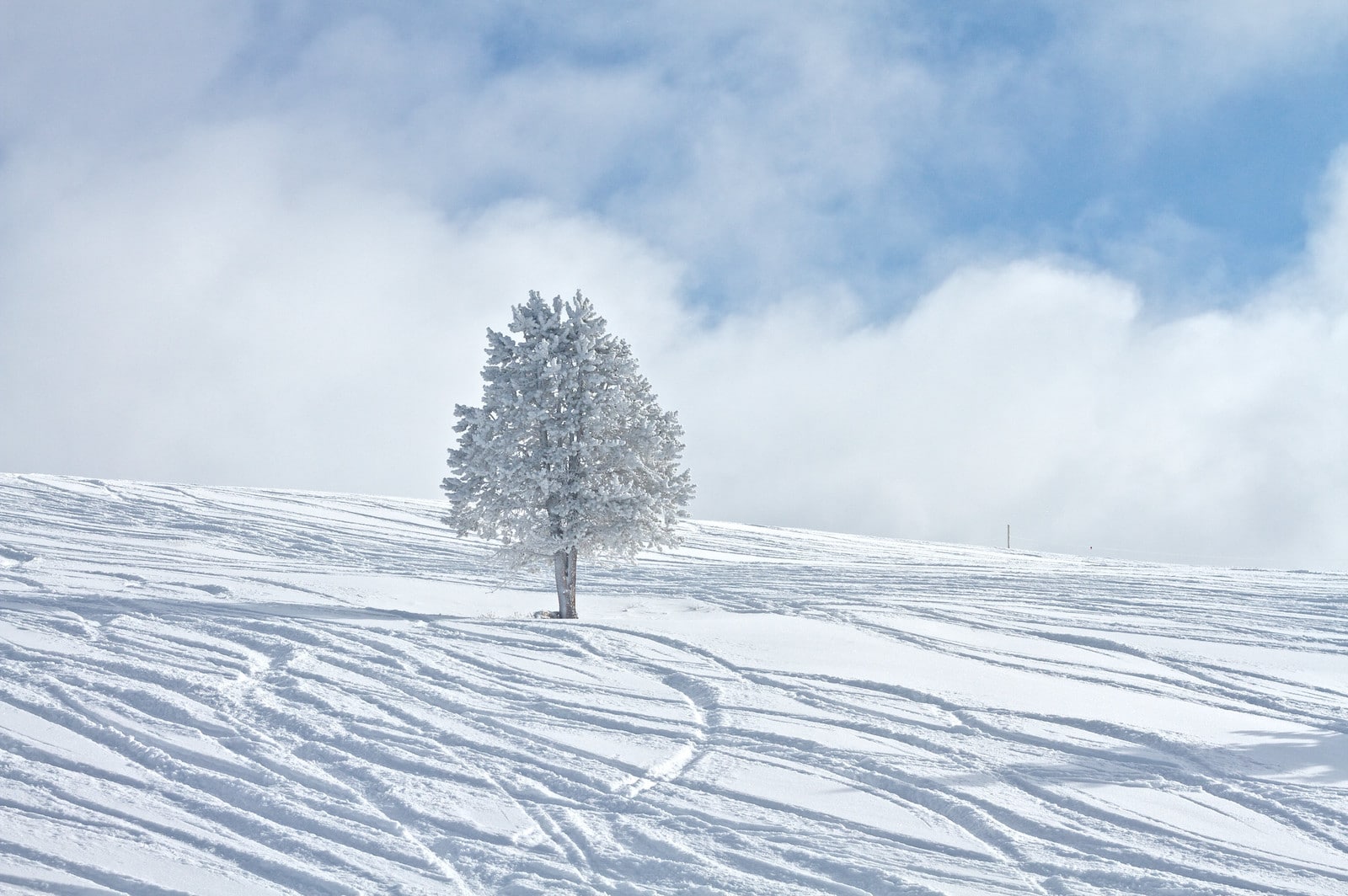
If your goal is to experience the serene beauty of a snow-covered Colorado, the period from late November through March offers the most consistent winter conditions. This is when the iconic snow-capped peaks, frozen lakes, and charming, snow-dusted towns are at their most picturesque. Activities like snowshoeing, ice skating, and simply enjoying the cozy ambiance of mountain lodges are at their best during these months.
When planning, always check local weather forecasts and resort opening dates closer to your intended travel time. Colorado’s weather can be famously unpredictable, and being prepared for a range of conditions, from sunny and crisp to snowy and blustery, is key to a successful and enjoyable trip. The beauty of Colorado lies in its distinct seasons, and understanding the subtle cues of its cold-weather transition will allow you to fully immerse yourself in the magic of this extraordinary state.
LifeOutOfTheBox is a participant in the Amazon Services LLC Associates Program, an affiliate advertising program designed to provide a means for sites to earn advertising fees by advertising and linking to Amazon.com. Amazon, the Amazon logo, AmazonSupply, and the AmazonSupply logo are trademarks of Amazon.com, Inc. or its affiliates. As an Amazon Associate we earn affiliate commissions from qualifying purchases.