
Navigating the complexities of establishing a business can be a daunting yet exhilarating endeavor. For entrepreneurs and organizations looking to operate within the vibrant economic landscape of Florida, securing an Employer Identification Number (EIN) is a foundational step. Often referred to as a Federal Tax Identification Number, the EIN is a unique nine-digit number assigned by the Internal Revenue Service (IRS) to business entities operating in the United States. It is crucial for a multitude of business functions, from hiring employees and opening business bank accounts to filing federal tax returns. Understanding the process of obtaining an EIN in Florida is paramount for a smooth and compliant business launch.
Understanding the EIN and Its Importance
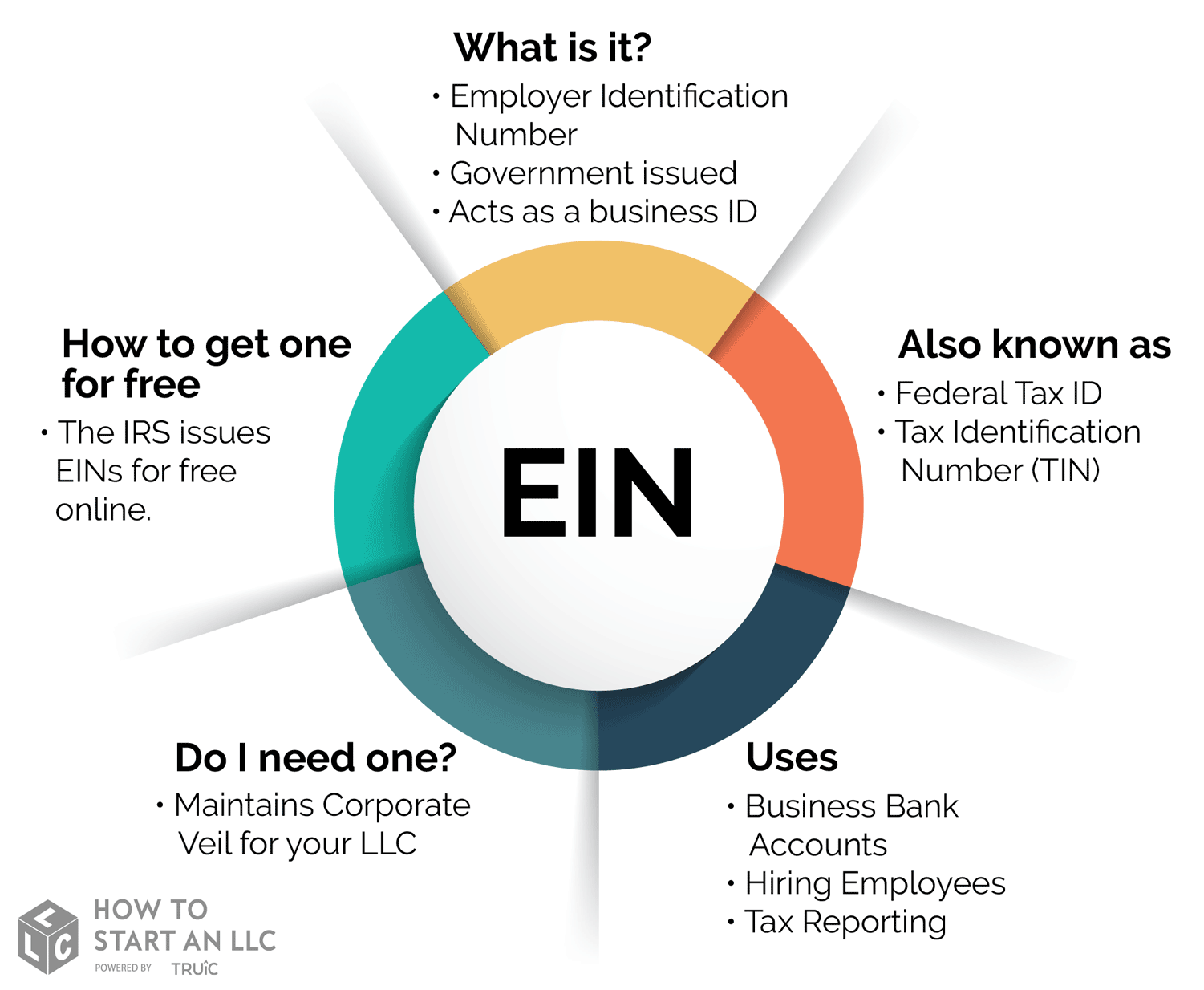
An EIN serves as the Social Security number for a business. It is mandatory for most business structures, including sole proprietorships that hire employees, partnerships, corporations, and limited liability companies (LLCs). Even if your business in Florida doesn’t plan to hire employees immediately, an EIN is often required for other activities, such as operating a Keogh plan, or if you are a multi-member LLC.
Why is an EIN Necessary for Your Florida Business?
- Tax Identification: The primary purpose of an EIN is for tax administration. It is used by the IRS to identify entities that are required to file tax returns.
- Opening Business Bank Accounts: Financial institutions in Florida will almost always require an EIN to open a business checking or savings account. This is essential for separating personal and business finances, a critical aspect of good financial management and legal protection.
- Hiring Employees: If you plan to hire staff for your Florida business, an EIN is mandatory. It is used for reporting wages, withholding taxes, and for your employees to file their individual tax returns.
- Operating Certain Business Structures: As mentioned, partnerships, corporations (S-corps and C-corps), and LLCs generally require an EIN, regardless of employee status.
- Establishing Business Credit: An EIN helps establish your business as a distinct entity, which is crucial for building business credit, obtaining loans, and securing trade credit from suppliers.
- Applying for Business Licenses and Permits: Many state and local licenses and permits in Florida may require an EIN as part of the application process.
- Nonprofit Organizations: Nonprofits operating in Florida also need an EIN for tax-exempt status applications and other operational requirements.
Who Needs an EIN?
The following business entities typically require an EIN:
- Sole Proprietorships: If you operate as a sole proprietor in Florida and have employees, or if you are a sole proprietor with a Keogh plan, you will need an EIN.
- Partnerships: All general partnerships, limited partnerships, and limited liability partnerships (LLPs) require an EIN.
- Corporations: Both C-corporations and S-corporations must obtain an EIN.
- Limited Liability Companies (LLCs): Single-member LLCs that do not have employees or a Keogh plan may not need an EIN if they elect to be taxed as a disregarded entity. However, multi-member LLCs always require an EIN.
- Estates and Trusts: Certain estates and trusts involved in business activities or requiring tax identification will need an EIN.
- Nonprofit Organizations: Charities, foundations, and other tax-exempt organizations require an EIN.
The Application Process: Online, Mail, or Fax
The Internal Revenue Service provides several methods for applying for an EIN. The most efficient and recommended method is online, but mail and fax are also available for those who prefer or require them. It’s important to note that the application is free, and you should never pay a third-party service to obtain an EIN for you, although some services may assist with the application process for a fee.
Applying Online: The Fastest Route
The IRS offers an online application that is generally the quickest way to receive your EIN. This method allows for immediate processing and assignment of your number.
Steps for Online Application:
- Visit the IRS Website: Go to the official IRS website and navigate to the EIN application page. Look for the link that says “Apply for an Employer Identification Number (EIN) Online.”
- Eligibility Check: The online application system will guide you through a series of questions to ensure your business is eligible to apply for an EIN online.
- Complete the Application Form: You will be asked to provide detailed information about your business, including:
- Legal Name of Business: This must match the name registered with the Florida Division of Corporations.
- Doing Business As (DBA) Name (if applicable): If your business operates under a different name than its legal name.
- Federal Tax Classification: This includes options like Sole Proprietor, Partnership, Corporation (C-corp, S-corp), LLC, etc.
- Reason for Applying: Common reasons include starting a new business, hiring employees, or changing business structure.
- Mailing Address and Physical Address: The business’s primary location.
- Responsible Party Information: This is the person who controls, manages, or directs the applicant entity and its tax affairs. This person must be an individual (not an entity) and must have an existing U.S. taxpayer identification number (SSN, ITIN, or EIN).
- Names and Social Security Numbers (SSNs) of Principal Officers or General Partners: If applicable.
- Submit and Receive: Once you have completed the form accurately, submit it. If all information is validated, you will receive your EIN immediately on your screen. You can then print a confirmation letter. It’s crucial to save this confirmation, as it contains your EIN.
Important Considerations for Online Application:
- Availability: The online application system is available Monday through Friday, from 7 a.m. to 10 p.m. Eastern Time.
- Accuracy: Ensure all information provided is accurate and matches your business registration documents. Any discrepancies can lead to delays or denial.
- Single Application: You can only apply for one EIN per session.
Applying by Mail or Fax
If you are unable to apply online, you can download and complete Form SS-4, Application for Employer Identification Number, and submit it by mail or fax. This method typically takes longer to process, with mail applications potentially taking several weeks.
Steps for Mail/Fax Application:
- Download Form SS-4: Obtain the most current version of Form SS-4 from the IRS website.
- Complete Form SS-4: Fill out the form meticulously, providing all the same information as required for the online application. Pay close attention to the instructions provided with the form.
- Mail or Fax:
- Mail: Send the completed Form SS-4 to the appropriate IRS address, which varies depending on your location. For Florida businesses, you will typically send it to the address listed in the Form SS-4 instructions for businesses located in the United States.
- Fax: Send the completed Form SS-4 to the designated IRS fax number.
- Processing Time: Expect a processing time of several weeks for mail and fax applications. The IRS will mail or fax your EIN confirmation to you once it is assigned.
When to Choose Mail or Fax:
- International Applicants: If you are applying from outside the United States and do not have a U.S. telephone number, mail or fax might be the only options available.
- Specific Business Structures: Some complex business structures or situations might be better suited for a mailed application where you can provide more detailed explanations.
Pre-Application Requirements and Considerations for Florida Businesses
Before you begin the EIN application process, whether online, by mail, or fax, it’s essential to have all necessary information readily available. Ensuring accuracy and completeness from the outset will prevent delays.
Business Registration in Florida
For most business entities (LLCs, corporations, partnerships), the first step is to register your business with the Florida Division of Corporations. This registration process assigns your business a legal name and status within the state. The name and other details used during your Florida business registration must align with the information you provide when applying for your EIN.
Understanding Your Business Structure
The tax classification of your business is a critical piece of information required for the EIN application. Common classifications include:
- Sole Proprietorship: Owned and run by one individual.
- Partnership: Owned and run by two or more individuals.
- Limited Liability Company (LLC): A hybrid structure offering the pass-through taxation of a partnership or sole proprietorship with the limited liability of a corporation.
- Corporation (C-Corp and S-Corp): A distinct legal entity separate from its owners.
Choosing the correct tax classification is vital for tax reporting purposes. If you are unsure about the best structure for your business in Florida, consult with a legal or tax professional.
Information About the Responsible Party
The IRS places significant emphasis on the “responsible party.” This individual is ultimately accountable for the business’s tax obligations. They must be an individual with a U.S. taxpayer identification number (SSN, ITIN, or EIN). This is not necessarily the business owner, but rather the person who exercises ultimate control over the business.
Employer Identification Numbers for Specific Scenarios
While the general process remains consistent, there are nuances for specific situations:
- Nonprofit Organizations: These entities often need an EIN to apply for tax-exempt status with the IRS. The application process is similar, but specific documentation related to the nonprofit’s mission and governance may be required.
- Businesses Requiring Multiple EINs: In rare cases, a single company might need multiple EINs. For example, if a corporation acquires another corporation and operates it as a separate legal entity, or if a business operates entirely separate businesses in different states with different tax structures, separate EINs might be necessary. However, for most standard businesses in Florida, one EIN will suffice.
Post-EIN Issuance: Next Steps for Your Florida Business
Receiving your EIN is a significant milestone, but it is just one step in establishing and operating your business in Florida. Here are the subsequent actions you should take:
Opening a Business Bank Account
With your EIN in hand, you can now proceed to open a dedicated business bank account. This is crucial for maintaining financial clarity, protecting your personal assets from business liabilities (especially for LLCs and corporations), and establishing a professional financial record. Banks in Florida will require your EIN, articles of incorporation or organization, and identification for the authorized signatories.
Obtaining Necessary Licenses and Permits
Depending on your industry and location within Florida, you will likely need various federal, state, and local licenses and permits to operate legally. These can range from general business licenses issued by your city or county to industry-specific permits, such as those required for food service, construction, or healthcare. Your EIN will be a prerequisite for many of these applications.
Setting Up Payroll and Tax Withholding
If your Florida business will employ staff, you must set up a payroll system that accurately calculates and withholds federal income tax, Social Security, and Medicare taxes. You will use your EIN to report these withheld taxes to the IRS and to issue employees their W-2 forms. You will also need to register with the Florida Department of Revenue for state unemployment taxes.
Understanding Federal and State Tax Obligations
Your EIN is your primary identifier for all federal tax filings. This includes annual income tax returns (Form 1120 for C-corps, Form 1120-S for S-corps, Form 1065 for partnerships), employment tax returns (Forms 941 and 940), and any other required federal tax forms. For Florida, there is no state income tax for individuals or corporations, which simplifies some aspects of business taxation. However, you will still be subject to other state taxes, such as sales tax, reemployment tax, and corporate income tax for specific entities like insurance companies and public utilities, which are managed by the Florida Department of Revenue.

Staying Compliant
The IRS and the Florida Division of Corporations have specific filing and renewal requirements to maintain your business’s good standing. Regularly review these requirements to ensure continuous compliance, which can include annual reports, tax filings, and license renewals. Neglecting these obligations can lead to penalties, interest, and even the dissolution of your business entity.
By understanding the necessity of an EIN and following the straightforward application process, Florida entrepreneurs can confidently establish their businesses on a solid foundation, ready to thrive in the dynamic economic environment of the Sunshine State.
LifeOutOfTheBox is a participant in the Amazon Services LLC Associates Program, an affiliate advertising program designed to provide a means for sites to earn advertising fees by advertising and linking to Amazon.com. Amazon, the Amazon logo, AmazonSupply, and the AmazonSupply logo are trademarks of Amazon.com, Inc. or its affiliates. As an Amazon Associate we earn affiliate commissions from qualifying purchases.