
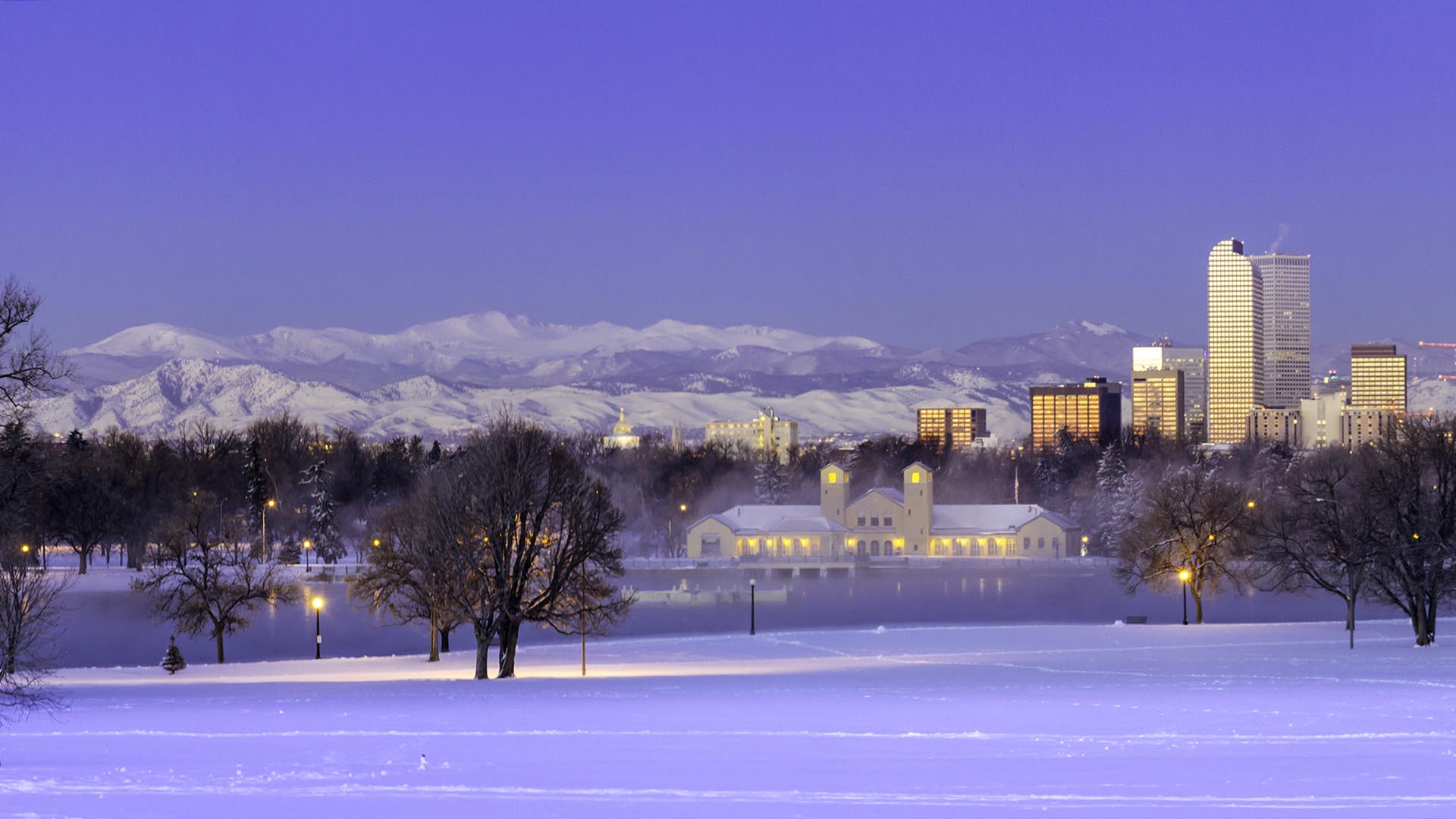
Denver, Colorado, nestled at the foot of the majestic Rocky Mountains, presents a captivating duality for visitors and residents alike. While the Mile High City is renowned for its sunshine and vibrant outdoor lifestyle, its proximity to a formidable mountain range imbues it with a distinct winter personality. Understanding the nuances of Denver’s snowfall patterns is crucial for anyone planning a visit, whether to embrace the crisp winter air or to strategize around potential travel disruptions. This guide delves into the typical timing of the first snow in Denver, exploring the factors that influence its arrival and what it signifies for the city’s seasonal offerings.
The Arrival of Winter’s First Embrace
The question of when it starts to snow in Denver is met with a range of possibilities, dictated by the complex interplay of atmospheric conditions and geographic positioning. While the city itself experiences snowfall, the intensity and frequency are significantly influenced by weather systems originating from the western United States and the Rocky Mountains.
Historical Snowfall Averages
Historically, Denver typically sees its first significant snowfall in late October or early November. However, this is an average, and the actual timing can vary considerably from year to year. Some years might witness an early dusting in September, while others can hold off until December for the first substantial snow event.
- September Dusters: While rare, early autumn can sometimes bring a surprise sprinkle of snow, often melting quickly. These early events serve as a prelude, hinting at the winter to come.
- October’s First Kiss: By October, the air takes on a definite chill, and the likelihood of snow increases. These early snowfalls are often light and may not accumulate significantly, but they mark a tangible shift in the season.
- November’s Solidification: November is generally considered the month when winter truly begins to assert itself in Denver. Snowfall becomes more common, and accumulations can start to build, impacting driving conditions and outdoor activities.
- December’s Winter Wonderland: By December, snow is an expected part of the Denver winter. The city often experiences its most significant snowfalls during this month, transforming the landscape and setting the stage for holiday festivities.
It’s important to note that “first snow” can refer to anything from a few fleeting flakes to a measurable accumulation. Travelers aiming for early winter experiences, such as late November skiing or early December holiday markets, should monitor weather forecasts closely, as the onset of snow can be unpredictable.
Factors Influencing Snowfall Timing
Several meteorological and geographical factors contribute to Denver’s snowfall patterns:
- Pacific Storms: The majority of Denver’s precipitation, including snow, originates from storm systems that traverse the Pacific Ocean and move eastward across the United States. The strength and trajectory of these storms are key determinants of when and how much snow falls.
- Monsoonal Influence (Late Summer/Early Autumn): While primarily associated with summer thunderstorms, the remnants of the North American Monsoon can sometimes contribute moisture that, when combined with cooling temperatures, can lead to early snow in late September or October.
- Chinook Winds: These warm, dry winds that descend from the Rocky Mountains can dramatically affect temperatures and snowpack. A strong Chinook event can cause rapid melting of existing snow, even in winter months, and can delay the onset of prolonged snow cover. Conversely, the atmospheric conditions that precede a Chinook can sometimes bring significant snowfall.
- Elevation: Denver’s elevation of 5,280 feet (one mile high) means temperatures are generally cooler than at sea level, facilitating snow formation. However, the surrounding mountains can also act as a barrier, influencing storm tracks and precipitation patterns.
Snowfall’s Impact on Denver’s Travel Experience
The arrival of snow in Denver significantly alters the city’s ambiance and the opportunities available to visitors. For those seeking a quintessential winter experience, understanding these changes is vital for planning.
Embracing Winter Activities
Once the snow begins to fall, Denver transforms into a gateway to a winter wonderland, offering a plethora of activities for every interest.
- Skiing and Snowboarding: Denver’s prime location makes it an ideal base for accessing world-class ski resorts in the nearby Rocky Mountains. Resorts like Vail Ski Resort, Breckenridge Ski Resort, and Aspen Snowmass typically open in mid-to-late November, often dependent on early snowfall. A timely first snow can mean an earlier opening for these beloved destinations.
- Winter Hiking and Snowshoeing: Even within the city limits and its surrounding foothills, trails become accessible for winter exploration. Parks like Red Rocks Park and Amphitheatre and the Golden Gate Canyon State Park offer opportunities for snowshoeing and winter hiking, providing a serene escape into nature.
- Ice Skating: As temperatures drop and ice forms, outdoor ice skating rinks become popular attractions. The Downtown Denver Rink at Skyline Park is a beloved seasonal fixture, offering a festive atmosphere for families and couples.
Navigating Winter Conditions
While snow brings beauty and recreation, it also necessitates a degree of preparedness for travelers.

- Transportation: Snowfall can impact road conditions, particularly in and around Denver. While the city’s infrastructure is generally well-equipped to handle snow removal, minor delays and increased travel times are possible. Rental car companies often offer options for snow tires or chains, which can be advantageous, especially if venturing into the mountains. It is always advisable to check local traffic reports and weather advisories before setting out. Airlines may experience delays or cancellations during significant snow events, so monitoring flight status is recommended.
- Accommodation: The onset of snow often coincides with increased demand for accommodations, particularly in ski towns. Booking lodging in advance is highly recommended, especially if traveling during peak winter months or around holidays like Thanksgiving and Christmas. Hotels in Denver itself can offer a convenient and comfortable base, providing amenities and services to help guests navigate winter weather. Many hotels, such as the The Crawford Hotel or the Hyatt Centric Downtown Denver, are well-positioned for easy access to city attractions and can provide a warm respite from the cold.
- Packing Essentials: For visitors, packing appropriately for cold and snowy weather is paramount. Layers are key, including thermal base layers, insulating mid-layers (like fleece or down), and a waterproof and windproof outer shell. Don’t forget warm hats, gloves, scarves, and waterproof footwear with good traction. Sunglasses are also important, as the sun’s reflection off snow can be intense.
Beyond the First Flurry: Denver’s Winter Season
The first snow in Denver is more than just a meteorological event; it’s a signal that the city is transitioning into its full winter persona, a season characterized by crisp air, stunning mountain vistas, and a vibrant cultural scene.
Cultural and Culinary Delights
Winter in Denver is not solely about outdoor pursuits. The city boasts a rich cultural tapestry that thrives even as the temperatures drop.
- Museums and Galleries: Denver’s renowned cultural institutions offer excellent indoor diversions. The Denver Art Museum showcases a diverse collection, while the Denver Museum of Nature & Science provides fascinating insights into the natural world. The Molly Brown House Museum offers a glimpse into Denver’s historic past.
- Performing Arts: The Denver Center for the Performing Arts hosts a variety of Broadway shows, theatrical productions, and musical performances throughout the year, providing world-class entertainment during the winter months.
- Culinary Scene: Denver’s burgeoning food scene is a major draw, and winter offers the perfect opportunity to indulge in hearty, warming cuisine. From upscale dining experiences in neighborhoods like Larimer Square to cozy cafes and breweries scattered throughout the city, there are ample opportunities to savor local flavors. Consider trying Rocky Mountain Oysters (if you’re adventurous) or sampling the diverse craft beer scene that Denver is famous for.
Event Highlights
The winter season in Denver is punctuated by a calendar of engaging events.
- Holiday Celebrations: As the snow begins to fall, Denver embraces the festive spirit with numerous holiday events. The Denver Botanic Gardens often hosts dazzling light displays, and downtown areas are adorned with festive decorations. Tree lighting ceremonies and holiday markets add to the seasonal cheer.
- New Year’s Eve: Ringing in the New Year in Denver often involves spectacular fireworks displays over the city, providing a memorable way to welcome the advent of the snowy season.
- National Western Stock Show: Held annually in January, this iconic event celebrates Colorado’s Western heritage, featuring rodeo competitions, livestock shows, and much more, offering a unique cultural experience.
Preparing for Your Denver Winter Visit
Understanding when Denver’s snow season typically begins is a vital piece of information for any traveler aiming to experience the city and its surrounding natural beauty during its most magical time.
Timing Your Trip
The ideal time to visit Denver for snow-related activities depends on your specific interests.
- For Early Skiing: If your primary goal is to hit the slopes as early as possible, aiming for late November or early December offers the best chance of good snow conditions at higher elevations. However, be prepared for potential variability in opening dates.
- For a Classic Winter Experience: Mid-December through February generally provides the most reliable snowfall for a quintessential winter wonderland experience in Denver and the mountains. This period also offers the most consistent availability of winter sports and activities.
- For a Blend of Winter and Fewer Crowds: Early December, before the major holiday rush, can be a sweet spot, offering a good chance of snow with potentially fewer crowds at popular attractions and ski resorts.
Weather Monitoring and Flexibility
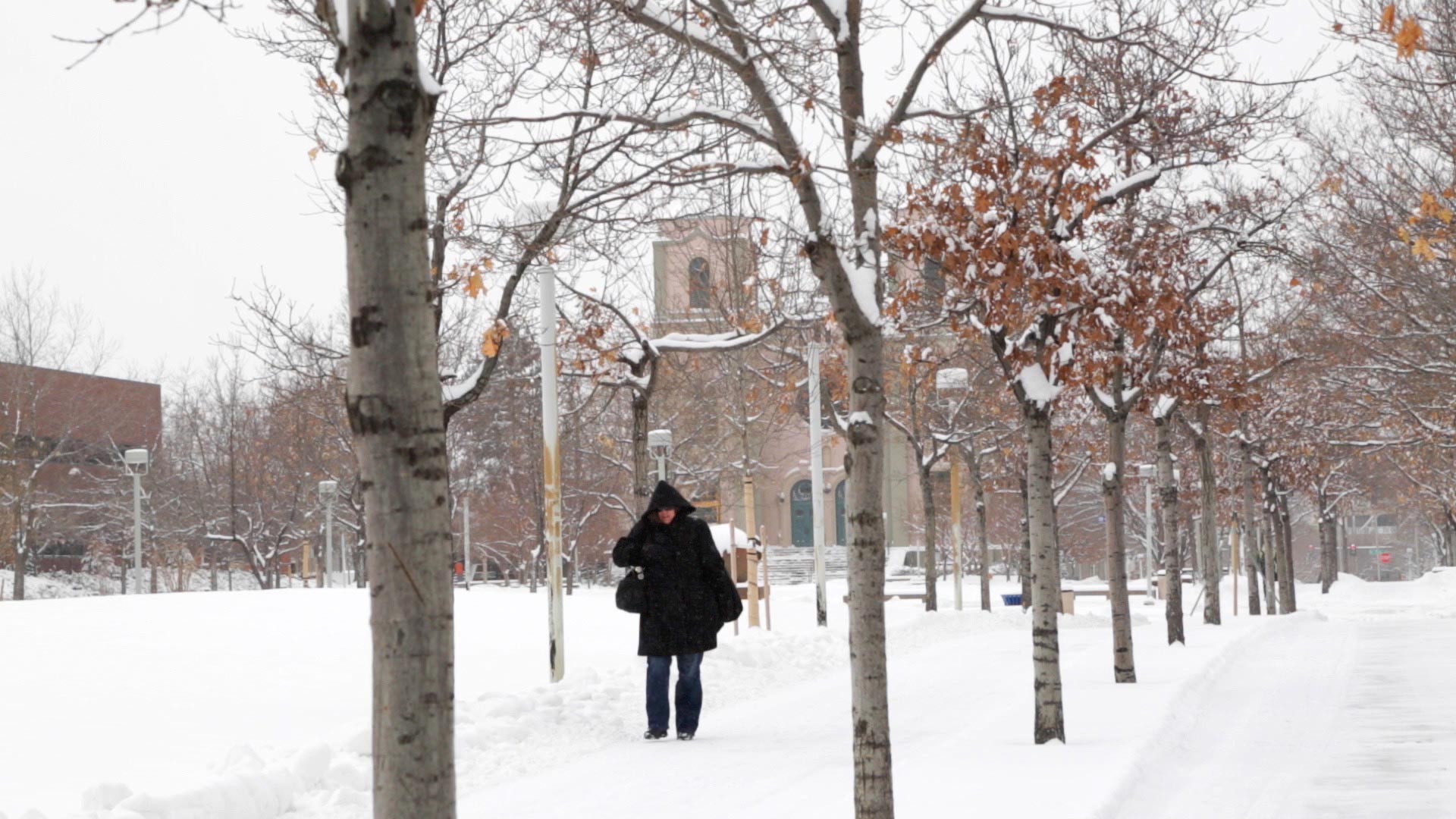
Given the inherent unpredictability of weather, especially in a mountainous region, flexibility is key when planning a Denver winter trip.
- Utilize Weather Resources: Regularly check weather forecasts from reliable sources such as the National Weather Service and local Denver news outlets. These resources will provide the most up-to-date information on approaching snowstorms and their potential impact.
- Embrace the Unexpected: Sometimes, the most memorable travel experiences arise from embracing unexpected weather. A heavy snowfall can create breathtaking scenery and offer unique photo opportunities. If travel plans are disrupted, consider exploring the city’s indoor attractions or enjoying a cozy day at your hotel. Many hotels, such as the The Source Hotel, offer inviting common areas and amenities perfect for a relaxed day indoors.
By understanding the typical patterns of snowfall and remaining flexible, visitors can fully immerse themselves in the captivating winter charm of Denver, Colorado, ensuring a memorable and enjoyable experience, regardless of when the first flakes begin to fall.
LifeOutOfTheBox is a participant in the Amazon Services LLC Associates Program, an affiliate advertising program designed to provide a means for sites to earn advertising fees by advertising and linking to Amazon.com. Amazon, the Amazon logo, AmazonSupply, and the AmazonSupply logo are trademarks of Amazon.com, Inc. or its affiliates. As an Amazon Associate we earn affiliate commissions from qualifying purchases.