
The culinary world is replete with dishes whose names offer a tantalizing glimpse into their origins, a historical echo of their creation. Among these, the humble yet revered New York Strip steak holds a special place. Its name, evocative of the bustling metropolis, hints at a story steeped in the city’s gastronomic evolution. But what exactly is the history behind this popular cut, and why does it bear the moniker of the Empire State’s iconic capital?
The Genesis of a Culinary Icon
The story of the New York Strip is, in many ways, a narrative of urban dining and butcher shop innovation. While definitive proof of its exact origin remains somewhat elusive, the most widely accepted theory places its birth in the steakhouses of late 19th and early 20th century New York City. During this era, the city was rapidly transforming into a global epicenter of commerce, culture, and, importantly, high-end dining. As ambitious restaurateurs sought to distinguish themselves and offer patrons premium cuts of beef, inventive butchery practices began to emerge.
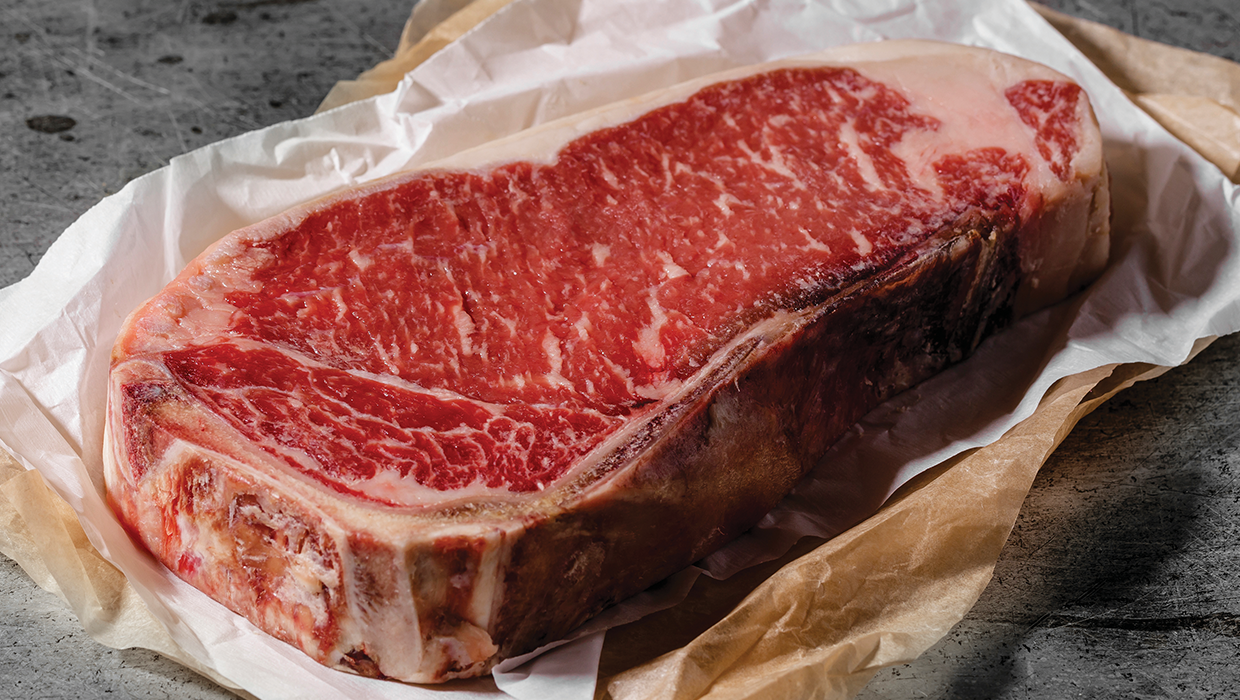
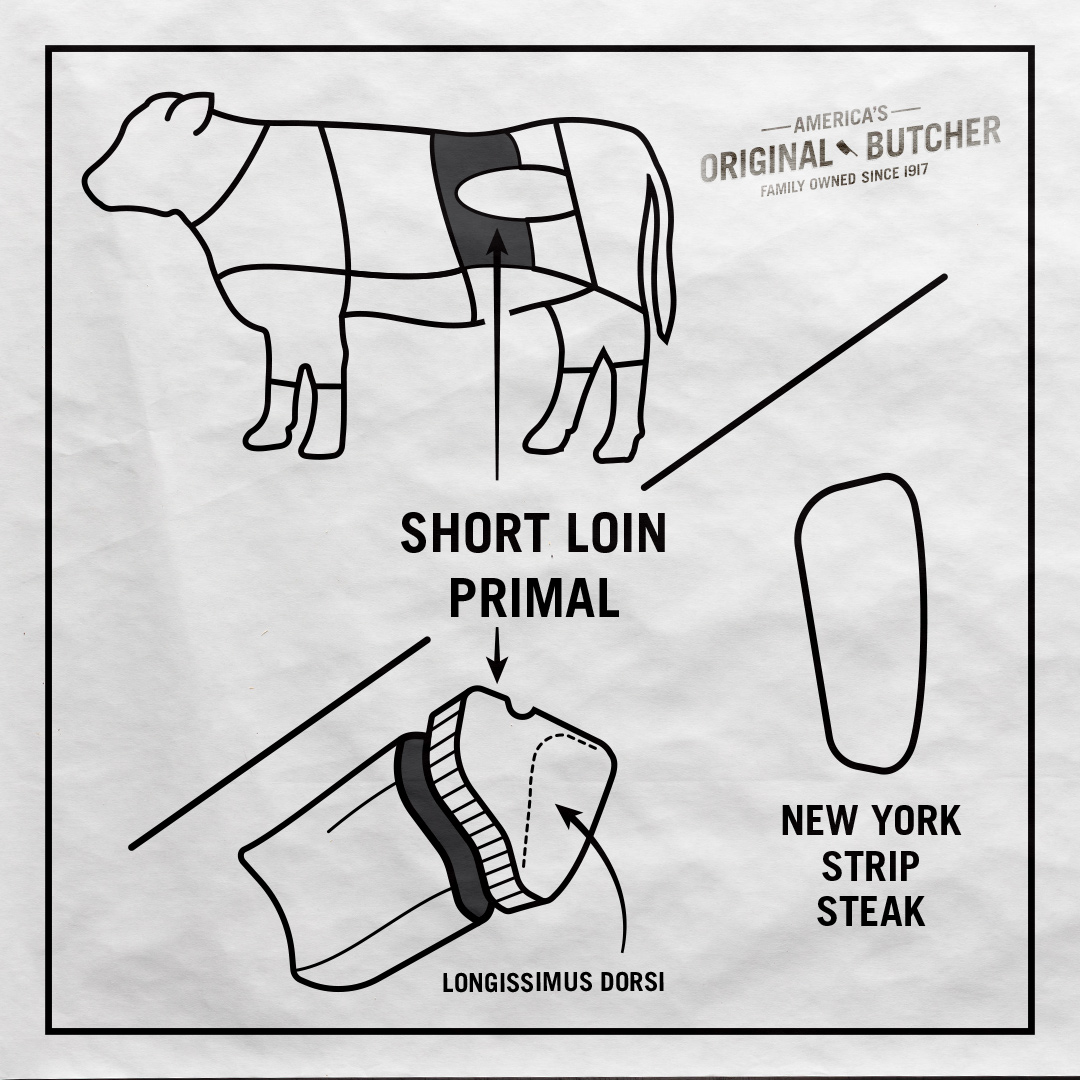
The New York Strip is a boneless cut derived from the short loin of the cow. This primal cut is prized for its balance of tenderness and flavor. Specifically, it’s the section of the loin that lies between the ribeye and the sirloin. In American butchery, the short loin is further divided into the striploin and the tenderloin (which yields the filet mignon). The striploin, when cut into steaks and served without the bone, is what we now recognize as the New York Strip.
The Role of the Butcher and the Restaurant
Before the advent of standardized butchery and the modern supermarket, butchers often played a more intimate role in the culinary chain. They would work closely with local restaurants, supplying them with specific cuts of meat tailored to their needs and the desires of their clientele. The burgeoning restaurant scene in New York City provided a fertile ground for experimentation. Chefs and restaurateurs were keen to offer something unique and luxurious.
It is believed that a particular butcher, or perhaps a group of butchers in New York, began to consistently prepare and market this specific cut from the short loin. The steak, characterized by its distinct marbling, firm texture, and robust beefy flavor, quickly gained favor among the city’s affluent diners. The moniker “New York Strip” likely arose organically as a way to associate this premium cut with the prestigious culinary reputation of the city. It was a steak from New York, a mark of quality and sophistication.
Alternative Names and Regional Variations
While “New York Strip” is the most common and widely recognized name for this steak in the United States, it’s worth noting that it has other regional aliases. In the United Kingdom and many Commonwealth countries, it is known as a “sirloin steak.” However, this can be a point of contention for American chefs and diners, as the “sirloin” in the U.S. typically refers to the cut immediately behind the short loin, which is slightly less tender and has a different flavor profile.
In some parts of the United States, it might also be referred to as a “strip loin steak,” “hotel cut,” or even a “Kansas City strip.” The “hotel cut” moniker is particularly interesting, suggesting a strong association with the hospitality industry and its demand for high-quality, consistent cuts for their dining establishments. The “Kansas City strip” likely emerged from the significance of Kansas City as a major hub for the beef industry, with its own traditions of beef preparation and serving. Regardless of the name, the fundamental cut of meat remains the same: a delicious portion of the striploin.
The Anatomy of the New York Strip
To truly appreciate why the New York Strip earned its name and status, one must understand its physical characteristics and the sensory experience it offers. This steak is a testament to the art of butchery and the inherent quality of well-raised beef.
Texture and Tenderness
The New York Strip is known for its firm, yet tender texture. Unlike the filet mignon, which is supremely tender due to its location in the tenderloin and minimal use by the cow, the strip loin experiences more activity. This results in a steak with a satisfying chew and a denser structure. However, it is still considered a relatively tender cut, especially when compared to tougher muscles from the cow’s less pampered regions. The presence of connective tissue is minimal, contributing to its overall pleasant mouthfeel.
Flavor Profile

The flavor of a New York Strip is robust and distinctly beefy. It possesses a good balance of richness and a clean, savory taste. The marbling, which refers to the intramuscular fat, plays a crucial role in this flavor. As the steak cooks, this fat renders, basting the meat from within and infusing it with rich, succulent notes. A well-marbled New York Strip will be incredibly juicy and flavorful, with a satisfying depth that appeals to a wide range of palates.
The “Strip” and the Fat Cap
The name “strip” likely refers to the distinct, strip-like appearance of the muscle itself within the short loin primal. Another characteristic often associated with the New York Strip is the strip of fat that runs along one edge of the steak. This fat cap, when seared properly, becomes delightfully crispy and adds an extra layer of flavor and texture to the finished dish. Many steak aficionados consider this fat cap an integral part of the New York Strip experience, offering a rich counterpoint to the leaner meat.
The Steakhouse Experience: A New York Tradition
The New York Strip is inextricably linked with the iconic New York steakhouse. These establishments, often characterized by their dark wood paneling, leather banquettes, and hushed, sophisticated ambiance, became temples of beef. They were places where business deals were struck, celebrations were held, and discerning diners sought the finest cuts of meat prepared with precision.
Pillars of New York Dining
From legendary institutions like Peter Luger Steak House in Brooklyn to more contemporary establishments scattered throughout Manhattan, New York has a long and storied history of exceptional steakhouses. These restaurants cultivated a culture around the enjoyment of high-quality beef, and the New York Strip became a staple on their menus. The name served as a point of pride, signaling that patrons were experiencing a cut of meat synonymous with the city’s culinary excellence.
The typical steakhouse preparation often involves a simple yet effective approach: a hot cast-iron skillet or grill, a touch of salt and pepper, and expert searing to achieve a beautiful crust while maintaining a perfectly cooked interior. Side dishes like creamed spinach, baked potatoes, and shrimp cocktails are classic accompaniments, completing the quintessential New York steakhouse meal.
Global Recognition and Culinary Evolution
Over time, the popularity of the New York Strip transcended the city limits of its namesake. As New York became a global culinary influencer, its signature steak cuts were adopted and celebrated worldwide. Today, you’ll find New York Strips on menus from London to Tokyo, often retaining their evocative name.
The steak has also adapted to modern culinary trends. While classic preparations remain beloved, chefs continue to innovate, pairing New York Strips with diverse sauces, rubs, and accompaniments that reflect evolving global palates and a renewed focus on sourcing high-quality, often local, ingredients.
The Enduring Legacy of the New York Strip
The name “New York Strip” is more than just a label; it’s a historical marker, a culinary ambassador, and a promise of a satisfying dining experience. It tells a story of a city that shaped modern cuisine and a cut of beef that became synonymous with its sophisticated palate.
A Cut Above
The New York Strip continues to be a favorite among home cooks and professional chefs alike. Its versatility, flavor, and texture make it an approachable yet impressive choice for any occasion. Whether grilled at a backyard barbecue, pan-seared in a home kitchen, or enjoyed in a dimly lit steakhouse, the New York Strip consistently delivers a superior beef experience.
Its enduring popularity is a testament to the quality of the meat itself and the historical narrative that has become intertwined with its identity. The name evokes a sense of urban sophistication, culinary tradition, and the simple pleasure of a perfectly cooked, flavorful steak. The next time you encounter a New York Strip on a menu or at your butcher’s counter, remember that you’re not just ordering a cut of beef, but a piece of culinary history, a direct descendant of the vibrant dining scene that once defined a burgeoning metropolis.
LifeOutOfTheBox is a participant in the Amazon Services LLC Associates Program, an affiliate advertising program designed to provide a means for sites to earn advertising fees by advertising and linking to Amazon.com. Amazon, the Amazon logo, AmazonSupply, and the AmazonSupply logo are trademarks of Amazon.com, Inc. or its affiliates. As an Amazon Associate we earn affiliate commissions from qualifying purchases.