
Colorado, a state synonymous with breathtaking mountain vistas and unparalleled winter adventures, beckons skiers and snowboarders from around the globe. The allure of its powdery slopes, vibrant mountain towns, and world-class resorts makes planning a trip a highly anticipated endeavor. Central to this planning is understanding the optimal timing for experiencing the quintessential Colorado ski season. This guide delves into the nuances of when to hit the slopes, from the first snowfall to the final spring thaw, ensuring an unforgettable mountain escape.
Understanding the Colorado Ski Season Timeline
The Colorado ski season is not a monolithic entity but rather a dynamic period influenced by a confluence of meteorological factors, resort operations, and seasonal trends. While general windows exist, the precise start and end dates can vary significantly year to year and even from one resort to another.
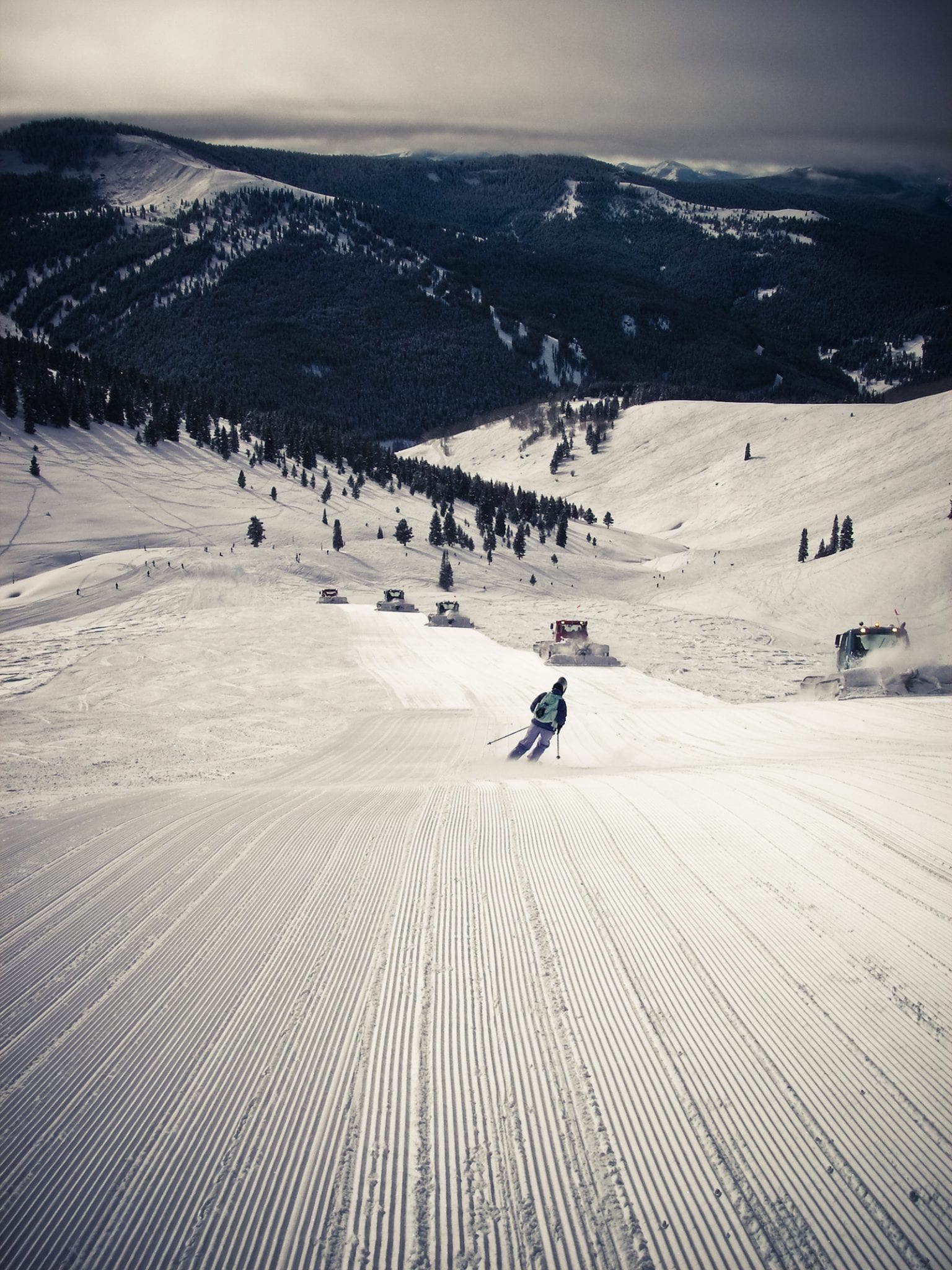
Early Season: The Anticipation Builds (Late October – Mid-December)
The anticipation for ski season often begins long before the first official chairlift spins. As autumn leaves transition to their fiery hues, skiers and snowboarders eagerly monitor weather patterns and resort announcements.
First Snowfall and Resort Openings
Typically, the first significant snowfalls in the higher elevations of Colorado occur in late October or early November. These early storms are crucial for building a base and signaling the imminent opening of ski areas. Resorts like Arapahoe Basin and Loveland Ski Area are often the pioneers, leveraging their high altitudes and northerly aspects to open their doors to eager enthusiasts. Their early openings serve as a benchmark for the rest of the state.
By mid-November, several other major resorts, including those in Breckenridge, Copper Mountain, and Winter Park, usually begin their operations. These early weeks are characterized by a sense of fresh beginnings, often with fewer crowds and the promise of untouched snow. However, conditions can be variable, with natural snow supplemented by snowmaking efforts to ensure consistent skiing.
Characteristics of Early Season Skiing
Skiing during the early season offers a unique experience. The air is crisp, the landscapes are often dusted with pristine snow, and the holiday spirit begins to permeate the mountain towns. While the full extent of terrain may not yet be open, the available runs often provide excellent skiing, particularly for those who prioritize being among the first on the slopes. It’s an ideal time for skiers looking to get their legs under them before the peak season hits.
Peak Season: The Heart of Winter (Mid-December – March)
The period from mid-December through March represents the undisputed heart of the Colorado ski season. This is when the state is most reliably blanketed in deep powder, and the energy across all resorts is palpable.
Holiday Crowds and Prime Conditions
The holiday season, from Christmas and New Year’s through Martin Luther King Jr. Day and Presidents’ Day, sees the highest influx of visitors. While this means more people on the slopes and in the towns, it also signifies the most consistent and abundant snowfall. Resorts like Aspen Snowmass, Vail, Park City (though in Utah, often considered part of the wider Rocky Mountain ski circuit for comparison), and Telluride are in full swing, with nearly all their terrain open and groomed to perfection.
The Elusive Powder Days
Powder days are the holy grail for many skiers and snowboarders, and peak season is when they are most likely to occur. These are days following a significant snowfall, where the mountains are covered in light, fluffy snow, offering an exhilarating off-piste experience. Resorts in Colorado are renowned for their dry, light powder, often referred to as “champagne powder,” which provides exceptional buoyancy and control. Following a major storm, the early morning hours are crucial for accessing the best of this fresh snow before it’s tracked out.
Mid-Winter Variations
Even within peak season, there can be variations. January often brings colder temperatures and sustained snowfall, while February can be a mix of significant snow events and sunny, bluebird days. The latter offer spectacular visibility and the chance to soak in the stunning panoramic views that Colorado is famous for.
Late Season: Spring Skiing and Longer Days (April – Early June)
As winter transitions into spring, the Colorado ski season undergoes a remarkable transformation. While some resorts begin to wind down, others embrace the warmer temperatures and longer daylight hours, offering a distinct and often highly enjoyable experience known as “spring skiing.”
The “Spring Skiing” Phenomenon
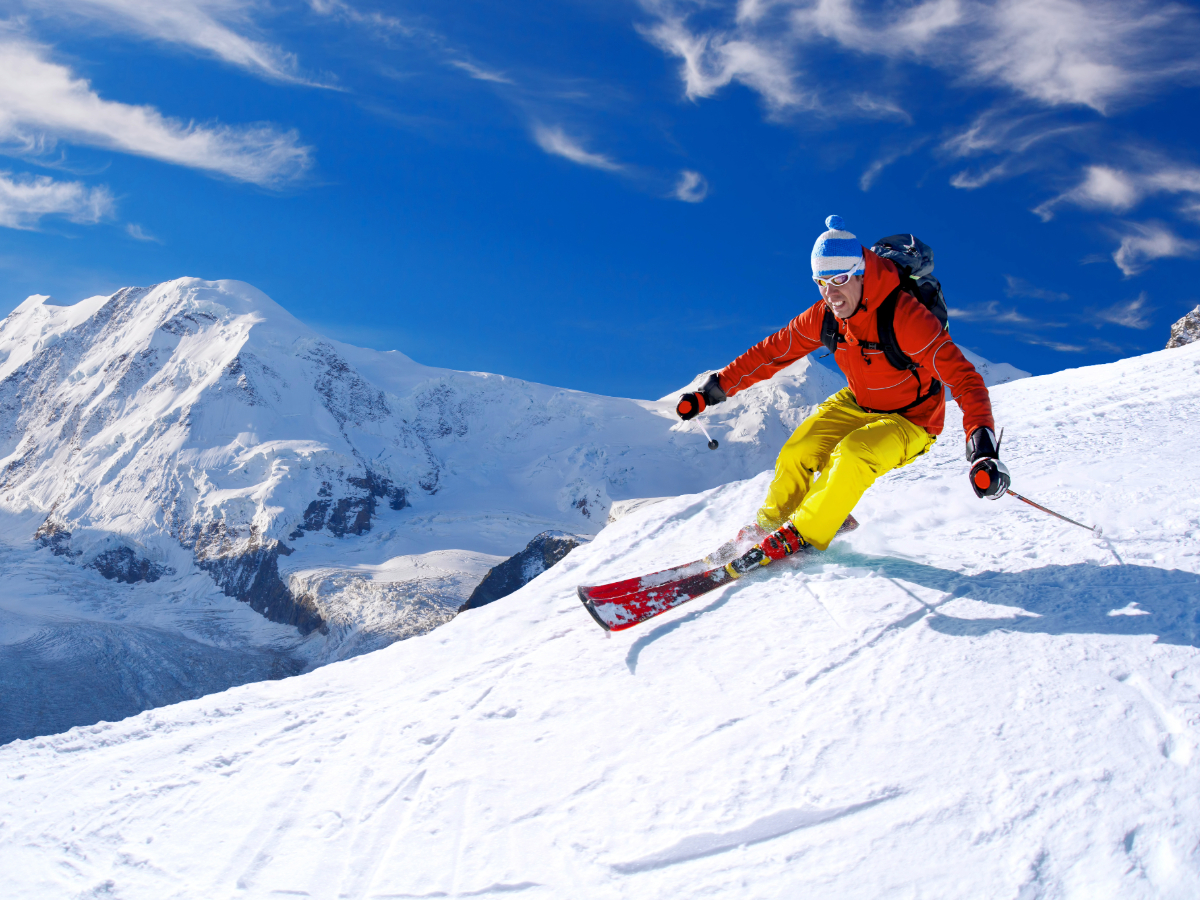
Spring skiing in Colorado is a cherished tradition. The snowpack, having accumulated throughout the winter, is deep and often transforms into a delightful corn snow by the afternoon – a firm, icy base that softens into a creamy, enjoyable skiing surface as the sun warms the slopes. This makes for forgiving and fun conditions, especially on groomed runs.
Which Resorts Stay Open?
Resorts at higher elevations and with extensive snowmaking capabilities tend to extend their seasons the longest. Arapahoe Basin is famously known for its exceptionally long season, often remaining open into early June, sometimes even surpassing other resorts in the Rocky Mountains. Winter Park and Breckenridge also typically offer skiing well into April, with Vail and Aspen Snowmass often extending their operations into the latter half of April.
Benefits of Late-Season Skiing
Late-season skiing offers several advantages. The crowds typically diminish significantly after the mid-February holidays, leading to less crowded slopes and more affordable lodging options. The weather is generally warmer and sunnier, making for more comfortable days on the mountain. Many resorts offer events and festivals during this period, celebrating the end of a successful season with live music, barbecues, and unique competitions. The après-ski scene also takes on a more relaxed, patio-oriented vibe.
Factors Influencing Ski Season Dates
Several key factors contribute to the variability of Colorado’s ski season, making it essential to stay informed as you plan your trip.
Snowfall Patterns and Climate Variability
The most significant determinant of ski season dates is, naturally, snowfall. Colorado’s snowfall patterns are influenced by a complex interplay of weather systems, including the position of the jet stream and the presence of La Niña or El Niño conditions. A strong winter with consistent snowfall can lead to earlier openings and longer seasons, while a drier year might see delayed openings and earlier closures. Climate variability means that year-to-year predictions can be challenging, underscoring the importance of checking specific resort conditions.
Resort Altitude and Aspect
The altitude of a ski resort plays a crucial role in its snow retention and season length. Higher elevation resorts, such as those found in the central and western parts of the state, generally receive more snow and retain it longer due to colder temperatures. The aspect of the slopes also matters; north-facing slopes tend to hold snow better and for longer periods than south-facing slopes, which are more exposed to the sun.
Snowmaking Capabilities
Modern ski resorts invest heavily in snowmaking technology. This allows them to supplement natural snowfall and ensure a consistent skiing surface, particularly during the early and late parts of the season, or during periods of lighter natural snow. Resorts with robust snowmaking operations can often guarantee opening dates and maintain skiable terrain even when natural conditions are less than ideal.
Resort Operations and Management
Beyond the purely meteorological factors, resort management decisions also influence the ski season. Resorts strategically choose opening and closing dates based on expected snow conditions, operational costs, and marketing strategies. They aim to maximize the number of operating days while ensuring a quality guest experience.
Planning Your Colorado Ski Trip
With an understanding of the ski season’s ebb and flow, you can tailor your trip to maximize your enjoyment and meet your specific skiing or snowboarding objectives.
Choosing the Right Time for Your Needs
- For Fresh Powder and Peak Conditions: Aim for January and February. Be prepared for colder temperatures, larger crowds, and potentially higher prices, but the reward is often the most consistent and abundant snowfall.
- For Fewer Crowds and Good Value: Consider the early season (late November to mid-December) or the late season (April). You might encounter more variable conditions, but the experience can be more relaxed and budget-friendly.
- For Spring Skiing and Warmer Weather: Late March and April offer a different kind of magic. Enjoy softer snow, sunny days, and a more laid-back atmosphere, especially at resorts known for their extended seasons like Arapahoe Basin.
Essential Preparations
- Check Resort Websites: Always consult the official websites of your chosen resorts for the most up-to-date information on opening and closing dates, lift status, and snow reports.
- Book Accommodation and Travel in Advance: Especially during peak season, popular resorts like Vail, Aspen, and Breckenridge experience high demand for lodging and transportation.
- Pack Appropriately: Layering is key. Bring thermal base layers, insulating mid-layers, and a waterproof and windproof outer shell. Don’t forget sunscreen, goggles, a helmet, and warm accessories.
- Consider Ski Rentals or Lessons: If you’re new to the sport or traveling light, renting equipment at the resort or in a nearby town is convenient. Booking lessons, especially early in your trip, can greatly enhance your experience.
By carefully considering these factors and planning accordingly, you can ensure your journey to the majestic slopes of Colorado aligns perfectly with the rhythm of its celebrated ski season, promising an unforgettable adventure on the snow.
LifeOutOfTheBox is a participant in the Amazon Services LLC Associates Program, an affiliate advertising program designed to provide a means for sites to earn advertising fees by advertising and linking to Amazon.com. Amazon, the Amazon logo, AmazonSupply, and the AmazonSupply logo are trademarks of Amazon.com, Inc. or its affiliates. As an Amazon Associate we earn affiliate commissions from qualifying purchases.