
Puerto Rico’s relationship with the United States is complex, and one of the most frequent questions travelers and potential residents have revolves around taxation. Specifically, the inquiry “Does Puerto Rico pay federal taxes to the USA?” touches upon a nuanced legal and financial status that significantly impacts the island’s economy and its residents. Understanding this distinction is crucial for anyone considering a visit, investment, or relocation to this beautiful Caribbean destination. While not a state, Puerto Rico is a U.S. territory, and this classification dictates its federal tax obligations.
The Tax Landscape for U.S. Territories
The United States possesses several unincorporated territories, including Puerto Rico, Guam, the U.S. Virgin Islands, and American Samoa. Each of these territories operates under a distinct legal framework, and their tax relationship with the federal government is not uniform. For Puerto Rico, the general rule is that individuals and businesses residing there are exempt from paying federal income tax on income sourced within the island. This is a cornerstone of Puerto Rico’s economic development strategy, designed to attract investment and foster local employment.
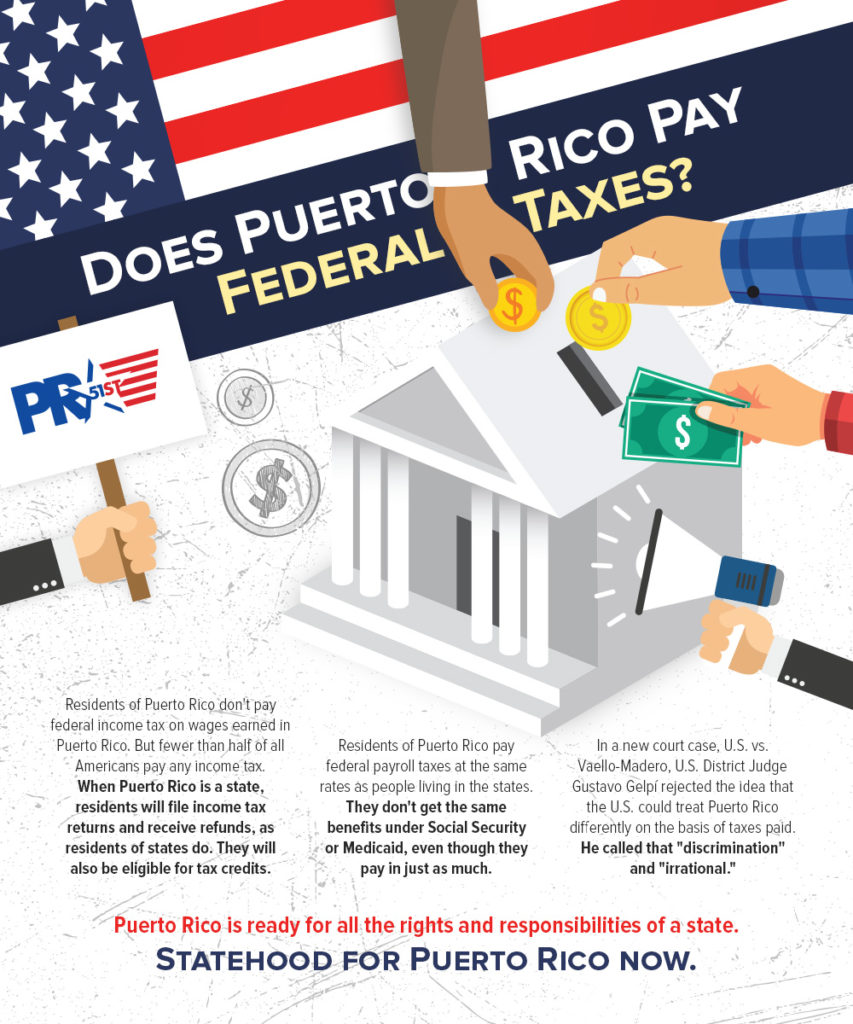
Federal Income Tax Exemption
The primary distinction lies in federal income taxes. U.S. citizens residing in Puerto Rico generally do not pay federal income tax on income derived from Puerto Rico. This exemption is rooted in the Internal Revenue Code, which distinguishes between U.S. citizens residing in the states and those residing in U.S. territories. The rationale behind this policy is multifaceted. It aims to encourage economic growth by making the island a more attractive place for businesses to operate and for individuals to earn a living. Furthermore, it serves as a historical legacy, stemming from the island’s status as an unincorporated territory since the Spanish-American War.
However, this exemption is not absolute and comes with certain conditions and exceptions. For instance, income earned from sources outside of Puerto Rico is generally subject to U.S. federal income tax. This means that if a resident of Puerto Rico earns income from a business located in the United States or from investments held in U.S. financial institutions, that income may be taxable. Similarly, certain U.S. federal taxes, such as Social Security and Medicare taxes, are generally applicable to residents of Puerto Rico, although the rates and contributions may differ in some aspects compared to the mainland.
Other Federal Taxes
While federal income tax on island-sourced income is a significant area of exemption, it’s important to note that Puerto Rico is not entirely free from all federal tax obligations. U.S. citizens residing in Puerto Rico are still subject to U.S. federal payroll taxes, including Social Security and Medicare taxes, on wages earned. These taxes fund vital social programs and healthcare services for Americans nationwide, including those in Puerto Rico. Employers and employees in Puerto Rico contribute to these systems similarly to their counterparts on the mainland.
Furthermore, various excise taxes imposed by the federal government may apply. These can include taxes on manufactured goods, fuel, and other products. The collection and remittance of these taxes can vary depending on the specific tax and the nature of the transaction. It is crucial for businesses operating in or dealing with Puerto Rico to understand which federal excise taxes are applicable to their operations.
The Impact on Travel and Tourism
For the typical traveler visiting Puerto Rico, the tax implications are generally straightforward and do not directly impact their vacation expenses in the way one might assume. U.S. citizens traveling to Puerto Rico do not need to pay U.S. federal income tax on the money they spend during their vacation. The island operates with its own local tax system, which includes sales taxes that visitors will encounter. These local taxes are standard for tourism-dependent economies and contribute to the island’s infrastructure and services.
When booking accommodation in Puerto Rico, such as at the luxurious Dorado Beach, a Ritz-Carlton Reserve or a charming boutique hotel in Old San Juan, travelers will be subject to local room occupancy taxes and sales taxes, similar to what they would find in many other popular tourist destinations. These taxes are levied by the Puerto Rican government to fund local services and tourism promotion.
Local Taxation in Puerto Rico
Puerto Rico has its own distinct tax system, separate from the U.S. federal government’s. This system includes a territorial income tax for individuals and corporations that are considered residents or domiciled in Puerto Rico. The rates and regulations of this territorial income tax are determined by the Puerto Rican legislature. This local tax structure is a key component of the island’s governance and its ability to generate revenue for public services.

Sales tax, known locally as the Impuesto sobre Ventas y Uso (IVU), is a significant source of revenue for the Puerto Rican government. This tax is applied to the sale of most tangible goods and services and is paid by consumers at the point of purchase. The rates can vary, and understanding these local sales taxes is important for budgeting during a visit.
Investment and Business Implications
The tax status of Puerto Rico has profound implications for businesses and investors looking to establish or expand operations on the island. The exemption from federal income tax on island-sourced income, coupled with the Puerto Rico government’s own tax incentives, has historically made the island an attractive location for manufacturing, pharmaceuticals, and other industries.
Act 60 and Economic Incentives
Historically, Puerto Rico has utilized various tax incentive programs to spur economic development. The most prominent of these in recent years is Act 60, which consolidated previous incentive laws. This act offers significant tax benefits for businesses and individuals who relocate to or invest in Puerto Rico. These benefits can include drastically reduced corporate income tax rates, exemption from capital gains tax, and reduced property taxes, provided certain conditions are met, such as a minimum level of economic activity or job creation on the island.
For instance, under Act 60, a company operating in Puerto Rico might pay a reduced corporate income tax rate of as low as 4% on qualifying income. Individual residents who qualify for the bona fide resident status and meet specific requirements can also benefit from reduced tax rates on certain income types. This makes Puerto Rico a compelling destination for entrepreneurs, remote workers, and companies seeking to optimize their tax liabilities while engaging with the vibrant Puerto Rican market.
U.S. Customs Duties and Tariffs
Another area of consideration, particularly for businesses involved in importing and exporting, is the application of U.S. customs duties and tariffs. As a U.S. territory, goods shipped between the mainland United States and Puerto Rico are generally treated as domestic shipments, meaning they are not subject to customs duties or tariffs. This facilitates trade and reduces costs for businesses operating within the U.S. economic sphere. However, goods imported from foreign countries into Puerto Rico are subject to U.S. customs laws and tariffs, the same as if they were imported into the United States mainland.
Navigating the Tax Status for Residents
For U.S. citizens who choose to become bona fide residents of Puerto Rico, the tax rules require careful attention. While they are generally exempt from federal income tax on their Puerto Rican-sourced income, they must meet specific criteria to establish bona fide residency. These criteria typically include spending a substantial amount of time in Puerto Rico, having a closer connection to the island than to any other place, and not having a “tax home” on the United States mainland.
Bona Fide Residency Requirements
The U.S. Internal Revenue Service (IRS) has specific guidelines for determining bona fide residency. These involve factors such as where an individual maintains a home, where their family resides, where they are registered to vote, and where they hold a driver’s license. Simply spending time in Puerto Rico does not automatically grant bona fide resident status for tax purposes. It requires a genuine commitment to living on the island and severing ties with previous residences on the mainland.
If an individual is deemed a bona fide resident of Puerto Rico, they must still file a U.S. federal tax return if they have income from non-Puerto Rican sources or if they are subject to certain U.S. taxes, such as self-employment taxes or taxes on income from U.S. possessions. The interplay between territorial and federal tax laws can be intricate, and consulting with a tax professional specializing in Puerto Rican and U.S. tax law is highly recommended for individuals in this situation.

Social Security and Medicare Contributions
As previously mentioned, Social Security and Medicare taxes are generally applicable to residents of Puerto Rico, just as they are to residents of the United States. These contributions fund the Social Security retirement, disability, and survivor benefits, as well as the Medicare health insurance program. The rates of contribution are typically the same as those on the mainland, with both employers and employees contributing a percentage of wages up to certain limits. This ensures that Puerto Rican residents have access to these vital federal social insurance programs.
In conclusion, the question of whether Puerto Rico pays federal taxes to the United States is not a simple yes or no. For federal income tax on income sourced within the island, the answer is generally no, a critical aspect of its economic model. However, other federal taxes, such as Social Security and Medicare, do apply. This unique tax status, combined with local incentives, shapes the island’s economic landscape, making it an intriguing destination for travelers, businesses, and those seeking a different lifestyle within the U.S. sphere. Understanding these nuances is key to appreciating the island’s economic realities and its place within the broader U.S. territory system.
LifeOutOfTheBox is a participant in the Amazon Services LLC Associates Program, an affiliate advertising program designed to provide a means for sites to earn advertising fees by advertising and linking to Amazon.com. Amazon, the Amazon logo, AmazonSupply, and the AmazonSupply logo are trademarks of Amazon.com, Inc. or its affiliates. As an Amazon Associate we earn affiliate commissions from qualifying purchases.