
The Rocky Mountain State, a vast expanse of dramatic peaks, alpine meadows, and dense coniferous forests, offers a spectacular backdrop for wildlife observation. Among its most iconic inhabitants are the majestic elk, and their annual rut is a phenomenon that draws nature enthusiasts from across the globe. Witnessing this primal display of power and courtship is a quintessential Colorado experience, blending the thrill of wildlife encounters with the breathtaking beauty of the state’s natural landscapes. Understanding the timing of the elk rut is crucial for anyone hoping to witness this unforgettable spectacle, as it dictates the best times and locations for observation.
Understanding The Elk Rut: A Natural Spectacle
The elk rut, also known as the breeding season, is a period of intense activity for the North American elk (Cervus canadensis). During this time, bull elk become highly vocal and aggressive as they compete for the attention of cows. The air fills with their distinctive bugles, a sound that is both haunting and exhilarating, echoing through the valleys and ridges. This auditory display is often accompanied by visual contests, where bulls engage in sparring matches, locking antlers in a test of strength and dominance. The rut is a vital biological process, ensuring the continuation of the species, and observing it in its natural habitat is an unparalleled opportunity to connect with the wild heart of Colorado.
The Science Behind The Rut
The elk rut is primarily triggered by hormonal changes in the bulls, influenced by decreasing daylight hours and the approaching autumn season. As testosterone levels surge, bulls experience a heightened sense of territoriality and a strong drive to mate. They begin to shed their velvet from their antlers, revealing the hard, polished weapons they will use to defend their harems and challenge rivals. The cows, too, play a crucial role, entering estrus and signaling their readiness to mate. The synchronized timing of these biological cues ensures that the elk population has the best chance of successful reproduction before the harsh conditions of winter set in.
Vocalizations: The Symphony of the Rut
The most iconic sound of the elk rut is the bull’s bugle. This complex vocalization serves multiple purposes: attracting cows, warning off other bulls, and asserting dominance. The bugle is often followed by a series of grunts, clicks, and churrs, creating a unique and captivating soundscape. Understanding these vocalizations can enhance the viewing experience, allowing observers to anticipate the movements and interactions of the elk. The intensity and frequency of bugling typically peak in early to mid-September, providing a clear auditory indicator of the rut’s height.
Timing Is Everything: When To Visit Colorado for the Rut
Pinpointing the exact dates of the elk rut can vary slightly each year due to factors like weather patterns and individual animal cycles. However, a general timeframe exists, allowing for strategic planning of your visit. The rut is not a singular event but a progression, with different phases offering distinct viewing opportunities.
The Peak Season: Early September to Early October
The most intense period of the elk rut in Colorado generally spans from the first week of September through the first two weeks of October. During this window, bulls are actively seeking out and defending their harems of cows, leading to the most dramatic displays of bugling and sparring. Early September often sees the bulls beginning to gather their harems, while late September and early October represent the peak of mating activity and inter-bull rivalries. This is undeniably the prime time for photographers, naturalists, and anyone seeking to witness the rut in its full glory.
Early Signs: Late August
While the full intensity of the rut might not yet be apparent, late August can offer early glimpses of the changing behavior. Bulls may begin to shed their velvet and test their antlers. You might hear the first tentative bugles as they start to establish their dominance and gather cows. This period can be a good option for those looking to avoid the larger crowds that descend during the peak weeks.
The Waning Days: Mid to Late October
As October progresses, the intensity of the rut begins to wane. Mating activity tapers off, and bulls become less aggressive. However, you can still observe elk, and the rutting behavior might linger in pockets, especially in areas with younger bulls or late-estrus cows. The landscape also begins to transform with fall colors, adding another layer of beauty to the experience.
Prime Locations for Elk Rut Viewing in Colorado
Colorado boasts several renowned locations where elk populations are high and the terrain is conducive to rut activity and viewing. These areas are often characterized by open meadows, forest edges, and accessible vantage points.
Rocky Mountain National Park
Perhaps the most iconic destination for elk viewing in Colorado, Rocky Mountain National Park offers unparalleled opportunities to witness the rut.
Moraine Park and Horseshoe Park
These large, scenic meadows within the park are historically prime gathering spots for elk during the rut. Bulls will often assemble harems here, and their bugles can be heard echoing across the valleys. Dawn and dusk are particularly active times. Be prepared for crowds, especially on weekends, and always maintain a safe distance from wildlife. The Stanley Hotel in nearby Estes Park offers a historic lodging option.
Trail Ridge Road
While primarily a scenic drive, sections of Trail Ridge Road offer opportunities for spotting elk in higher elevations. As the rut progresses, you might see bulls moving through the subalpine meadows. Always check road status, as it can close due to weather in the fall.
Grand Mesa National Forest
The world’s largest flat-topped mountain, Grand Mesa National Forest, provides extensive habitat for elk. The numerous meadows and aspen groves are ideal for their rutting activities.
Mesa Lakes and Perched Lakes Area
This area within Grand Mesa is known for its high elk concentrations. Driving the scenic byways and stopping at pull-offs can yield excellent viewing opportunities. The fall colors here are also spectacular during the rutting season, adding to the visual appeal.
Gunnison National Forest and Crested Butte Area
The Gunnison National Forest, particularly around the charming town of Crested Butte, is another excellent location for experiencing the elk rut.
Ohio Creek Road and Slate River Road

These areas are known for their significant elk herds. Driving these scenic rural roads, especially in the early morning and late evening, can lead to encounters with rutting bulls. The dramatic mountain scenery surrounding Crested Butte provides a stunning backdrop for wildlife photography. Consider a stay at a local inn or a vacation rental in Crested Butte for an immersive experience.
San Juan National Forest
Southern Colorado also offers fantastic elk viewing, with the San Juan National Forest being a prime example.
The areas surrounding Durango and Silverton
Elk can be found in the high mountain meadows and along forest service roads in these regions. While perhaps less concentrated than in some northern areas, the rugged beauty of the San Juans makes any wildlife sighting particularly rewarding.
Planning Your Elk Rut Adventure: Essential Tips
To maximize your chances of a successful and enjoyable elk rut viewing experience, careful planning is essential. This includes understanding how to observe wildlife safely and responsibly, as well as preparing for the changing mountain weather.
Safety and Ethics: Respecting Wildlife
The elk rut is a powerful natural event, and it’s crucial to remember that these are wild animals.
Maintain a Safe Distance
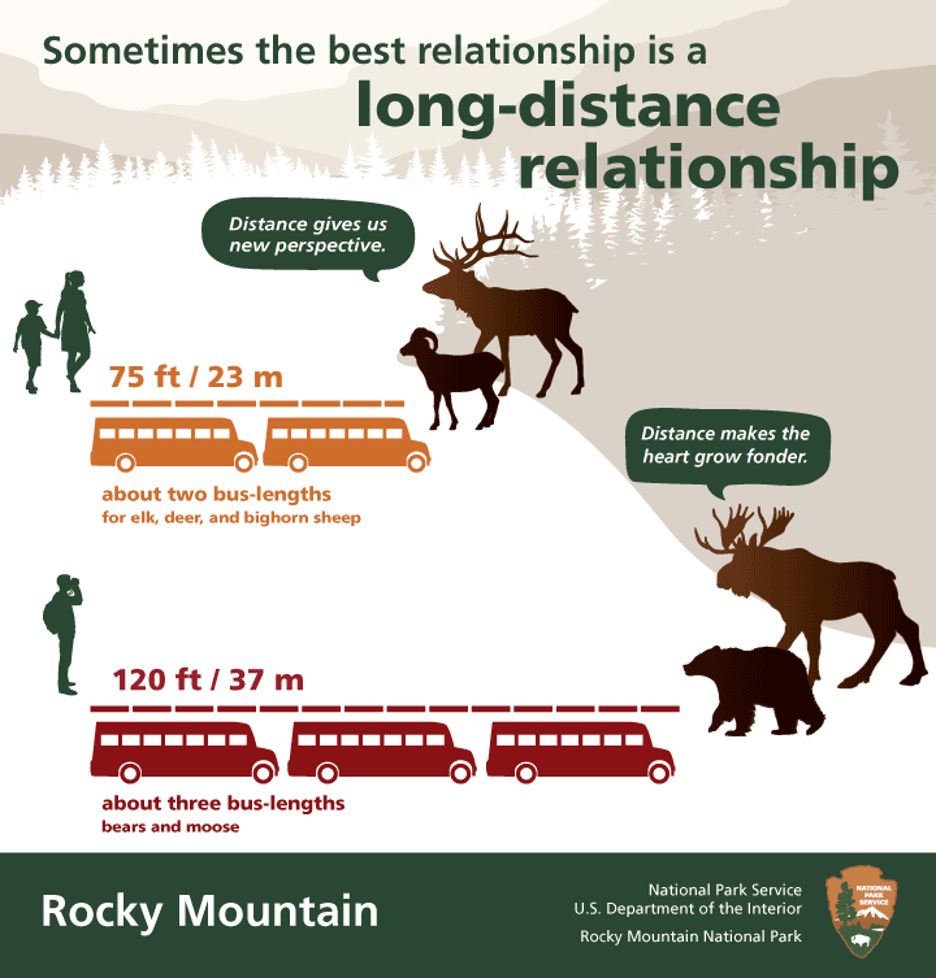
Always observe elk from a distance that does not disturb them. Bulls, in particular, can be unpredictable and aggressive during the rut. Never approach an elk, even if it appears calm. Use binoculars or a spotting scope for closer views. The recommended safe distance is typically at least 75 feet for elk.
Never Feed Wildlife
Feeding elk can habituate them to humans, leading to dangerous interactions and health problems for the animals. It is also illegal in many areas, including national parks.
Stay on Designated Trails and Roads
Venture off-trail can disturb wildlife and damage sensitive vegetation. Adhering to marked paths ensures your safety and helps preserve the natural environment.
Be Aware of Your Surroundings
Always be mindful of the presence of bulls, especially when they are engaged in rutting behavior. They may be focused on their competition and less aware of their surroundings, or they could perceive you as a threat.
What to Pack and Wear
Mountain weather can be highly variable, even within a single day. Being prepared is key to comfort and safety.
Layering is Key
Pack lightweight, breathable layers that can be added or removed as temperatures fluctuate. Include a moisture-wicking base layer, an insulating mid-layer (like fleece or down), and a waterproof and windproof outer shell.
Footwear
Sturdy, broken-in hiking boots with good ankle support are essential for navigating uneven terrain. Bring extra socks to keep your feet dry.
Optics
Binoculars are a must for spotting elk and observing their behavior from a safe distance. A spotting scope can be beneficial for longer-range viewing.
Other Essentials
Don’t forget sunscreen, a hat, sunglasses, insect repellent, a first-aid kit, plenty of water, and high-energy snacks. A camera with a telephoto lens will be invaluable for capturing the spectacle.
Accommodation and Travel Considerations
Booking your accommodation and making travel arrangements in advance is highly recommended, especially if you plan to visit during the peak rut season. Popular areas can experience high demand. Consider staying in towns like Estes Park, Grand Junction, or Crested Butte, which offer a range of lodging options from hotels and motels to cabins and vacation rentals. Some visitors opt for camping within or near national forests, which offers a more immersive nature experience. Remember to check the operating status of scenic drives and visitor centers as the fall season progresses.
Additional Viewing Opportunities
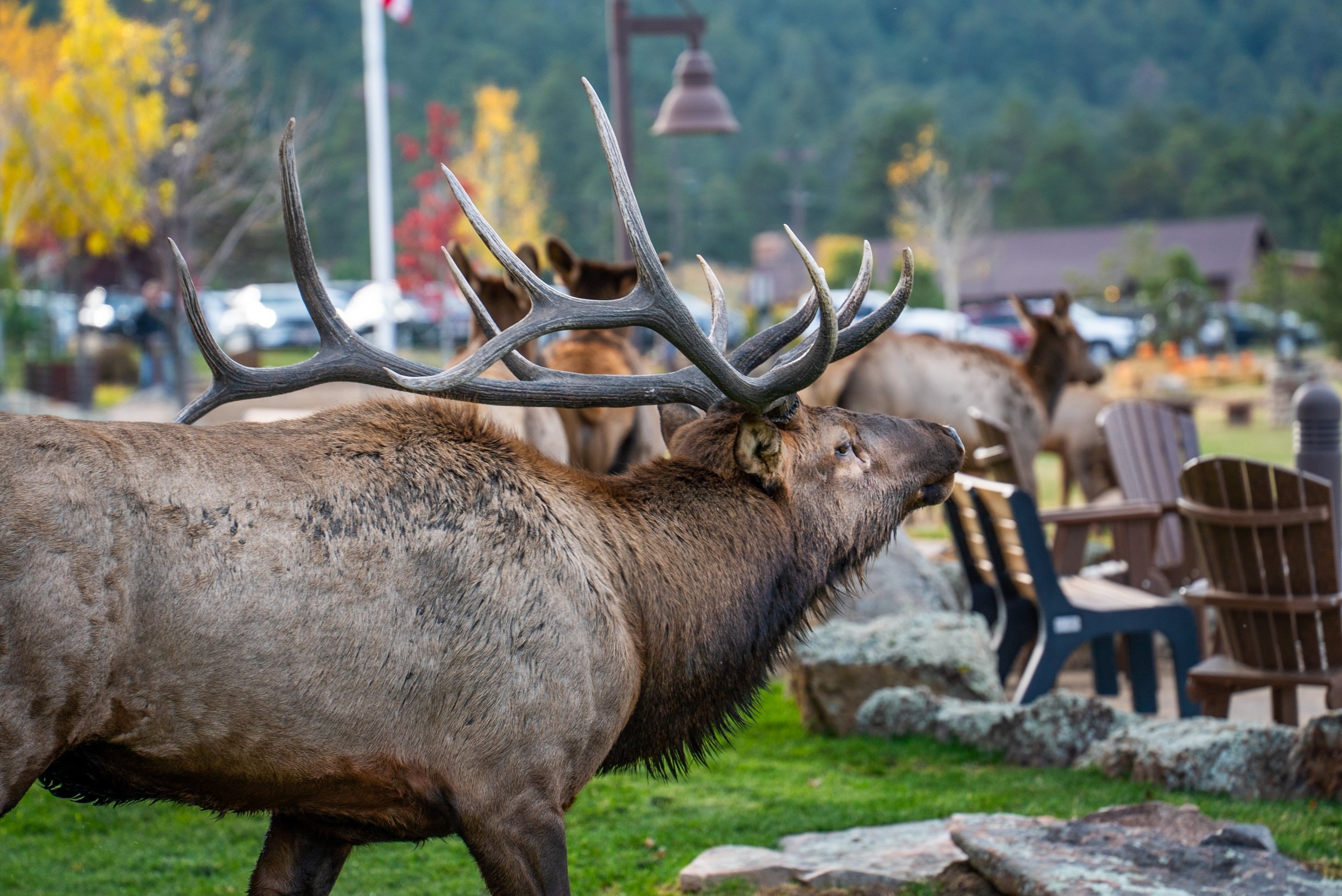
Beyond the dedicated rut-viewing locations, keep an eye out for elk in many of Colorado’s mountain towns and rural areas. They are often seen grazing in meadows, along roadsides, and even in the outskirts of developed areas, particularly during the early morning and late evening hours. While these encounters may be less dramatic than witnessing a full-blown rutting contest, they still offer a chance to appreciate these magnificent animals in their natural environment. Always drive cautiously and be prepared to stop for any wildlife crossing the road. Your visit to Colorado during the elk rut promises an unforgettable journey into the wild heart of the American West.
LifeOutOfTheBox is a participant in the Amazon Services LLC Associates Program, an affiliate advertising program designed to provide a means for sites to earn advertising fees by advertising and linking to Amazon.com. Amazon, the Amazon logo, AmazonSupply, and the AmazonSupply logo are trademarks of Amazon.com, Inc. or its affiliates. As an Amazon Associate we earn affiliate commissions from qualifying purchases.