
For anyone establishing a long-term residency, investing in a vacation home, or managing a rental property in Arizona, understanding and locating your property deed is a fundamental step. This crucial document serves as the official proof of ownership, granting you the rights and responsibilities associated with your accommodation. While the process might seem daunting at first glance, navigating the public records system in Arizona is a straightforward task when you know where to look. This guide will walk you through the essential steps to find your deed, ensuring you have complete control and understanding of your Arizona property.
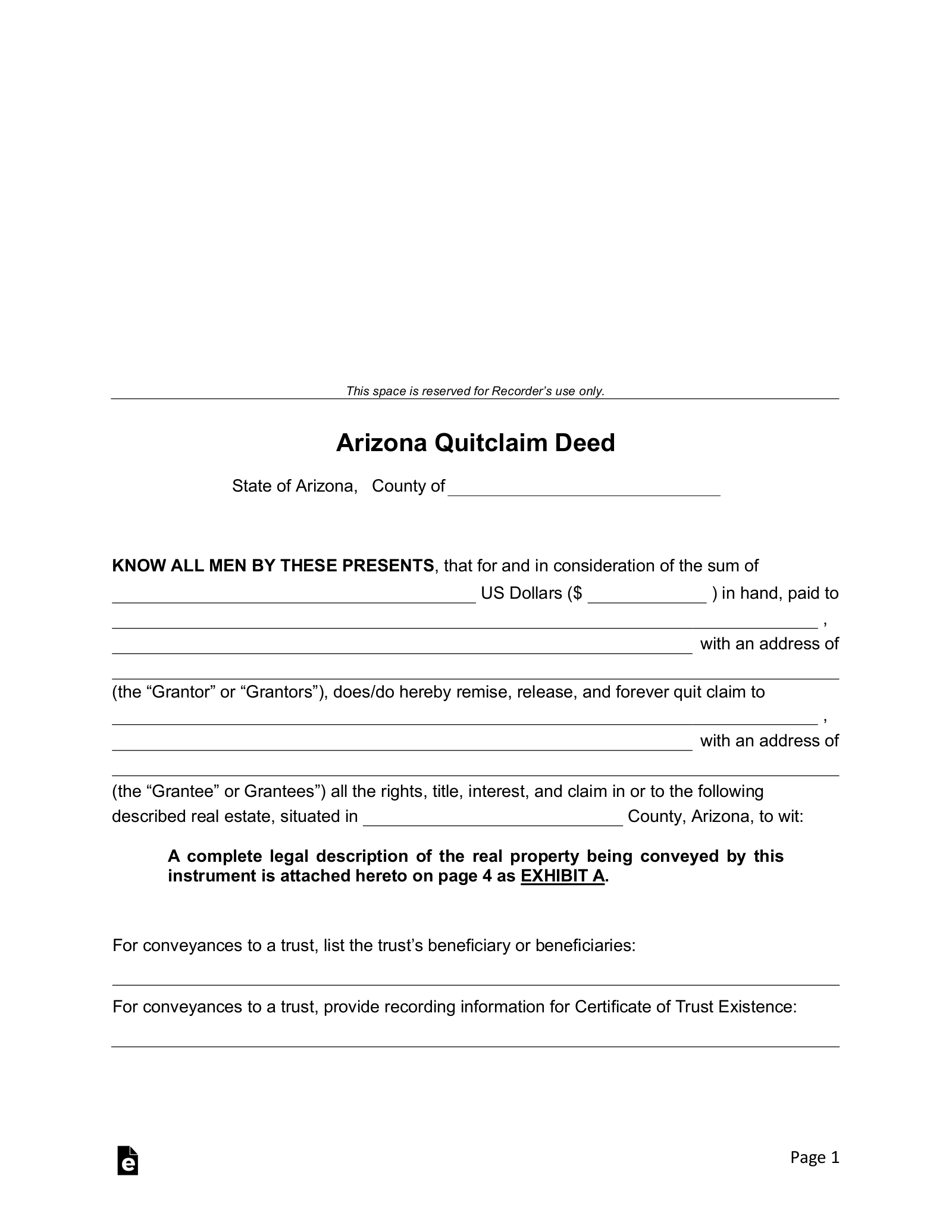
Understanding Your Property Deed: A Foundation for Accommodation
A property deed is more than just a piece of paper; it’s the legal instrument that transfers ownership of real estate from one party to another. For those who consider Arizona their home, whether seasonal or permanent, or operate an accommodation business, this document is the cornerstone of their property rights.
What Exactly Is a Property Deed?
At its core, a property deed is a written legal document that outlines the transfer of property title from the grantor (the previous owner) to the grantee (the new owner). It contains a detailed legal description of the property, the names of the parties involved, and language indicating the intent to transfer ownership. Different types of deeds exist, such as warranty deeds (offering the most protection to the buyer) and quitclaim deeds (transferring only the grantor’s interest, if any, with no guarantees). Regardless of the type, its primary function is to serve as tangible evidence of who legally owns the land and any structures upon it. This ownership is paramount for ensuring secure and stable accommodation, whether for personal use or for generating income through rental properties.
Why Is Your Deed So Important for Arizona Accommodation?
The importance of your property deed extends far beyond simple curiosity. For residents and property managers in Arizona, possessing and understanding this document is vital for several reasons:
- Proof of Ownership: The most obvious reason is to establish undeniable proof of your right to occupy, use, and manage the property. This is crucial for verifying your eligibility for homeowner’s insurance, securing loans, or resolving boundary disputes.
- Legal Standing: In any legal scenario involving your property, your deed will be the primary evidence of your legal standing. This includes cases related to property taxes, eminent domain, or disputes with neighbors.
- Estate Planning: For long-term accommodation planning, the deed is central to estate planning. It dictates how the property will be transferred upon your passing, ensuring your wishes for your Arizona residence or investment property are honored.
- Selling or Refinancing: When it comes time to sell your Arizona home or refinance your mortgage, lenders and title companies will require a copy of the recorded deed to confirm ownership and clear any outstanding liens.
- Property Management and Development: If you own a property for rental income or plan any significant renovations, your deed confirms your right to undertake these activities and secure necessary permits. It underpins the entire framework of offering accommodation to others.
The Primary Routes to Locating Your Deed
While the original deed is often provided to the new owner at closing, it is also publicly recorded to establish a clear chain of ownership. This dual existence means there are several reliable avenues for you to locate your Arizona property deed.
Checking Your Personal Records
The first and easiest place to check is your own personal files. When you purchased your Arizona property, you should have received a copy of the deed, usually along with other closing documents. This might be in a physical folder, a safe deposit box, or digital files from your real estate attorney or title company. Look for documents related to your property purchase, typically labeled “Grant Deed,” “Warranty Deed,” or simply “Deed.” It’s a good practice to keep such vital documents organized and readily accessible for future reference, especially for long-term accommodation planning.
Accessing Public Records Through the County Recorder
If your personal records do not yield the deed, or if you need an official certified copy, the most reliable source is the County Recorder‘s office in the county where the property is located. In Arizona, all real estate transactions, including deeds, are recorded and maintained as public records. This means anyone can request a copy of a deed for any property within that county. This system ensures transparency and provides a secure, permanent record of ownership, which is invaluable for buyers, sellers, and those providing accommodation services.
Engaging Professional Assistance
For those who prefer to delegate or are facing complex circumstances, professional assistance is an option.
- Title Companies: The title company that handled your original closing will have a copy of the recorded deed on file. They can often provide you with a copy, though there might be a fee for this service.
- Real Estate Attorneys: An Arizona real estate attorney can assist you in obtaining your deed and provide legal advice on its contents and implications for your accommodation. This is particularly useful if you suspect discrepancies or need legal interpretation.
- Escrow Agents: Similarly, the escrow agent from your property purchase may also retain a copy of the deed and can guide you through the retrieval process.
These professionals are well-versed in Arizona real estate law and can streamline the process, ensuring you receive the correct and legally valid document for your accommodation needs.
A Step-by-Step Guide to the Arizona County Recorder’s Office
The County Recorder’s office is your definitive resource for finding your property deed in Arizona. Here’s how to navigate their services.
Identifying Your County

The first crucial step is to identify the specific Arizona county in which your property is located. Property records are managed at the county level, so knowing this will direct you to the correct office. For example, if your property is in Phoenix, you would contact the Maricopa County Recorder. If it’s in Tucson, you’d need the Pima County Recorder.
Online Search Portals
Most Arizona counties have robust online portals where you can search for recorded documents, including deeds. These portals are often accessible directly through the County Recorder’s official website.
- Navigate to the Official Website: Begin by searching online for “[County Name] Arizona County Recorder” (e.g., “Maricopa County Arizona County Recorder”).
- Locate the Document Search: Look for a section labeled “Document Search,” “Public Records Search,” or “Recorded Documents.”
- Enter Search Criteria: You will typically need to enter specific information to find your deed. The most effective search criteria include:
- Grantor/Grantee Name: The names of the buyer (grantee) and seller (grantor) at the time of purchase.
- Recording Date: The date the deed was recorded. If you know the approximate year of your property purchase, this can narrow the search.
- Document Number/Book and Page Number: If you have this information from previous property documents, it offers the fastest way to locate the exact deed.
- Property Address or Assessor’s Parcel Number (APN): Some county portals allow searching by property address or APN, which is a unique identifier for your property.
Once you find your deed, most online portals allow you to view a digital image of the document. You can often download a non-certified copy for free or a nominal fee. For official purposes, a certified copy (which bears the county seal) is usually required.
In-Person Visits and Mail Requests
If an online search is not fruitful, or if you prefer a personal touch, visiting the County Recorder’s office in person is another option. Staff members can guide you through their public access terminals and assist with your search. Be sure to bring any identifying information you have about the property.
Alternatively, you can submit a mail request. Most County Recorder offices have forms on their websites for requesting copies of recorded documents. You’ll typically need to provide the property address, the names of the parties involved, and a check or money order for the copy fees.
Essential Information for Your Search
To expedite your deed search, have the following information readily available:
- Exact Property Address: Including street number, street name, city, and zip code.
- Names of the Property Owners: As they appear on the deed (e.g., your name, or the names of previous owners if you’re searching for an older deed).
- Approximate Date of Purchase: Even the year can significantly narrow down the search parameters.
- Assessor’s Parcel Number (APN): This number can often be found on your property tax statements.
Beyond Retrieval: Understanding and Utilizing Your Deed
Finding your deed is just the first step. Understanding its contents and knowing when and how to use it are equally important for managing your Arizona accommodation effectively.
Interpreting Deed Information
Once you have a copy of your deed, take the time to review its contents. Key elements to look for include:
- Grantor and Grantee Information: Confirm that the names are correct.
- Legal Description: This detailed description accurately defines the boundaries and location of your property. It’s critical for knowing precisely what you own and is distinct from a mere street address.
- Recording Information: This includes the date the deed was recorded and often a book and page number or document number, which is how the deed is cataloged in public records.
- Consideration: The amount paid for the property, though sometimes stated as “for ten dollars and other valuable consideration.”
- Signatures: The grantor’s signature, often notarized, indicating their consent to the transfer.
Understanding these elements ensures you grasp the full legal scope of your ownership for your Arizona accommodation.
When You Might Need Your Deed
Your deed isn’t just a document to file away; it’s a living record that you might need to access for various reasons related to your Arizona property:
- Selling Your Property: Essential for proving clear title to potential buyers.
- Refinancing Your Mortgage: Lenders will require it to verify ownership.
- Home Equity Loans: To secure financing against your property’s value.
- Resolving Property Line Disputes: The legal description on your deed is the definitive authority.
- Inheritance and Estate Planning: To clearly define property ownership for heirs.
- Applying for Permits: Many building or renovation permits require proof of ownership.
- Insurance Claims: Particularly after a major event, to confirm your interest in the property.
For those running accommodation businesses in Arizona, such as short-term rentals, the deed is fundamental for business licensing, insurance, and ensuring compliance with local ordinances.

Ensuring Your Deed’s Security
Once you’ve retrieved your deed, it’s prudent to take steps to secure it. Keep the original certified copy in a safe place, such as a fireproof safe at home or a safe deposit box. It’s also wise to have digital copies backed up securely. While the recorded copy at the County Recorder’s office will always serve as the official record, having your own accessible copies provides peace of mind and expedites processes when you need to reference the document quickly. Protecting this vital document protects your investment and ensures the long-term security of your accommodation in Arizona.
LifeOutOfTheBox is a participant in the Amazon Services LLC Associates Program, an affiliate advertising program designed to provide a means for sites to earn advertising fees by advertising and linking to Amazon.com. Amazon, the Amazon logo, AmazonSupply, and the AmazonSupply logo are trademarks of Amazon.com, Inc. or its affiliates. As an Amazon Associate we earn affiliate commissions from qualifying purchases.