
Navigating the complexities of tax season can often feel like an expedition through uncharted territory. For residents of the Centennial State, the question, “Where Is My Colorado Tax Return?” is a common one, especially as deadlines loom and the desire for a refund, or simply the completion of a civic duty, intensifies. Understanding the process for tracking your Colorado tax return is crucial for peace of mind and timely financial management. This guide aims to demystify the journey of your tax return from the moment it’s filed to its final processing by the Colorado Department of Revenue.

Understanding the Colorado Tax Filing Process
The Colorado Department of Revenue handles all state income tax returns. Whether you file electronically or by mail, your return enters a system designed for efficient processing, although delays can occur.
Electronic Filing vs. Mail Filing
The speed at which your return is processed often hinges on your chosen filing method.
- Electronic Filing (e-filing): This is the fastest and most recommended method. When you e-file your return, the information is transmitted directly to the Colorado Department of Revenue and often goes through an initial validation process almost immediately. This significantly reduces the chance of manual data entry errors and speeds up the overall processing timeline. Refunds for e-filed returns are typically issued much faster than those filed by mail.
- Mail Filing: Filing by mail, while still a valid option, inherently introduces delays. Paper documents must be physically received, sorted, scanned, and manually entered into the system. This process is more labor-intensive and susceptible to backlog during peak filing periods. If you mail your return, especially close to the deadline, expect a longer processing time. It’s advisable to send tax documents via certified mail with return receipt requested to ensure proof of delivery.
Key Information for Tracking
To effectively track your Colorado tax return, you will need specific pieces of information.
- Social Security Number (SSN): Your primary identifier for tax purposes.
- Filing Status: This includes options like Single, Married Filing Jointly, Married Filing Separately, Head of Household, or Qualifying Widow(er).
- Exact Amount of Refund or Tax Due: This figure, as reported on your tax return, is a critical validation point.
- Prior Year’s Adjusted Gross Income (AGI) or Taxable Income: This is often used as a security measure to verify your identity when accessing online services.
How to Track Your Colorado Tax Return
The Colorado Department of Revenue provides specific tools and avenues for taxpayers to monitor the status of their returns.
The Official “Where’s My Refund?” Tool
The most direct way to check the status of your Colorado state tax refund is through the official “Where’s My Refund?” service provided by the Colorado Department of Revenue.
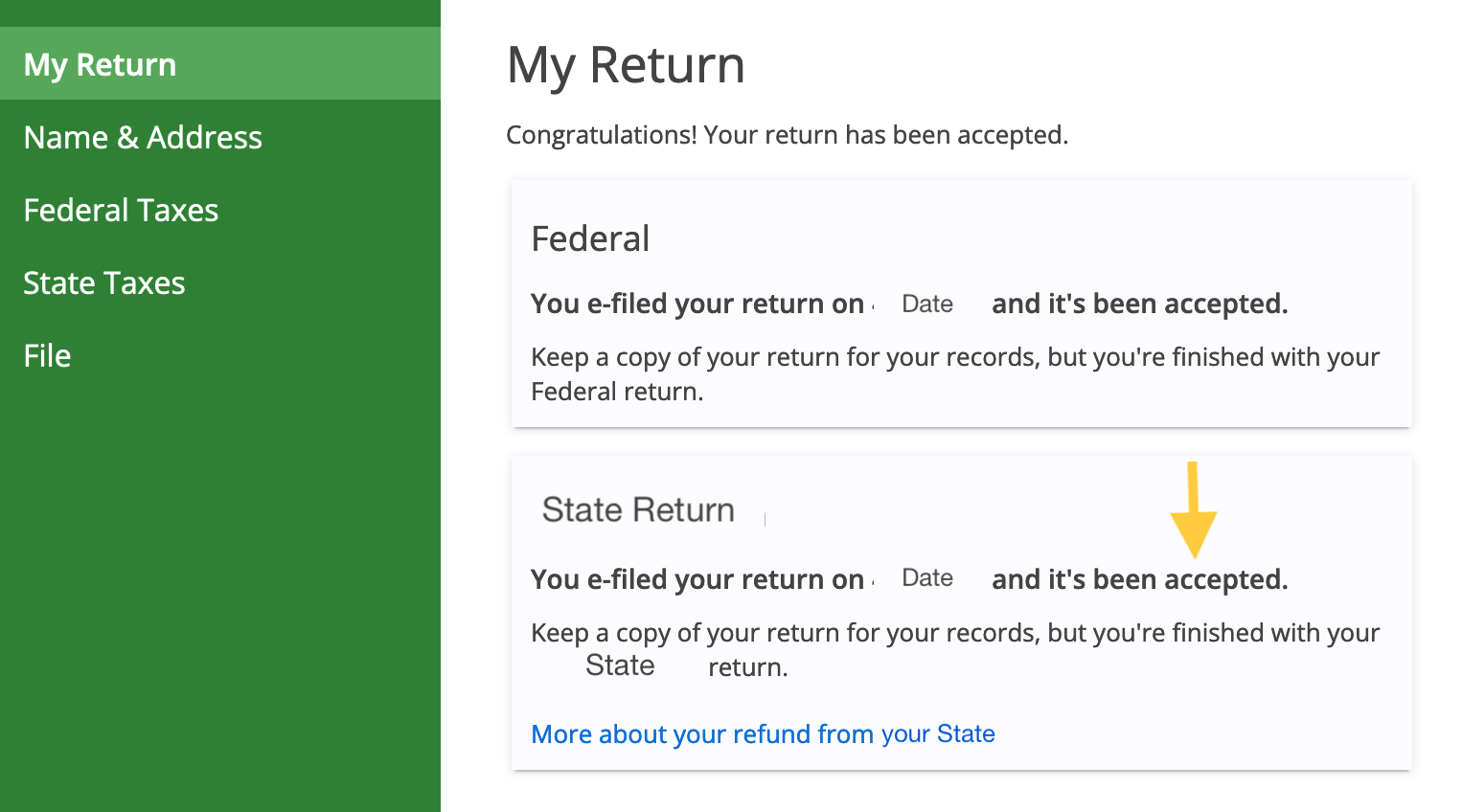
- Online Access: This tool is available on the Colorado Department of Revenue website. You will typically need to enter your Social Security Number, filing status, and the exact refund amount as shown on your return. The system then provides real-time updates on your refund status, usually indicating if your return has been received, processed, or if your refund has been issued.
- Information Provided: The tool generally offers information such as:
- Confirmation that your return has been received.
- Indication that your return is being processed.
- Notification of any issues that may require additional action from you.
- The date your refund was issued and the method of delivery (direct deposit or check).
- Updates: The status of your return is typically updated within 24-72 hours after you e-file and up to 2-3 weeks after you mail your return. If your refund is directly deposited, the tool will indicate when the funds have been sent to your bank.
Contacting the Colorado Department of Revenue Directly
If you encounter issues with the online tracking tool or have not received an update within the expected timeframe, direct contact with the Colorado Department of Revenue may be necessary.
- Phone Assistance: The department offers a taxpayer service line. It’s advisable to have your tax return, Social Security Number, and other relevant documentation ready before calling to expedite the process. Be prepared for potentially long hold times, especially during peak tax season.
- Mail and Email: While less immediate for status updates, the Colorado Department of Revenue may also provide contact information for specific inquiries via mail or email through their official website. This is often reserved for more complex issues or when requested by the department.
Common Reasons for Delays and How to Address Them
Several factors can contribute to delays in processing your Colorado tax return and receiving your refund. Understanding these common issues can help you proactively address them.
Incomplete or Inaccurate Information
Errors on your tax return are one of the most frequent causes of processing delays.
- Incorrect Social Security Numbers: Mismatched or incorrectly entered SSNs for yourself, your spouse, or dependents can halt processing.
- Errors in Names or Addresses: Discrepancies between the names and addresses on your return and those in government records can cause issues.
- Calculation Mistakes: Errors in calculating income, deductions, or credits can lead to a return that needs manual review.
- Missing Signatures: Both spouses must sign a joint return. Failure to sign or date the return can cause it to be rejected.
Addressing Inaccuracies: If you discover an error after filing, you may need to file an amended tax return (Form DR 0104-ADJ, Amended Colorado Income Tax Return). The Colorado Department of Revenue will notify you if they find an error requiring correction.
Additional Review or Verification
Sometimes, returns are selected for further review or require identity verification.
- Identity Theft or Fraud Concerns: If the department suspects fraudulent activity, your return may be put on hold while they conduct an investigation.
- Discrepancies with Third-Party Information: If the information reported on your return does not match what the department receives from employers (W-2s) or financial institutions (1099s), it may trigger a review.
- Complex Tax Situations: Returns with complex investments, foreign income, or unique deductions might require additional time for assessment.
Addressing Additional Review: The Colorado Department of Revenue will typically send you a letter if they require additional information or documentation. It’s crucial to respond to these letters promptly and provide the requested details.
High Volume of Returns
During peak tax season (typically January through April), the sheer volume of returns submitted to the Colorado Department of Revenue can lead to processing backlogs.
- Mail Delays: As mentioned, paper returns take longer to process. When millions of returns are mailed in, the system can become overwhelmed.
- E-file Delays: While e-filing is faster, even electronic systems can experience slowdowns when dealing with exceptionally high volumes.
Addressing High Volume: Patience is key during these periods. Filing early can help ensure your return is among the first processed. Utilizing the online “Where’s My Refund?” tool is the best way to monitor progress without constant calls.
Factors Affecting Refund Timing
Understanding what influences the speed of your refund can help manage expectations.
Refund Amount and Complexity
Larger refunds or returns with numerous deductions and credits might require more scrutiny, potentially extending the processing time.
Method of Refund Delivery
- Direct Deposit: This is generally the fastest method for receiving your refund. Once processed, funds are typically available within a few business days.
- Paper Check: Mailing a physical check introduces additional time for printing and postal delivery, which can add several days to the overall process.
Tax Law Changes
New tax legislation or significant changes in tax laws can sometimes lead to processing adjustments and potential delays as the Colorado Department of Revenue adapts its systems and procedures.
When to Expect Your Colorado Tax Refund
While processing times can vary, the Colorado Department of Revenue aims to process most electronically filed returns within three to four weeks. Paper-filed returns may take significantly longer, often six to eight weeks or more.
- If you e-filed: Check the “Where’s My Refund?” tool after 72 hours. If no update is available or if it’s been over three weeks with no refund, it might be time to contact the department.
- If you mailed your return: Wait at least 6-8 weeks before making inquiries. Using certified mail provides proof of receipt, which is helpful if you need to follow up.
Important Note: The Colorado Department of Revenue may issue refunds in multiple checks if there are discrepancies or adjustments made during processing.
By staying informed about the filing process and utilizing the available tracking tools, you can effectively monitor the status of your Colorado tax return and gain peace of mind. Filing early, accurately, and electronically remains the most efficient path to a prompt resolution and, hopefully, a timely refund.
LifeOutOfTheBox is a participant in the Amazon Services LLC Associates Program, an affiliate advertising program designed to provide a means for sites to earn advertising fees by advertising and linking to Amazon.com. Amazon, the Amazon logo, AmazonSupply, and the AmazonSupply logo are trademarks of Amazon.com, Inc. or its affiliates. As an Amazon Associate we earn affiliate commissions from qualifying purchases.