
The New York City Subway system is a colossal and intricate marvel of urban engineering, a vital artery pulsating beneath the bustling streets of New York City. Far more than just a mode of transportation, it’s a defining characteristic of the city’s identity, weaving through its diverse boroughs and connecting millions of lives daily. Understanding its inner workings, from the complex track layouts and signaling systems to the operational challenges and historical evolution, offers a profound insight into the logistical genius required to sustain such a massive public transit network.
The Anatomy of the System: Tracks, Trains, and Tunnels
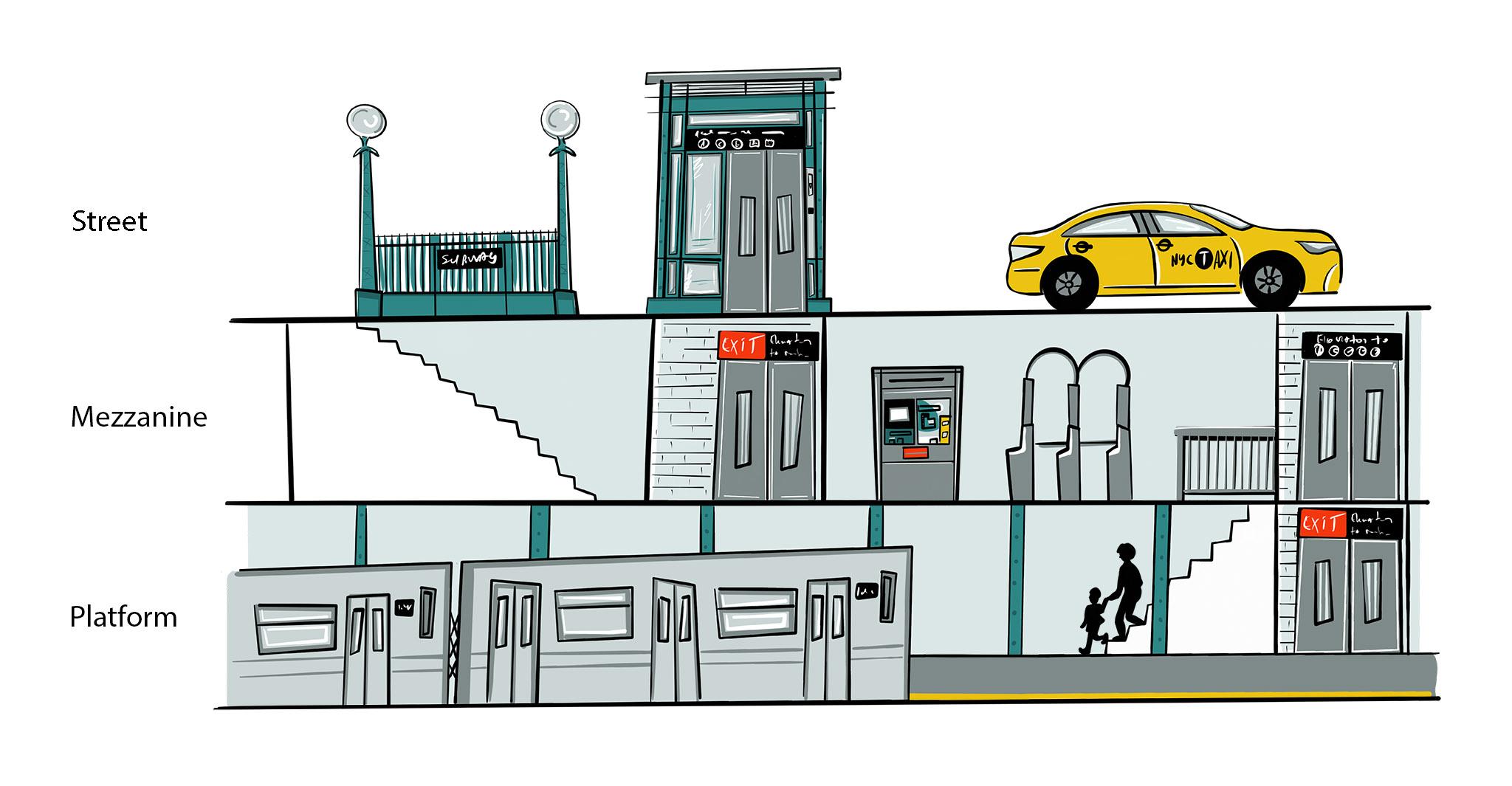
At its core, the New York City Subway is a sprawling network of tracks, stations, and rolling stock, a subterranean labyrinth designed to move people efficiently. The sheer scale is staggering: over 700 miles of track, more than 470 stations, and a fleet of over 6,000 subway cars. This vast infrastructure is not a monolithic entity but rather a collection of interconnected lines, each with its own history and operational nuances.
Track Layout and Interconnectivity
The track layout is a fascinating blend of old and new, reflecting decades of expansion and adaptation. Lines often run in parallel for significant distances, allowing for express and local services, before diverging to serve different neighborhoods. This dual-track system is crucial for maximizing capacity and minimizing travel times for different passenger needs.
The concept of “interlining” is also fundamental to the New York City Subway. Unlike many subway systems where each train operates on a single, dedicated line, many New York trains seamlessly switch from one numbered or lettered line to another at specific points. This allows for a more distributed service, meaning a single train can serve multiple destinations without passengers needing to transfer. For example, a train might start as a “D” train in The Bronx, become a “B” train in Manhattan, and continue into Brooklyn. This complexity, while efficient, can also be a source of confusion for newcomers.
Rolling Stock and Infrastructure
The subway cars themselves are robust and designed for high-frequency, high-capacity operation. Older generations of cars, like the R32s, still serve the system, while newer models boast advanced features and energy efficiency. Maintenance of this enormous fleet is a continuous, around-the-clock operation, essential for ensuring safety and reliability.
Beneath the city, the tunnels are a testament to engineering prowess. Many were dug by hand or with early tunneling machinery, facing immense challenges like groundwater, bedrock, and existing underground infrastructure. The constant battle against water ingress, for instance, requires a dedicated pumping system to keep the tunnels dry and operational.
Navigating the Network: Signaling, Schedules, and Operations
The seamless movement of thousands of trains across hundreds of miles of track every day is a testament to a sophisticated operational system that relies on precise timing, advanced signaling, and a highly skilled workforce.
The Signaling System: A Lifeline of Safety
The signaling system is the invisible backbone of the subway’s safety and efficiency. It dictates when trains can proceed, at what speed, and ensures that trains maintain a safe distance from one another. Traditional systems used trackside signals, but the New York City Subway has been in the process of a massive, ongoing upgrade to Communications-Based Train Control (CBTC).

CBTC utilizes radio signals to communicate directly between trains and a central control system. This allows for more precise train positioning, faster acceleration and deceleration, and the ability to run trains closer together safely, thus increasing capacity. While the rollout of CBTC is a monumental undertaking, it represents the future of New York transit, promising faster commutes and greater reliability.
Scheduling and Service Patterns
The scheduling of the New York City Subway is a complex dance of balancing demand, track availability, and operational constraints. Different lines have distinct service patterns:
- Weekdays: The busiest period, with full express and local services running on most lines to accommodate commuters.
- Weekends: Services are often reduced, and some lines may operate on altered routes or with fewer trains due to maintenance work.
- Late Nights: Service is significantly reduced, with some lines ceasing operation or running on a shuttle basis. This is when essential maintenance is most frequently performed.
The constant need for track maintenance, repairs, and upgrades means that weekend and late-night service disruptions are almost a given. The Metropolitan Transportation Authority (MTA), the agency that operates the subway, faces the perennial challenge of balancing the need to maintain a critical infrastructure with the desire to provide uninterrupted service.
The Control Center: The Brain of the Operation
At the heart of the subway’s operational control lies the Rail Control Center. Here, dispatchers monitor train movements across the entire system in real-time, using sophisticated computer systems and communication networks. They are responsible for making critical decisions during disruptions, such as signal failures, weather events, or emergencies, rerouting trains and managing passenger flow to minimize delays and ensure safety. The pressure on these individuals is immense, as a single misstep can have cascading effects throughout the entire network.
Challenges and Evolution: A System in Constant Motion
The New York City Subway is not a static entity; it is a living, breathing system constantly grappling with challenges and striving for improvement. Its history is one of continuous adaptation and modernization, driven by the ever-growing needs of the city.
Aging Infrastructure and Funding Dilemmas
One of the most significant challenges facing the New York City Subway is its aging infrastructure. Many components of the system date back to the early 20th century, requiring constant and expensive upkeep. The capital needs of the system are vast, and securing adequate and consistent funding from federal, state, and city sources is an ongoing political and financial battle. This chronic underfunding has historically led to deferred maintenance, which in turn can exacerbate problems and increase future repair costs.
The Impact of Delays and Disruptions
Delays and service disruptions are an unfortunate but frequent reality for New York subway riders. These can be caused by a multitude of factors, including signal problems, track work, train breakdowns, medical emergencies on board, or even minor incidents that have a ripple effect. The sheer density of the system means that even a small issue in one area can quickly lead to significant delays across multiple lines. The MTA is continually working on strategies to mitigate these disruptions, from enhanced maintenance protocols to better communication with riders.

Modernization Efforts and Future Prospects
Despite its challenges, the New York City Subway is also a system undergoing significant modernization. The ongoing implementation of CBTC is a prime example, aiming to revolutionize train control and increase capacity. Upgrades to stations, including the installation of elevators and escalators to improve accessibility, and the deployment of new, more efficient rolling stock, are also key priorities. The “Fast Forward” plan, for instance, aims to accelerate critical infrastructure improvements.
The future of the New York City Subway lies in its ability to adapt to the evolving needs of the city, embrace technological advancements, and secure the sustained investment required to maintain and enhance this indispensable public service. It is a testament to human ingenuity and a vital component of the urban experience in New York City.
LifeOutOfTheBox is a participant in the Amazon Services LLC Associates Program, an affiliate advertising program designed to provide a means for sites to earn advertising fees by advertising and linking to Amazon.com. Amazon, the Amazon logo, AmazonSupply, and the AmazonSupply logo are trademarks of Amazon.com, Inc. or its affiliates. As an Amazon Associate we earn affiliate commissions from qualifying purchases.