
Hurricane Irma, a colossal and devastating storm, left an indelible mark on the state of Florida in September 2017. While the exact dates of its landfall and passage are crucial for understanding its impact, the storm’s presence was felt across the entire peninsula for several days. This period saw widespread evacuations, significant damage, and a monumental recovery effort that reshaped the landscape of tourism and daily life in many communities.
The Arrival and Advance of a Monster Storm
Hurricane Irma’s journey began as a powerful Category 5 storm in the Atlantic Ocean. After wreaking havoc across the Caribbean, including islands like St. Martin and Puerto Rico, its trajectory shifted towards the southeastern United States. Forecasters closely monitored its movements, with Florida becoming the primary concern.

Tracking the Path
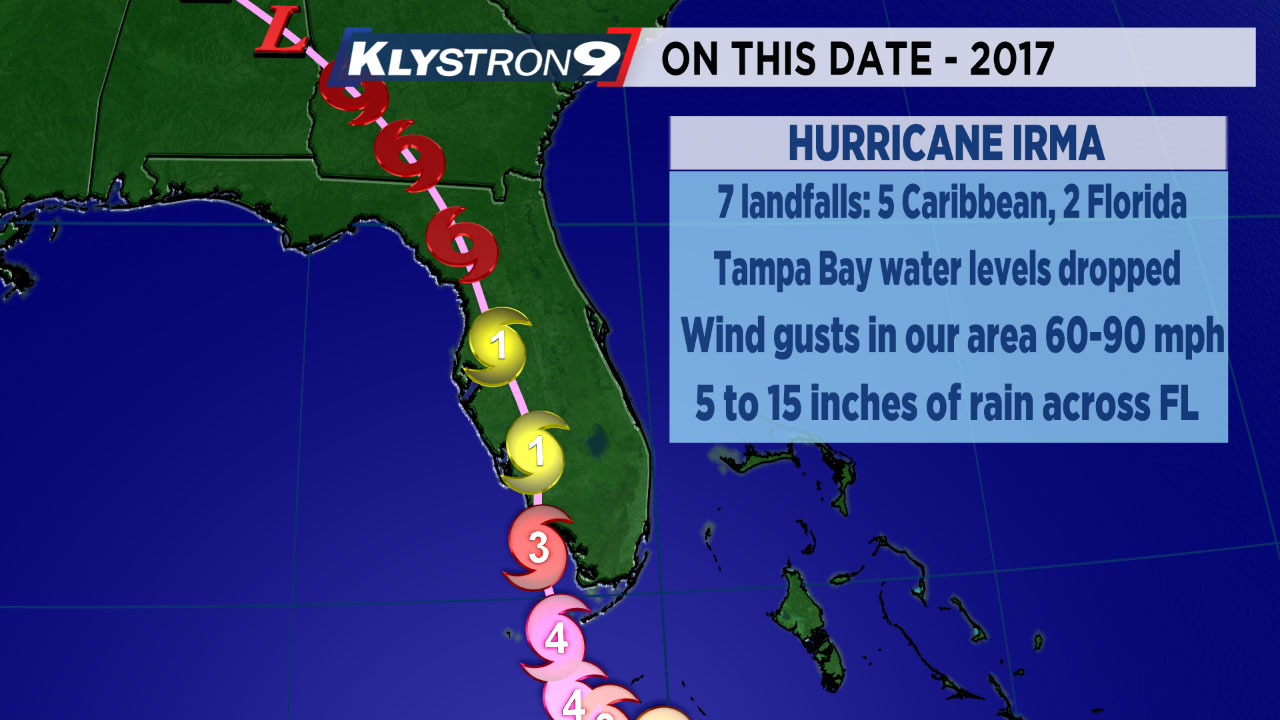
By the morning of Sunday, September 10, 2017, Hurricane Irma had made its first landfall in the Florida Keys as a Category 4 hurricane. This marked the beginning of its direct impact on the state. The storm’s immense size meant that even areas far from the eyewall experienced tropical storm-force winds and heavy rainfall.
The hurricane then began its slow crawl up the western coast of Florida. Its path was initially projected to make landfall in Miami, prompting unprecedented evacuation orders for millions of residents. However, the storm’s eyewall grazed the coast, moving northward.
Florida Keys Impact
The Florida Keys, a string of low-lying islands, bore the initial brunt of Irma. Communities like Key West, Marathon, and Islamorada experienced devastating storm surges and destructive winds. The iconic Seven Mile Bridge sustained damage, disrupting critical access to the lower keys. Many tourist accommodations and local businesses in the Keys suffered severe damage, impacting the region’s vital tourism industry for months.
Southwest Florida Landfall
Later on Sunday, September 10, 2017, and into the early hours of Monday, September 11, 2017, Irma made its second official landfall near Marco Island on the southwestern coast of Florida. While downgraded to a Category 3 hurricane at this point, it still possessed immense power. The coastal cities of Naples, Fort Myers, and Sarasota experienced significant wind damage, flooding, and power outages. Many resorts and hotels along this coastline had to close for extensive repairs, impacting visitor experiences and the local economy.
The Storm’s Northern Progression and Aftermath
As Irma moved inland, it continued to weaken, but its expansive wind field and torrential rains posed a threat to a much larger area. The storm’s slow movement meant that many parts of Florida endured its effects for an extended period, exacerbating damage and complicating recovery efforts.
Inland Impacts
On Monday, September 11, 2017, the weakened but still dangerous Hurricane Irma continued its path northward, cutting across the state. It passed over areas like Tampa and Orlando, bringing with it widespread power outages, fallen trees, and significant flooding. While the storm surge was less of a factor inland, the sheer volume of rain caused rivers to swell and urban areas to inundate. Theme parks in Orlando temporarily closed, and many tourist attractions halted operations, leading to a pause in the vibrant tourism that defines central Florida.
Water Management and Flooding
The storm’s impact on Florida’s intricate water management systems was profound. Heavy rainfall led to significant flooding in both coastal and inland areas. The Everglades and surrounding wetlands received massive amounts of water, and downstream effects were felt for weeks. This flooding impacted transportation routes and temporarily closed numerous natural attractions and parks, affecting the outdoor tourism sector.

The Timeline of Hurricane Irma in Florida
To summarize the storm’s presence in Florida, the key dates are as follows:
- Early September 2017: Hurricane Irma intensifies in the Atlantic Ocean and begins its approach towards the Caribbean and the United States.
- September 10, 2017 (Sunday):
- Morning: Irma makes landfall in the Florida Keys as a Category 4 hurricane.
- Evening: Irma makes its second landfall near Marco Island on the southwest coast of Florida as a Category 3 hurricane.
- September 11, 2017 (Monday): The storm continues its path northward across the state, impacting inland areas including Tampa and Orlando.
- September 12-13, 2017 (Tuesday-Wednesday): While the core of the storm has moved out of Florida, its outer bands can still bring rain and wind, and the state begins the arduous process of recovery. Significant portions of the state remain without power.
Impact on Tourism and Infrastructure
The immediate aftermath of Hurricane Irma saw a stark disruption to Florida’s tourism industry. Major attractions, hotels, and transportation networks faced significant challenges.
Reopening and Recovery
Many hotels and resorts, particularly in the coastal regions like Miami and the Florida Keys, sustained considerable damage. Repairs took months, and in some cases, over a year, to complete. This led to a temporary decline in visitor numbers to some of the most popular tourist destinations. However, the resilience of the state and its tourism sector quickly became apparent.
Theme parks in Orlando, such as Walt Disney World Resort and Universal Orlando Resort, largely reopened within a few days after assessing and addressing their immediate safety concerns. Their swift reopening was crucial for bringing visitors back to central Florida and supporting the local economy.
Airports across Florida, including Miami International Airport and Orlando International Airport, experienced temporary closures but resumed operations relatively quickly. However, disruptions to flight schedules and passenger travel persisted due to damage at other airports and the need for emergency response and recovery efforts.
The recovery of the Florida Keys was a particularly challenging endeavor. The unique geography and the extensive damage to infrastructure, especially roads and utilities, meant that the rebuilding process was prolonged. Many small businesses and tourist accommodations in the lower keys faced immense hardship. Yet, the spirit of the Keys community, coupled with national and state support, led to a gradual but determined comeback.
Lessons Learned and Preparedness
The experience of Hurricane Irma served as a potent reminder of Florida’s vulnerability to powerful hurricanes and the critical importance of preparedness for residents, businesses, and the tourism industry alike.
Evacuations and Shelters
The scale of evacuations ordered prior to Irma’s arrival was unprecedented. Millions of residents heeded warnings, leading to significant traffic congestion on major highways heading north. The availability and capacity of shelters, both official and unofficial, were tested. This highlighted the need for robust emergency management plans that account for large-scale population movements.
Infrastructure Resilience
The storm exposed weaknesses in certain infrastructure, particularly regarding power grids and coastal defenses. Subsequent efforts have focused on strengthening these systems to better withstand future storms. For the tourism sector, this means improved building codes for hotels and attractions, as well as more resilient utility services.
Long-Term Recovery
The economic impact of Hurricane Irma on Florida was substantial, with billions of dollars in damages. The recovery was a long-term process, involving not just physical rebuilding but also economic revitalization, particularly for communities heavily reliant on tourism. Understanding the timeline of such a massive event, from its initial landfall on September 10, 2017, through its passage on September 11, 2017, and into the subsequent recovery period, is essential for appreciating the full scope of its impact on the state and its cherished tourist destinations.
LifeOutOfTheBox is a participant in the Amazon Services LLC Associates Program, an affiliate advertising program designed to provide a means for sites to earn advertising fees by advertising and linking to Amazon.com. Amazon, the Amazon logo, AmazonSupply, and the AmazonSupply logo are trademarks of Amazon.com, Inc. or its affiliates. As an Amazon Associate we earn affiliate commissions from qualifying purchases.