
Understanding the Symbolism of Half-Staff Observances
The sight of flags flying at half-staff is a somber yet universally understood symbol of respect and mourning. In the United States, this practice is steeped in tradition and governed by specific protocols designed to honor fallen heroes, national tragedies, and significant public figures. When flags in Colorado are observed at half-staff, it signifies that a period of national or state remembrance is underway. These observances are not arbitrary; they are deliberate acts of collective grief and solidarity, reflecting the deep respect held for those being honored.

The tradition of lowering flags dates back centuries and is enshrined in federal law and executive orders. The U.S. Flag Code, Title 4, Chapter 1, Section 6, outlines the conditions under which the flag of the United States should be displayed at half-staff. Primarily, this is done upon the death of the President of the United States, the Vice President, the Chief Justice of the Supreme Court, and other high-ranking government officials. Additionally, state governors have the authority to order flags at half-staff within their respective states to honor fallen state officials, military personnel, or victims of significant tragedies.
Federal Mandates and Presidential Proclamations
The most common reason for flags to be lowered nationwide, including across Colorado, is a presidential proclamation. These proclamations are issued upon the death of a former President, a sitting or former Vice President, a sitting or former Speaker of the House of Representatives, and other designated dignitaries. The duration of the half-staff observance is often specified in the proclamation, ranging from a few days to 30 days, depending on the stature of the individual. For instance, upon the death of a former President, the flag is typically flown at half-staff for 30 days.
Beyond official mourning for leaders, presidential proclamations also extend to honoring victims of national tragedies. Events such as the September 11th attacks, major natural disasters, or acts of mass violence often prompt the President to order flags lowered as a gesture of solidarity and remembrance for those affected. These are moments when the nation collectively pauses to acknowledge profound loss.
State Authority and Local Significance
While federal directives govern national observances, governors of individual states, including the Governor of Colorado, possess the authority to order flags flown at half-staff within their state’s borders. This allows for a more localized approach to honoring individuals or marking events of particular significance to the state.
State-level half-staff orders are often issued upon the death of a sitting or former governor, state legislators, or other prominent state officials. They can also be used to commemorate victims of significant local tragedies, such as major accidents or natural disasters that have deeply impacted the state. The governor’s decision to lower flags is a way to acknowledge the loss and show respect for the lives affected within their jurisdiction.
Specific Occasions for Half-Staff Flags in Colorado
When flags are seen at half-staff in Colorado, it is essential to understand the specific context and the entities being honored. The reasons can range from national moments of silence to state-specific tributes.
Honoring Fallen Service Members and First Responders
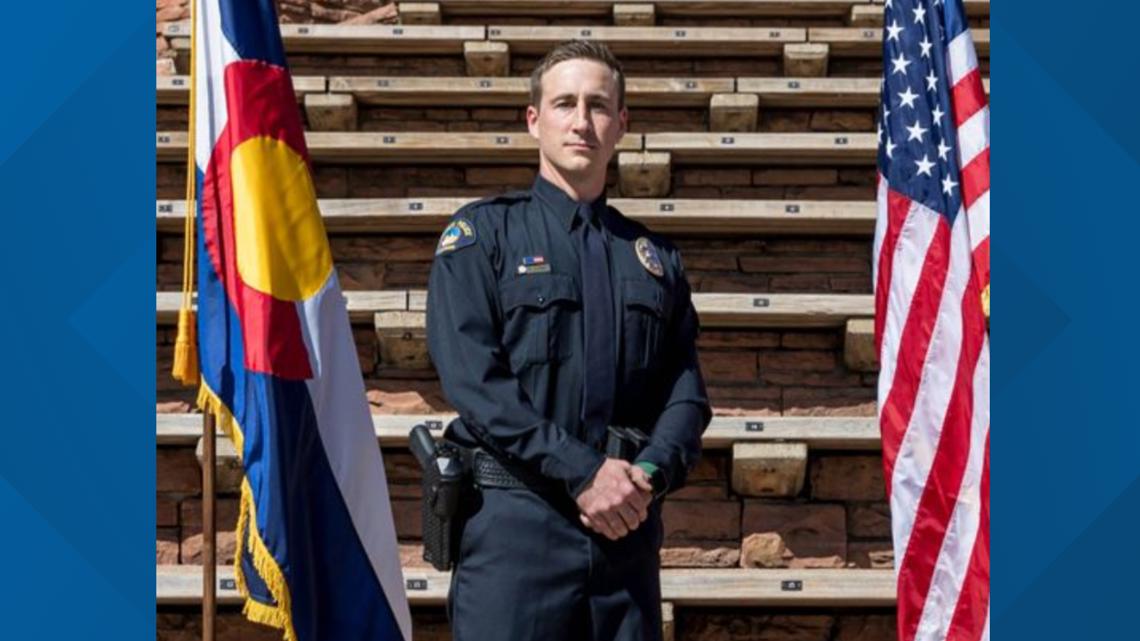
A frequent and deeply respected reason for flags to be flown at half-staff is in honor of fallen members of the United States Armed Forces and first responders. This includes law enforcement officers, firefighters, and emergency medical personnel who have made the ultimate sacrifice in the line of duty. These observances serve as a profound acknowledgment of their courage, dedication, and the risks they undertake to protect communities.
The death of any member of the U.S. military, regardless of rank or location, can trigger a half-staff observance. State and local authorities often coordinate with federal agencies to ensure that flags are lowered promptly and remain at half-staff for a designated period, typically from the time of death until interment. For first responders, similar protocols are often in place, reflecting the critical role they play in public safety and the inherent dangers of their professions. Observing these flags at half-staff offers a tangible way for citizens to express their gratitude and mourn the loss of these invaluable members of society.
Memorializing Victims of Tragedies and Disasters
Colorado, like many places, has experienced its share of tragic events. In the aftermath of significant accidents, natural disasters, or acts of violence, flags are often ordered to half-staff to mourn the victims and offer a symbol of collective sorrow. These observances can be initiated by the governor or, in some cases, by federal proclamation if the scale of the tragedy is national.
For example, following a devastating natural disaster such as a widespread wildfire or severe flooding that results in loss of life and widespread destruction, the governor might order flags lowered to honor the victims. Similarly, in the somber wake of mass casualty events, such as the tragic shooting at a movie theater in Aurora, flags are lowered across the state and nation as a testament to the shared grief and the indelible impact of such events on communities. These moments of remembrance are crucial for healing and for acknowledging the profound loss experienced by families and communities.
Special Observances and Anniversaries
Beyond mourning specific individuals or tragedies, flags in Colorado may also be lowered for special observances and significant anniversaries. These can include solemn commemorations of historical events or days dedicated to remembrance.
One prominent example is Peace Officers Memorial Day, observed annually on May 15th. On this day, flags are flown at half-staff to honor law enforcement officers who have died in the line of duty. Another significant observance is Memorial Day, the last Monday in May, when flags are flown at half-staff until noon, after which they are raised to full-staff. This practice symbolizes the nation’s remembrance of those who died while serving in the U.S. military, with the transition to full-staff signifying a renewed commitment to their memory and the ongoing vitality of the nation they defended. The anniversary of the September 11th attacks, September 11th, is also a day when flags are typically flown at half-staff from sunrise to sunset to honor the victims of the terrorist attacks.
How to Know When and Why Flags Are Lowered
Staying informed about why flags are at half-staff in Colorado is crucial for understanding the somber occasions being marked. Several official channels provide this information, ensuring that the public is aware of the reasons behind these important symbols of respect.
Official Announcements and Government Websites
The most reliable source of information regarding flag half-staff observances is official government channels. In Colorado, the Governor’s Office is a primary source for announcements related to state-level half-staff directives. Their official website will typically feature press releases or news updates detailing the reasons for the flag being lowered, the duration of the observance, and the individuals or events being honored.
At the federal level, proclamations issued by the President of the United States regarding national half-staff observances are disseminated through the White House website and often reported by major news outlets. The U.S. Department of Defense and the General Services Administration (GSA) also provide information on federal flag protocols. For local government buildings and public facilities within Colorado, such as those in cities like Denver or Colorado Springs, local government websites or public service announcements may provide details specific to their jurisdictions.
Media Coverage and Public Awareness
News organizations play a vital role in disseminating information about flag half-staff observances to the broader public. When flags are lowered for significant national or state events, media outlets will typically report on the reasons behind the decision, providing context and allowing citizens to understand the gravity of the occasion. Local news stations in Colorado are particularly adept at informing residents about state and local matters, including any directives from the governor’s office.
Furthermore, social media platforms maintained by government agencies and news organizations can also serve as conduits for public awareness. Following official government accounts or reputable news sources on platforms like Twitter or Facebook can provide timely updates. It is important, however, to rely on verified sources to ensure accuracy. Understanding the protocols and the reasons behind them fosters a greater appreciation for the symbolic power of the flag and the collective moments of remembrance it represents within Colorado and across the nation.
The Deeper Meaning of Flying Flags at Half-Staff
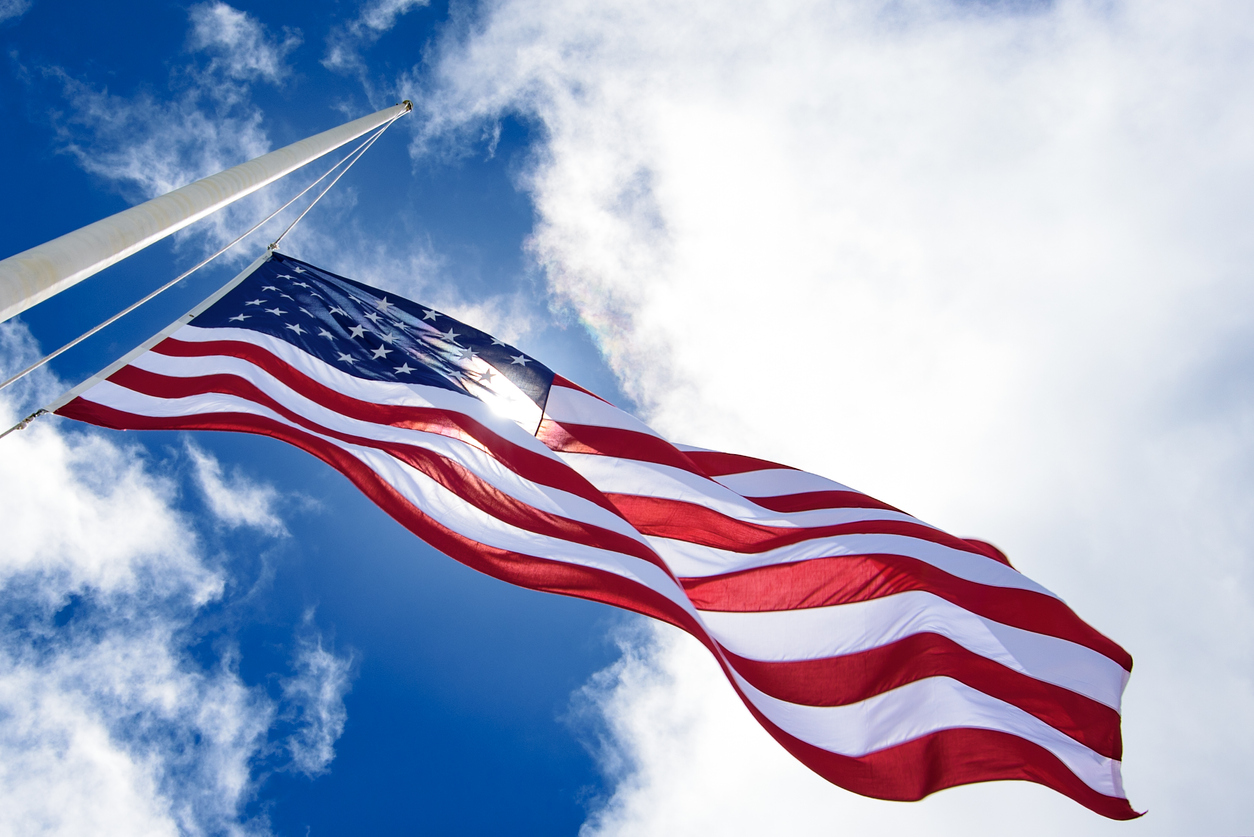
Flying flags at half-staff is more than just a procedural act; it is a profound expression of collective respect, solemn remembrance, and shared empathy. The visual impact of a flag lowered from its usual position serves as a powerful, non-verbal communication that resonates deeply within a community and across a nation.
A Symbol of Respect and Honor
At its core, the practice of flying flags at half-staff is a deliberate gesture to honor individuals or commemorate events of profound significance. It signifies that the nation, state, or community is pausing to pay tribute to those who have served, sacrificed, or been lost. For fallen soldiers, the flag at half-staff is a solemn salute to their bravery and dedication to country. For victims of tragedy, it represents a moment of shared grief and acknowledgment of the human cost of violence or disaster. This visual cue prompts reflection and encourages citizens to consider the sacrifices and losses that shape their collective experience.
The act of lowering the flag is also a reminder of the values that the flag represents: freedom, unity, and the pursuit of justice. When the flag is lowered, it draws attention to the solemnity of the occasion, fostering a sense of national or state unity in the face of loss. It is a visible manifestation of the nation’s moral compass, guiding citizens to acknowledge and respect the sanctity of life and the importance of remembrance.
Fostering Collective Memory and Empathy
The ubiquitous presence of flags at half-staff serves to foster collective memory. It ensures that significant events and the individuals associated with them are not forgotten. By lowering the flag, communities are reminded of historical moments, the sacrifices made by individuals, and the impact of tragedies on their shared narrative. This collective remembrance is crucial for learning from the past and for building a more resilient future.
Moreover, the practice cultivates empathy. When citizens see the flag at half-staff, it prompts them to consider the human stories behind the observance. It encourages them to empathize with the families who have lost loved ones, with the communities affected by disaster, or with the nation as it mourns the loss of a leader. This shared emotional response strengthens the bonds of community and fosters a sense of solidarity. It is through these moments of collective reflection and shared feeling that a society truly comes together, acknowledging its shared vulnerabilities and its collective strength. The flags flying at half-staff in Colorado, as elsewhere, are powerful reminders of our shared humanity and the enduring importance of honor and remembrance.
LifeOutOfTheBox is a participant in the Amazon Services LLC Associates Program, an affiliate advertising program designed to provide a means for sites to earn advertising fees by advertising and linking to Amazon.com. Amazon, the Amazon logo, AmazonSupply, and the AmazonSupply logo are trademarks of Amazon.com, Inc. or its affiliates. As an Amazon Associate we earn affiliate commissions from qualifying purchases.