
California has long been at the forefront of cannabis reform in the United States, evolving from a state with strict prohibitions to a leader in legalization for both medical and recreational use. This progressive stance naturally extends to the cultivation of cannabis, often referred to as “pot.” For residents and visitors alike, understanding the legal landscape surrounding growing cannabis in the Golden State is crucial, whether for personal enjoyment or for those considering a foray into commercial cultivation. The answer to “Is it legal to grow pot in California?” is not a simple yes or no; it is a nuanced question dependent on specific regulations, individual circumstances, and compliance with state and local ordinances.
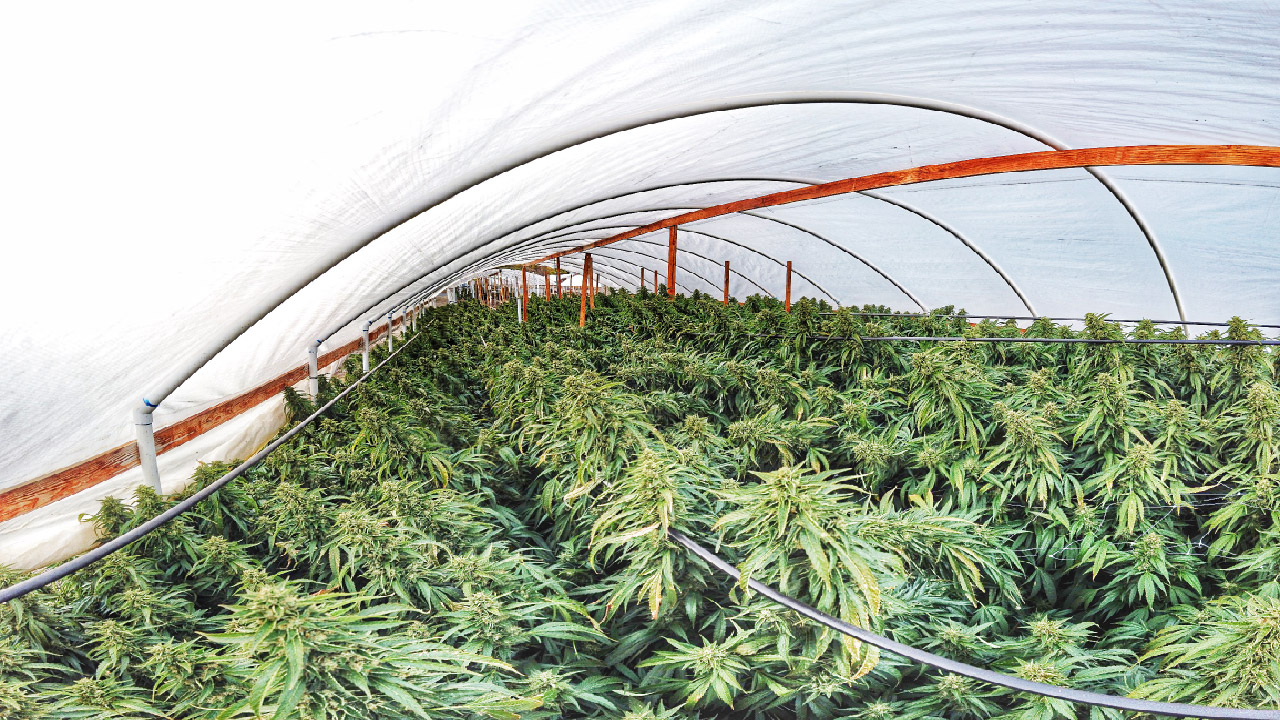
The legalization of recreational cannabis in California, codified by the Adult Use of Marijuana Act (AUMA), which voters approved in 2016 and took effect in 2018, significantly altered the legal framework. This act permits adults aged 21 and over to possess, consume, and, importantly, cultivate cannabis under certain conditions. However, these conditions are not universal and are subject to various limitations designed to balance individual liberties with public safety and regulatory oversight. The intention is to allow for responsible personal cultivation while preventing unregulated commercial operations and mitigating potential harms.
Personal Cultivation Laws in California
California law, under the umbrella of the Medicinal and Adult-Use Cannabis Regulation and Safety Act (MAUCRSA), allows adults 21 years of age and older to grow cannabis for personal use. This permission, however, is not without its boundaries. The most significant limitation pertains to the number of plants that can be cultivated. Generally, individuals are permitted to grow up to six living cannabis plants per private residence. This limit applies regardless of how many adults reside in the home; it is a per-household limit.
Key Restrictions for Home Growers
Beyond the plant count, several other critical restrictions govern personal cannabis cultivation in California. Firstly, the cultivation must occur in a private residence. This means it cannot be done in a public place or on property not owned or controlled by the individual grower. Furthermore, the area where the cannabis is grown must be secured and not visible to the public. This “visual privacy” requirement is a significant aspect of the law, aiming to prevent public displays of cannabis cultivation. Many local jurisdictions have specific requirements regarding how this security and privacy must be maintained, such as the use of fences, screens, or enclosed structures.
Secondly, the law generally prohibits cultivation in any location that is visible from a public way. This means that growing cannabis on a balcony that overlooks a street or in a backyard that is easily visible from a neighboring property without adequate screening would likely be in violation. Growers must ensure their plants are out of public view, often necessitating the use of grow tents, enclosed garages, or specially constructed, screened-in areas.
Thirdly, individuals must be 21 years of age or older to legally cultivate cannabis for personal use. This age restriction aligns with the legal age for recreational use and purchase. Those under 21 are generally prohibited from cultivating cannabis, even with parental consent, as the law is designed for adult use.
Local Ordinances and Their Impact
It is crucial to understand that while California has state-level laws governing cannabis cultivation, individual cities and counties have the authority to enact their own ordinances. These local regulations can be more restrictive than state law. For instance, some localities might ban personal cultivation altogether, while others may impose stricter limits on the number of plants, require permits for cultivation, or mandate specific security measures. Therefore, before embarking on any cultivation, it is imperative for residents to research and comply with the specific laws and ordinances of their local jurisdiction. This includes checking with the city or county planning department, building department, or law enforcement agency for the most up-to-date information. Failing to do so can result in fines, confiscation of plants, and other legal penalties.
For example, a resident in a city that has banned personal cultivation would be in violation of the law, even if they are adhering to the state’s six-plant limit. Conversely, a city might allow personal cultivation but impose additional requirements such as a mandatory inspection or a permit fee. This tiered regulatory structure means that a blanket “yes” to growing pot in California is only valid if one diligently navigates both state and local rules.
Commercial Cultivation in California
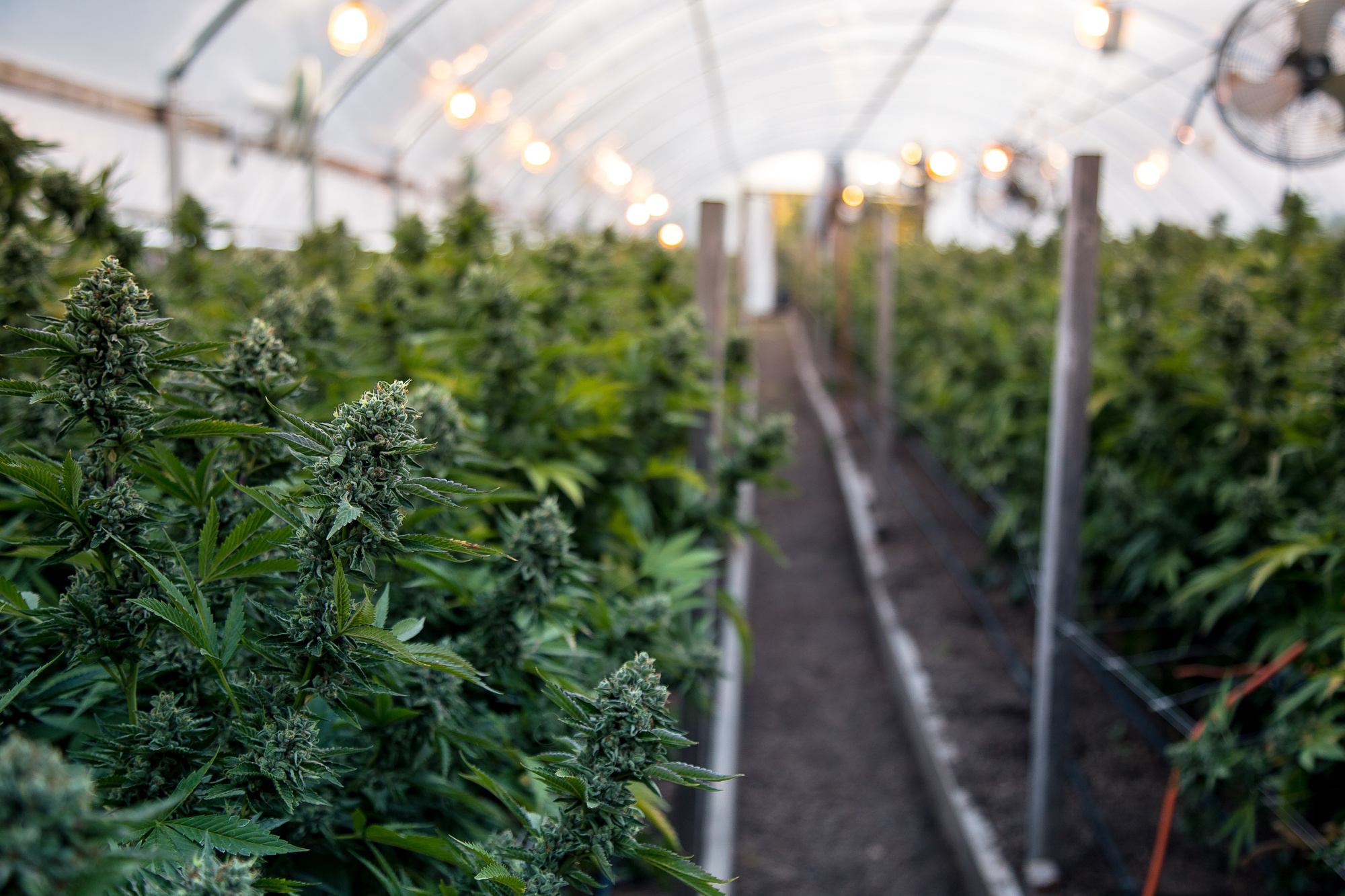
For those interested in growing cannabis on a larger scale for commercial purposes, the legal framework becomes significantly more complex and highly regulated. The state has established a comprehensive licensing system overseen by the Department of Cannabis Control (DCC). This system requires individuals or businesses to obtain specific licenses to cultivate cannabis for sale. The types of licenses vary based on the size and method of cultivation, such as indoor, outdoor, or mixed-light operations.
Licensing and Regulatory Requirements
Obtaining a commercial cannabis cultivation license in California is a rigorous process. Applicants must undergo extensive background checks, provide detailed business plans, and demonstrate compliance with a myriad of regulations related to security, environmental impact, labor practices, and product testing. The DCC aims to ensure that commercial cultivation is conducted in a safe, sustainable, and responsible manner, minimizing environmental damage and preventing diversion to the illicit market.
The application process typically involves multiple stages, including provisional licensing and annual licensing. Provisional licenses allow businesses to begin operations while they finalize their compliance with all state and local requirements. Annual licenses are granted once all regulations are met. The costs associated with obtaining and maintaining these licenses can be substantial, including application fees, licensing fees, and ongoing compliance costs.
Types of Commercial Licenses
California offers various cultivation license types to accommodate different farming methods and scales:
- Type 1A (Small Outdoor): For small outdoor cultivation, up to 5,000 square feet.
- Type 1B (Small Indoor): For small indoor cultivation, up to 5,000 square feet.
- Type 1C (Small Mixed-Light): For small mixed-light cultivation, up to 5,000 square feet.
- Type 3A (Medium Outdoor): For medium outdoor cultivation, between 5,001 and 10,000 square feet.
- Type 3B (Medium Indoor): For medium indoor cultivation, between 5,001 and 10,000 square feet.
- Type 3C (Medium Mixed-Light): For medium mixed-light cultivation, between 5,001 and 10,000 square feet.
- Type 7 (Large Indoor): For large indoor cultivation, exceeding 10,000 square feet.
- Type 4 (Nursery): For nurseries that cultivate cannabis for the purpose of cloning, propagation, and seeds.
- Type 5 (Microbusiness): Allows for cultivation along with other cannabis business activities.
Each license type comes with specific operational requirements and limitations designed to manage the scale and impact of the cultivation. For example, outdoor cultivators must adhere to regulations regarding water usage, pest management, and land use, while indoor cultivators face requirements related to energy consumption, ventilation, and waste disposal.
Zoning and Local Approvals
Beyond state licensing, commercial cannabis cultivators must also secure local approvals, which often include zoning permits and land use agreements. Many cities and counties have designated zones where commercial cannabis activities are permitted, and these areas may be subject to distance requirements from schools, parks, and other sensitive locations. Obtaining these local entitlements can be a lengthy and complex process, often involving public hearings and community input. The DCC will not issue a state license without evidence of local authorization.
Factors Influencing Legality and Compliance
Navigating the legality of growing pot in California requires attention to detail and a commitment to understanding the evolving regulatory environment. Several overarching factors influence whether cultivation is legal and compliant.
Age and Residency
As previously mentioned, the primary requirement for personal cultivation is being at least 21 years of age. While California law does not explicitly state a residency requirement for personal cultivation, it is generally understood that the cultivation must occur within the individual’s lawful possession or control of property in California. For commercial cultivation, specific ownership and operational requirements apply, often necessitating a demonstrable presence and investment in the state.
Location, Location, Location
The physical location of the cultivation is paramount. For personal use, it must be within a private residence and secured and not visible from the public. For commercial operations, adherence to local zoning ordinances is critical. Industrial areas, agricultural zones, or specially designated cannabis cultivation zones are typically where commercial farms are permitted. Violating zoning laws can lead to severe penalties, including the forced closure of operations.
Security and Environmental Standards
Both personal and commercial cultivation are subject to security and environmental standards. While personal growers must ensure their plants are out of public view and reasonably secure, commercial operations face much more stringent requirements. These include robust physical security measures, surveillance systems, inventory tracking, and protocols to prevent product diversion. Environmental considerations, such as water conservation, waste management, and the use of pesticides, are increasingly important, particularly for outdoor and mixed-light cultivators. The state aims to promote sustainable practices and minimize the environmental footprint of cannabis agriculture.

Medical vs. Recreational Cultivation
It is worth noting the distinction between medical and recreational cultivation. While AUMA and MAUCRSA broadly cover recreational use, there is also a framework for medical cannabis cultivation, often governed by specific rules and regulations that may differ from recreational guidelines. Patients with a valid physician’s recommendation or a state-issued medical cannabis identification card may have additional allowances or different pathways for cultivation, particularly in cases where they are cultivating for their own therapeutic needs or for a designated caregiver. However, the overarching principles of security, visibility, and local compliance generally apply across both medical and recreational cultivation.
In conclusion, the question of whether it is legal to grow pot in California is a multifaceted one. For individuals pursuing personal cultivation, adherence to the six-plant limit, ensuring privacy and security, and respecting local ordinances are key. For those venturing into commercial cultivation, the path involves navigating a complex web of state licensing, local approvals, and stringent operational regulations. By understanding and complying with these laws, individuals can legally engage in cannabis cultivation within the Golden State, contributing to its regulated and evolving cannabis industry.
LifeOutOfTheBox is a participant in the Amazon Services LLC Associates Program, an affiliate advertising program designed to provide a means for sites to earn advertising fees by advertising and linking to Amazon.com. Amazon, the Amazon logo, AmazonSupply, and the AmazonSupply logo are trademarks of Amazon.com, Inc. or its affiliates. As an Amazon Associate we earn affiliate commissions from qualifying purchases.