
The sight of flags flying at half-mast is a somber and often poignant reminder that we are in a period of mourning or remembrance. In the state of Colorado, as across the nation, this practice follows specific protocols and is typically enacted to honor significant individuals or events. Understanding the reasons behind this practice offers insight into the state’s respect for its leaders, heroes, and collective memory, and for those visiting or residing in Colorado, it can provide a deeper appreciation for its cultural and historical landscape. This article delves into the protocols, common occasions, and broader significance of flags being flown at half-mast in Colorado, connecting it to the state’s identity and its place within the broader United States.

Understanding the Protocol of Half-Mast
The practice of flying the flag at half-mast, or half-staff, is steeped in tradition and governed by specific regulations. While many may observe the practice, the intricacies of who can order it, when it is mandated, and for how long are often less understood. In the context of Colorado, these protocols generally align with federal guidelines established by the U.S. Flag Code, but there can also be state-specific directives.
Federal and State Guidelines
The U.S. Flag Code, enacted by Congress, outlines the appropriate use and display of the American flag. It specifies that the flag should be lowered to half-staff on specific days, such as Memorial Day and Peace Officers Memorial Day, and in honor of certain deceased federal officials. The President of the United States can order the U.S. flag flown at half-staff nationwide or over specific federal buildings and installations.
Similarly, state governors have the authority to order the state flag and the U.S. flag flown at half-staff within their respective states. In Colorado, this means the Governor of Colorado can issue proclamations to lower flags at state buildings and public institutions. These proclamations are often made in response to tragedies, to honor fallen service members, or to pay tribute to significant state figures. The decision to fly the flag at half-mast is not taken lightly and is reserved for moments of collective sorrow, respect, or remembrance.
The Significance of Half-Staff
Lowering the flag to half-staff is a symbolic gesture of mourning and respect. The precise position is typically defined as the flag being lowered two-thirds of the way down the flagpole, from the peak to the bottom. If the flag cannot be lowered to this position, such as on a flagstaff that is too short, a black mourning ribbon may be affixed to the top of the staff, above the flag itself. This visual cue serves as a silent, universally understood signal that a period of solemnity is being observed. For residents and visitors in Colorado, encountering flags at half-mast can prompt reflection on the values of remembrance, honor, and sacrifice that the state holds dear.
Occasions for Flags at Half-Mast in Colorado
The specific reasons for flags being flown at half-mast in Colorado are as varied as the individuals and events the state chooses to commemorate. These occasions can range from national tragedies and military honors to the passing of prominent state figures. Understanding these instances provides a window into the collective values and historical consciousness of Colorado.
Honoring Fallen Service Members and First Responders

A significant and common reason for flags to be lowered in Colorado is to honor fallen members of the armed forces and first responders. This includes soldiers, airmen, sailors, marines, and guardsmen who have died in the line of duty, both in conflict and through accidents or illness. Similarly, the flags are often lowered to commemorate police officers, firefighters, and other emergency personnel who have made the ultimate sacrifice while protecting their communities. These acts of remembrance are crucial in acknowledging the bravery and dedication of those who serve and in offering comfort and solidarity to their families and colleagues. Memorial Day and Peace Officers Memorial Day are specifically designated days for such observances, but individual acts of heroism or tragedy can also trigger proclamations.
Tributes to Public Officials and Distinguished Citizens
The passing of prominent public officials, both at the federal and state level, often prompts the lowering of flags. This can include the President of the United States, Vice President, Supreme Court justices, members of Congress, governors, and state legislators. The duration of the flag being flown at half-mast in these instances typically depends on the official’s position and the specific directives issued. For instance, the death of a former Colorado governor might be marked with flags at half-staff across the state. Beyond elected officials, flags may also be lowered to honor distinguished citizens of Colorado who have made significant contributions to the state or nation, though this is less common and typically involves a specific proclamation.
Commemorating National and State Tragedies
In times of national or state-wide tragedy, flags are often lowered as a sign of solidarity and mourning. This can include acts of terrorism, natural disasters, or other significant events that result in widespread loss of life or profound collective grief. The 9/11 attacks, for example, led to flags being flown at half-mast across the entire country for an extended period. Locally, a significant event such as a devastating fire in a Colorado community or a mass casualty incident might result in the governor ordering flags to be lowered as a mark of respect and shared sorrow. These moments, however tragic, underscore the ability of communities to come together in shared grief and support.
The Broader Significance for Visitors and Residents
For individuals visiting or residing in Colorado, understanding why flags are flown at half-mast adds a layer of depth to their experience. It is more than just a visual cue; it is an invitation to reflect on the state’s history, its values, and the people who have shaped it.
Connecting with Colorado’s History and Values
When flags are at half-mast in Colorado, it serves as a reminder of the state’s ongoing connection to its past and its commitment to honoring sacrifice. Whether it’s a remembrance of pioneers, a tribute to those who fought for freedom, or mourning for a local hero, these moments connect current generations to the enduring spirit of Colorado. For tourists exploring historical sites like the Mesa Verde National Park or the Rocky Mountains, this understanding can enhance their appreciation for the resilience and character of the region. It’s a subtle but powerful way to engage with the local culture beyond the typical attractions.
Fostering a Sense of Community and Respect
The practice of flying flags at half-mast is fundamentally about fostering a sense of community and shared respect. It unites people in a common expression of sorrow, honor, or remembrance. For residents of Colorado, it reinforces their shared identity and their collective response to significant events. Visitors who observe this practice are given a glimpse into these communal values. It can encourage them to pause and consider the context, fostering a more mindful and respectful engagement with the place they are visiting. This shared observance transcends individual differences and highlights the common threads of humanity that bind us.
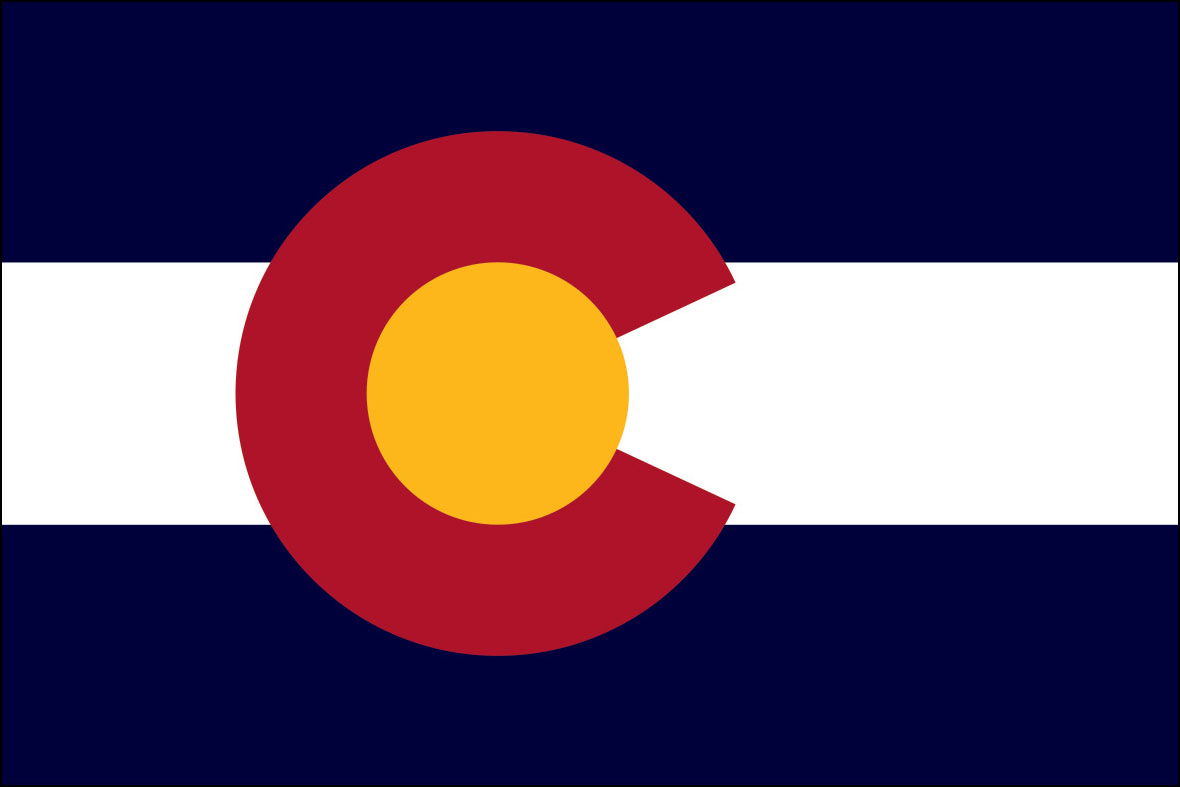
The Role of Landmarks and Public Spaces
Public buildings, courthouses, and iconic landmarks in Colorado often serve as focal points for these observances. The Colorado State Capitol Building in Denver is a prime example, where flags might be lowered by gubernatorial order. Observing these acts at prominent locations can be particularly impactful, drawing attention to the gravity of the occasion. For those who visit these spaces, whether for their architectural significance, historical importance, or as a symbol of civic life, the sight of flags at half-mast adds another dimension to their experience. It transforms a simple visit into an opportunity for reflection and connection with the state’s deeper narrative.
LifeOutOfTheBox is a participant in the Amazon Services LLC Associates Program, an affiliate advertising program designed to provide a means for sites to earn advertising fees by advertising and linking to Amazon.com. Amazon, the Amazon logo, AmazonSupply, and the AmazonSupply logo are trademarks of Amazon.com, Inc. or its affiliates. As an Amazon Associate we earn affiliate commissions from qualifying purchases.