
Understanding the legal landscape of a state is crucial for any traveler planning an extended stay or even a brief visit, especially when dealing with potential legal entanglements. While the title “How To Look Up Warrants In Texas” might seem specific, its implications stretch into the broader realm of responsible travel and preparedness, a key aspect of the Lifestyle category, particularly for those who prioritize safety and due diligence in their travel planning. This guide delves into the practical steps individuals can take to ascertain if a warrant exists for their name within the state of Texas.
Understanding Warrants and Their Implications for Travel
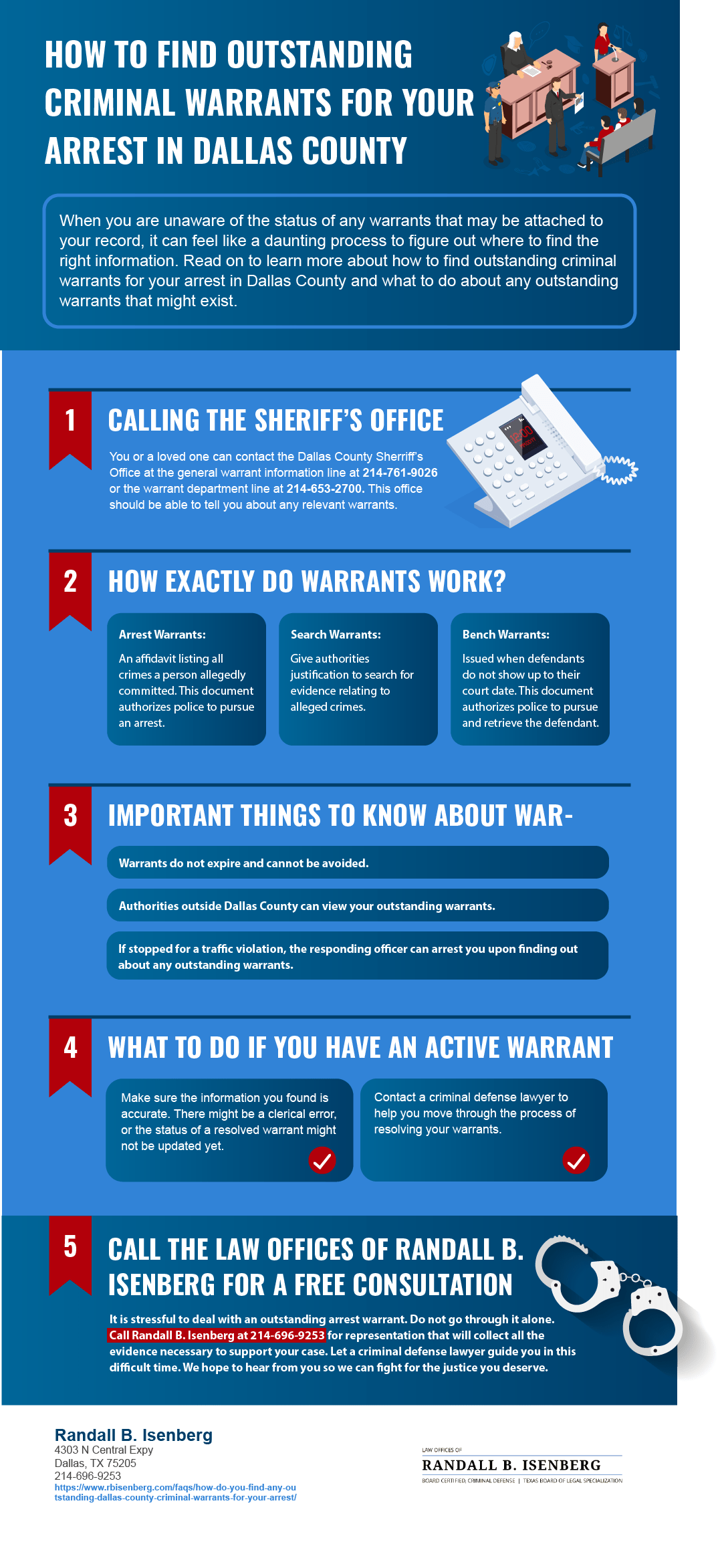
A warrant is a legal document issued by a judge or magistrate, authorizing law enforcement officials to perform a specific act, such as arresting a person or searching a property. In Texas, warrants can be issued for various reasons, including failure to appear in court, outstanding fines, or as part of an ongoing criminal investigation. For travelers, the discovery of an active warrant can significantly disrupt plans, potentially leading to arrest upon arrival, at a traffic stop, or during routine interactions with law enforcement.
Types of Warrants in Texas
It’s important to recognize that not all warrants are the same. In Texas, the most common types encountered by the public include:
- Arrest Warrants: These are issued when law enforcement has probable cause to believe an individual has committed a crime. If stopped or apprehended, an individual with an active arrest warrant will likely be taken into custody.
- Bench Warrants: These are typically issued by a judge when an individual fails to appear in court for a scheduled hearing or fails to comply with a court order. This is a common reason for warrants to be issued and can affect individuals who might have overlooked a past legal obligation.
- Search Warrants: While less likely to directly impact a traveler in terms of their personal status, these are issued to authorize law enforcement to search a specific location for evidence related to a crime.
Why a Traveler Might Need to Check for Warrants
The reasons for a traveler to proactively check for warrants are varied and prudent. A person might be returning to Texas after a significant absence and want to ensure no outstanding legal issues exist. Alternatively, an individual might have had a past legal encounter where a court date was missed or an obligation was overlooked, and they wish to resolve it before it causes a travel disruption. In some rare instances, identity theft could lead to warrants being issued under someone’s name, necessitating verification. This proactive approach aligns with a Lifestyle of informed and prepared travel, minimizing potential stress and legal complications.
Methods for Looking Up Warrants in Texas
Texas offers several avenues for individuals to inquire about outstanding warrants. These methods range from online searches to direct inquiries with law enforcement agencies. It is important to approach these searches with diligence and an understanding of their limitations.
Online Warrant Searches
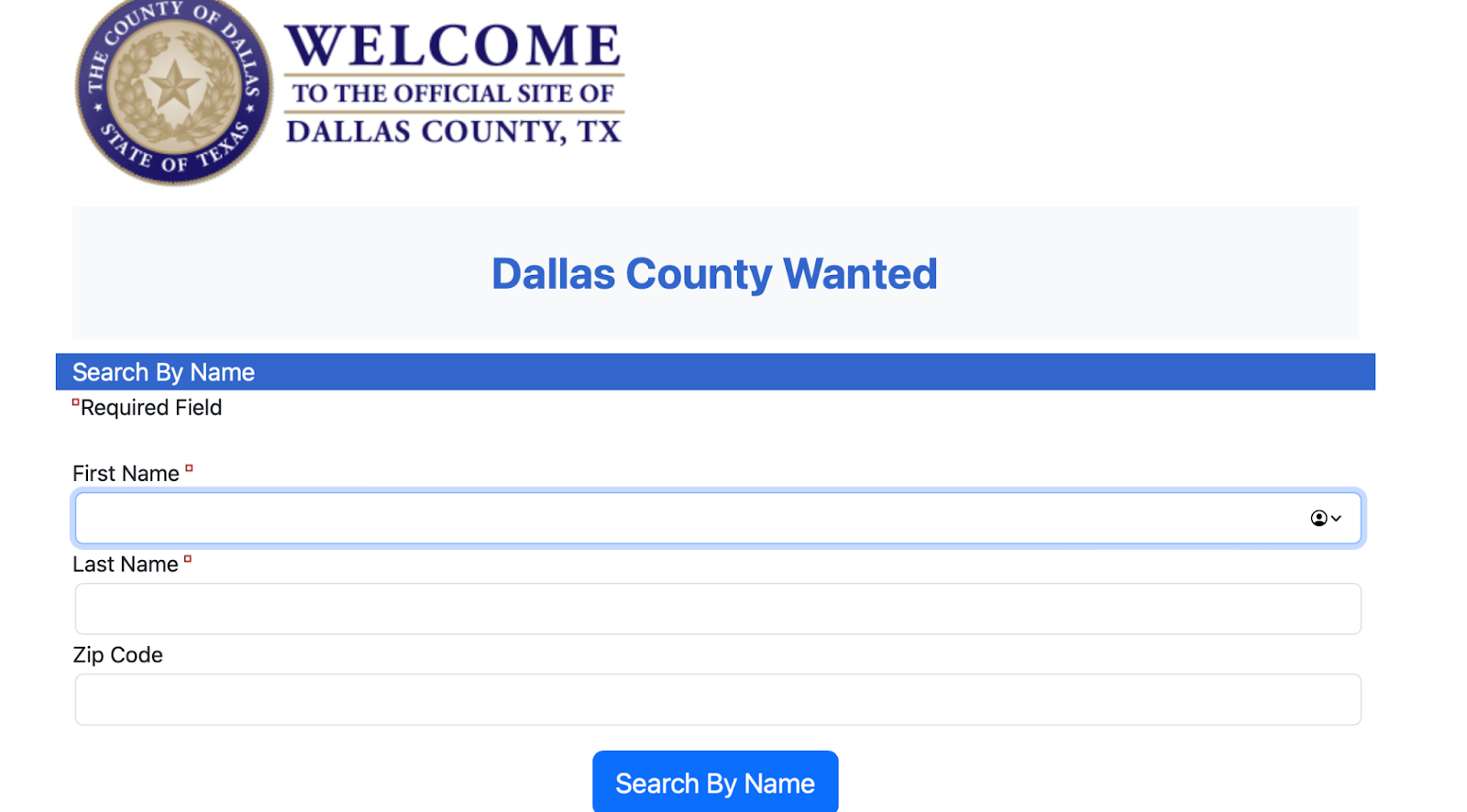
Many Texas counties and some municipal courts provide online databases where the public can search for active warrants. These databases are often accessible through the official websites of the respective county sheriff’s offices or district courts.
County Sheriff’s Offices
Each county sheriff’s office in Texas is responsible for enforcing warrants within its jurisdiction. Many now maintain publicly accessible online warrant lists.
- How to Access: Navigate to the official website of the sheriff’s office for the county you are interested in. Look for sections labeled “Warrants,” “Most Wanted,” “Criminal Records,” or “Public Records.”
- Information Required: Typically, you will need to enter the full name of the individual. Some systems may also allow searches by date of birth or other identifying information.
- Limitations: These online lists may not always be exhaustive or updated in real-time. Warrants can be issued or cleared rapidly, so an online search might not reflect the most current status.
Municipal Court Websites
For minor offenses and traffic violations that might have resulted in a warrant, municipal court websites can be a valuable resource. These courts handle cases within city limits.
- How to Access: Search for the municipal court of the specific city in Texas you need to check. Many have online portals for checking case status and outstanding warrants.
- Information Required: Similar to sheriff’s office searches, a name search is usually the primary method.
Direct Inquiries with Law Enforcement
If online resources are insufficient or you require a more definitive answer, direct contact with law enforcement agencies is an option.
Local Police Departments and Sheriff’s Offices
While sheriff’s offices often have online databases, they also allow for in-person or phone inquiries.
- In-Person Inquiries: Visiting the local police department or sheriff’s office in person can provide direct information. However, it is crucial to understand that if a warrant is active, you may be subject to arrest upon arrival. It is generally advisable to contact them beforehand to understand their procedures and whether an in-person visit is recommended.
- Phone Inquiries: A phone call to the non-emergency line of a local law enforcement agency can sometimes yield information, though they may be hesitant to provide details over the phone due to privacy concerns and the potential for misuse. They might advise you to consult a legal professional.
Texas Department of Public Safety (DPS)
The Texas Department of Public Safety (DPS) manages statewide criminal history information. While they do not maintain a public warrant search database accessible to individuals for personal checks, they are the central repository for criminal records.
- Criminal History Checks: For a fee, individuals can request a copy of their own criminal history record from the Texas DPS. This record may indicate any offenses that could have led to an outstanding warrant. However, this is not a direct warrant search.
- Accessing Your Criminal History: You can typically request your criminal history record online through the Texas DPS website.
Legal and Professional Assistance
Navigating warrant searches and potential legal entanglements can be complex. Seeking professional assistance is often the most reliable and safest approach, especially if you suspect an active warrant.
Consulting an Attorney
An attorney specializing in criminal defense in Texas is equipped to perform comprehensive searches for warrants and advise on the best course of action.
- Benefits of Legal Counsel:
- Confidentiality: Attorney-client privilege ensures your inquiries remain private.
- Thoroughness: Attorneys have access to legal databases and can conduct more in-depth searches than the average citizen.
- Resolution Strategies: If a warrant is found, an attorney can help you understand your options for resolving it, such as appearing in court with counsel present or negotiating a surrender.
- Preventing Further Issues: An attorney can guide you to avoid actions that could worsen your situation.
Public Defenders and Legal Aid Societies
If financial constraints are a concern, public defender offices or local legal aid societies may be able to provide assistance or referrals for individuals facing potential legal issues. These organizations can help individuals understand their rights and navigate the legal system, especially when dealing with outstanding warrants.
Considerations for Travelers
When planning travel to or within Texas, understanding the potential for warrant-related issues is a vital part of responsible Lifestyle choices.
Proactive Verification
It is always advisable to conduct these checks well in advance of your planned travel dates. This provides ample time to address any issues that may arise without impacting your itinerary. A few weeks or even months before your trip can be ideal for this proactive measure.
International Travel
For individuals planning international travel from Texas, an outstanding warrant could lead to denial of exit or complications at border crossings, even if the destination country has no extradition treaty with the United States. Therefore, ensuring all legal matters are resolved before international departures is paramount. This level of preparedness is a hallmark of seasoned travelers who prioritize a smooth and stress-free experience, aligning perfectly with a proactive and informed Lifestyle.

Impact on Future Travel and Opportunities
Beyond immediate travel disruptions, an active warrant can have long-term consequences. It can affect your ability to obtain certain licenses, employment opportunities, or even rent accommodations in some cases. Addressing warrants promptly ensures that these potential life impacts are minimized.
By understanding the available resources and employing a diligent, proactive approach, travelers can navigate the intricacies of warrant searches in Texas with greater confidence, ensuring their journeys are as smooth and unhindered as possible. This preparedness is not just about avoiding trouble; it’s about embracing a Lifestyle that values peace of mind and responsible citizenship, allowing for richer and more fulfilling travel experiences.
LifeOutOfTheBox is a participant in the Amazon Services LLC Associates Program, an affiliate advertising program designed to provide a means for sites to earn advertising fees by advertising and linking to Amazon.com. Amazon, the Amazon logo, AmazonSupply, and the AmazonSupply logo are trademarks of Amazon.com, Inc. or its affiliates. As an Amazon Associate we earn affiliate commissions from qualifying purchases.