
The question of why the crime rate in Colorado Springs appears elevated is complex, with multifaceted contributing factors. While statistics can paint a stark picture, understanding the underlying dynamics requires a nuanced examination of socio-economic conditions, demographic shifts, law enforcement strategies, and the unique characteristics of this prominent Colorado city. Rather than a singular cause, a confluence of elements likely contributes to the perception and reality of higher crime rates in certain areas of Colorado Springs. This exploration aims to delve into these various facets, offering insights into the challenges and ongoing efforts to address them.

Socio-Economic Factors and Their Impact
The socio-economic landscape of any city plays a crucial role in its crime statistics. In Colorado Springs, a city experiencing rapid growth and evolving demographics, certain economic disparities and challenges can inadvertently foster environments where crime is more likely to occur.
Income Inequality and Poverty
Like many growing metropolitan areas, Colorado Springs faces challenges related to income inequality. Areas with higher concentrations of poverty often correlate with increased rates of certain types of crime, particularly property crimes and those driven by desperation or lack of opportunity. Limited access to well-paying jobs, educational resources, and affordable housing can create a cycle of disadvantage that disproportionately affects certain segments of the population. These economic pressures can, in turn, contribute to higher crime rates in affected neighborhoods.
Housing Affordability and Homelessness
The escalating cost of housing, a trend observed across much of the United States, has also impacted Colorado Springs. A lack of affordable housing options can lead to increased housing instability and contribute to a rise in homelessness. The complex issue of homelessness is often intertwined with crime, not as a direct cause but as a symptom of deeper societal issues, including mental health challenges, addiction, and lack of social support systems. Individuals experiencing homelessness may be more vulnerable to victimization and, in some instances, may engage in petty crimes to survive.
Substance Abuse and Mental Health Challenges
The prevalence of substance abuse and untreated mental health conditions is a significant factor that often intersects with crime rates in urban environments. In Colorado Springs, as in many other cities, these issues can exacerbate existing socio-economic vulnerabilities and contribute to an increase in both violent and property crimes. Individuals struggling with addiction or severe mental illness may exhibit behaviors that lead to criminal activity, either as perpetrators or victims. Addressing these intertwined challenges requires comprehensive public health initiatives and accessible treatment services.
Demographic Shifts and Urban Growth
The rapid population growth experienced by Colorado Springs in recent decades, while a sign of the city’s appeal, also brings its own set of challenges that can influence crime rates.
Population Influx and Strain on Resources
Colorado Springs has consistently attracted new residents due to its natural beauty, outdoor recreation opportunities, and relative affordability compared to other major Colorado cities like Denver. This influx of people, however, can place a strain on existing infrastructure, social services, and law enforcement resources. As the population grows, the demand for public services increases, and if these resources do not keep pace, it can create an environment where challenges are amplified.
Changing Community Dynamics
A growing and diversifying population also means evolving community dynamics. While diversity is a strength, rapid demographic changes can sometimes lead to social fragmentation or a sense of displacement in established neighborhoods. Building strong, cohesive communities that foster trust and mutual support is essential for crime prevention, and this can be more challenging during periods of rapid population turnover.
Development and Gentrification
Urban development and gentrification, while often bringing economic investment, can also displace long-term residents and alter the character of neighborhoods. This process can sometimes exacerbate existing social and economic inequalities, leading to increased tension and, in some cases, contributing to shifts in crime patterns as new economic pressures emerge.
Law Enforcement and Criminal Justice System
The effectiveness and nature of a city’s law enforcement and criminal justice system are direct determinants of its crime statistics. Examining Colorado Springs requires looking at how these systems operate within its specific context.
Law Enforcement Strategies and Resource Allocation

The strategies employed by the Colorado Springs Police Department, including patrol patterns, community policing initiatives, and specialized units, all play a role. Resource allocation, including the number of officers per capita and the deployment of officers to areas with higher reported crime, is also a critical factor. Debates often arise regarding whether current strategies are sufficient to address the evolving crime landscape and whether adequate resources are available to support these efforts.
Recidivism Rates and Rehabilitation Programs
The rate at which individuals re-offend (recidivism) is a significant component of overall crime statistics. If rehabilitation programs within the criminal justice system are underfunded or lack effectiveness, it can lead to higher rates of re-offending. Efforts to provide vocational training, mental health support, and substance abuse treatment to incarcerated individuals and those on probation or parole are crucial in breaking the cycle of crime.
Prosecutorial Decisions and Sentencing Policies
The decisions made by prosecutors regarding charges and plea bargains, as well as sentencing policies implemented by the courts, also influence crime rates. Strict sentencing can deter some individuals, but it can also lead to overcrowded prisons and fail to address the root causes of criminal behavior. Conversely, more lenient approaches may be criticized for not holding offenders sufficiently accountable. Finding the right balance is an ongoing challenge for any justice system.
Specific Crime Trends in Colorado Springs
While the overarching factors are important, specific crime trends within Colorado Springs offer a more granular view of the issues. Understanding the types of crimes most prevalent can help in tailoring solutions.
Property Crimes
Property crimes, such as burglary, larceny, and vehicle theft, often form a significant portion of reported crime in many cities, and Colorado Springs is no exception. Factors contributing to higher rates of property crime can include economic hardship, the availability of targets (e.g., unlocked vehicles, unsecured homes), and opportunities presented by population density and urban sprawl.
Violent Crimes
Violent crimes, including assault, robbery, and homicide, are particularly concerning and often receive significant public attention. While national trends in violent crime can be complex, localized factors such as gang activity, domestic violence, and disputes arising from drug-related activities can contribute to higher rates in specific areas of Colorado Springs. Addressing these issues requires not only law enforcement intervention but also community-based violence prevention programs and support services.
Drug-Related Offenses
The connection between drug trafficking, addiction, and crime is well-documented. In many cities, including Colorado Springs, a significant portion of criminal activity is linked, directly or indirectly, to the illicit drug trade and substance abuse. This can fuel property crimes as individuals seek to fund their addiction, and violent crimes as disputes over drug territories or debts arise.
Community Initiatives and Future Outlook
Despite the challenges, efforts are continuously underway in Colorado Springs to address crime and improve public safety. A holistic approach that involves law enforcement, community organizations, government agencies, and engaged citizens is crucial for long-term success.
Community Policing and Neighborhood Watch Programs
Many communities are recognizing the value of community policing, where law enforcement officers build relationships with residents and work collaboratively to identify and solve local problems. Neighborhood watch programs empower residents to take an active role in crime prevention by reporting suspicious activity and fostering a sense of collective responsibility. These initiatives can help build trust and create a more secure environment.
Social Programs and Intervention Strategies
Investing in social programs that address the root causes of crime, such as poverty, lack of education, mental health issues, and substance abuse, is a vital long-term strategy. This can include funding for after-school programs, job training initiatives, affordable housing projects, and accessible mental health and addiction treatment services. Early intervention programs for at-risk youth can also play a significant role in preventing future criminal behavior.
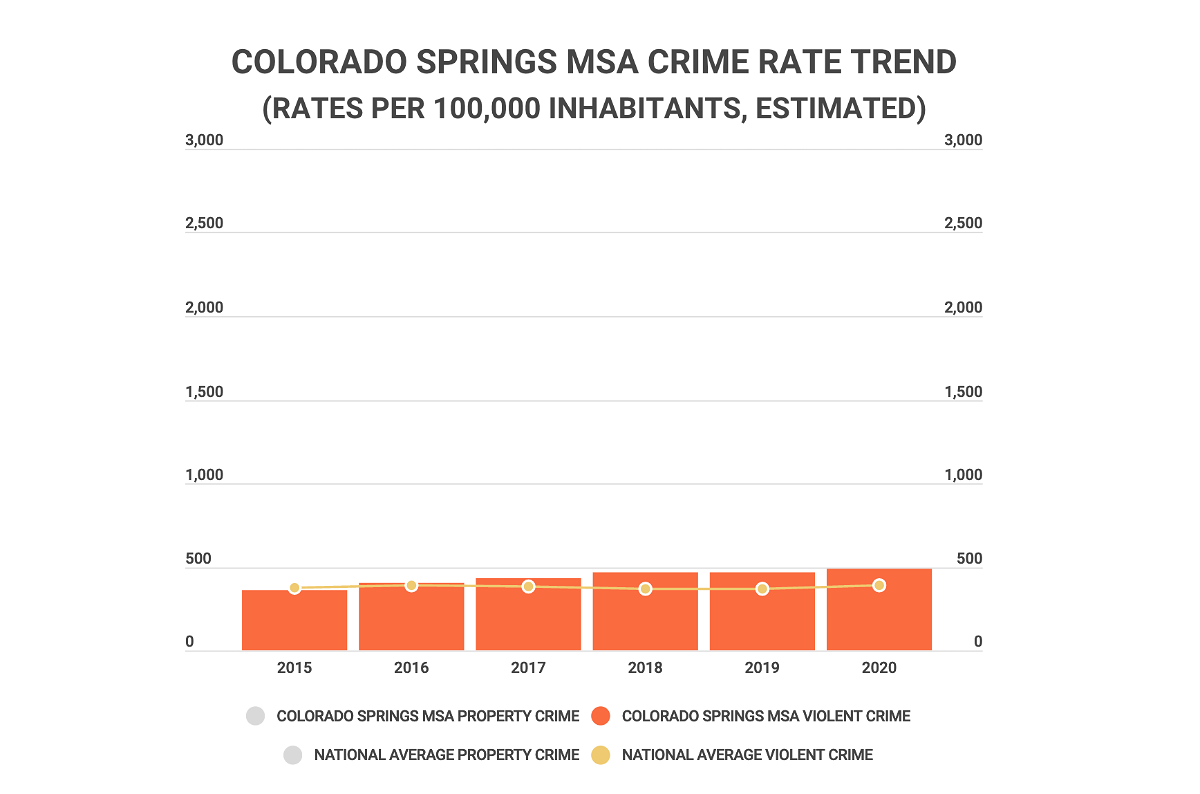
Data Analysis and Targeted Interventions
Leveraging data analysis to identify crime hot spots and understand crime patterns allows law enforcement and city officials to implement more targeted and effective interventions. This data-driven approach can help in allocating resources efficiently and developing strategies that are specifically designed to address the unique crime challenges faced by Colorado Springs.
In conclusion, the question of why Colorado Springs crime rate is perceived as high is a complex one, with no single, simple answer. It is a product of intertwined socio-economic conditions, demographic shifts, and the intricate workings of the criminal justice system. While challenges exist, ongoing efforts focused on community engagement, targeted interventions, and addressing the underlying causes of crime offer a path toward enhancing public safety and improving the quality of life for all residents and visitors to this vibrant city.
LifeOutOfTheBox is a participant in the Amazon Services LLC Associates Program, an affiliate advertising program designed to provide a means for sites to earn advertising fees by advertising and linking to Amazon.com. Amazon, the Amazon logo, AmazonSupply, and the AmazonSupply logo are trademarks of Amazon.com, Inc. or its affiliates. As an Amazon Associate we earn affiliate commissions from qualifying purchases.