
While the mention of Alabama often conjures images of sun-drenched beaches along the Gulf Coast and verdant forests, the question of snowfall might surprise many. Indeed, Alabama experiences winter weather, and with it, the possibility of snow. Understanding the nuances of Alabama’s climate, particularly its varying snowfall patterns across its diverse geography, is key for any traveler planning a visit during the colder months or for those simply curious about the state’s natural phenomena. From the rolling Appalachian foothills in the north to the coastal plains in the south, the likelihood and intensity of snowfall vary considerably.
Understanding Alabama’s Climate
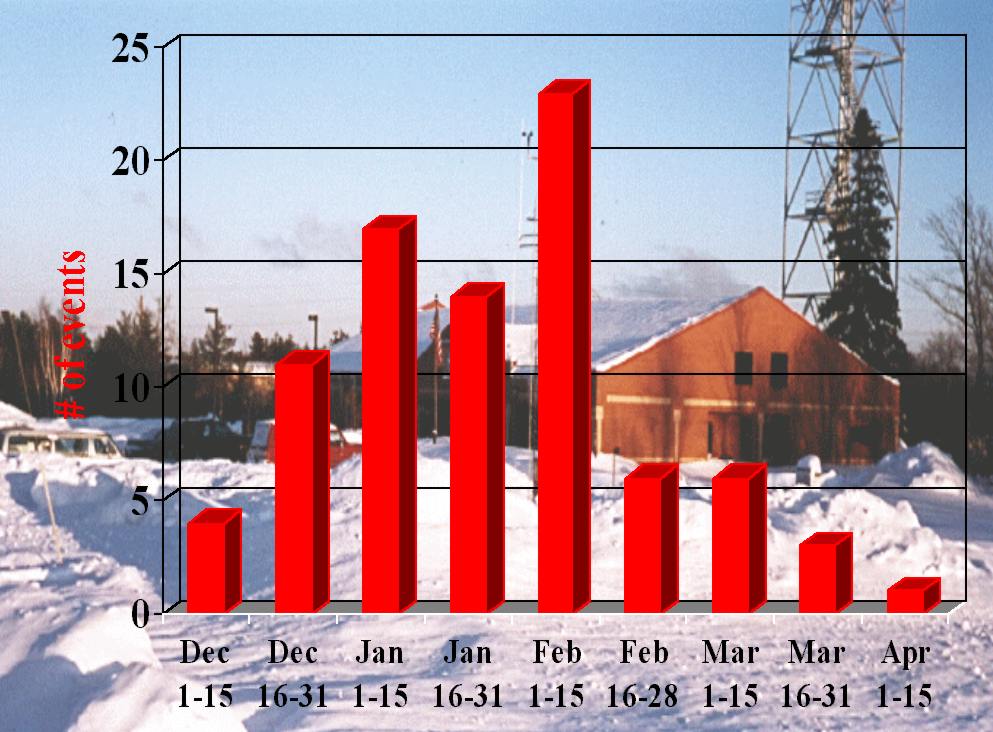
Alabama boasts a humid subtropical climate, characterized by hot, humid summers and mild winters. However, this broad classification belies significant regional variations. The state’s elevation and proximity to different geographical features play a crucial role in determining its weather patterns.
Northern Alabama: The Snow Belt
The northernmost regions of Alabama, particularly areas near the Cumberland Plateau and the Appalachian Mountains, are more prone to experiencing snowfall. Cities like Huntsville and its surrounding areas, which are at higher elevations, can receive measurable accumulations of snow during winter months. These higher elevations often mean colder temperatures that can sustain snowfall when weather systems bring moisture.
- Elevation as a Factor: The increased altitude in North Alabama naturally leads to lower average temperatures compared to the southern parts of the state. This temperature difference is often the deciding factor in whether precipitation falls as rain or snow.
- Typical Snowfall: While not a regular occurrence with heavy accumulations like those found further north in the United States, North Alabama can experience several snow events each winter. These events can range from light dustings to several inches, occasionally causing travel disruptions. Historic snowfalls, though rare, have been known to blanket the region significantly.
Central and Southern Alabama: Occasional Winter Wonders
Central and southern Alabama, including the major cities of Birmingham, Montgomery, and Mobile, receive snow much less frequently. When it does snow in these areas, it is often a fleeting event, with accumulations that melt quickly. However, these occasional snowfalls are memorable and can bring a unique charm to the landscape.
- Rain vs. Snow Threshold: The slightly warmer temperatures in these regions mean that precipitation often falls as rain. For snow to occur, temperatures need to drop to freezing or below at the time of a weather system’s passage, which is less common.
- Impact of Snowfall: When snow does fall in Central and Southern Alabama, it can lead to significant disruptions due to the lack of preparedness and infrastructure for widespread snow and ice. Roads can become hazardous, and school closures are not uncommon. These events are often met with a mix of excitement and trepidation from residents.
Notable Snowfall Events in Alabama
While consistent snowfall isn’t a hallmark of Alabama, the state has experienced its share of memorable winter weather events that have left a lasting impression. These events often become topics of conversation and are remembered for their impact on daily life and the unusual beauty they bring to the landscape.
The “Snowmageddon” of 2014
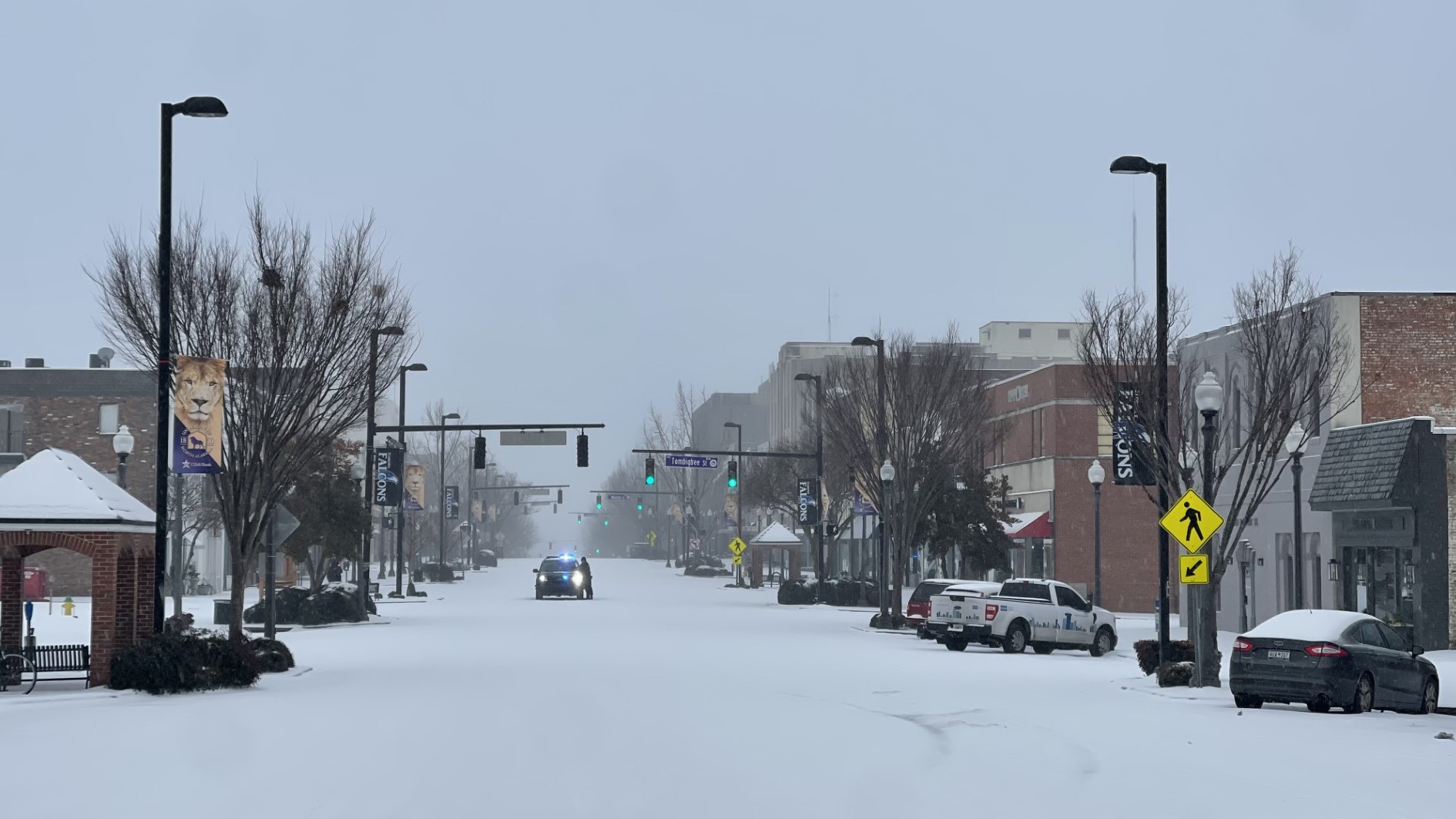
One of the most significant and disruptive snow events in recent memory occurred in late January 2014. Dubbed “Snowmageddon” or “Snowpocalypse” by local media, this storm brought unexpected and substantial snowfall, particularly to Central and Southern Alabama.
- Unexpected Severity: The storm caught many residents off guard. Forecasts had predicted light precipitation, but the low temperatures combined with moisture led to a significant accumulation of snow and ice.
- Transportation Chaos: The primary impact was on transportation. Major interstates, including I-65 and I-20, became gridlocked with stranded motorists, many of whom were schoolchildren unable to get home. The event highlighted the state’s vulnerability to winter weather.
- A Rare Spectacle: For many residents, especially in the southern parts of the state, it was a rare and astonishing sight to see their neighborhoods blanketed in several inches of snow, creating a temporary winter wonderland.
Other Significant Snowfalls
Beyond the 2014 event, Alabama has recorded other instances of snowfall throughout its history. These include:
- Early 2000s Events: Several years in the early 2000s saw noticeable snowfall across various parts of the state, contributing to the perception that Alabama can indeed experience winter snow.
- Infrequent but Memorable: While not an annual occurrence, these events serve as reminders of Alabama’s capacity for winter weather, especially in its northern regions.
Winter Tourism and Activities in Alabama
While Alabama might not be a primary destination for avid skiers or snowboarders, the possibility of snow does open up unique opportunities for winter tourism and local activities.
Experiencing a Snowy Alabama
For visitors or residents who have never experienced snow, or for those who enjoy the novelty of a winter landscape, a snowfall in Alabama can be a charming experience.
- Scenic Drives: In areas that receive snow, particularly North Alabama, scenic drives through the Appalachian foothills can offer picturesque views of snow-dusted trees and rolling hills. Areas around Cheaha State Park can be particularly beautiful.
- Photography Opportunities: The rare sight of snow in the Deep South provides excellent opportunities for photography, capturing unique winter scenes that contrast with the state’s usual lush greenery.
- Local Charm: A light snowfall can transform towns and cities, creating a cozy atmosphere. Local cafes and shops might offer seasonal treats, and the overall mood can be one of quiet celebration.
Preparing for Winter Weather
For those planning a trip to Alabama during the winter months, it’s always advisable to check the weather forecast.
- Northern Regions: If traveling to North Alabama between December and February, pack layers of warm clothing, including a hat, gloves, and a waterproof coat. Be prepared for potentially slick roads if snow is in the forecast.
- Southern Regions: While less likely, brief cold snaps can occur. Even without snow, temperatures can drop, so packing some warmer clothing is prudent for evenings.
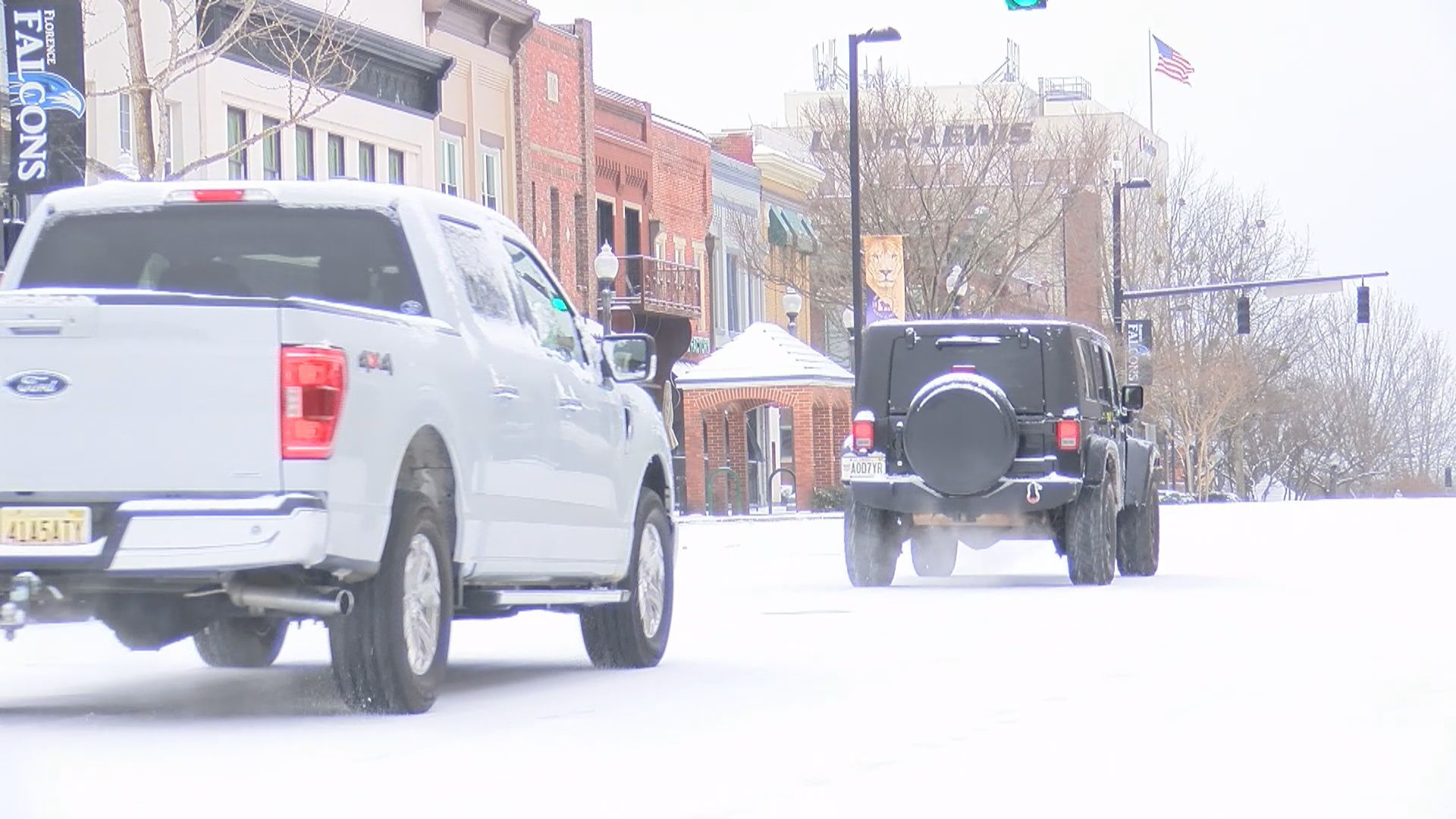
- Driving Considerations: If snow or ice is predicted, especially in the northern half of the state, adjust travel plans accordingly. Road conditions can change rapidly, and emergency services may be stretched thin during significant winter weather events.
In conclusion, the answer to “Does it snow in Alabama?” is a resounding yes, though the frequency and intensity vary greatly by region. While not a common occurrence across the entire state, winter snow is a distinctive feature of North Alabama’s climate and remains a memorable, albeit infrequent, phenomenon for the rest of the state. This climatic nuance adds another layer of interest to the diverse appeal of Alabama, offering unique experiences for those who visit or reside there during the winter season.
LifeOutOfTheBox is a participant in the Amazon Services LLC Associates Program, an affiliate advertising program designed to provide a means for sites to earn advertising fees by advertising and linking to Amazon.com. Amazon, the Amazon logo, AmazonSupply, and the AmazonSupply logo are trademarks of Amazon.com, Inc. or its affiliates. As an Amazon Associate we earn affiliate commissions from qualifying purchases.