
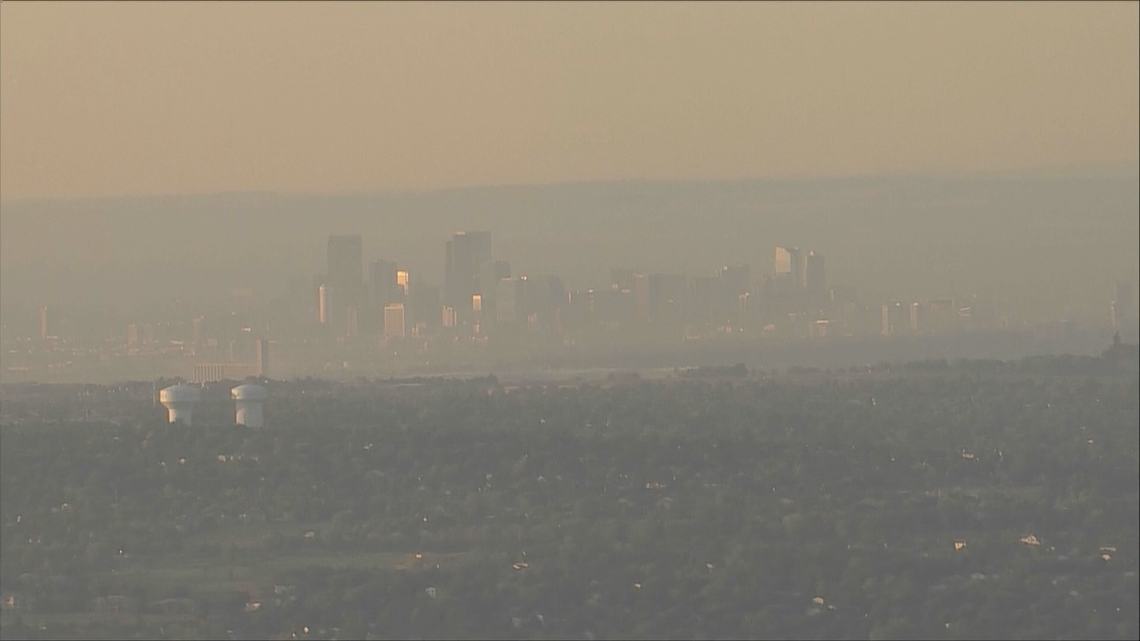
The distinctive scent of woodsmoke, often accompanied by a hazy, muted sky, can be a disconcerting sight and smell for those unaccustomed to it, particularly in a state renowned for its pristine mountain air. When this phenomenon occurs in Colorado, it’s rarely a cause for celebration, but rather a signal of environmental and atmospheric conditions that can impact both the beauty of the landscape and the health of its inhabitants. Understanding the reasons behind the smoky skies is crucial for appreciating the delicate balance of this natural environment and for making informed decisions about outdoor activities.

The primary culprit behind smoky conditions in Colorado is almost invariably wildfire activity. These fires can originate from a variety of sources, including lightning strikes (a natural occurrence in the Rocky Mountains) and human-caused ignitions, such as unattended campfires, discarded cigarettes, or equipment malfunctions. The vast expanses of dry timber and undergrowth, particularly in Colorado’s mountainous terrain, provide ample fuel for these fires to spread rapidly, especially during drier seasons.
Wildfire: The Primary Driver of Smoky Skies
Wildfires in Colorado are not merely isolated incidents; they are often part of a larger regional or even continental pattern. Smoke from fires burning in neighboring states like California, Oregon, Washington, Idaho, or even as far away as Canada can travel hundreds, even thousands, of miles on prevailing wind currents. This means that even if there are no active fires within Colorado itself, residents and visitors can still experience significant smoke impacts.
Causes of Wildfires in Colorado
- Lightning: While often romanticized in nature documentaries, lightning is a significant natural cause of wildfires in Colorado. The dry lightning storms that sweep through the mountains during the summer months can ignite dead trees and dry vegetation, setting the stage for uncontrolled burns.
- Human Activity: Unfortunately, a substantial percentage of wildfires are human-caused. These include:
- Unattended Campfires: Campfires that are not properly extinguished can easily spread to surrounding dry grasses and trees.
- Discarded Cigarettes: A carelessly tossed cigarette butt is a common and preventable cause of ignition.
- Equipment Malfunctions: Sparks from vehicles, chainsaws, or other machinery operating in dry conditions can also initiate fires.
- Arson: While less common, intentional acts of arson contribute to the wildfire problem.
The Impact of Wind Patterns
The direction and strength of the wind play a pivotal role in determining where wildfire smoke travels. Prevailing westerly winds are common in the western United States, meaning that smoke generated from fires to the west can readily be transported into Colorado. Conversely, if fires are burning east of the state, the smoke might not reach Colorado or could dissipate before doing so. Understanding the weather patterns is key to predicting and experiencing smoke events.
Smoke Composition and Health Implications
The smoke produced by wildfires is a complex mixture of gases and fine particles. The most concerning component for human health is fine particulate matter, often referred to as PM2.5. These particles are microscopic and can penetrate deep into the lungs, causing a range of respiratory and cardiovascular problems.
What is PM2.5?
PM2.5 refers to particulate matter with a diameter of 2.5 micrometers or less. For context, a human hair is about 50–70 micrometers wide, making PM2.5 particles incredibly small. They are often a combination of:
- Combusted organic material: Ash and soot from burning wood and vegetation.
- Gases: Carbon monoxide, nitrogen oxides, and volatile organic compounds are released during combustion.
- Trace metals: Can be present depending on the types of vegetation being burned.
Health Effects of Wildfire Smoke Exposure
Exposure to wildfire smoke, even at moderate levels, can have significant health consequences, particularly for vulnerable populations. These include:
- Respiratory Issues:
- Aggravation of asthma and COPD.
- Bronchitis and coughing.
- Shortness of breath.
- Irritation of the nose, throat, and lungs.
- Cardiovascular Problems:
- Increased risk of heart attack and stroke.
- Irregular heart rhythms.
- Eye Irritation:
- Burning, stinging, and redness.
- Watery eyes.
- Headaches and Fatigue: General feelings of unwellness.

Individuals with pre-existing respiratory or heart conditions, children, pregnant women, and the elderly are at a higher risk of experiencing severe health effects from smoke exposure.
Navigating Smoky Conditions in Colorado
When Colorado experiences smoky skies, it necessitates adjustments to daily life and outdoor recreational plans. Being prepared and informed can significantly mitigate the negative impacts of smoke.
Monitoring Air Quality
The most critical step in managing smoke exposure is to monitor air quality. The Colorado Department of Public Health and Environment (CDPHE) and the Environmental Protection Agency (EPA) provide real-time air quality data.
- Air Quality Index (AQI): This system provides a standardized measure of air pollution, with categories ranging from Good to Hazardous. When the AQI reaches unhealthy levels (Unhealthy for Sensitive Groups, Unhealthy, Very Unhealthy, Hazardous), it’s imperative to take precautions.
- Websites and Apps: Resources like AirNow.gov and local news weather reports are essential for tracking AQI levels in specific areas of Colorado, such as Denver, Boulder, or Colorado Springs.
Recommendations for Protection
During periods of poor air quality due to smoke, the following recommendations are crucial:
- Stay Indoors: The most effective way to avoid inhaling smoke particles is to remain inside buildings, especially those with good filtration systems.
- Limit Outdoor Activity: If outdoor activity is unavoidable, keep it brief and at a lower intensity.
- Use High-Efficiency Particulate Air (HEPA) Filters: HEPA filters in portable air purifiers or HVAC systems can significantly improve indoor air quality by removing fine particles.
- Wear a Mask: When venturing outdoors in smoky conditions, wear a properly fitted N95 respirator mask. Surgical masks offer little protection against fine smoke particles.
- Avoid Exercising Outdoors: Strenuous activity increases breathing rate, leading to greater inhalation of smoke pollutants.
- Keep Windows and Doors Closed: Seal your home as much as possible to prevent smoke from entering.
- Reduce Indoor Pollution Sources: Avoid activities that create indoor air pollution, such as smoking, vacuuming without a HEPA filter, or burning candles, as this can exacerbate the problem.
- Stay Hydrated: Drinking plenty of fluids can help your body cope with the effects of smoke exposure.
The Broader Environmental Context
Wildfire smoke in Colorado is not just a temporary nuisance; it’s a symptom of a larger environmental picture that includes climate change and forest management practices. The increasing frequency and intensity of wildfires are linked to rising global temperatures, which lead to drier conditions and longer fire seasons.
Climate Change and Fire Regimes
Climate change is altering the fire regimes in the American West. Warmer temperatures and reduced snowpack contribute to:
- Drier Fuel: Vegetation dries out earlier and remains drier for longer periods, creating more combustible material.
- Longer Fire Seasons: The window of time during which wildfires are likely to occur is expanding.
- Increased Intensity: Fires are burning hotter and spreading faster due to these drier conditions.
Forest Management Practices
Historical forest management practices, including fire suppression, have led to an accumulation of fuel in many forests. While fire suppression is necessary to protect communities, an overly aggressive approach can sometimes lead to more severe fires when they do occur, as the natural clearing of undergrowth is disrupted. Modern forest management increasingly emphasizes prescribed burns and other techniques to reduce fuel loads and restore forest health.
The smoky skies over Colorado serve as a potent reminder of the interconnectedness of our environment. While the immediate concern is air quality and health, the underlying causes highlight the need for broader strategies to address climate change and promote sustainable land management. As Colorado continues to attract visitors and residents drawn to its natural beauty, understanding and adapting to these environmental challenges becomes an integral part of the Colorado experience.
LifeOutOfTheBox is a participant in the Amazon Services LLC Associates Program, an affiliate advertising program designed to provide a means for sites to earn advertising fees by advertising and linking to Amazon.com. Amazon, the Amazon logo, AmazonSupply, and the AmazonSupply logo are trademarks of Amazon.com, Inc. or its affiliates. As an Amazon Associate we earn affiliate commissions from qualifying purchases.