
California, a land celebrated for its golden beaches, towering redwoods, vibrant cities, and innovative spirit, is also renowned for a geological phenomenon that often piques the curiosity and concern of prospective visitors: earthquakes. For many planning a trip to the Golden State, the question isn’t just about iconic landmarks like the Golden Gate Bridge or the allure of Hollywood; it’s also about understanding the natural rhythm of a seismically active region. Delving into the frequency and nature of earthquakes in California is essential for any responsible tourist, allowing for informed travel decisions and a greater appreciation of the state’s dynamic geology.
Understanding California’s Seismic Landscape for Tourists
The notion of earthquakes in California often conjures images of widespread destruction, a perception fueled by dramatic media portrayals and historical events. However, for the average tourist, the reality is far less sensational. California experiences a multitude of earthquakes annually, but the vast majority are so minor they go unnoticed. The state is a global leader in seismic monitoring, with an extensive network of sensors that detect tremors far too small for humans to feel. This robust monitoring system often contributes to the impression of frequent seismic activity, simply because more events are recorded.
From the bustling streets of Los Angeles to the scenic vistas of Yosemite National Park, California’s diverse attractions draw millions of visitors each year. Understanding the state’s seismic backdrop isn’t about fear; it’s about context. It’s about appreciating that the same geological forces that sculpted the dramatic coastline and uplifted mountain ranges also cause the ground to periodically shift. This perspective allows tourists to approach their visit with a blend of awe for natural processes and practical awareness, ensuring a safer and more enriching experience.
The Science Behind the Shakes: What Tourists Should Know
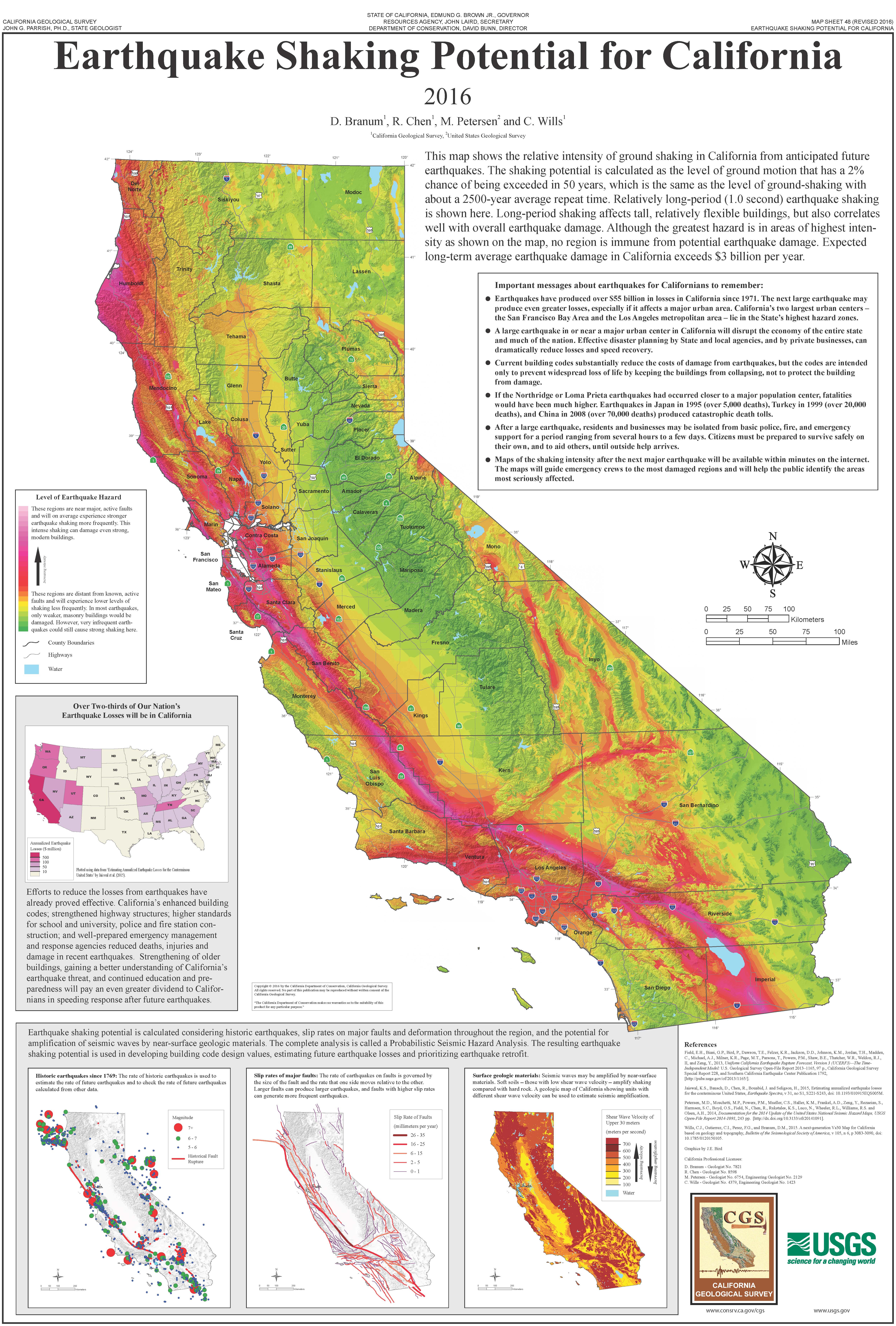
California sits atop the boundary of two major tectonic plates: the Pacific Plate and the North American Plate. These colossal slabs of the Earth’s crust are in constant motion, grinding past each other along a complex network of fault lines. This continuous movement is the fundamental cause of earthquakes.
The San Andreas Fault and Other Seismic Zones
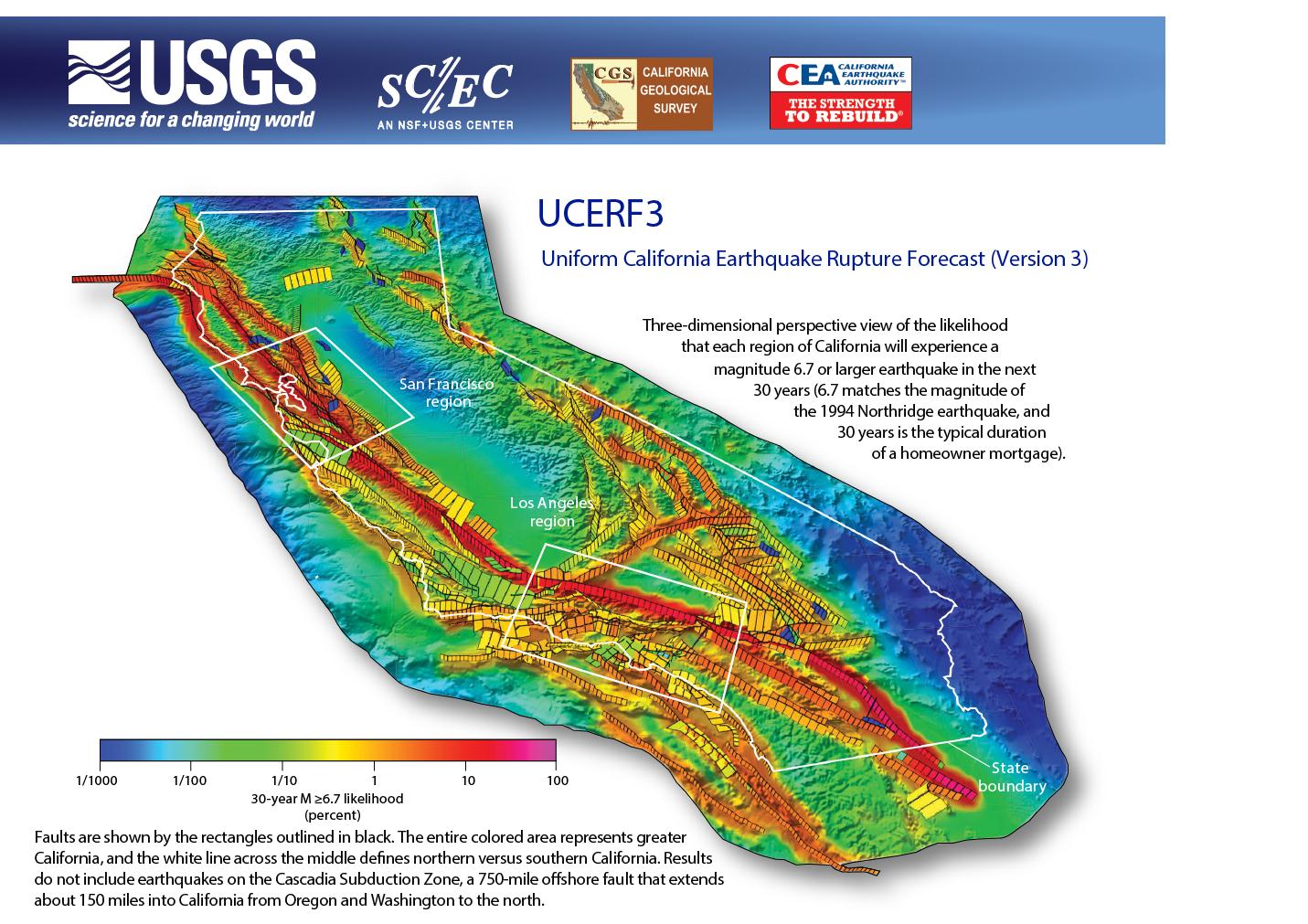
The most famous of these fault lines is the San Andreas Fault, a massive right-lateral strike-slip fault system that runs approximately 800 miles through California. It’s the primary boundary between the Pacific and North American plates. While the San Andreas Fault itself is a major player, it’s not the only one. Many other active faults crisscross the state, forming a web of seismic potential. These include the Hayward Fault in the San Francisco Bay Area, the Nacimiento Fault along the Central Coast, and the Puente Hills Thrust Fault underlying parts of Los Angeles.
Tourists visiting popular destinations like San Francisco, Los Angeles, or Palm Springs are always in proximity to one or more of these active fault zones. However, modern building codes in California are among the strictest in the world, designed to ensure structures can withstand significant seismic activity. This proactive approach to infrastructure safety is a crucial, though often unseen, aspect of the tourist experience in the state.
Differentiating Between Major and Minor Tremors
It’s critical for tourists to understand that not all earthquakes are created equal. The vast majority of seismic events in California are minor tremors, often magnitudes 3.0 or less, which are rarely felt by humans. These micro-quakes are part of the Earth’s constant adjustment and stress release.
Only a fraction of the total recorded earthquakes are strong enough to be felt. And an even smaller fraction are strong enough to cause significant damage. The perception of constant danger is often exaggerated because every detected tremor, no matter how small, is recorded and reported by geological agencies. This transparent reporting, while excellent for scientific research, can sometimes contribute to public anxiety if not properly contextualized.
Earthquake Frequency: The Numbers Game
When asking “how many earthquakes,” it’s vital to define what constitutes an earthquake worthy of note for a tourist. Are we talking about every tiny tremor detected by sensitive instruments, or only those that are perceptible, or those that are damaging?
Daily Micro-Tremors vs. Notable Events
California experiences tens of thousands of earthquakes every year. However, this figure includes countless micro-quakes, often below magnitude 2.0, which can only be detected by seismographs. These are utterly imperceptible to humans and pose no threat.

When we consider earthquakes strong enough to be felt by people (typically magnitude 2.5-3.0 and above), the numbers significantly drop. On average, California records several hundred to a few thousand felt earthquakes annually. Most of these felt events are still minor, perhaps causing a brief rattle or jolt, but no damage. For instance, a magnitude 4.0 earthquake might be felt clearly but is unlikely to cause significant structural damage.
More significant earthquakes, those with magnitudes of 5.0 or higher that could potentially cause moderate damage, occur far less frequently—perhaps a few times a year across the entire state. Truly large, damaging earthquakes (magnitude 6.0 and above) are rare, occurring once every few years or even decades, with major destructive events (magnitude 7.0 and above) being even rarer still, typically decades apart in any given area.
The Likelihood of a Significant Event During Your Visit
Given these statistics, the probability of a tourist experiencing a significantly damaging earthquake during a typical one- or two-week visit to California is remarkably low. It is comparable to, if not less than, the risk of other common travel mishaps, such as flight delays or lost luggage.
Tourist safety in California is a high priority, and preparedness is ingrained into the state’s infrastructure and public awareness campaigns. Visitors should be reassured that while the state is seismically active, the risk of a major disruptive event coinciding with their short trip is minimal. The beauty and excitement of exploring California’s diverse landscapes and cities far outweigh this statistically low risk.
Tourist Preparedness and Safety Tips
While the likelihood of a major earthquake during your trip is small, being informed and prepared is an integral part of responsible tourism. Knowing what to do in the unlikely event of a tremor can provide peace of mind and enhance your overall safety.
Before You Go: Research and Awareness
Prior to your arrival, familiarize yourself with general earthquake safety guidelines. Many hotels and tourist facilities in California have specific protocols in place, which you can inquire about upon check-in. Government websites, such as those from the California Office of Emergency Services (CalOES), offer comprehensive information on earthquake preparedness. It’s also wise to check if your travel insurance covers natural disasters, though this is a general travel tip applicable worldwide.
During Your Stay: Drop, Cover, and Hold On
The universally accepted safety protocol during an earthquake is “Drop, Cover, and Hold On.”
- Drop: Immediately drop to the ground.
- Cover: Take cover under a sturdy piece of furniture, like a desk or table. If no shelter is available, cover your head and neck with your arms and crouch in an inside corner of the building.
- Hold On: Hold onto your shelter until the shaking stops. Be prepared to move with it.
If you are outdoors, move to an open area away from buildings, streetlights, and utility wires. If you are driving, pull over to a clear location and stop, staying inside the vehicle until the shaking stops. Avoid bridges, overpasses, power lines, and signs.
Hotels and public venues in California are typically constructed to strict seismic standards. In the event of an earthquake, remain calm and follow the guidance of hotel staff or local authorities.
Post-Quake: What to Expect
After the shaking stops, be prepared for aftershocks, which can occur minutes, days, or even weeks later. Check yourself and others for injuries. If you are in a building, check for structural damage before moving around. Be mindful of potential hazards like fallen objects, broken glass, or utility leaks. Communication lines might be busy or down, so have a plan to contact loved ones. Always follow instructions from local emergency services.
Embracing the California Experience Responsibly
The seismic activity in California is an intrinsic part of its natural identity, shaping its dramatic landscapes and influencing its resilient culture. For tourists, understanding this aspect of the state not only promotes safety but also enriches the travel experience, offering a deeper appreciation for the dynamic forces at play beneath the surface.
Visiting California offers an unparalleled array of attractions, from the majestic beauty of its national parks to the vibrant energy of its cities. By being informed about its seismic environment, tourists can confidently explore all that the state has to offer, embracing the unique allure of a destination that truly sits on the edge. The occasional tremor serves as a reminder of Earth’s powerful geology, but it should not deter anyone from discovering the endless wonders of the Golden State. With proper awareness and simple preparedness, your trip to California will be memorable for all the right reasons.
LifeOutOfTheBox is a participant in the Amazon Services LLC Associates Program, an affiliate advertising program designed to provide a means for sites to earn advertising fees by advertising and linking to Amazon.com. Amazon, the Amazon logo, AmazonSupply, and the AmazonSupply logo are trademarks of Amazon.com, Inc. or its affiliates. As an Amazon Associate we earn affiliate commissions from qualifying purchases.