
Connecticut’s journey into the world of legalized sports betting has been a dynamic and evolving narrative, offering a glimpse into the state’s approach to regulated gambling and its potential economic impacts. This exploration delves into the current legal landscape, the key players involved, and the types of betting opportunities available to residents and visitors within the state.
The Legislative Pathway to Legal Sports Betting
The legalization of sports betting in Connecticut was not an overnight event but rather a culmination of legislative efforts and public discourse. Following the U.S. Supreme Court’s decision in Murphy v. NCAA in May 2018, which overturned the Professional and Amateur Sports Protection Act (PASPA) of 1992 and allowed individual states to legalize sports betting, Connecticut began exploring its options.
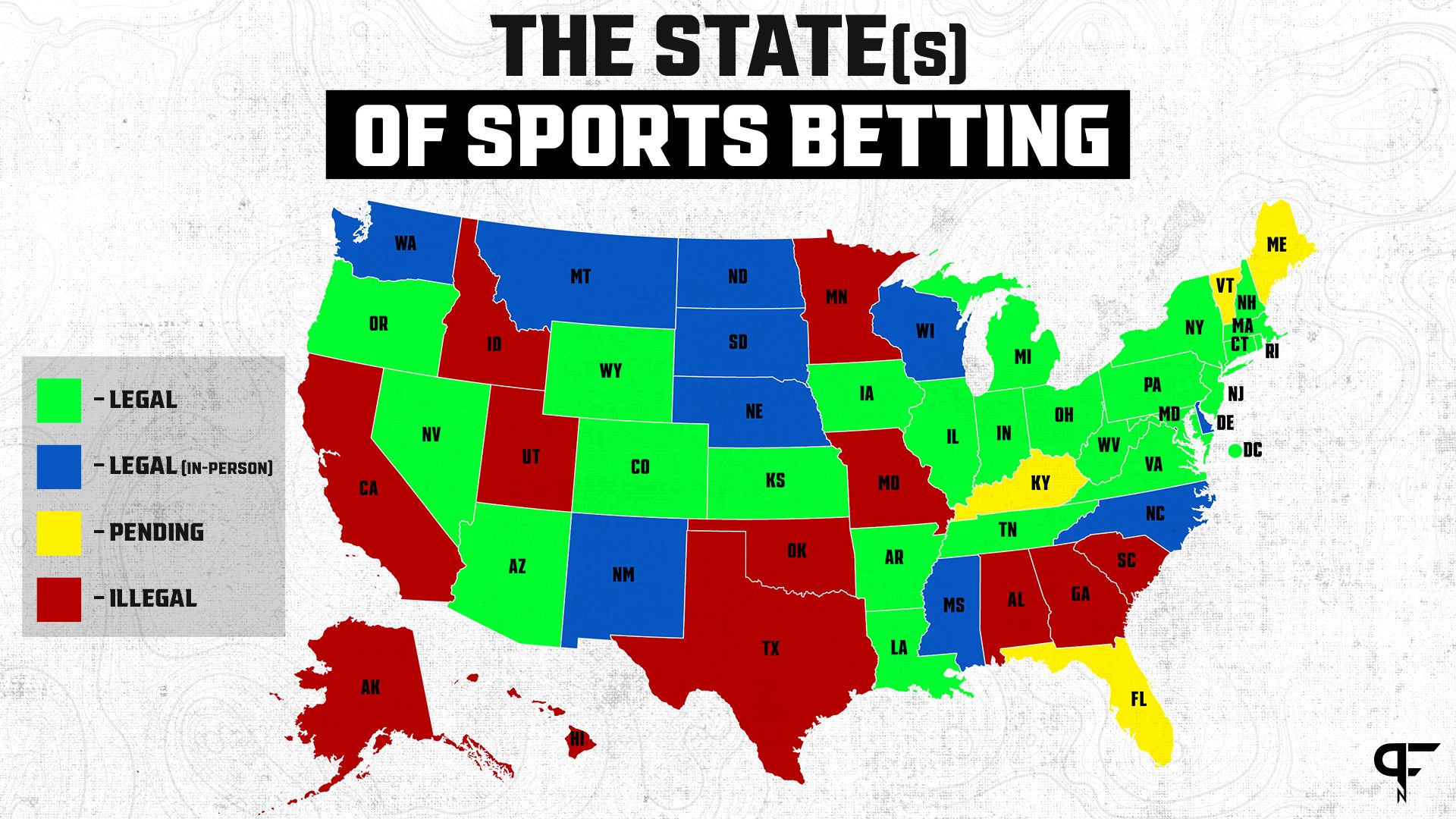
The state’s gaming landscape has historically been shaped by tribal compacts with the federally recognized tribes of the Mashantucket Pequot Tribe and the Mohegan Tribe. These tribes operate major casino resorts in the state, namely the Foxwoods Resort Casino and the Mohegan Sun Casino, respectively. Any expansion of gambling in Connecticut, particularly sports betting, required agreement and negotiation with these powerful tribal entities.
Initial discussions involved various legislative proposals, with debates centering on the scope of legalization, tax rates, and revenue sharing. The aim was to create a regulated market that would not only generate significant tax revenue for the state but also prevent illicit offshore betting and keep gambling activities within state borders, thereby bolstering local economies.
The breakthrough came with the signing of Public Act 21-2, which formally legalized sports betting and online gaming in Connecticut. This legislation was the result of extensive negotiations between the state government, led by Governor Ned Lamont, and the tribal nations. The agreement secured a new revenue-sharing model, allowing the state to benefit from the proceeds of sports betting operations managed by the tribes.
Key Stakeholders and Their Roles
The successful implementation of sports betting in Connecticut hinged on the cooperation and contributions of several key stakeholders:
- The State of Connecticut: The legislative branch, under the governor’s leadership, enacted the laws governing sports betting. The state’s Department of Consumer Protection was tasked with regulating the industry, issuing licenses, and ensuring compliance with all legal and ethical standards.
- Tribal Nations: The Mashantucket Pequot Tribe and the Mohegan Tribe were granted exclusive rights to operate retail and online sports betting. They partnered with established sports betting operators to leverage their expertise and technology.
- Online Sports Betting Operators: These are the companies that provide the technological platforms and services for online sports betting. In Connecticut, the tribes partnered with well-known names in the industry to offer a seamless and engaging betting experience to users. For instance, the Mohegan Tribe partnered with FanDuel, and the Mashantucket Pequot Tribe partnered with DraftKings.
- The Public: Residents and visitors of legal betting age are the end-users of these services. Their engagement is crucial for the success of the regulated market, and they are protected by the state’s consumer protection laws.
Where Can You Bet on Sports in Connecticut?
Connecticut offers both retail and online sports betting options, providing flexibility for individuals who wish to place wagers.
Retail Sportsbooks
For those who prefer the traditional brick-and-mortar casino experience, Connecticut has established retail sportsbooks at the state’s two major tribal casinos. These venues provide a lively atmosphere, often featuring large screens for game viewing, comfortable seating, and dedicated betting windows and kiosks.
- Mohegan Sun FanDuel Sportsbook: Located within the Mohegan Sun Casino, this state-of-the-art sportsbook offers a comprehensive betting experience. Visitors can place bets, watch live games, and enjoy the amenities of the casino resort.
- Foxwoods Resort Casino (DraftKings Sportsbook): Similarly, the Foxwoods Resort Casino features a DraftKings-branded sportsbook. This location provides patrons with a dedicated space to engage in sports wagering while enjoying the entertainment offerings of the casino.
These retail locations serve as hubs for sports enthusiasts, combining the thrill of betting with the broader entertainment package offered by the casinos. They are ideal for those who enjoy the social aspect of watching games and placing bets among fellow fans.
Online Sports Betting and iGaming
In parallel with the retail offerings, Connecticut has embraced online sports betting and iGaming, making it accessible from virtually anywhere within the state. This digital expansion caters to a growing segment of the population that prefers the convenience of betting from their smartphones, tablets, or computers.
The online platforms are operated by the same tribal partners who manage the retail sportsbooks:
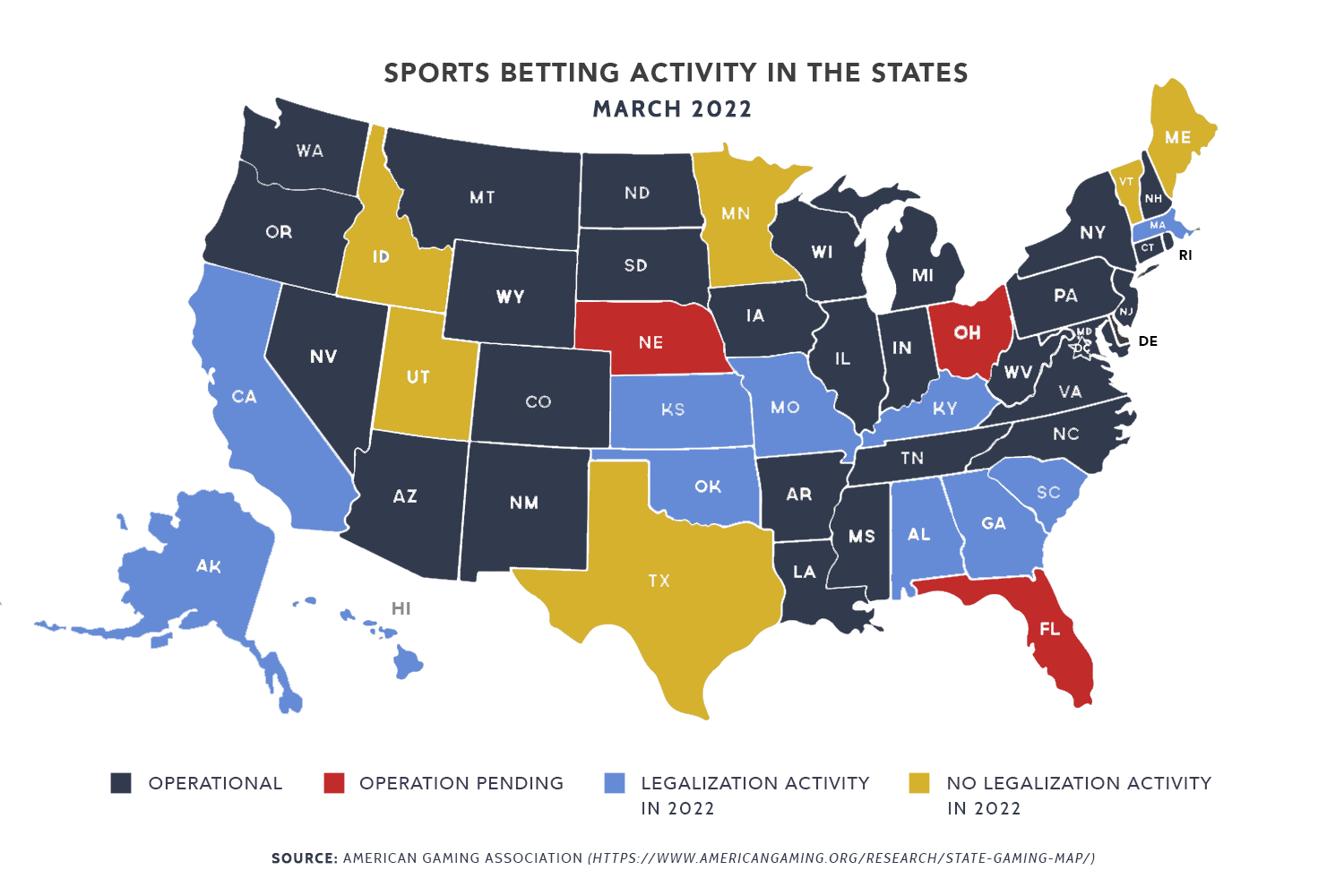
- Mohegan Digital (FanDuel): The online platform associated with the Mohegan Sun Casino allows users to bet on a wide array of sporting events, access casino games, and participate in other forms of online gambling.
- Mashantucket Pequot Digital (DraftKings): The Mashantucket Pequot Tribe offers its online services through a partnership with DraftKings. This platform provides comprehensive sports betting options alongside a full suite of iGaming products, including online slots and table games.
To participate in online sports betting in Connecticut, users must be at least 21 years of age and physically located within the state’s borders. Geolocation technology is employed to verify the location of users, ensuring compliance with state regulations. The online platforms are designed to be user-friendly, offering intuitive interfaces and secure payment options.
Types of Sports Bets Available
The sports betting market in Connecticut offers a diverse range of bet types to cater to different levels of betting expertise and preferences. Whether you’re a seasoned bettor or new to the scene, there are options to suit your interest.
Popular Bet Types
- Moneyline Bets: This is the simplest form of betting, where you wager on which team or individual will win a specific game or match outright. The odds reflect the perceived likelihood of each outcome.
- Point Spread Bets: In this type of bet, a margin of victory is applied. The favorite team must win by a certain number of points (or goals, runs, etc.) for the bet to be successful, while the underdog can win outright or lose by fewer than the spread.
- Over/Under (Totals) Bets: This involves betting on the total number of points scored by both teams combined in a game. Bettors predict whether the actual total will be higher or lower than the line set by the sportsbook.
- Prop Bets (Proposition Bets): These are wagers on specific occurrences within a game that do not necessarily relate to the final outcome. Examples include betting on the first player to score, the number of touchdowns a quarterback will throw, or whether a specific player will achieve a certain statistic.
- Parlays: A parlay is a bet that combines two or more individual wagers into a single bet. All selections within the parlay must win for the bet to pay out. While riskier, parlays offer the potential for larger winnings due to the multiplied odds.
- In-Game (Live) Betting: This allows bettors to place wagers on games that are already in progress. Odds constantly adjust based on the live action, offering dynamic betting opportunities.
Sports Covered
The legal sports betting market in Connecticut covers a wide spectrum of popular sports, ensuring that there are betting opportunities for almost every fan. These typically include:
- Professional Football (NFL): A dominant sport for betting, offering markets on regular season games, playoffs, and the Super Bowl.
- Professional Basketball (NBA): Similar to football, the NBA generates significant betting interest throughout its season and playoffs.
- Professional Baseball (MLB): Baseball season is long, providing ample opportunities for moneyline, run line, and over/under bets.
- Professional Hockey (NHL): Hockey betting is popular, especially during the regular season and the Stanley Cup playoffs.
- College Sports: While regulations can vary, college football and basketball are often included, subject to specific state laws and limitations.
- International Sports: Depending on the operator and specific regulations, betting may also be available on major international soccer leagues, tennis tournaments, golf championships, and other global sporting events.
It is important for bettors to familiarize themselves with the specific rules and offerings of each licensed sportsbook in Connecticut, as the exact range of sports and bet types may differ slightly between operators.
Responsible Gambling and Consumer Protection
As sports betting becomes more integrated into the entertainment landscape of Connecticut, the emphasis on responsible gambling and consumer protection remains paramount. The state’s regulatory framework is designed to ensure a safe and fair betting environment for all participants.
Regulatory Oversight
The Connecticut Department of Consumer Protection plays a crucial role in overseeing the licensed sports betting operators. This oversight includes:
- Licensing and Vetting: Ensuring that all operators meet stringent licensing requirements and undergo thorough background checks.
- Compliance Monitoring: Regularly auditing sportsbooks to ensure adherence to all state laws and regulations, including advertising standards, data security, and responsible gaming practices.
- Dispute Resolution: Providing a mechanism for consumers to report issues or disputes with licensed operators and facilitating fair resolutions.
- Player Protection Measures: Mandating that operators implement features that promote responsible gambling, such as self-exclusion programs, deposit limits, and time-out options.
Promoting Responsible Gambling
Legal sports betting is intended to be a form of entertainment, and responsible operators and regulators are committed to preventing problem gambling. Several resources and tools are available to Connecticut residents:
- Self-Exclusion Programs: Individuals who feel they may have a gambling problem can voluntarily ban themselves from participating in sports betting or visiting casino establishments for a specified period.
- Deposit and Spending Limits: Online platforms typically allow users to set daily, weekly, or monthly limits on the amount of money they can deposit or wager, helping to manage spending.
- Time Management Tools: Features that allow players to set time limits for their online gaming sessions can also be beneficial.
- Information and Support: The state provides links to resources and helplines for individuals and families affected by problem gambling. Organizations like the Connecticut Council on Problem Gambling offer professional assistance and support.
By adhering to these regulations and promoting responsible practices, Connecticut aims to create a sustainable and ethical sports betting market that benefits the state and its residents while safeguarding those who may be vulnerable to gambling addiction.
LifeOutOfTheBox is a participant in the Amazon Services LLC Associates Program, an affiliate advertising program designed to provide a means for sites to earn advertising fees by advertising and linking to Amazon.com. Amazon, the Amazon logo, AmazonSupply, and the AmazonSupply logo are trademarks of Amazon.com, Inc. or its affiliates. As an Amazon Associate we earn affiliate commissions from qualifying purchases.