
Connecticut, a state often celebrated for its rich history, picturesque New England charm, and vibrant cultural tapestry, holds a unique place in the fabric of the United States. For those planning a visit or seeking to understand its geographical and administrative identity, knowing its official abbreviation is a fundamental piece of information. This knowledge is particularly useful when navigating official documents, planning travel itineraries, or simply engaging with information about the state. Understanding the context and purpose of Connecticut’s abbreviation sheds light on broader conventions within the U.S. postal system and official state designations.
The Official Abbreviation of Connecticut
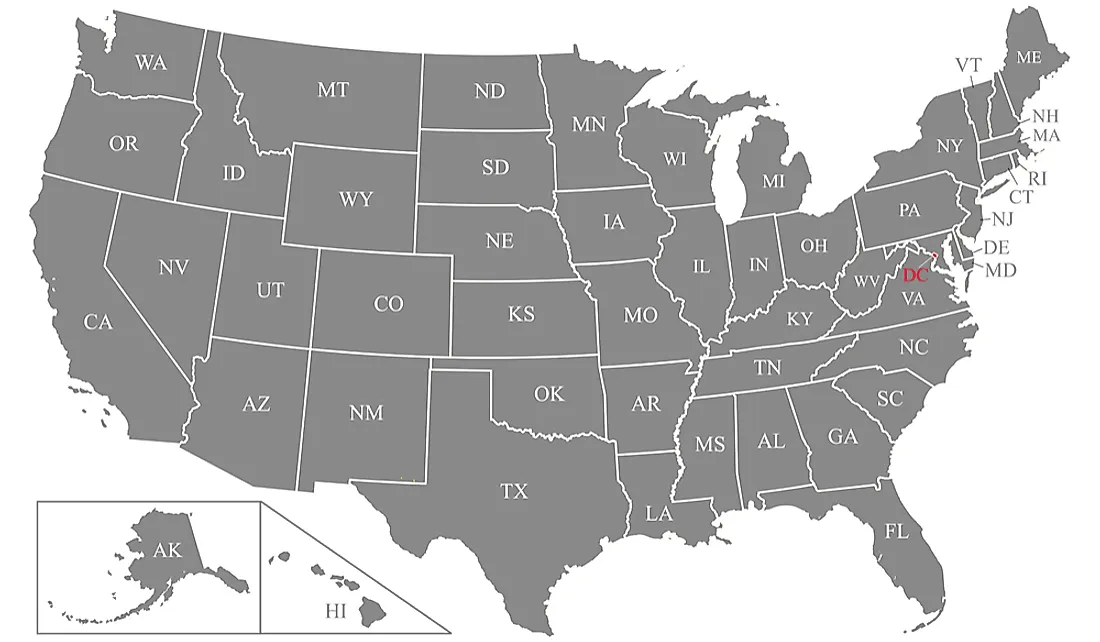
The official U.S. Postal Service abbreviation for Connecticut is CT. This two-letter code is widely used for mail sorting and addressing, ensuring efficient delivery across the nation. Adopted by the United States Postal Service (USPS) in 1963, this abbreviation replaced the previous longer, more traditional abbreviations. The standardization of these two-letter codes was a significant undertaking aimed at modernizing the postal system and improving the speed and accuracy of mail processing. Prior to 1963, states had varying abbreviations, some of which were quite lengthy and prone to confusion. The implementation of the CT code for Connecticut streamlined this process, making it instantly recognizable to postal workers and the general public alike. This seemingly small detail plays a crucial role in the logistical operations that connect individuals and businesses across the vastness of the country.

Historical Context of State Abbreviations
The evolution of state abbreviations is intertwined with the history of the United States postal service and the need for standardization. Before the widespread adoption of the two-letter codes, states were often abbreviated using a variety of systems. For instance, “Conn.” was a common abbreviation for Connecticut, but variations existed, leading to potential ambiguity. The push for a uniform system gained momentum in the mid-20th century. In 1963, the USPS introduced the now-familiar two-letter codes for all 50 states, five territories, and the District of Columbia. This initiative was not just about shortening state names; it was a critical step in preparing for the era of automated mail sorting. The simpler, more consistent codes allowed machines to read addresses more accurately, significantly reducing errors and speeding up delivery times. This historical shift from more verbose abbreviations to concise two-letter identifiers is a testament to the ongoing effort to optimize national infrastructure and communication.
Practical Applications of CT
The abbreviation “CT” is far more than just a postal identifier. It finds its way into a multitude of practical applications, especially for travelers and those engaged with the state’s commerce and administration. When booking accommodations, whether a quaint bed and breakfast in Mystic or a luxury resort in the Litchfield Hills, you will likely see “CT” used in address fields. Similarly, when purchasing goods or services online from businesses within the state, the shipping address will prominently feature “CT.” This also extends to official forms, driver’s licenses, and vehicle registrations. For businesses, including “CT” in marketing materials or company registrations ensures clarity and adherence to standardized formats. For example, a company registered in Hartford would list its address as Hartford, CT. This consistent use fosters a sense of national integration and facilitates inter-state communication and commerce.
Beyond the Abbreviation: Exploring Connecticut’s Identity
While “CT” serves as a functional designation, it is merely the gateway to understanding the rich and diverse character of Connecticut. The state offers a compelling blend of historical significance, natural beauty, and cultural vibrancy, making it a rewarding destination for a variety of interests. From its charming seaside towns to its rolling inland landscapes, Connecticut provides a microcosm of the broader New England experience.
Historical Landmarks and Cultural Attractions
Connecticut is steeped in American history, boasting numerous landmarks that tell the story of its colonial past and its role in shaping the nation. Visitors can explore the historic halls of the Old State House in Hartford, a magnificent example of Georgian architecture that once served as the legislative center of the state. The maritime heritage of Connecticut is vividly preserved in towns like Mystic, home to the renowned Mystic Seaport Museum, a living history museum that transports visitors back to the age of tall ships and seafaring adventures. For those interested in presidential history, the Gilder Lehrman Center for the Study of Slavery, Resistance, and Abolition at Yale University in New Haven offers profound insights into a critical period of American history. The state also boasts the Mark Twain House & Museum and the Harriet Beecher Stowe Center, providing a glimpse into the lives and works of two of America’s most influential literary figures.
Natural Beauty and Outdoor Pursions
Connecticut’s geographical diversity offers ample opportunities for outdoor exploration and enjoyment. The Berkshire Hills in the western part of the state provide stunning vistas and a haven for hiking, biking, and scenic drives. The Connecticut River Valley is a vital ecological corridor, offering opportunities for kayaking, birdwatching, and enjoying the serene beauty of riparian landscapes. Along the coastline, charming towns like Westport and Madison offer sandy beaches, picturesque harbors, and a refreshing coastal breeze. State parks such as Hammonasset Beach State Park, Connecticut’s longest public beach, provide excellent recreational facilities and opportunities to connect with nature. For those seeking a more rugged experience, the Nipmuck State Forest in the northeastern part of the state offers extensive trail networks for hiking and exploring its dense woodlands.
Culinary Delights and Local Experiences
A visit to Connecticut would be incomplete without indulging in its diverse culinary scene. The state is renowned for its fresh seafood, particularly its delectable oysters and the famous New England clam bake. The town of Mystic is also synonymous with the iconic Mystic Pizza, a beloved local institution that gained national fame. Beyond seafood, Connecticut’s agricultural heritage is reflected in its farmers’ markets, offering a bounty of fresh produce, artisanal cheeses, and local wines. Exploring the state’s numerous wineries and breweries provides a delightful way to sample regional flavors. The cultural landscape is further enriched by a thriving arts scene, with numerous theaters, galleries, and music venues scattered throughout the state, particularly in cities like New Haven, Hartford, and Stamford. Experiencing these local offerings provides an authentic taste of Connecticut life.
Navigating Connecticut: Travel and Accommodation Tips
Understanding the “CT” abbreviation is the first step in planning a seamless journey through Connecticut. Whether you are a seasoned traveler or a first-time visitor, a few practical tips can enhance your experience. The state’s compact size and well-developed infrastructure make it relatively easy to navigate, offering a diverse range of travel options and accommodations to suit every preference and budget.
Transportation and Logistics
Connecticut is well-served by major transportation networks. Bradley International Airport (BDL) near Hartford is the state’s primary air hub, offering connections to numerous domestic and international destinations. For rail travel, Amtrak operates several key lines, including the Northeast Corridor, connecting cities like New Haven, Hartford, and Stamford to major metropolitan areas such as New York City and Boston. The Metro-North Railroad provides commuter rail service between Connecticut and Grand Central Terminal in New York City, making day trips and commutes convenient. Driving is also a popular option, with major interstates like I-95 along the coast and I-84 traversing the central part of the state. Car rentals are widely available at the airport and in major towns. Once in Connecticut, public transportation options within cities vary, but ride-sharing services and taxis are generally accessible.
Accommodation Choices
Connecticut offers a wide spectrum of accommodation options, from luxurious resorts to charming boutique hotels and budget-friendly motels. In cities like Hartford and New Haven, you will find a concentration of business-oriented hotels and full-service establishments. Coastal towns such as Old Saybrook and Guilford are known for their quaint inns and bed and breakfasts, offering a more intimate and personalized experience. The Litchfield Hills region is dotted with rustic lodges and charming country inns, perfect for a romantic getaway or a peaceful retreat. For families or longer stays, vacation rentals and apartments can be a convenient and cost-effective choice. When booking, always ensure the address is correctly listed with “CT” to guarantee accurate directions and delivery services. Many hotels offer amenities like on-site dining, fitness centers, and swimming pools, catering to diverse guest needs.

Planning Your Itinerary
When planning a trip to Connecticut, consider your interests and the time of year. Spring and fall offer pleasant weather for exploring historical sites and enjoying the vibrant foliage. Summer is ideal for coastal activities and outdoor adventures. Winter provides opportunities for skiing in the northern parts of the state and enjoying cozy indoor attractions. Researching specific events and festivals occurring during your visit can also enrich your experience. Whether you are drawn to the historical significance of towns like Glastonbury, the intellectual allure of university towns like Storrs, or the picturesque charm of its many villages, Connecticut, with its recognizable abbreviation “CT,” offers a memorable and rewarding travel experience.
LifeOutOfTheBox is a participant in the Amazon Services LLC Associates Program, an affiliate advertising program designed to provide a means for sites to earn advertising fees by advertising and linking to Amazon.com. Amazon, the Amazon logo, AmazonSupply, and the AmazonSupply logo are trademarks of Amazon.com, Inc. or its affiliates. As an Amazon Associate we earn affiliate commissions from qualifying purchases.