
The iconic Michigan Central Station in Detroit, a majestic symbol of the city’s industrial past and a beacon of its revitalizing future, has long been a subject of intense interest. For years, its grand halls have echoed with the whispers of history, its towering facade a silent sentinel over the urban landscape. Now, with significant investment and a clear vision, the question on many minds is not if it will open, but when. This article delves into the ambitious plans for its transformation, exploring the timeline, the purpose of its rebirth, and what this landmark opening signifies for the city of Detroit and its burgeoning tourism sector.

A New Era for an Architectural Icon
The Michigan Central Station, designed by the architectural firm Warren & Wetmore (also known for Grand Central Terminal in New York City), was once the tallest train station in the world. Opened in 1913, it served as a vital gateway to Detroit for millions of travelers, a testament to the city’s automotive prowess and economic might. However, with the decline of rail travel, it fell into disuse in 1988 and has remained vacant for decades, becoming a symbol of urban decay for some, and a canvas for urban exploration and artistic interpretation for others.
The Ford Motor Company Acquisition and Vision
In 2018, Ford Motor Company acquired the 500,000-square-foot structure with a bold plan to revitalize it. The vision is not to simply restore the building to its former glory as a functional train station, but to reimagine it as a hub for innovation, technology, and community. This extensive renovation project aims to transform the Detroit landmark into a dynamic mixed-use development, breathing new life into the surrounding Corktown neighborhood.
The primary objective for Ford Motor Company is to create a central campus for its burgeoning mobility and technology division. This will include office spaces designed to foster collaboration and creativity, research and development facilities, and spaces for startups and entrepreneurs. The hope is that by bringing a significant workforce to the building, it will not only stimulate economic activity within the station itself but also catalyze further development and investment in the Corktown area and beyond.
Renovation Progress and Challenges
The restoration of Michigan Central Station is a monumental undertaking. The sheer scale of the building, coupled with decades of neglect, presents numerous challenges. The process has involved extensive structural repairs, asbestos abatement, the replacement of thousands of windows, and the meticulous restoration of its ornate interior details, including the soaring ceiling of the main concourse, the grand staircase, and the marble walls.
Preserving the architectural integrity of the building while integrating modern technology and functionality has been a key focus. Engineers and architects have worked diligently to honor the original design while ensuring the structure meets contemporary building codes and sustainability standards. The project has also emphasized local craftsmanship, employing a significant number of Detroit-area contractors and tradespeople, further embedding the revitalization effort within the community.
The Grand Opening: Timeline and Expectations
The anticipation for the opening of Michigan Central Station has been building for years. While initial timelines have shifted due to the complexities of the renovation, the project has consistently progressed, offering glimpses of its eventual splendor.
Key Milestones and Projections
Ford Motor Company has been providing updates on the renovation, with significant milestones achieved in recent years. The exterior has been largely restored, showcasing its impressive Beaux-Arts architecture. Interior work has progressed steadily, with key spaces nearing completion.
While specific opening dates can be subject to change, the most recent indications point towards a phased opening, with the main office spaces for Ford employees expected to be operational first. A broader public opening, allowing for wider access to the building’s amenities and public spaces, is anticipated to follow. The exact timing for this broader public engagement remains a topic of keen interest for both residents and visitors to Detroit. Expectations are high for a grand reveal that will honor the building’s historic significance and its new purpose.
What to Expect Upon Opening
Once fully operational, Michigan Central Station is envisioned as more than just an office building. It’s intended to be a destination in itself, drawing people from across Detroit and beyond. The plans include:
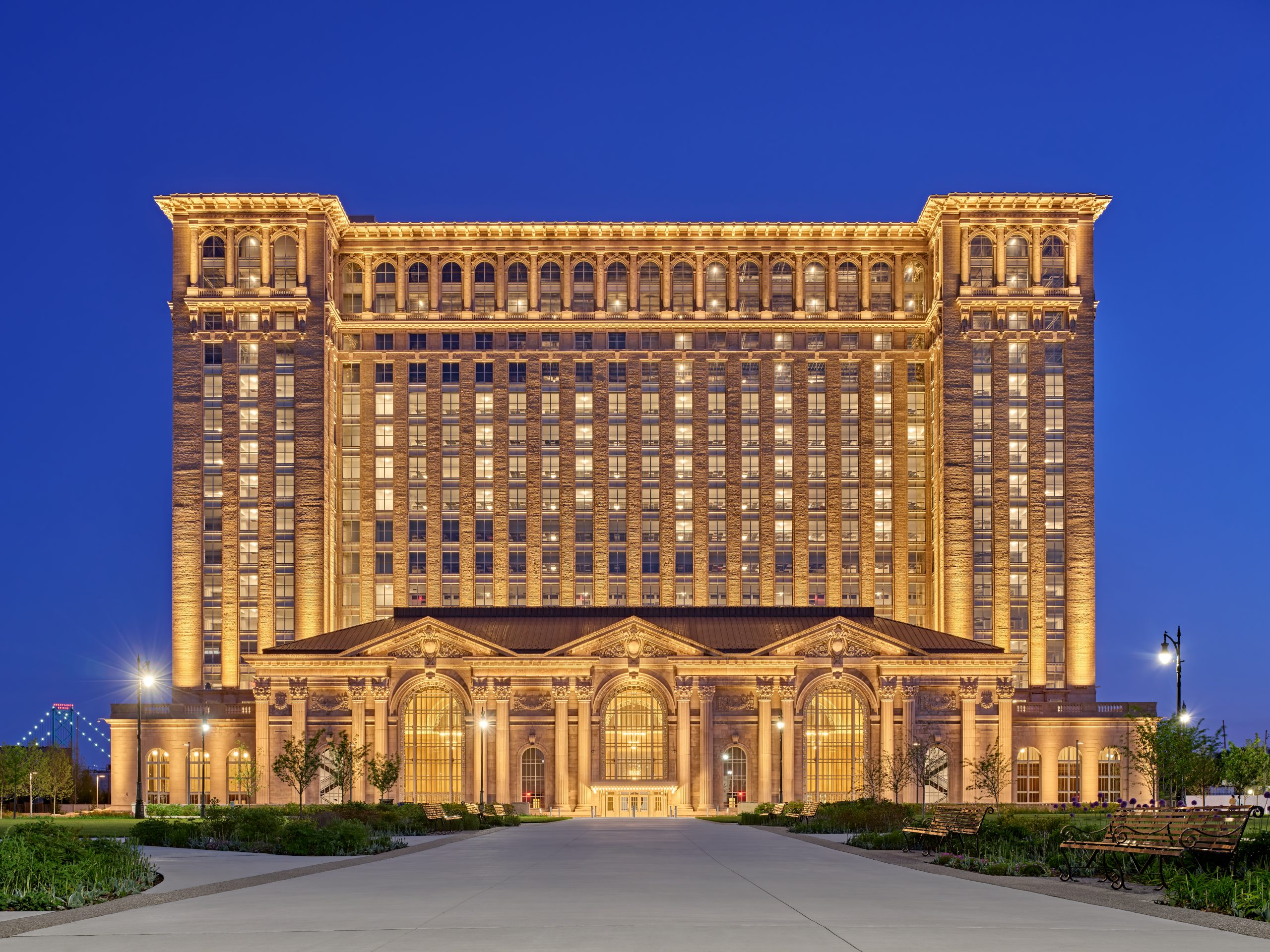
- Office and Innovation Spaces: The core of the building will house Ford’s mobility and technology teams, fostering an environment of cutting-edge development.
- Retail and Dining: Retail outlets and diverse culinary experiences are slated to occupy the ground floors, offering amenities for employees and visitors alike. This could range from quick-service cafes to more upscale dining options.
- Event and Public Spaces: The grand concourse and other magnificent spaces are being designed to host public events, art installations, and community gatherings, reclaiming these areas for the public.
- Hospitality: Reports suggest potential for hotel or short-term accommodation facilities within or adjacent to the station, further enhancing its appeal as a destination.
- Connectivity: While not a primary rail hub in the traditional sense, the station’s revitalization is expected to improve local transportation links and pedestrian access, integrating it more seamlessly into the urban fabric.
The opening is poised to be a significant cultural and economic event for Detroit, offering a tangible symbol of the city’s resilience and forward-looking spirit.
Impact on Detroit’s Tourism and Identity
The reopening of Michigan Central Station is poised to have a profound impact on Detroit’s identity and its burgeoning tourism landscape. This architectural marvel, once a symbol of decline, is set to become a vibrant landmark once again, drawing visitors and rekindling civic pride.
A New Anchor for Detroit Tourism
For years, Detroit has been experiencing a renaissance, with increased interest in its rich history, diverse culture, and innovative spirit. The addition of a fully restored and functional Michigan Central Station will provide a significant new draw for tourists. It will serve as a powerful visual representation of the city’s past, its present transformation, and its future aspirations.
The station’s location in the historic Corktown neighborhood also positions it to enhance the appeal of the surrounding area. Corktown, already known for its charming streets, historic architecture, and acclaimed restaurants, will likely see an influx of visitors drawn to the revitalized station. This could lead to increased foot traffic for existing businesses and encourage new entrepreneurial ventures in the vicinity.
Rekindling Civic Pride and Cultural Narrative
The restoration of Michigan Central Station represents a significant win for the spirit of Detroit. It is a testament to the belief in the city’s potential and a powerful narrative of renewal. For residents, it offers a chance to reconnect with a beloved landmark that holds deep personal and collective memories.
The building’s grand scale and stunning architecture are inherently appealing, offering visitors a chance to step back in time while experiencing the cutting edge of innovation. It will undoubtedly become a prime spot for photography, a destination for architectural enthusiasts, and a place where stories of Detroit’s past and future converge. The opening will not just be the unveiling of a building, but the reassertion of a cultural icon onto the global stage.
Beyond the Station: Broader Implications for Detroit
The success of the Michigan Central Station redevelopment project has broader implications for Detroit, influencing perceptions, attracting further investment, and shaping the city’s future trajectory.
A Catalyst for Further Urban Revitalization
The massive investment by Ford Motor Company in Michigan Central Station serves as a strong signal to other corporations and developers about the viability and potential of Detroit as a place for significant investment. The project’s success is likely to inspire similar large-scale revitalizations of underutilized or historic properties across the city.
The job creation associated with the renovation and the ongoing operation of the station will provide tangible economic benefits to the residents of Detroit. Moreover, the influx of talent and capital that Ford aims to attract to the station can foster a more dynamic and innovative economic ecosystem. This can lead to the creation of new industries and job opportunities, further diversifying the city’s economy beyond its historical manufacturing roots.

Detroit’s Evolving Narrative
Detroit has long grappled with a narrative shaped by economic hardship and urban decline. However, in recent years, a new story has begun to emerge – one of resilience, creativity, and reinvention. The revitalization of Michigan Central Station is a central chapter in this evolving narrative.
It demonstrates a commitment to preserving the city’s unique architectural heritage while embracing the future. The project is a powerful symbol of hope and progress, showcasing Detroit as a city that is not afraid to tackle ambitious challenges and emerge stronger. The anticipation surrounding its opening reflects a broader optimism for the city’s continued growth and its re-emergence as a significant cultural and economic center. When the doors of Michigan Central Station finally swing open to the public, it will mark not just the rebirth of a building, but a significant milestone in the ongoing story of Detroit.
LifeOutOfTheBox is a participant in the Amazon Services LLC Associates Program, an affiliate advertising program designed to provide a means for sites to earn advertising fees by advertising and linking to Amazon.com. Amazon, the Amazon logo, AmazonSupply, and the AmazonSupply logo are trademarks of Amazon.com, Inc. or its affiliates. As an Amazon Associate we earn affiliate commissions from qualifying purchases.