
The question “How far is Detroit to Toledo?” is one frequently posed by travelers and locals alike, seeking to understand the proximity between these two significant Midwestern cities. Situated in close geographical relation, the distance between Detroit and Toledo is surprisingly manageable, making them ideal for day trips, weekend getaways, or as points on a broader regional exploration. This article delves into the various aspects of this journey, focusing on travel times, route options, and the inherent appeal of visiting both metropolitan areas.
Navigating the Route: Distance and Travel Time
The primary consideration when assessing the distance between Detroit and Toledo is the driving distance, which is relatively short. The most direct and commonly used route spans approximately 55 to 60 miles, depending on the specific starting and ending points within each city. This translates to a driving time of roughly 1 hour to 1 hour and 15 minutes under normal traffic conditions.

Direct Driving Routes
The most straightforward path involves utilizing major interstate highways. The primary artery connecting the two cities is Interstate 75 (I-75). Travelers heading south from Detroit will merge onto I-75 South, which directly leads them into Toledo. This highway is well-maintained and offers a consistent driving experience, making it the preferred choice for most.
- From Downtown Detroit to Downtown Toledo: This route typically involves navigating through Detroit’s downtown streets to reach I-75 South. The journey will then follow I-75 South for the entirety of the distance, crossing the state line from Michigan into Ohio.
- Factors Affecting Travel Time: While the average drive is around an hour, several factors can influence this. Rush hour traffic in both Detroit and Toledo can add significant delays, particularly on weekday mornings and evenings. Construction zones, accidents, or special events in either city can also necessitate detours or lead to prolonged travel times. It’s always advisable to check real-time traffic conditions before embarking on the journey.
Alternative Routes and Considerations
While I-75 is the dominant route, alternative, albeit typically longer, options exist. These might be chosen for scenic value or to avoid specific traffic bottlenecks.
- U.S. Route 23 / U.S. Route 24 (Sylvania Avenue): For those seeking a less highway-centric experience, a combination of U.S. Route 23 South and then potentially U.S. Route 24 (which becomes Sylvania Avenue in the Toledo area) can be considered. This route is more leisurely and passes through smaller towns and suburban areas, offering a different perspective of the region. However, it generally adds considerable time to the journey.
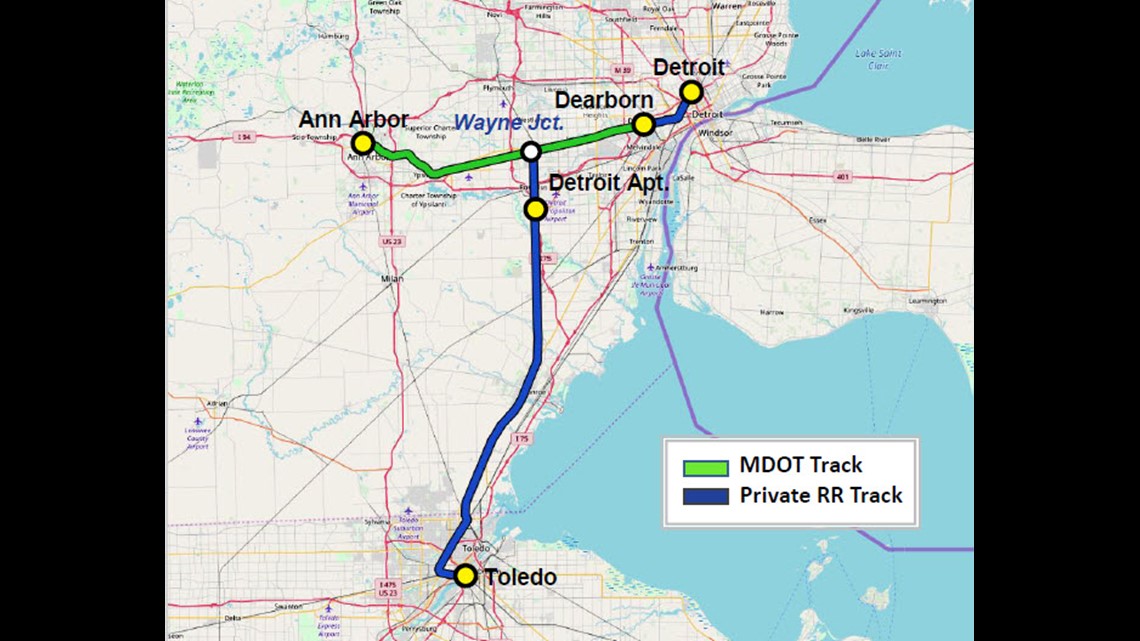
- Public Transportation: Direct public transportation options between Detroit and Toledo are limited, primarily focusing on bus services. Companies like Greyhound or Indian Trails may offer routes, but schedules can be infrequent, and travel times are often longer than driving due to multiple stops. Train service is not a direct option between these two specific cities.
The Appeal of the Detroit-Toledo Corridor
The short distance between Detroit and Toledo makes them geographically linked, and this proximity fosters a shared regional identity. Understanding this connection is key to appreciating the travel experience between them.
Detroit: A City of Resilience and Innovation
Detroit, often referred to as the “Motor City,” is a metropolis steeped in automotive history and a testament to resilience. Its cultural landscape is rich, offering a diverse array of attractions that appeal to various interests.
- Automotive Heritage: A visit to the Henry Ford Museum of American Innovation and Greenfield Village provides an immersive dive into American industrial history, with a strong emphasis on the automotive sector. The Motown Museum, also known as Hitsville U.S.A., is an essential stop for music lovers, celebrating the iconic sound that defined a generation.
- Arts and Culture: Detroit boasts impressive cultural institutions, including the Detroit Institute of Arts (DIA), which houses a remarkable collection spanning centuries and continents. The city’s revitalized downtown area features vibrant public art, performance venues, and a growing culinary scene.
- Recreation and Green Spaces: Belle Isle Park, a sprawling island park in the Detroit River, offers stunning city views, a conservatory, an aquarium, and ample space for outdoor activities. The RiverWalk provides a scenic promenade along the waterfront.
Toledo: A Gateway to the Great Lakes and Beyond
Toledo, situated on the western end of Lake Erie, is a city with a rich industrial past and a forward-looking vision. Its strategic location provides access to the natural beauty of the Great Lakes region and a distinct cultural flavor.
- Artistic and Cultural Hub: The Toledo Museum of Art is a renowned institution, particularly celebrated for its extensive glass art collection. The museum’s Glass Pavilion is an architectural marvel and a testament to the city’s historical connection to glass manufacturing.
- Natural Attractions and Recreation: Maumee Bay State Park offers a chance to explore the unique ecosystem of Lake Erie’s shoreline, with marshlands, beaches, and walking trails. The National Museum of the Great Lakes provides a fascinating look into the maritime history of the region.
- A Growing Culinary and Entertainment Scene: Toledo has seen a resurgence in its downtown area, with a growing number of restaurants, breweries, and entertainment venues. The city is also home to professional sports teams, adding to its vibrant atmosphere.
Planning Your Trip: Optimizing the Detroit to Toledo Excursion
The ease of travel between Detroit and Toledo opens up numerous possibilities for exploration. Whether you’re interested in a quick visit or a more extended stay, strategic planning can enhance your experience.
Day Trip Possibilities
A day trip from Detroit to Toledo, or vice versa, is entirely feasible. This allows for a focused exploration of key attractions in one city without the need for overnight accommodation.
- Morning in Detroit, Afternoon in Toledo: One could spend the morning exploring a key Detroit landmark, such as the Detroit Institute of Arts, and then drive to Toledo for an afternoon visit to the Toledo Museum of Art or the National Museum of the Great Lakes.
- Focusing on Specific Interests: A day trip can be tailored to particular interests. For automotive enthusiasts, a day might involve visiting The Henry Ford in Detroit and then driving to Toledo to explore its industrial heritage.
Weekend Getaway Options
A weekend trip offers a more comprehensive experience, allowing travelers to delve deeper into the offerings of both cities. The short transit time between them means that a weekend can easily encompass visits to both Detroit and Toledo.
- Base in One City, Explore the Other: Travelers might choose to stay in a Detroit hotel for two nights and dedicate one full day to exploring Toledo. Alternatively, they could base themselves in Toledo and take a day trip to Detroit.
- Splitting the Stay: Another popular option is to spend one night in each city. This allows for a more immersive experience in both urban environments, sampling the distinct atmospheres and attractions of each. For instance, Friday night in Detroit exploring its nightlife and Saturday in Toledo enjoying its lakeside charm.
Beyond the Drive: Embracing the Regional Connection
The question of “How far is Detroit to Toledo?” is not just about miles; it’s about understanding the interconnectedness of these vibrant Midwestern hubs. The ease of transit fosters a sense of shared regional identity and provides travelers with accessible opportunities to experience diverse cultural landscapes, historical narratives, and natural beauty. Whether seeking automotive history, artistic masterpieces, or the tranquility of the Great Lakes, the journey between Detroit and Toledo offers a compelling and convenient travel proposition.
LifeOutOfTheBox is a participant in the Amazon Services LLC Associates Program, an affiliate advertising program designed to provide a means for sites to earn advertising fees by advertising and linking to Amazon.com. Amazon, the Amazon logo, AmazonSupply, and the AmazonSupply logo are trademarks of Amazon.com, Inc. or its affiliates. As an Amazon Associate we earn affiliate commissions from qualifying purchases.