
Alaska, the United States’ largest state, is renowned for its vast wilderness, dramatic landscapes, and unique ecosystems. From temperate rainforests to arctic tundra, the Last Frontier boasts an incredible diversity of flora and fauna. However, when it comes to specific tree species like the white pine, understanding its natural distribution requires a closer look at biogeography and the distinct climatic zones that characterize this expansive state. The simple answer to whether white pine grows wild in Alaska is generally no, especially regarding the iconic Eastern White Pine (Pinus strobus) or even the Western White Pine (Pinus monticola). Alaska’s forests are dominated by different conifer species, adapted to its unique and often challenging environmental conditions.
Understanding Alaska’s Boreal Forests
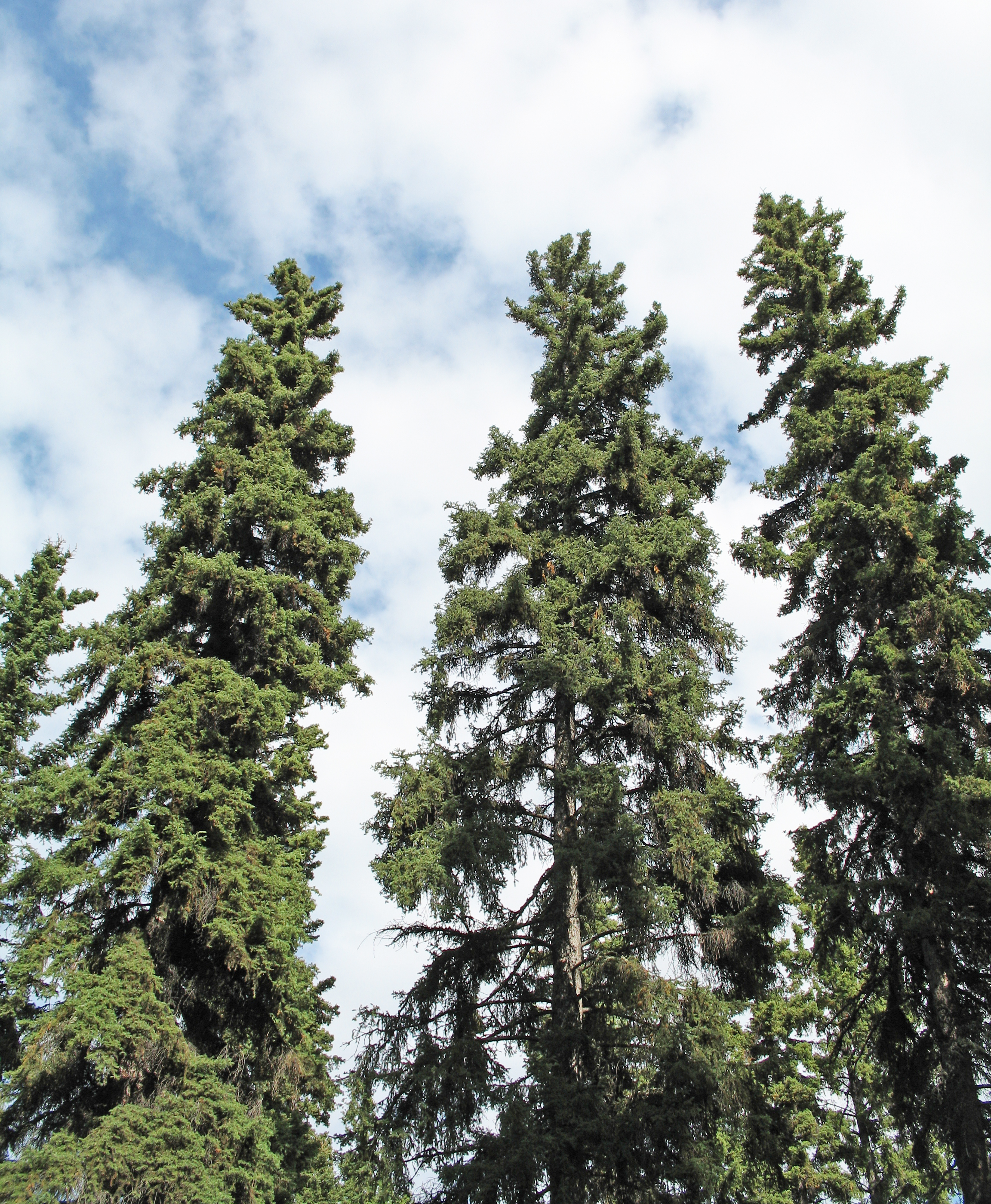
Alaska’s interior is largely covered by boreal forest, often referred to as taiga. This ecosystem is characterized by long, cold winters and short, cool summers, with permafrost often underlying the soil. The coastal regions, particularly the panhandle, feature a temperate rainforest climate, milder and wetter than the interior, supporting different forest types. The dominant tree species in these Alaskan forests are highly specialized, thriving in conditions that would be unsuitable for many other tree species, including most white pines.
Key Conifer Species in Alaska
The true forest giants and workhorses of Alaska’s wilderness are various species of spruce, hemlock, and fir. Black spruce (Picea mariana) and white spruce (Picea glauca) are ubiquitous across the interior boreal forest, often growing in vast, dense stands. White spruce, in particular, is the most widespread tree in Alaska, extending from the Yukon Territory border west to the Kenai Peninsula and north into the Brooks Range foothills. Black spruce is more tolerant of wet, boggy, and permafrost-laden soils.
Along the temperate coastal regions, particularly within the Tongass National Forest, Sitka spruce (Picea sitchensis) and western hemlock (Tsuga heterophylla) reign supreme, forming majestic old-growth rainforests. Mountain hemlock (Tsuga mertensiana) is also found at higher elevations. Balsam poplar (Populus balsamifera) and quaking aspen (Populus tremuloides) are common deciduous trees, adding splashes of vibrant yellow and gold to the landscape in autumn. While these species are well-adapted, pines, specifically the white pines commonly recognized in other parts of North America, are conspicuously absent from Alaska’s native forests.
The Ecological Niche of Pines
Pines, as a genus (Pinus), are incredibly diverse and adaptable, found across a wide range of climates globally. Many pine species are pioneer trees, colonizing disturbed areas, and are often fire-adapted. White pines, specifically Eastern White Pine (Pinus strobus) and Western White Pine (Pinus monticola), are characterized by their long needles in bundles of five and their distinctive, elongated cones. These species typically prefer well-drained, acidic soils and climates with moderate rainfall, distinct seasons, but generally less extreme cold than much of Alaska’s interior.
The environmental conditions in much of Alaska — the prevalence of permafrost, extremely cold winters, short growing seasons, and specific soil compositions — do not align with the ecological requirements for most white pine species to naturally establish and thrive. While individual trees might be planted by humans in localized, sheltered environments, they do not constitute “wild” growth in self-sustaining populations.
The Distribution of Eastern White Pine
The Eastern White Pine (Pinus strobus) is perhaps the most iconic of the white pines, historically dominant in the vast forests of eastern North America. Its impressive height and straight trunk made it highly prized for shipbuilding and timber, playing a significant role in the colonial history and economy of the eastern United States and Canada.
Geographic Range and Climate Requirements
The natural range of the Eastern White Pine extends from Newfoundland west through the Great Lakes region and into southeastern Manitoba in Canada, and south along the Appalachian Mountains to northern Georgia in the United States. This distribution highlights its preference for a more temperate to cool-temperate climate, characterized by reliable summer rainfall and winters that, while cold, are not typically as extreme or prolonged as those found in much of interior Alaska. It thrives in zones where deep, unfrozen soil allows for extensive root systems, a condition often impeded by permafrost in Alaska.
The species is well-adapted to glacial till soils and can tolerate a range of soil types, but it is sensitive to severe drought, air pollution (especially ozone), and certain pests and diseases like white pine blister rust. Crucially, its cold hardiness limits its northern expansion, well short of Alaska’s borders. The vast expanse of the Canadian Shield and the boreal forest separate its northernmost range from Alaska’s ecosystems, indicating a clear biogeographical barrier.
Historical and Current Range Limitations
The distribution of tree species is a fascinating testament to long-term climatic patterns, geological history, and ecological competition. Over millennia, the Eastern White Pine has evolved and adapted to its specific environmental envelope. Post-glacial migration patterns and the subsequent establishment of distinct forest zones have shaped its current range. Alaska, separated by the vast expanse of western Canada and distinct geological and climatic histories, simply does not fall within this natural range.

Attempts to introduce non-native species, while sometimes successful in managed settings, rarely lead to the establishment of wild, self-sustaining populations in significantly different climates. The cold stress, short growing season, unique soil composition, and competitive pressure from native Alaskan conifers all present formidable barriers to the naturalization of Eastern White Pine in the Alaskan wilderness.
Western White Pine and Other Pine Varieties
While the Eastern White Pine is clearly absent, one might wonder about its western counterpart, the Western White Pine (Pinus monticola), which inhabits regions closer to Alaska.
Western White Pine in the Pacific Northwest
The Western White Pine is native to the mountains of the western United States and Canada, primarily found in the Pacific Northwest — from British Columbia south through Washington, Oregon, and California, and east into Idaho and Montana. It shares the characteristic five-needle bundles with its eastern relative and thrives in moist, mountainous environments. Its range extends north into the interior of British Columbia, approaching but still not reaching Alaska’s southern border.
Even with its more western distribution, the Western White Pine typically inhabits regions with a milder climate and different precipitation patterns than most of Alaska. The transition from the temperate rainforests of southeastern Alaska to the interior boreal forests or the drier, colder conditions further north creates ecological boundaries that preclude the natural spread of Western White Pine into the state. Therefore, Western White Pine also does not grow wild in Alaska.
Lodgepole Pine: Alaska’s Native Pine?
While white pines are not native to Alaska, there is one pine species that does have a presence: the Lodgepole Pine (Pinus contorta). However, even the Lodgepole Pine’s distribution within Alaska is quite restricted. Its northernmost range extends into a small portion of southeastern Alaska, often limited to specific coastal areas, especially near the British Columbia border.
Lodgepole Pine is incredibly adaptable and widespread across western North America, known for its ability to colonize nutrient-poor soils and areas disturbed by fire. It is characterized by needles in bundles of two and serotinous cones that often require heat to release their seeds. Its limited presence in Alaska underscores the state’s unique environmental filters that restrict even highly adaptable pine species. When people refer to “pine” in the context of Alaska, they are most likely either misidentifying a spruce or hemlock, or they are referring to the Lodgepole Pine in its very limited Alaskan range. It’s important to note that Lodgepole Pine is not a “white pine” in the botanical sense.
Exploring Alaska’s Unique Forest Ecosystems
Understanding which trees do and do not grow wild in Alaska is crucial for anyone exploring its natural landmarks. The absence of white pines, and the dominance of spruce and hemlock, define much of the state’s iconic forested landscapes, from the coastal rainforests to the interior taiga.
Identifying Native Species During Exploration
For visitors and nature enthusiasts keen on observing Alaska’s natural beauty, learning to identify the dominant tree species enhances the experience. Recognizing the two-needle bundles of Lodgepole Pine (if encountered in the far southeast), the single needles of spruce that are square in cross-section and roll between the fingers, and the flat, soft needles of hemlock provides a deeper appreciation for the ecological tapestry of the state.
Areas like Denali National Park and Preserve showcase the interior boreal forest, where white and black spruce dominate alongside deciduous trees. The Chugach National Forest and Tongass National Forest on the coast provide prime examples of the Sitka spruce and western hemlock rainforests. These forests, though lacking white pines, are incredibly rich in biodiversity and offer breathtaking vistas, from towering old-growth stands to intricate understories of mosses and ferns.

Conservation and Forest Health in Alaska
The study of tree distribution, including the absence of species like white pine, is fundamental to forest ecology and conservation efforts. Understanding the native composition of Alaskan forests helps in managing their health, protecting them from invasive species, and mitigating the impacts of climate change. Changes in temperature and precipitation patterns could theoretically shift species ranges over very long periods, but for the foreseeable future, white pines will not be a natural component of Alaska’s wild forest ecosystems.
The preservation of Alaska’s existing forests, with their native spruce, hemlock, and limited pine species, is paramount. These forests provide critical habitat for countless wildlife species, regulate water cycles, and contribute significantly to the state’s natural heritage and global ecological balance. While white pines are magnificent trees, their place is not, by nature, in the wild landscapes of Alaska.
LifeOutOfTheBox is a participant in the Amazon Services LLC Associates Program, an affiliate advertising program designed to provide a means for sites to earn advertising fees by advertising and linking to Amazon.com. Amazon, the Amazon logo, AmazonSupply, and the AmazonSupply logo are trademarks of Amazon.com, Inc. or its affiliates. As an Amazon Associate we earn affiliate commissions from qualifying purchases.