
Understanding the Pulse of a Resilient City
When inquiring about “How Many People In Detroit?”, the answer is not merely a static demographic statistic; it’s a dynamic reflection of the city’s historical trajectory, its ongoing revitalization, and its enduring spirit. For those planning a visit, delving into the population figures offers a nuanced perspective on the scale and character of the urban experience awaiting them. This understanding enriches any exploration of Detroit beyond the surface-level attractions, touching upon the vibrancy of its communities and the potential for immersive experiences.
Historical Context: The Rise and Transformation
To truly grasp the current population of Detroit, one must acknowledge its past. Once the undisputed automotive capital of the world and the fourth-largest city in the United States, Detroit experienced a significant population boom in the mid-20th century. This era saw the city’s metropolitan area swell, driven by the booming automobile industry and the subsequent post-war migration. The peak population for the city proper was recorded in the 1950s, a testament to its economic prowess and burgeoning urban landscape.

However, economic shifts, deindustrialization, and suburbanization led to a period of population decline in the latter half of the 20th century. This demographic transition, while challenging, also paved the way for new narratives of resilience and reinvention. Understanding this historical ebb and flow provides crucial context for appreciating the city’s present-day population and its future aspirations.
The Current Demographic Landscape
As of the most recent census data, the population of the city of Detroit hovers around 630,000 residents. While this figure represents a significant decrease from its historical peak, it’s essential to recognize that this number is a snapshot of a city actively experiencing a resurgence. This population is diverse, reflecting a rich tapestry of cultures, ethnicities, and backgrounds that contribute to the city’s unique identity.
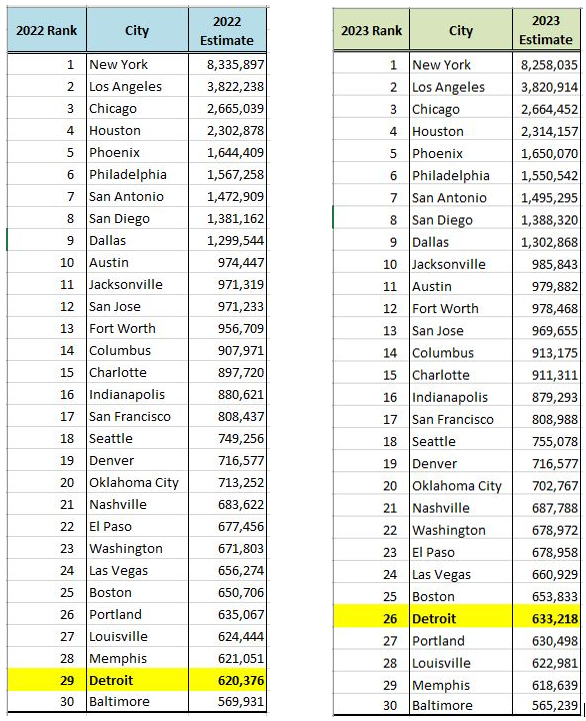
The Detroit metropolitan area, which encompasses a much broader region, tells a different story. The metro area’s population is considerably larger, numbering in the millions, and includes numerous surrounding suburbs and communities. This distinction is vital for visitors, as the urban experience extends beyond the city limits, influencing the overall feel and scope of any Detroit adventure. The presence of a larger metropolitan population signifies a robust regional economy, a wide array of cultural institutions, and a vast network of transportation and logistical infrastructure that supports both residents and visitors.
Population Trends and Urban Revitalization
The narrative of Detroit’s population is one of transformation and renewal. In recent years, the city has witnessed a stabilization and, in some neighborhoods, a modest increase in its resident count. This trend is a direct result of concerted efforts in urban revitalization, spurred by new investments, the growth of innovative industries, and a renewed sense of optimism among its citizens.
Young professionals, entrepreneurs, and artists have been drawn to Detroit by its affordable housing, vibrant arts scene, and the opportunity to be part of a city actively rebuilding itself. This influx of new residents, alongside the deep-rooted communities that have persevered through challenging times, is shaping the contemporary character of Detroit. Understanding these demographic shifts helps visitors appreciate the evolving social fabric and the emerging cultural hotspots that are redefining the city. It speaks to a forward-looking vision where the population is not just a number, but a crucial element in the ongoing narrative of urban rebirth.

Implications for Travelers and Explorers
For travelers and those interested in exploring Detroit, the population figures offer practical insights. A city with a population of over 600,000, within a much larger metropolitan area, suggests a destination with ample resources, diverse offerings, and a palpable urban energy. It implies a rich cultural calendar, a wide selection of dining establishments, and a variety of entertainment options.
When planning a trip, understanding the scale of Detroit and its surrounding region can help in itinerary planning. While the city center itself offers a dense concentration of attractions like the Detroit Institute of Arts and the Motown Museum, exploring further afield might involve navigating a larger metropolitan footprint. This could mean considering transportation options for reaching outlying areas or understanding the logistical flow of movement within the region.
Furthermore, the demographic composition of Detroit contributes to its unique cultural flavor. The blend of long-standing communities and new arrivals fosters a dynamic environment where tradition and innovation coexist. This is evident in the city’s music scene, its culinary landscape, and its burgeoning creative industries. For the discerning traveler, recognizing the human element behind the population statistics unlocks a deeper appreciation for the city’s soul and its potential for authentic experiences. It means engaging with the people who are actively shaping Detroit’s present and future, making any visit a more meaningful encounter. The city’s population, in its complexity and evolution, is a testament to its enduring spirit and its capacity for reinvention, offering a compelling backdrop for any exploration.
LifeOutOfTheBox is a participant in the Amazon Services LLC Associates Program, an affiliate advertising program designed to provide a means for sites to earn advertising fees by advertising and linking to Amazon.com. Amazon, the Amazon logo, AmazonSupply, and the AmazonSupply logo are trademarks of Amazon.com, Inc. or its affiliates. As an Amazon Associate we earn affiliate commissions from qualifying purchases.