
Navigating the skies between two of the United States’ most vibrant metropolises, New York and Atlanta, is a common and often essential journey. Whether you’re a frequent flyer or planning a special trip, understanding the typical flight duration is crucial for effective planning. Several factors influence this, from the specific airports involved to the airline and even prevailing weather conditions. This guide delves into the nuances of flight times, offering insights that will help you book your next adventure with confidence.
Understanding Direct Flight Durations
The most straightforward aspect of flight timing involves direct flights. These are the flights that take you from your departure airport to your destination without any stops, offering the quickest transit. For the New York to Atlanta route, direct flights are plentiful, operating out of multiple airports in the New York metropolitan area.
Major Airports and Their Impact
The New York area is served by three primary international airports: John F. Kennedy International Airport (JFK), LaGuardia Airport (LGA), and Newark Liberty International Airport (EWR). Each offers a variety of flights to Hartsfield-Jackson Atlanta International Airport (ATL), Atlanta’s main air hub.
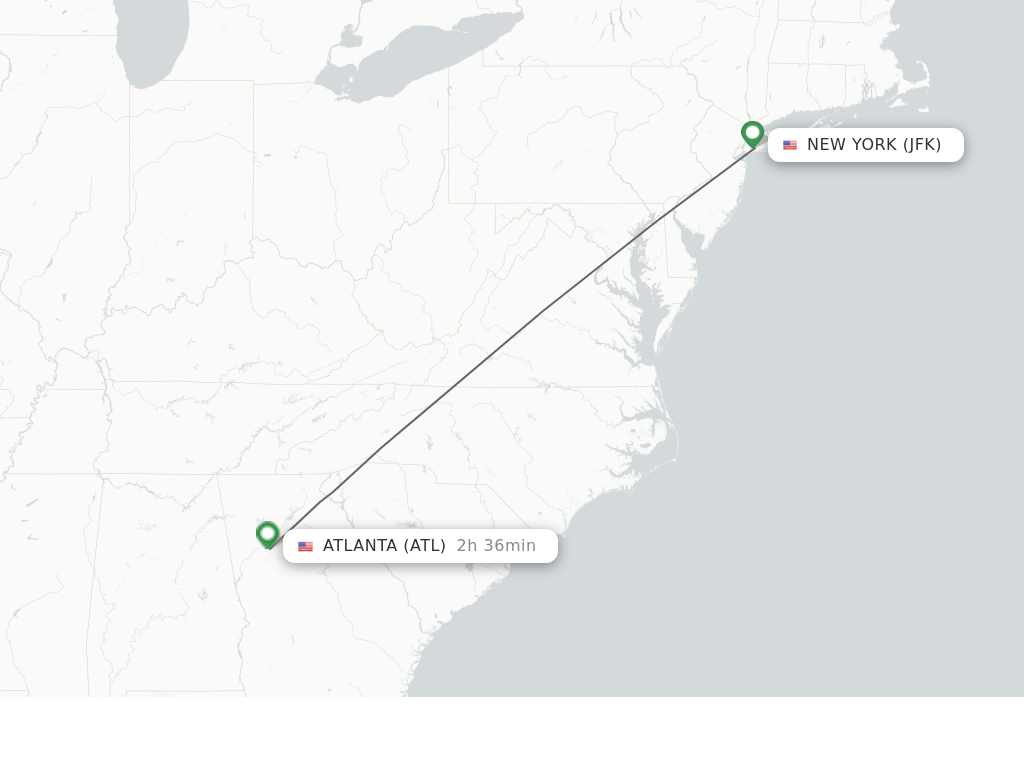
- From JFK to ATL: Flights from JFK to ATL typically range from 2 hours and 15 minutes to 2 hours and 45 minutes. This is often considered one of the shorter direct flight times due to the positioning of JFK relative to the southerly trajectory towards Atlanta.
- From LGA to ATL: Flights departing from LGA to ATL generally fall within a similar timeframe, usually between 2 hours and 20 minutes and 2 hours and 50 minutes. LGA is geographically closer to some parts of New York and often serves as a hub for domestic travel.
- From EWR to ATL: Flights originating from EWR can be slightly longer, typically averaging 2 hours and 25 minutes to 3 hours. While EWR is located in New Jersey, it serves the greater New York metropolitan area and experiences similar flight path dynamics to JFK and LGA for this southern route.
It is important to remember that these times represent the actual “wheels up” to “wheels down” duration. Actual travel time will, of course, be longer when factoring in travel to the airport, check-in, security, boarding, and deplaning.
Factors Influencing Flight Duration
While direct flights offer a predictable window, several dynamic elements can subtly or significantly alter the flight time between New York and Atlanta. Understanding these variables can help passengers manage expectations and adapt their travel plans.
Airline and Aircraft Type
Different airlines may utilize various aircraft models, which can have subtle impacts on flight speed and efficiency. While modern commercial jets are largely optimized, slight variations in cruising speed, fuel efficiency, and even passenger load can influence the time it takes to cover the distance. For instance, a more fuel-efficient jetliner might slightly extend a flight to optimize fuel burn, while a faster model might shave off a few minutes. Airlines also schedule their flights based on optimal flight paths and air traffic control considerations, which can sometimes lead to minute differences in reported flight times.
Air Traffic and Flight Paths
Air traffic is a significant determinant of flight duration, especially for busy corridors like the one connecting New York and Atlanta. During peak travel times, air traffic control may direct aircraft along slightly longer, more circuitous routes to manage congestion, avoid turbulence, or ensure safe separation between planes. This can add a few minutes to the overall flight time. Conversely, off-peak travel might allow for more direct flight paths, potentially shortening the journey. The Federal Aviation Administration (FAA) constantly manages these routes to ensure safety and efficiency, but these adjustments are a normal part of air travel.
Weather Conditions
Weather is perhaps the most unpredictable, yet impactful, factor on flight times.
- Departure Delays: Severe weather at either the departure airport (JFK, LGA, or EWR) or the destination airport (ATL) can lead to significant delays. Thunderstorms, snowstorms, fog, or high winds can ground flights or force them to circle, waiting for clearance.
- In-Flight Conditions: While airborne, headwinds can slow an aircraft down, increasing flight time, while tailwinds can speed it up, shortening it. Jet streams, powerful high-altitude winds, can have a notable effect. Pilots and dispatchers constantly monitor weather forecasts to optimize routes for speed and safety, but unexpected weather fronts can still influence the journey.
Considering Flights with Layovers
While direct flights are ideal for speed and convenience, flights with layovers are sometimes more affordable or offer a wider range of scheduling options. These flights will, by definition, take significantly longer than direct routes.
Typical Layover Durations
The total duration of a flight with one or more layovers is highly variable. It depends on several factors:
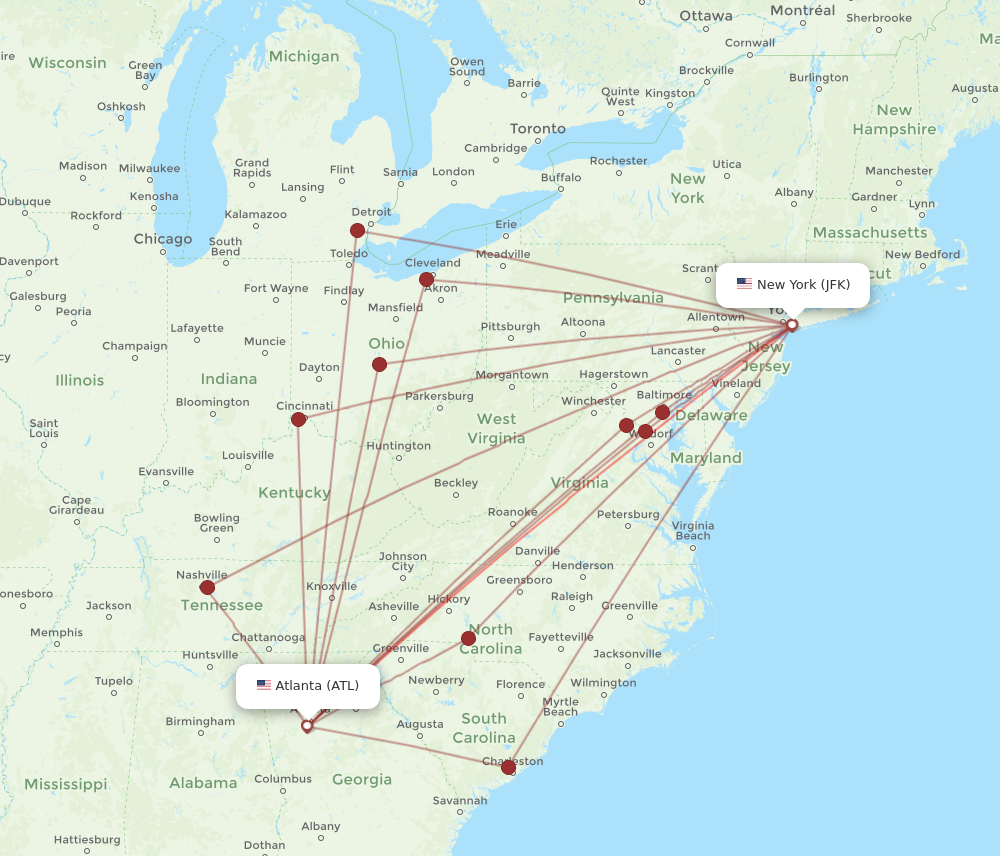
- Layover Location: The city where the layover occurs plays a role. Major hubs like Charlotte Douglas International Airport (CLT), Chicago O’Hare International Airport (ORD), or even Philadelphia International Airport (PHL) are common connecting points for this route. The distance of the layover city from both New York and Atlanta impacts the flight legs.
- Layover Length: Airlines schedule layovers to allow for passenger and baggage transfers. These can range from a short 45 minutes to several hours. Longer layovers are often chosen to reduce the risk of missing a connection.
- Number of Layovers: A flight with two layovers will inherently take longer than one with a single stop.
Calculating Total Travel Time with Layovers
To estimate the total travel time for a flight with layovers, you need to sum the duration of each flight segment plus the layover time.
- Example: A flight from New York to Atlanta with a layover in Charlotte might look like this:
- Flight 1: New York to Charlotte (approx. 1 hour 45 minutes)
- Layover in Charlotte (e.g., 1 hour 30 minutes)
- Flight 2: Charlotte to Atlanta (approx. 1 hour 10 minutes)
- Total estimated travel time: 1h 45m + 1h 30m + 1h 10m = 4 hours 25 minutes.
This example illustrates a moderate layover. Flights with longer layovers, or those with multiple stops, can easily extend the total travel time to 5, 6, or even more hours. When considering these options, it’s essential to weigh the potential cost savings against the significant increase in travel time and the potential for missed connections.
Planning Your Journey: Tips for Estimating Flight Times
To ensure you have an accurate understanding of your travel time when flying from New York to Atlanta, here are some practical tips:
Utilize Flight Search Engines
Reputable flight search engines are invaluable tools. Websites like Google Flights, Kayak, Skyscanner, and Expedia allow you to input your departure and arrival airports and desired dates. They will then present a comprehensive list of available flights, clearly indicating:
- Total Duration: This figure includes all flight segments and layovers.
- Flight Times: The scheduled departure and arrival times for each leg.
- Layover Details: The location and duration of any stops.
- Direct vs. Connecting: The distinction is made explicit.
Pay close attention to the “duration” displayed for each flight option, as this is your best indicator of the overall time commitment.
Check Airline Websites Directly
Once you have identified potential flights through search engines, it is often beneficial to visit the airline’s official website directly. Sometimes, airlines offer slightly different inventory or fare options on their own platforms. Furthermore, airline websites often provide more detailed information about the specific aircraft used, which can sometimes offer clues about efficiency, though the impact is usually minor for this route.
Factor in Airport Procedures
The advertised flight duration is purely the time spent in the air. Remember to add ample time for:
- Travel to the Airport: Depending on traffic and your location in the New York area, this can range from 30 minutes to over an hour.
- Check-in and Bag Drop: Allow at least 1-2 hours before domestic departures.
- Security Screening: This can vary significantly based on the airport and time of day.
- Boarding: Typically begins 30-45 minutes before departure.
- Deplaning and Baggage Claim: After landing, it can take 15-30 minutes or more to exit the aircraft and retrieve checked luggage.
A conservative estimate for total travel time, including airport procedures, for a direct flight from New York to Atlanta would be between 4 to 6 hours, from leaving your home to arriving at your final destination in Atlanta. For flights with layovers, this can easily extend to 7 hours or more.
By understanding the factors that influence flight times and utilizing the available resources, you can confidently plan your travels between these two dynamic East Coast cities, ensuring a smoother and more predictable journey.
LifeOutOfTheBox is a participant in the Amazon Services LLC Associates Program, an affiliate advertising program designed to provide a means for sites to earn advertising fees by advertising and linking to Amazon.com. Amazon, the Amazon logo, AmazonSupply, and the AmazonSupply logo are trademarks of Amazon.com, Inc. or its affiliates. As an Amazon Associate we earn affiliate commissions from qualifying purchases.