
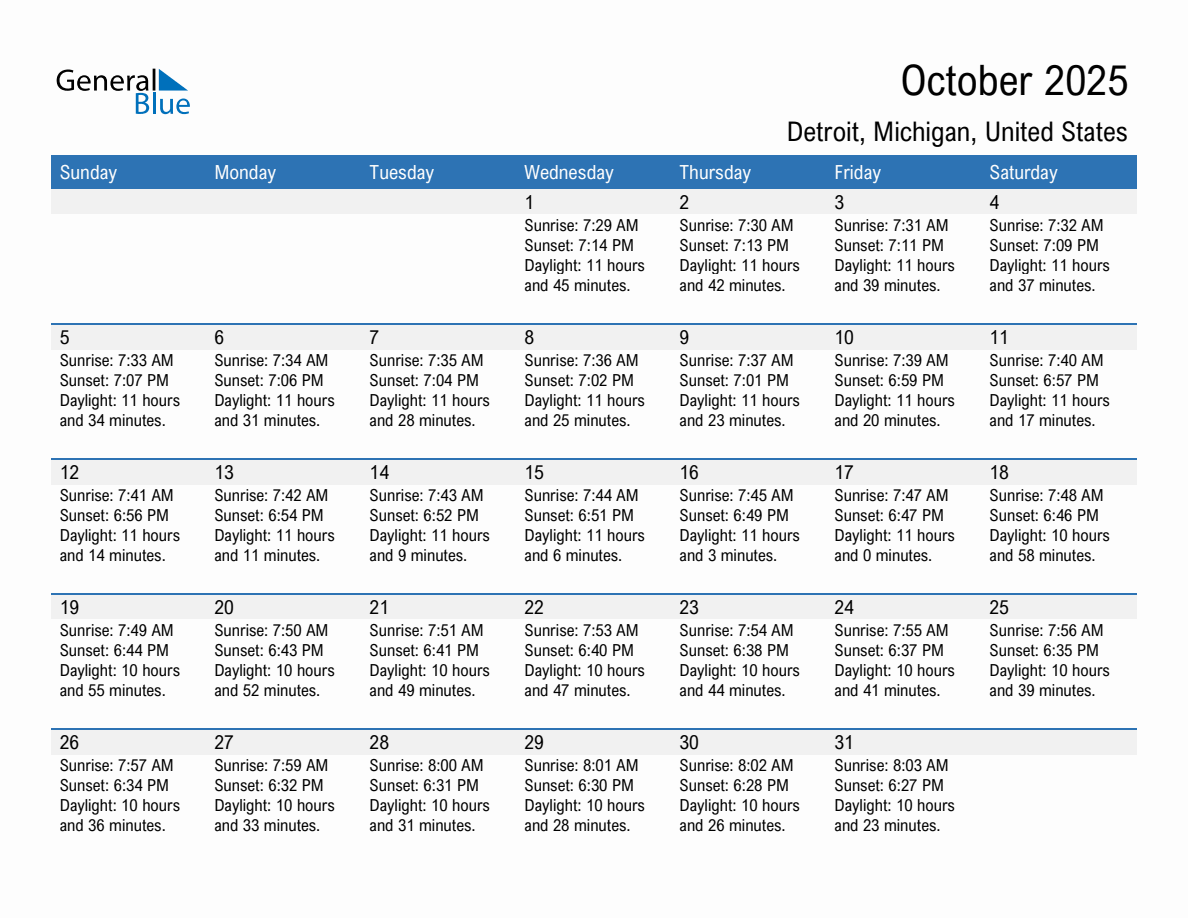
Understanding the precise timing of sunset in Detroit is not merely an academic exercise; for the discerning traveler, it’s a crucial piece of information that can profoundly enhance an itinerary. Whether you’re planning a romantic evening stroll along the Detroit RiverWalk, scheduling a photography expedition to capture the city’s iconic skyline bathed in golden light, or simply wanting to maximize your daylight hours for exploration, knowing the sunset time is paramount. This guide delves into the factors influencing sunset in Detroit, offers practical advice for planning around it, and highlights experiences best enjoyed during these transitional hours.
The Science and Seasonality of Detroit Sunsets
The Earth’s axial tilt and its orbit around the Sun are the primary drivers of seasonal changes in sunset times. As the planet journeys through its annual cycle, different hemispheres are tilted towards or away from the Sun, leading to variations in daylight duration. Detroit, situated in the Northern Hemisphere, experiences its longest days and latest sunsets during the summer solstice, typically around June 21st. Conversely, the shortest days and earliest sunsets occur around the winter solstice, near December 21st.
Beyond these predictable seasonal shifts, other astronomical phenomena play a role. The Earth’s orbit is not a perfect circle, but rather an ellipse, and its rotational axis is tilted at approximately 23.5 degrees. These factors, combined with the precise geographical coordinates of Detroit (approximately 42.33° N latitude and 83.04° W longitude), dictate the exact moment the Sun dips below the horizon. Daylight Saving Time (DST) further complicates this by shifting the clock forward by an hour during warmer months, effectively making sunsets appear an hour later on the clock than they would otherwise.
Understanding Daylight Saving Time’s Impact
Daylight Saving Time (DST), observed in Michigan from the second Sunday in March until the first Sunday in November, has a significant impact on perceived sunset times. During DST, clocks are advanced by one hour, pushing the clock time of sunset later into the evening. For example, if sunset naturally occurs at 7:00 PM standard time, it will be observed as 8:00 PM during DST. This extension of daylight in the evenings is a boon for travelers wishing to extend their outdoor activities and sightseeing well into the late afternoon and early evening. However, it also means that the natural daylight diminishes earlier in the mornings during these periods, a factor to consider for early risers planning sunrise activities.
Seasonal Variations: A Closer Look
- Summer Solstice (June): This is the peak of daylight. Sunsets in Detroit can occur as late as 9:00 PM or even later during DST. This extended twilight period is ideal for enjoying outdoor dining, attending evening concerts in parks like Belle Isle Park, or taking leisurely boat tours on the Detroit River. The skies often remain luminous for a considerable duration after the sun has set, creating beautiful hues of orange, pink, and purple.
- Autumnal Equinox (September): As the days begin to shorten, sunset times gradually shift earlier. While still relatively late, they will be noticeably before the summer solstice peaks. This season offers a pleasant balance, with comfortable temperatures and a beautiful array of fall colors that complement the golden hour light.
- Winter Solstice (December): This marks the shortest days of the year. Sunsets in Detroit can occur as early as 4:45 PM or 5:00 PM standard time. Planning evening activities requires careful consideration of the early dusk, making indoor attractions and early dinners more practical. The stark beauty of the city under the winter sky, often dusted with snow, can be particularly dramatic.
- Vernal Equinox (March): Similar to autumn, spring sees daylight hours steadily increasing. Sunsets begin to shift later, and the transition back to Daylight Saving Time in March provides a noticeable jump in evening daylight.
Planning Your Detroit Itinerary Around Sunset
Knowing when sunset occurs is a practical tool for optimizing your travel experience in Detroit. It allows for strategic scheduling of activities, ensuring you make the most of the diminishing light or, conversely, that you are safely indoors or at your accommodation when darkness falls.
Maximizing the Golden Hour and Blue Hour
The period just before sunset, known as the “golden hour,” offers a magical quality of light that is soft, warm, and highly flattering for photography and simply enjoying the ambiance of the city. The hour following sunset, termed the “blue hour,” presents a different, yet equally captivating, spectacle. During this time, the sky takes on a deep blue hue, and the city’s artificial lights begin to twinkle, creating a stunning contrast.
- Photography Expeditions: The Renaissance Center, with its panoramic views, or the iconic Guardian Building and Fisher Building become particularly photogenic during these transitional hours. A sunset stroll across the Ambassador Bridge offers unparalleled views of the city and the Detroit River illuminated by the setting Sun.
- Evening Ambiance: Many of Detroit’s waterfront restaurants and bars offer prime seating for sunset viewing. Consider booking a table at establishments along the Detroit RiverWalk for an unforgettable dining experience. The Greektown Casino Hotel or the Detroit Marriott at the Renaissance Center also provide elevated vantage points.
- Outdoor Exploration: Extend your visit to attractions like the Detroit Institute of Arts or the Henry Ford Museum of American Innovation by planning to leave just as the golden hour begins, allowing for a picturesque journey back to your accommodation or a pre-planned dinner.

Scheduling Evening Activities
Conversely, understanding the early sunset times in winter can help you plan your day more effectively.
- Museums and Indoor Attractions: During the shorter days of late autumn and winter, focusing on indoor attractions in the afternoon is wise. Museums, theaters like the historic Fox Theatre, and galleries are excellent choices for the later hours of the day.
- Evening Entertainment: Consider booking tickets for evening performances or exploring the vibrant nightlife of areas like Midtown or Corktown after dark. Many of these districts come alive as the sun sets.
- Transportation: If you are relying on public transport or walking, be mindful of sunset times, especially during seasons with early dusk. Ensure you have adequate lighting and are aware of your surroundings.
Practical Tools for Tracking Detroit Sunsets
In today’s digital age, staying informed about precise sunset times is remarkably easy. Various online resources and mobile applications are available to provide real-time data for any location, including Detroit.
Online Resources and Weather Applications
Many reputable websites offer detailed astronomical data, including sunrise and sunset times. A simple web search for “Detroit sunset time” will yield numerous results from meteorological services and astronomy-focused sites. These often provide historical data, future predictions, and even information on the duration of twilight.
Most smartphones come equipped with pre-installed weather applications that also display sunrise and sunset times. By allowing location services, these apps can automatically update with the most accurate local information. Many also offer customizable alerts, notifying you when sunset is approaching.
Dedicated Astronomy Apps
For those with a keen interest in astronomy or who require highly detailed information, dedicated astronomy apps are invaluable. These applications often feature:
- Precise Time Calculations: They calculate sunset, sunrise, and twilight times based on your exact GPS coordinates, taking into account Daylight Saving Time.
- Interactive Sky Maps: Many apps provide augmented reality features that allow you to point your phone at the sky and identify celestial bodies, constellations, and planets, even as twilight deepens.
- Phase of the Moon and Astronomical Events: Beyond just sunset, these apps can inform you about lunar phases, meteor showers, and other celestial occurrences, enhancing your appreciation of the night sky.

Considering Local Conditions and Events
While precise times are readily available, always remember that local conditions can subtly influence your perception of sunset. Atmospheric haze, cloud cover, and the specific terrain around you can affect the clarity and the visual experience of the setting Sun. If you are visiting during a specific event, such as a festival at Campus Martius Park, check the event schedule in conjunction with sunset times to plan your attendance for the most scenic parts of the day.
Ultimately, knowing the sunset time in Detroit is a key to unlocking a richer, more informed travel experience. It empowers you to plan your days strategically, savor the ephemeral beauty of twilight, and embrace the unique charm of the Motor City at all hours.
LifeOutOfTheBox is a participant in the Amazon Services LLC Associates Program, an affiliate advertising program designed to provide a means for sites to earn advertising fees by advertising and linking to Amazon.com. Amazon, the Amazon logo, AmazonSupply, and the AmazonSupply logo are trademarks of Amazon.com, Inc. or its affiliates. As an Amazon Associate we earn affiliate commissions from qualifying purchases.