
Securing a Commercial Driver License (CDL) in Colorado is a pivotal step for individuals aspiring to careers in transportation, from local delivery drivers to long-haul truckers. This license signifies a higher level of skill, knowledge, and responsibility required to operate large and heavy vehicles safely. The process in Colorado involves meeting specific eligibility requirements, passing rigorous written and practical exams, and adhering to federal and state regulations. This comprehensive guide will navigate you through each stage of obtaining your CDL, ensuring you are well-prepared for this rewarding career path.
Understanding CDL Classifications and Endorsements
Before embarking on the application process, it’s crucial to understand the different classes of CDLs and the endorsements that may be necessary for your intended driving career. The Federal Motor Carrier Safety Administration (FMCSA) defines three primary CDL classes: Class A, Class B, and Class C, each with distinct gross vehicle weight ratings (GVWRs) and configurations.
Class A CDL
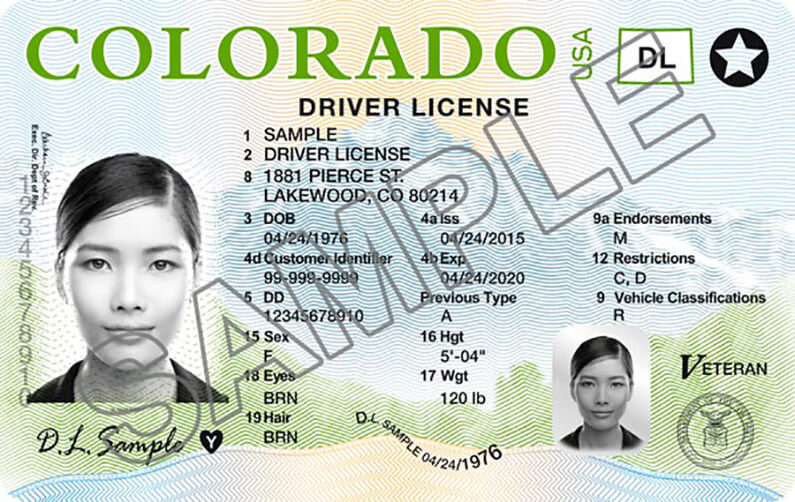
A Class A CDL is required for drivers operating any combination of vehicles with a Gross Combination Weight Rating (GCWR) of 26,001 pounds or more, provided the Gross Vehicle Weight Rating (GVWR) of the vehicle(s) being towed is in excess of 10,000 pounds. This typically includes tractor-trailers, truck-and-trailer combinations, and tank vehicles. This is the most common type of CDL for long-haul trucking.
Class B CDL
A Class B CDL is necessary for drivers operating a single vehicle with a GVWR of 26,001 pounds or more, or any such vehicle towing a trailer with a GVWR not in excess of 10,000 pounds. Examples include straight trucks, dump trucks, and large buses. This class is often suitable for local delivery, construction, and some public transportation roles.
Class C CDL
A Class C CDL is for vehicles that do not meet the definition of Class A or Class B but are intended to transport 16 or more occupants (including the driver) or are placarded for carrying hazardous materials. School buses and smaller passenger vans fall under this category.
Essential Endorsements
Beyond the basic classes, various endorsements are added to a CDL to permit the operation of specific types of vehicles or the transportation of certain materials. Common endorsements in Colorado include:
- H – Hazardous Materials (HazMat): Required for drivers transporting hazardous materials that require placarding. This endorsement involves a TSA background check and a specific written test.
- P – Passenger: Necessary for operating vehicles designed to carry 16 or more passengers, including the driver. This involves a pre-trip inspection and a skills test in a passenger vehicle.
- S – School Bus: Specifically for drivers operating school buses. This requires additional testing and background checks related to child safety.
- N – Tank Vehicle: For drivers operating vehicles designed to haul liquids or gaseous materials in bulk.
- T – Double/Triple Trailers: Required for drivers towing double or triple trailers.
Understanding these classifications and endorsements is the first step in ensuring you are pursuing the correct CDL for your career aspirations in Colorado.
Eligibility Requirements for a Colorado CDL
To be eligible for a CDL in Colorado, applicants must meet a set of criteria established by the state and federal government. These requirements are designed to ensure that only qualified individuals are granted licenses to operate commercial motor vehicles.
Age Requirements
- Interstate Commerce: Drivers operating commercial vehicles across state lines must be at least 21 years old.
- Intrastate Commerce: Drivers operating solely within Colorado may be eligible at 18 years old, but with certain restrictions.
General Requirements
- Valid Driver’s License: You must possess a valid, non-commercial driver’s license issued by Colorado or another state.
- Social Security Number: A valid Social Security card is required.
- Proof of Identity and Residency: Applicants must provide documents to prove their identity and Colorado residency. This typically includes birth certificates, passports, utility bills, or lease agreements.
- Medical Examination: All CDL applicants must pass a Department of Transportation (DOT) physical examination administered by a certified medical examiner. You will need to obtain a Medical Examiner’s Certificate. This certificate verifies that you meet the physical qualifications to operate a commercial vehicle. The medical examiner will assess your vision, hearing, blood pressure, and overall health.
Commercial Driver’s License (CDL) Skills Test Waiver
In certain circumstances, new drivers may be eligible for a skills test waiver if they have completed a certified commercial driver training program. This waiver, often referred to as the “CDL Skills Test Waiver Program,” can exempt drivers from taking the standard CDL skills test if their training program meets specific federal standards and is recognized by the state.
The Application and Testing Process in Colorado
Once you meet the eligibility requirements, the next step is to navigate the application and testing process. This involves applying for a Commercial Learner’s Permit (CLP) and then passing the required written and skills tests to obtain your full CDL.
Obtaining a Commercial Learner’s Permit (CLP)
- Study the CDL Manual: Thoroughly study the Colorado Driver Handbook, specifically the sections pertaining to commercial driving.
- Pass the Knowledge Test: Visit a Colorado Driver License office and pass the relevant written knowledge test(s) for the CDL class and endorsements you are seeking. These tests cover general knowledge, air brakes, combination vehicles, and any specific endorsement material.
- Receive Your CLP: Upon successfully passing the knowledge test(s), you will be issued a Commercial Learner’s Permit (CLP). This permit allows you to practice driving a commercial vehicle, but only when accompanied by a CDL-licensed driver who is older than 21 and holds the same CDL class as you.
The CDL Skills Test
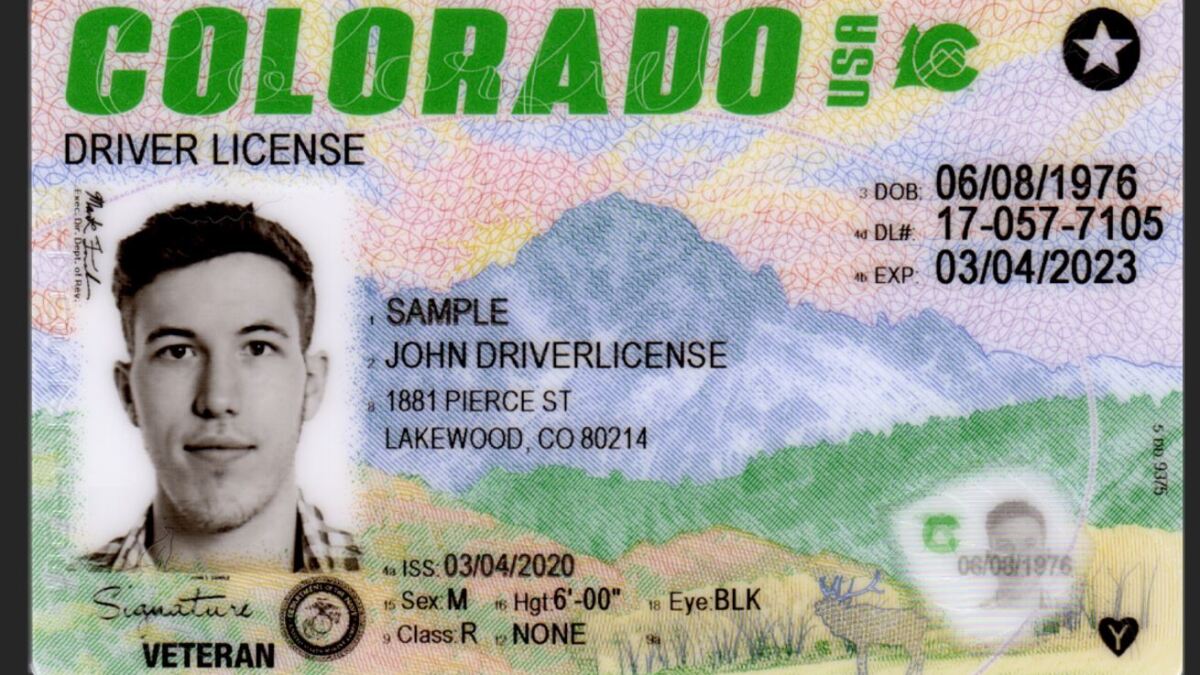
After holding your CLP for the required period (typically a minimum of 10 days in Colorado) and practicing your driving skills, you will be eligible to take the CDL skills test. This test is administered by third-party examiners or at authorized Colorado Driver License offices and is divided into three parts:
- Vehicle Inspection Test: You will be required to perform a thorough pre-trip inspection of the commercial vehicle you will be tested in. This assesses your ability to identify potential safety issues.
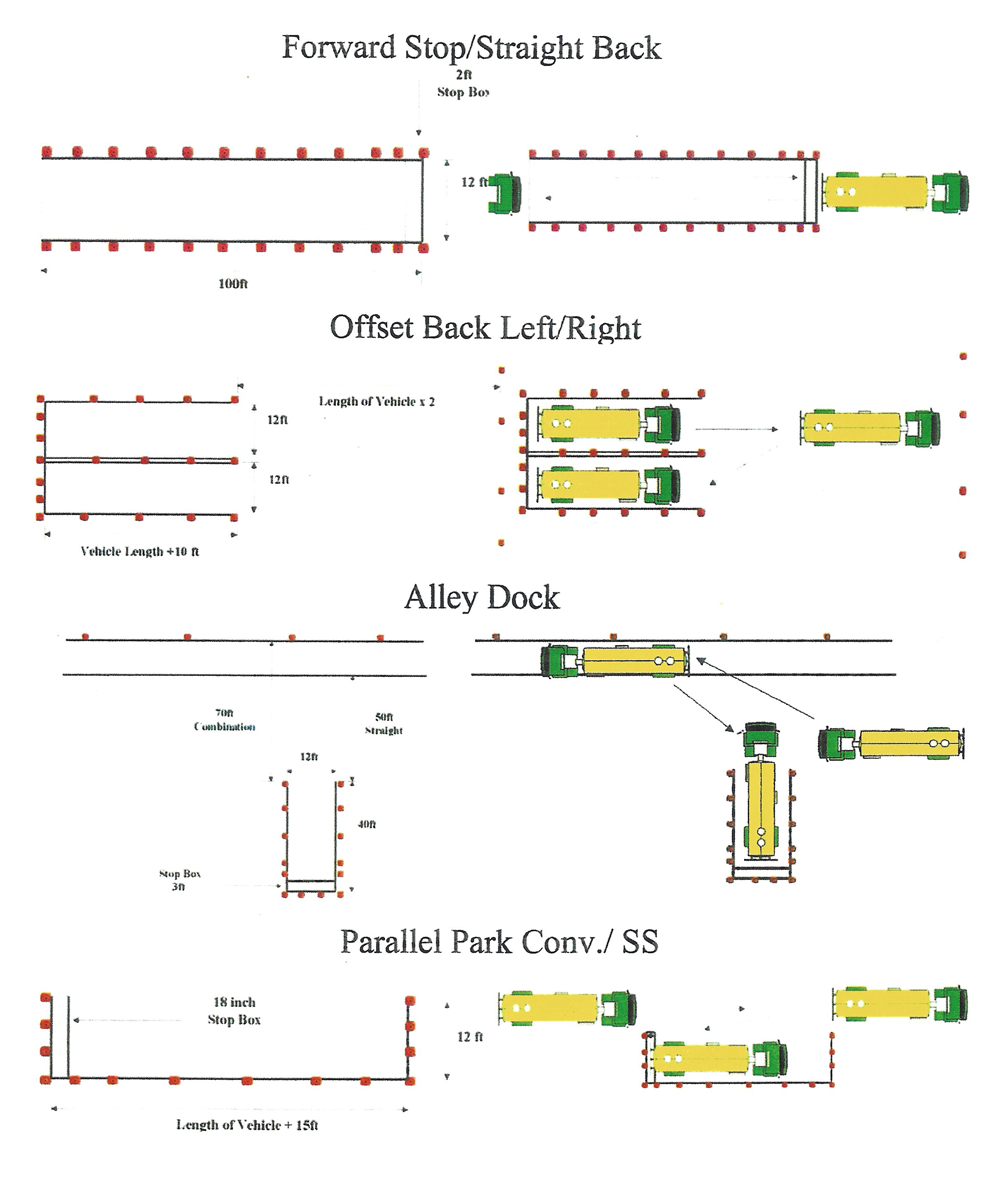
- Basic Control Skills Test: This portion evaluates your ability to maneuver the vehicle in a controlled environment, such as backing into a parking space or performing a series of turns.
- Road Test: This is the final stage, where you will drive the commercial vehicle on public roads under actual traffic conditions. An examiner will assess your ability to operate the vehicle safely, follow traffic laws, and demonstrate defensive driving techniques.
You must provide a properly insured and licensed commercial vehicle for your skills test that matches the class of CDL you are applying for.
Finalizing Your CDL Application
Upon successfully passing all parts of the CDL skills test, you will return to a Colorado Driver License office to finalize your application. You will pay the required fees, and your CDL will be issued.
Advanced CDL Training and Endorsements
While the basic CDL requirements are standardized, many aspiring commercial drivers opt for specialized training and pursue additional endorsements to enhance their career opportunities. Investing in comprehensive training programs can significantly improve your chances of passing the tests and becoming a proficient and sought-after driver.
CDL Training Schools
There are numerous CDL training schools in and around Colorado that offer both theoretical and practical instruction. These programs are designed to cover all aspects of commercial driving, including vehicle operation, safety regulations, defensive driving, and maintenance. Many schools offer job placement assistance upon completion. When choosing a school, consider factors such as accreditation, instructor experience, fleet size, and graduation rates. Reputable schools often have partnerships with trucking companies.
Hazardous Materials Endorsement (HazMat) Training
Obtaining the HazMat endorsement requires specialized knowledge about the transportation of dangerous goods. This includes understanding placarding requirements, emergency procedures, and regulations specific to different classes of hazardous materials. Training programs for HazMat endorsements often cover detailed information on chemical properties, spill containment, and legal responsibilities. This endorsement is highly valued in the transportation industry, particularly for companies involved in the transport of chemicals, fuels, and other regulated substances.
Tank Vehicle Endorsement Training
For those looking to transport bulk liquids or gases, the tank vehicle endorsement is essential. Training for this endorsement focuses on the unique challenges of operating vehicles with liquid or gaseous loads, such as the “sloshing” effect, which can impact vehicle stability and handling. It also covers specific inspection procedures for tank vehicles and the safe loading and unloading of various commodities.
Passenger and School Bus Endorsements
Operating passenger vehicles or school buses requires specific training to ensure the safety of passengers, especially children. These endorsements involve learning about passenger management, emergency evacuation procedures, and specialized driving techniques for larger vehicles carrying vulnerable individuals. The S endorsement, for school buses, often includes additional requirements related to background checks and child passenger safety.
Pursuing these advanced training programs and endorsements not only fulfills the requirements for specific jobs but also demonstrates a commitment to professional development and safety within the commercial driving field in Colorado.
Maintaining Your CDL and Staying Compliant
Obtaining your CDL is a significant achievement, but it is crucial to understand the ongoing responsibilities that come with it. Maintaining your license and ensuring compliance with all federal and state regulations is essential for a successful and uninterrupted career in commercial driving.
Medical Certification and Renewals
As mentioned, CDL holders must maintain a valid medical examiner’s certificate. The duration of this certificate is determined by the medical examiner based on your health status, but it is typically valid for up to two years. It is your responsibility to ensure your medical certification remains current. Failure to do so will result in the disqualification of your CDL. The Colorado Department of Revenue (DOR) tracks these certifications, and you will be notified if your medical status is no longer valid.
CDL Renewal
CDLs in Colorado are generally valid for eight years and must be renewed before they expire. The renewal process typically involves:
- Submitting updated identification and residency documents.
- Presenting a current Medical Examiner’s Certificate.
- Passing vision screening.
- Paying the renewal fee.
The Colorado DOR will send renewal notices to your last known address, but it is your responsibility to ensure your address is up-to-date with the department.
Understanding Hours of Service (HOS) Regulations
Commercial drivers are subject to strict Hours of Service (HOS) regulations set by the FMCSA. These rules limit the number of hours a driver can be on duty and driving within a given period to prevent fatigue and promote safety. Drivers must accurately record their driving and on-duty times using logs, either paper or electronic logging devices (ELDs). Compliance with HOS regulations is rigorously enforced through roadside inspections, and violations can lead to significant penalties, including fines and license suspension. Staying informed about the latest HOS rules, including any recent updates or exemptions, is paramount for all CDL holders.
Traffic Violations and CDL Status
Traffic violations can have serious consequences for CDL holders. Certain violations, especially those related to impaired driving, reckless driving, or fleeing a scene, can lead to automatic CDL disqualification. Additionally, accumulating too many violations within a specific timeframe can result in a suspension or revocation of your CDL. It is imperative to drive defensively and adhere to all traffic laws to protect your commercial driving privileges.
By staying diligent with medical certifications, renewals, understanding and complying with HOS regulations, and maintaining a clean driving record, you can ensure a long and prosperous career with your Colorado CDL.
LifeOutOfTheBox is a participant in the Amazon Services LLC Associates Program, an affiliate advertising program designed to provide a means for sites to earn advertising fees by advertising and linking to Amazon.com. Amazon, the Amazon logo, AmazonSupply, and the AmazonSupply logo are trademarks of Amazon.com, Inc. or its affiliates. As an Amazon Associate we earn affiliate commissions from qualifying purchases.