
Understanding the Heart of Detroit’s Governance
The question “Who is the Mayor in [Detroit, Michigan]?” delves into the leadership and administrative structure of one of [America’s] most historically significant and dynamically evolving cities. The mayor’s office is not merely a figurehead position; it represents the executive authority responsible for overseeing [Detroit’s] municipal government, implementing policies, and shaping the city’s future trajectory. To truly appreciate [Detroit’s] vibrant culture and burgeoning tourism scene, understanding its political leadership is an essential piece of the puzzle. The mayor acts as the primary advocate for the city’s residents and businesses, playing a crucial role in attracting investment, fostering economic development, and enhancing the quality of life that draws visitors to its many attractions.

The office of the mayor in [Detroit] is one of considerable influence, particularly in a city that has undergone profound transformations. The current occupant of this office is instrumental in steering [Detroit’s] path forward, impacting everything from urban planning and public safety to the preservation of its rich cultural heritage and the promotion of its tourism industry. A mayor’s vision can directly influence the accessibility of iconic landmarks, the vibrancy of local culinary experiences, and the overall welcoming atmosphere that defines the visitor experience. Therefore, understanding who holds this position provides a foundational insight into the forces shaping [Detroit] as a destination.
The Role of the Mayor in Urban Development
The mayor’s responsibilities extend far beyond ceremonial duties. They are tasked with managing a complex municipal bureaucracy, proposing budgets, and working with the [Detroit City Council] to enact legislation. In a city like [Detroit], with its ambitious revitalization efforts and ongoing development projects, the mayor’s office is at the forefront of these initiatives. This includes spearheading projects that aim to enhance [Detroit’s] appeal as a tourist destination, such as improving infrastructure around key attractions, supporting the growth of the hospitality sector, and promoting cultural events that showcase the city’s unique character.
The strategic decisions made by the mayor and their administration have a tangible impact on what visitors experience. This can range from the cleanliness and safety of public spaces to the availability of diverse dining options and the promotion of festivals and cultural happenings. A forward-thinking mayor will recognize the economic importance of tourism and invest in initiatives that highlight [Detroit’s] strengths, from its world-class museums like the [Henry Ford Museum of American Innovation] and the [Detroit Institute of Arts], to its burgeoning music scene and historic architecture. The mayor’s leadership is crucial in ensuring that [Detroit] presents itself as an inviting and engaging destination for travelers from around the globe.
Impact on Tourism and Local Culture
The mayor’s influence on [Detroit’s] tourism and local culture is multifaceted. Through policy decisions and public engagements, the mayor can champion initiatives that preserve and promote the city’s rich heritage, from its automotive history to its legendary music legacy. This can translate into increased support for cultural institutions, historic preservation projects, and community-based arts programs. A thriving arts and culture scene is a significant draw for tourists, offering unique experiences that differentiate [Detroit] from other destinations.
Furthermore, the mayor’s office often plays a role in attracting major events and conventions to the city. These large-scale gatherings not only boost the local economy through hotel bookings and restaurant patronage but also provide an opportunity to showcase [Detroit’s] revitalized spirit and diverse offerings to a wider audience. The mayor’s ability to foster partnerships with businesses, community organizations, and tourism boards is paramount in presenting a cohesive and appealing image of [Detroit] to the world. Their advocacy can lead to improvements in public transportation, the development of new entertainment venues, and the overall enhancement of the visitor experience, making [Detroit] a more attractive and accessible destination.
Navigating Detroit’s Political Landscape
To fully understand who is at the helm of [Detroit], it’s beneficial to look at the current political landscape and the individual who holds the office of mayor. This involves recognizing their background, their policy priorities, and how their leadership style shapes the city’s administration and its public perception. The mayor’s office is often a focal point for discussions about [Detroit’s] progress, its challenges, and its aspirations.
The current mayor is tasked with balancing the needs of [Detroit’s] diverse population while simultaneously working to attract new residents and businesses, as well as fostering a robust tourism sector. Their ability to connect with constituents, articulate a clear vision for the city, and effectively implement strategies to achieve that vision is central to their success and, by extension, to the success of [Detroit] as a vibrant and welcoming urban center.
The Current Mayoral Administration
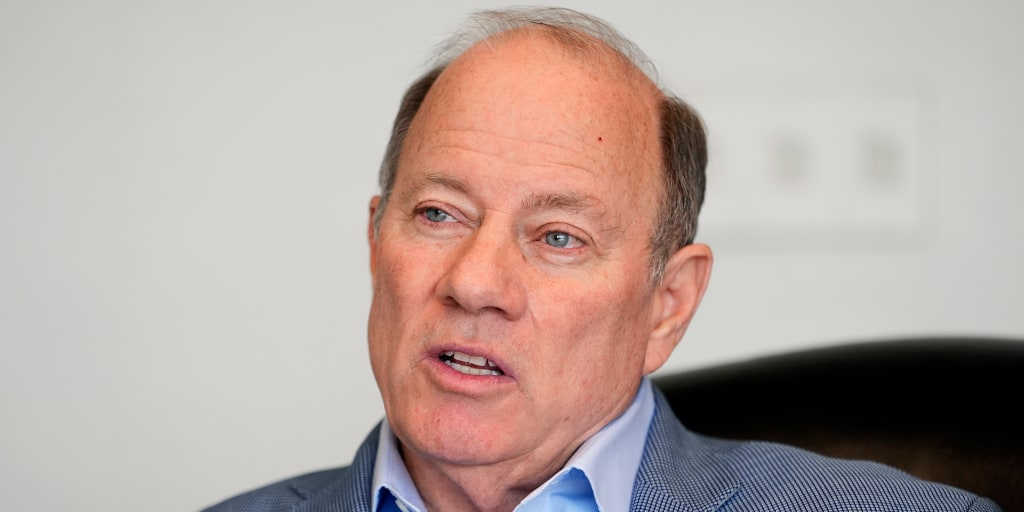
The current mayoral administration in [Detroit] is actively engaged in a variety of initiatives aimed at enhancing the city’s economic vitality and livability. This includes ongoing efforts to attract new businesses, create jobs, and improve public services. For tourism, this translates into a focus on developing and promoting the city’s unique attractions, from its historic neighborhoods and cultural institutions to its culinary scene and entertainment venues. The mayor’s office often works in conjunction with entities like the [Detroit Metro Convention & Visitors Bureau] to strategize and execute marketing campaigns that highlight the best of what [Detroit] has to offer.
The administration’s commitment to urban redevelopment also plays a significant role in shaping the visitor experience. Investments in public spaces, such as parks and riverfront areas, create more attractive environments for both residents and tourists. Furthermore, support for new hotels, restaurants, and entertainment venues directly contributes to the growth of the tourism sector, providing more options and enriching the overall experience for visitors exploring [Detroit]. The mayor’s leadership is a key factor in ensuring that these developments align with a broader vision for [Detroit’s] future, one that embraces its history while looking forward to new opportunities.
Key Initiatives and Their Impact on Tourism
The policies and initiatives championed by the mayor’s office have a direct and measurable impact on [Detroit’s] tourism landscape. For instance, investments in the revitalization of areas like [Downtown Detroit] and the [Midtown] district have created more vibrant and walkable areas, increasing their appeal to visitors. The development of new hotels and the renovation of existing ones, often supported or influenced by mayoral endorsements, provide essential accommodation options for travelers.
Moreover, the mayor’s office often plays a role in fostering a supportive environment for cultural events and festivals, which are significant draws for tourism. Whether it’s the [Detroit Jazz Festival], [Movement Electronic Music Festival], or smaller community events, these gatherings showcase [Detroit’s] dynamic culture and draw visitors from across the country and beyond. The mayor’s advocacy can also extend to advocating for improved transportation infrastructure, making it easier for tourists to navigate the city and access its various attractions. A focus on safety and cleanliness in public areas, often a priority for any mayor, further enhances the positive perception of [Detroit] as a tourist destination.
Beyond the Office: Detroit’s Enduring Spirit
While understanding the mayor’s role is important for grasping the governance of [Detroit], it is equally crucial to recognize that the city’s appeal as a travel destination is driven by far more than its political leadership. The enduring spirit of [Detroit], its resilience, its creativity, and the warmth of its people are what truly define the visitor experience.
The city’s rich history, its architectural marvels, its groundbreaking contributions to music and industry, and its ever-evolving cultural landscape are the primary reasons people are drawn to [Detroit]. These elements, often nurtured and celebrated by the city’s leadership, create the unique tapestry that travelers come to explore. From the historic grandeur of the [Fisher Building] to the innovative exhibits at the [Henry Ford Museum], [Detroit] offers a compelling narrative that transcends its administrative structure.
Exploring Detroit’s Cultural Landmarks
[Detroit] is a city steeped in history and brimming with cultural landmarks that offer a glimpse into its storied past and its vibrant present. Visitors can immerse themselves in the automotive heritage that built the city, explore world-class museums, and discover architectural gems that stand as testaments to its former glory and its ongoing renaissance. These sites are not just places to see; they are experiences that connect travelers to the soul of [Detroit].- Automotive History: No visit to [Detroit] is complete without exploring its automotive roots. The [Henry Ford Museum of American Innovation] in nearby [Dearborn] offers an unparalleled journey through American industrial history, with iconic vehicles and exhibits that tell the story of innovation. The [Ford Piquette Avenue Plant Museum] provides a more intimate look at the birthplace of the [Ford Model T].
- Art and Culture: The [Detroit Institute of Arts] is a treasure trove of artistic masterpieces, featuring an impressive collection that spans centuries and cultures. Its renowned Diego Rivera murals are a particular highlight. For music lovers, the [Motown Museum] offers a deeply moving experience, taking visitors back to the golden age of [Motown Records] and the artists who changed music forever.
- Architectural Marvels: [Detroit’s] downtown and surrounding areas boast stunning architecture. The [Guardian Building] and the [Fisher Building], both iconic examples of Art Deco design, showcase the grandeur of [Detroit’s] past. The revitalized [RiverWalk] offers scenic views and connects many of the city’s key attractions along the [Detroit River].

Culinary Delights and Local Flavors
The culinary scene in [Detroit] is as diverse and dynamic as the city itself, offering a compelling reason for travelers to visit and explore. From classic diner experiences and soul food institutions to innovative farm-to-table restaurants and international cuisine, [Detroit] provides a rich gastronomic adventure. The mayor’s office can play a role in supporting local businesses and promoting culinary tourism, further enhancing the visitor experience.
- Classic Detroit Eats: For a taste of authentic [Detroit], visitors should seek out iconic dishes like the Coney Island hot dog, a beloved local specialty found at diners across the city. Exploring historic neighborhoods like [Greektown] offers a chance to indulge in delicious Greek cuisine, while [Eastern Market] is a vibrant hub for fresh produce, local vendors, and a true taste of [Detroit’s] community spirit.
- Modern Gastronomy: [Detroit’s] culinary landscape has evolved dramatically, with a surge in innovative restaurants and chefs pushing the boundaries of flavor. The city boasts a burgeoning craft brewery scene, offering local brews alongside inventive pub fare. From upscale dining experiences in [Midtown] to casual eateries in emerging neighborhoods, [Detroit] caters to every palate, making it a destination that delights the senses.
By delving into the leadership of [Detroit] and exploring its abundant cultural and culinary offerings, travelers can gain a comprehensive appreciation for this resilient and captivating city.
LifeOutOfTheBox is a participant in the Amazon Services LLC Associates Program, an affiliate advertising program designed to provide a means for sites to earn advertising fees by advertising and linking to Amazon.com. Amazon, the Amazon logo, AmazonSupply, and the AmazonSupply logo are trademarks of Amazon.com, Inc. or its affiliates. As an Amazon Associate we earn affiliate commissions from qualifying purchases.