
Navigating the process of becoming a commissioned notary public in the Lone Star State requires a clear understanding of the requirements and procedures set forth by the Texas Secretary of State. This guide aims to demystify the journey, providing aspiring notaries with the essential information to successfully obtain their commission, thereby becoming a trusted official who can witness signatures and deter fraud. While the role of a notary public is professional and administrative, the implications of their work are deeply intertwined with various aspects of life, from real estate transactions to legal document execution, and even impacting travel documentation in certain contexts. For those interested in offering essential services that facilitate commerce and legal certainty, securing a notary license in Texas is a straightforward, yet meticulous, undertaking.
Understanding the Notary Public Role in Texas
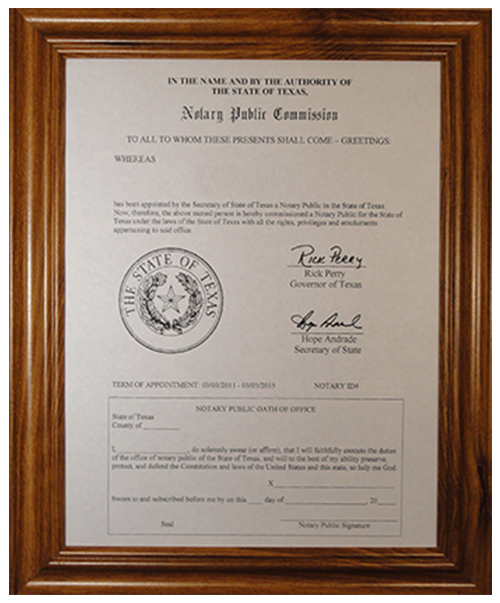
A notary public serves as an impartial witness to the signing of documents and administers oaths and affirmations. Their primary function is to deter fraud by verifying the identity of signers, ensuring they understand the documents they are signing, and witnessing their signatures voluntarily. In Texas, the authority to commission notaries public rests with the Texas Secretary of State. The role is crucial for various sectors, including legal services, real estate, finance, and even in facilitating international travel by certifying the authenticity of documents. While not directly a travel or hospitality service, a notary’s ability to authenticate documents can be a critical step for individuals embarking on significant journeys or international ventures that require notarized paperwork. For instance, preparing documents for a student studying abroad or for a family relocating to another country often necessitates the services of a notary.
Key Responsibilities of a Texas Notary Public
The duties of a notary public in Texas are specific and legally defined. They include:
- Administering Oaths and Affirmations: A notary can officially swear individuals into or out of certain statements, ensuring the truthfulness of their declarations.
- Taking Acknowledgments: This involves confirming that a signer personally appeared before the notary, was identified, and acknowledged that they executed the document.
- Witnessing Signatures: Notaries can act as witnesses to the signing of a document, confirming the identity of the signatory.
- Executing Jurats: This is a form of an oath or affirmation where the signer swears that the contents of the document are true and then signs it in the notary’s presence.
- Certifying Copies: In some instances, notaries can certify that a copy of an original document is a true and accurate reproduction.
It is imperative for notaries to perform these duties with integrity and adherence to the law. Any deviation can lead to penalties and loss of commission. The accuracy and validity of documents processed by notaries are essential for many aspects of daily life, including those that might indirectly touch upon travel or business ventures that require clear legal documentation.
Legal Framework and Ethical Considerations
The office of a notary public in Texas is governed by the Texas Government Code, specifically Chapter 406. This code outlines the qualifications, duties, and powers of notaries. Adherence to these statutes is paramount. Beyond legal requirements, ethical considerations are fundamental. Notaries must remain impartial, avoiding any situation where a conflict of interest might arise. They must not provide legal advice or act as an attorney unless they are duly licensed to practice law in Texas. The confidential nature of many notarized documents underscores the importance of discretion and professionalism. For individuals involved in international business or personal relocation, understanding these ethical guidelines ensures their notarized documents are universally accepted.
Requirements to Become a Texas Notary Public
To embark on the path to becoming a commissioned notary public in Texas, prospective applicants must meet several eligibility criteria established by the Texas Secretary of State. These requirements are designed to ensure that only qualified and trustworthy individuals are entrusted with this important public office. Meeting these prerequisites is the foundational step in the licensing process.
Eligibility Criteria for Applicants
The essential qualifications for an individual seeking to become a notary public in Texas include:
- Age: Applicants must be at least 18 years of age.
- Citizenship: Must be a U.S. citizen or a legal resident alien.
- Residency: Must be a legal resident of Texas for at least six months preceding the application. Some exceptions apply for individuals who are not Texas residents but are employed in Texas by a business located in the state.
- Criminal Background: Applicants must not have been convicted of a felony or a crime involving moral turpitude. While a past misdemeanor conviction might not automatically disqualify an applicant, it will be reviewed by the Secretary of State’s office on a case-by-case basis.
- Literacy: Must be able to read and write the English language.
These basic requirements ensure a standard level of competence and trustworthiness among commissioned notaries. For individuals who may have had prior legal issues, it is advisable to consult with the Texas Secretary of State directly to understand how past convictions might impact their eligibility.
Educational and Training Components
While Texas does not mandate a specific college degree for its notaries, a foundational understanding of notarial laws and practices is crucial. The Texas Secretary of State offers a mandatory 3-hour notary public education course. This course is typically delivered by approved vendors and covers topics such as the duties and responsibilities of a notary, legal implications, proper record-keeping, and ethical conduct. Completing this course is a prerequisite for application. Furthermore, while not mandatory, many aspiring notaries choose to engage in additional self-study or join professional organizations to deepen their knowledge, which can be particularly beneficial for those who intend to offer specialized services, such as assisting clients with international documents that might require notarization before travel.
The Application Process: Step-by-Step
Once the eligibility criteria are met and the required education is completed, the applicant can proceed with the formal application to become a notary public in Texas. This process involves submitting specific documentation and fees to the Texas Secretary of State. Following the prescribed steps diligently ensures a smooth and successful application.
Submitting the Application and Required Documents
The application for a notary commission in Texas is primarily an online process. Applicants will need to visit the Texas Secretary of State website and navigate to the Notary Public section. The application typically requires:
- Completed Application Form: This form will gather personal information, residency details, and confirm adherence to eligibility requirements.
- Proof of Education Completion: A certificate or confirmation of completing the mandatory 3-hour notary education course must be submitted.
- Filing Fee: A non-refundable fee is required for processing the application. The exact amount can be found on the Texas Secretary of State website, and it is subject to change.
Applicants should ensure all information provided is accurate and complete to avoid delays. It is wise to have all necessary documents and payment information readily available before starting the online application.
Obtaining the Notary Bond and Oath of Office
After the application is reviewed and approved by the Texas Secretary of State, the applicant will receive a commission packet. This packet will contain instructions for the next crucial steps: obtaining a surety bond and taking the oath of office.
- Notary Bond: A notary public must obtain a four-year, $10,000 surety bond. This bond serves to protect the public from financial harm caused by the notary’s errors or misconduct. The bond can be purchased from most insurance carriers or through approved notary supply companies. It is essential to secure a bond from a reputable provider.
- Oath of Office: Once the bond is obtained and filed with the county clerk in the applicant’s county of residence, the applicant must take the Oath of Office. This oath is administered by the county clerk and signifies the notary’s commitment to upholding their duties with integrity and diligence.
Upon completion of these steps and filing of the oath with the county clerk, the Texas Secretary of State will officially issue the notary commission.
Maintaining Your Texas Notary Commission
Receiving your notary commission is just the beginning; maintaining it requires ongoing diligence and adherence to state regulations. Renewing your commission, keeping accurate records, and staying informed about legal updates are vital to ensuring your status as a commissioned notary public remains valid and effective. This proactive approach is essential for continuous service, which can indirectly support various lifestyle and travel-related endeavors that require notarized documents.
Commission Renewal and Record Keeping
Texas notary commissions are valid for four years. To renew a commission, notaries must reapply through the Texas Secretary of State and pay the required renewal fee. Similar to the initial application, applicants will likely need to complete the mandatory education course again before renewal. It is crucial to begin the renewal process well in advance of the expiration date to avoid any lapse in commission status.
A critical responsibility of a notary public is maintaining a notary journal or record book. This journal should contain a chronological record of all notarial acts performed. Entries should include the date and type of act, the title and signature of the person whose signature is notarized, the printed name and address of that person, and the means by which their identity was verified. This journal is a vital tool for accountability and can serve as evidence in case of disputes or legal challenges. Proper record-keeping is a cornerstone of professional notary practice.

Continuing Education and Staying Informed
The laws and regulations governing notaries public can evolve. Therefore, it is the responsibility of each notary to stay informed about any changes or updates to the Texas notary statutes. The Texas Secretary of State website is an excellent resource for official updates, advisories, and training materials. Many professional notary associations also offer continuing education opportunities and resources that can help notaries stay current with best practices and legal requirements. Engaging in continuous learning ensures that notaries can provide accurate and reliable services, which is particularly important for clients who may be dealing with complex legalities related to their personal or professional lives, including those that touch upon international relocation or extended travel.
LifeOutOfTheBox is a participant in the Amazon Services LLC Associates Program, an affiliate advertising program designed to provide a means for sites to earn advertising fees by advertising and linking to Amazon.com. Amazon, the Amazon logo, AmazonSupply, and the AmazonSupply logo are trademarks of Amazon.com, Inc. or its affiliates. As an Amazon Associate we earn affiliate commissions from qualifying purchases.