
The question of a sequel to the critically acclaimed narrative adventure game, Detroit: Become Human, has been a persistent topic of discussion among fans and industry observers alike. Developed by Quantic Dream and released in 2018, the game presented a compelling near-future vision of Detroit, where advanced androids, indistinguishable from humans, grapple with sentience and societal integration. Its branching narrative, ethical quandaries, and emotional depth left a significant impact, prompting a natural desire for further exploration of its universe and characters. Understanding the likelihood of Detroit: Become Human 2 involves examining the game’s performance, the developer’s past practices, and the broader trends in interactive storytelling.
The Enduring Appeal of Detroit: Become Human
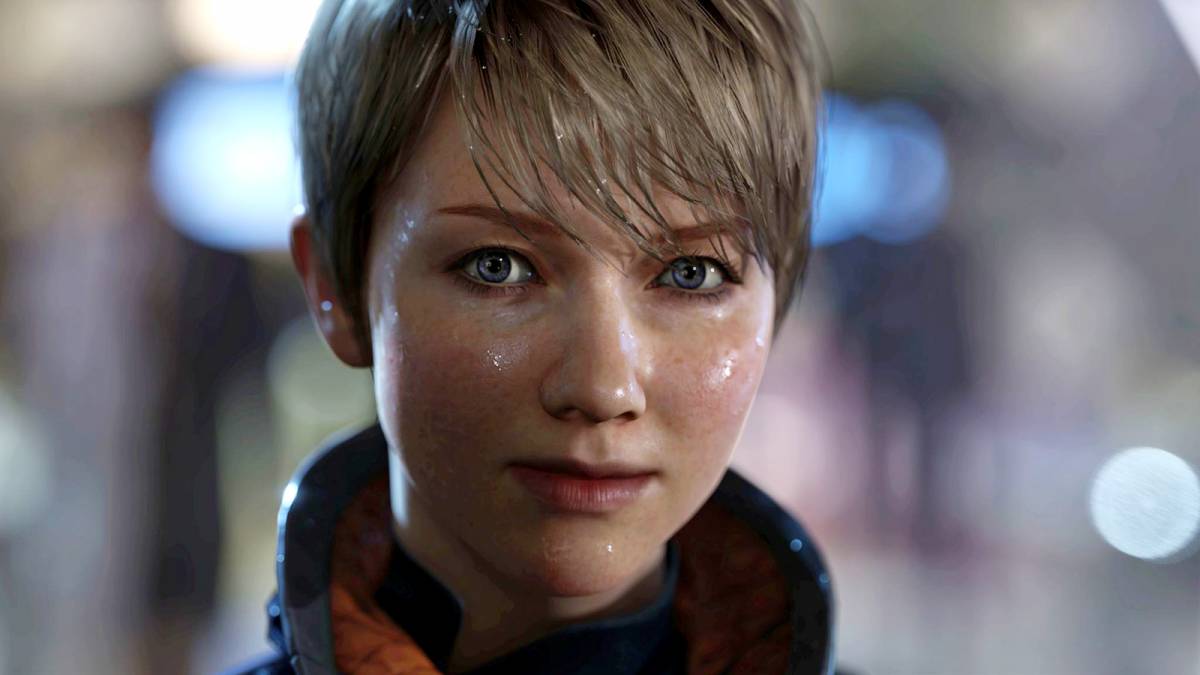
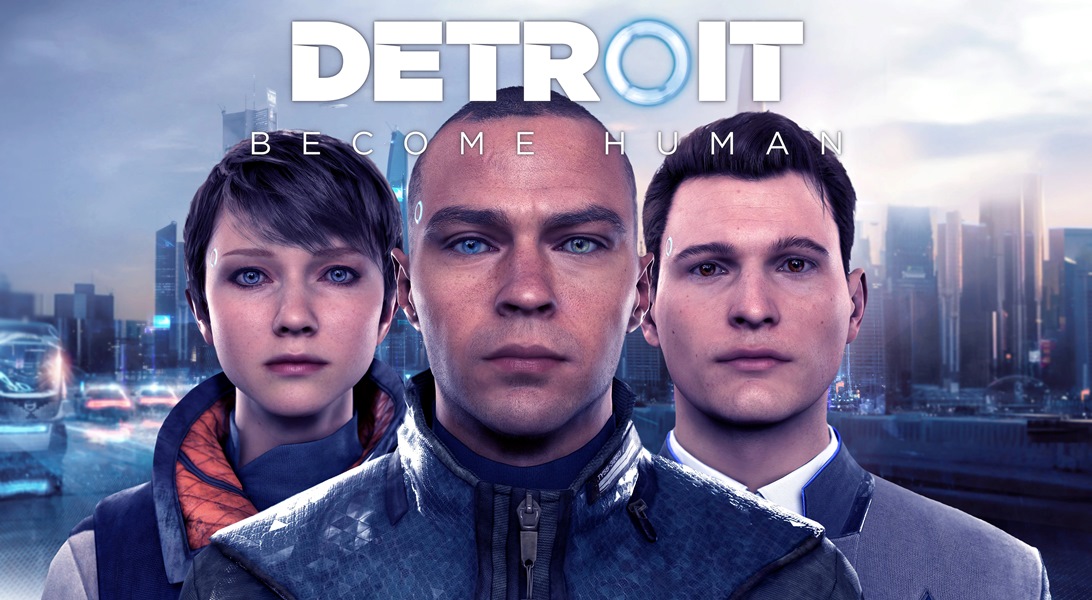
The success of Detroit: Become Human can be attributed to several key factors that resonated deeply with its audience. The game masterfully blended a thought-provoking narrative with engaging gameplay mechanics, allowing players to shape the destinies of its three protagonists: Kara, a domestic android seeking freedom for herself and a young girl; Connor, an android detective tasked with hunting down deviant androids; and Markus, an android who becomes the leader of a burgeoning android revolution.
Narrative Depth and Player Choice
At its core, Detroit: Become Human is a game about choice and consequence. The narrative is structured around a complex web of decisions, each with ripple effects that can drastically alter the story’s progression and ultimate outcome. This high degree of player agency fostered a sense of ownership over the narrative, encouraging replays to explore different paths and endings. The game tackled mature themes such as civil rights, prejudice, artificial intelligence ethics, and the very definition of life, all within a richly detailed and immersive world. The emotional investment players developed in characters like Kara, Connor, and Markus, and their respective journeys, has cemented the game’s place in the hearts of many.
Technological Innovation and Presentation
Beyond its narrative prowess, Detroit: Become Human was also a showcase for Quantic Dream’s technical capabilities. The game featured stunning visual fidelity, with highly detailed character models and environments that brought the futuristic Detroit to life. The motion capture and voice acting were top-notch, further enhancing the emotional impact of the story. The cinematic presentation, coupled with the responsive controls that allowed for intuitive interaction, created an experience that blurred the lines between gaming and interactive cinema. This high level of polish and ambition set a new benchmark for narrative-driven games.
Commercial and Critical Reception
Commercially, Detroit: Become Human performed exceptionally well, particularly on PC after its initial PlayStation 4 release. It achieved significant sales figures, demonstrating a strong market demand for its unique brand of storytelling. Critically, the game was largely praised for its ambition, narrative ambition, and presentation, although some critics pointed to pacing issues and occasional narrative contrivances. Nonetheless, the overwhelming positive reception from both critics and a dedicated player base created a fertile ground for discussions about its future.
Precedents and Patterns from Quantic Dream
When considering the potential for Detroit: Become Human 2, it’s essential to look at the historical output and business model of its developer, Quantic Dream. The studio has a long-standing history of creating ambitious, narrative-focused games that often push technological boundaries. Their previous titles, such as Heavy Rain, Beyond: Two Souls, and Detroit: Become Human, share a common DNA in their emphasis on player choice, cinematic presentation, and mature themes.
A History of Standalone Narratives
Historically, Quantic Dream has not been a studio known for developing direct sequels to its games. Each of their major releases has typically offered a self-contained narrative experience, exploring new worlds, characters, and storylines. This approach has allowed them to continually innovate and experiment with storytelling techniques without being constrained by established lore or character arcs from previous titles. For instance, the jump from the gritty realism of Heavy Rain to the supernatural themes of Beyond: Two Souls, and then to the science fiction of Detroit: Become Human, showcases a willingness to pivot and explore diverse genres.
The Business Case for Sequels
However, the gaming industry is increasingly driven by intellectual property and the potential for recurring revenue streams. A successful game like Detroit: Become Human, with its established world and passionate fanbase, presents a strong business case for a sequel. Publishers are often keen to capitalize on proven success, and the financial performance of Detroit: Become Human certainly warrants consideration for a follow-up. The potential to expand the universe, introduce new characters, and further develop existing ones could lead to even greater commercial success.
Evolving Development Models
While Quantic Dream has historically operated with a degree of independence, their development and publishing models have also evolved. Their partnership with Sony Interactive Entertainment for Detroit: Become Human was significant, and subsequent moves towards self-publishing and multi-platform releases for their older titles suggest a growing desire for broader reach and control. This could influence decisions regarding future projects, including whether to invest in the development of a sequel to a highly successful IP.
Exploring the Possibilities for Detroit: Become Human 2
Given the critical and commercial success of the first game, and the current landscape of the gaming industry, the possibility of Detroit: Become Human 2 is far from remote. However, the nature of such a sequel, its narrative direction, and its feasibility depend on several interwoven factors.
Narrative Threads and Unresolved Questions
Detroit: Become Human concluded with multiple possible endings, leaving certain narrative threads open to interpretation or further exploration. The fate of Kara, Connor, and Markus, and the broader societal impact of the android revolution, are all fertile ground for a sequel. A potential Detroit: Become Human 2 could delve deeper into the aftermath of the events of the first game, exploring the complexities of a world where androids have either achieved or are still fighting for their rights. New conflicts, ethical dilemmas, and character arcs could emerge from this evolved societal structure.
Development Challenges and Studio Capacity
Developing a game of Detroit: Become Human‘s caliber is a monumental undertaking. It requires a large, skilled team, significant financial investment, and considerable development time. Quantic Dream is known for its ambitious scope, and a sequel would likely aim to build upon the foundations of the first game, potentially introducing new gameplay mechanics, expanding the world, and further refining the visual and technical aspects. The studio’s current development pipeline and its capacity to take on such a large-scale project would be critical factors.
Developer Statements and Rumors
While concrete announcements about Detroit: Become Human 2 remain elusive, statements from key figures at Quantic Dream, particularly director David Cage, have often addressed the possibility. These statements typically express a desire to return to the world of Detroit if the right story and circumstances align. The absence of definitive confirmation, however, fuels speculation and keeps the hope of a sequel alive among the game’s dedicated fanbase. Industry rumors and leaks, while not always reliable, also contribute to the ongoing discussion.
The Future of Interactive Storytelling in Detroit
The success of Detroit: Become Human has not only sparked hopes for a sequel but has also highlighted the growing demand for mature, narrative-driven games that allow for significant player agency. The exploration of complex ethical, social, and philosophical themes within an engaging interactive medium has proven to be a winning formula.
Expanding the Universe
A potential Detroit: Become Human 2 could explore different facets of its established universe. Perhaps it could shift focus to other android models, delve into the origins of the advanced AI, or examine the impact of androids on different regions of the world beyond Detroit. The possibilities for world-building are vast, and a sequel could capitalize on the established lore while introducing fresh perspectives and challenges.
The Evolution of the Genre
The game also serves as a benchmark for the evolution of interactive storytelling. As technology advances, so too do the possibilities for creating more immersive and emotionally resonant experiences. A sequel would likely leverage the latest advancements in graphics, AI, and narrative design to push the boundaries further, offering players an even more compelling and believable world. The emphasis on player choice and consequence could also be further refined, leading to even more intricate and impactful narrative pathways.

Fan Demand and Developer Vision
Ultimately, the decision to create Detroit: Become Human 2 will rest on a combination of factors: the commercial viability, the artistic vision of the developers at Quantic Dream, and the continued passion of the game’s fanbase. The strong community surrounding Detroit: Become Human is a testament to its impact, and that enduring enthusiasm is a significant driving force behind the desire for a continuation of the story. Whether we will see a return to the streets of Detroit and the complex lives of its android inhabitants remains to be seen, but the possibility continues to captivate and inspire.
LifeOutOfTheBox is a participant in the Amazon Services LLC Associates Program, an affiliate advertising program designed to provide a means for sites to earn advertising fees by advertising and linking to Amazon.com. Amazon, the Amazon logo, AmazonSupply, and the AmazonSupply logo are trademarks of Amazon.com, Inc. or its affiliates. As an Amazon Associate we earn affiliate commissions from qualifying purchases.