
The arrival of cicadas in any region is a spectacle of nature, often sparking curiosity and sometimes concern. For those planning a visit to the Sunshine State, or for residents keen to understand their local environment, the question “Are Cicadas In Florida?” is a relevant one. The answer is a resounding yes, but with nuances regarding species, timing, and geographic distribution that are crucial for appreciating this natural phenomenon without undue alarm. Florida, with its diverse ecosystems ranging from pine flatwoods to humid swamps, provides habitat for a variety of cicada species, each with its own life cycle and emergence patterns.

Understanding Florida’s Cicada Inhabitants
Florida is home to several cicada species, most notably the periodical cicadas of the Magicicada genus and the annual cicadas of the Neotibicen genus. While Magicicada broods are famous for their synchronized, once-in-a-17-or-13-year emergences, Florida’s cicada activity is largely dominated by the annual species, which emerge every year, albeit in waves throughout the warmer months.
Annual Cicadas: The Yearly Chorus
The most commonly observed cicadas in Florida are the annual cicadas. These large, robust insects are known for their distinctive buzzing or droning song, which becomes a ubiquitous soundtrack to summer afternoons. Unlike their periodical cousins, annual cicadas do not emerge in overwhelming, synchronized broods. Instead, their life cycles are staggered, leading to a more continuous presence from late spring through early fall.
Different species of annual cicadas inhabit Florida, each with slightly varying emergence periods. The most prominent among these is likely the “DOG DAY” cicada, a common name often applied to several species within the Neotibicen genus. These cicadas spend most of their lives underground as nymphs, feeding on tree sap. Once they mature, they emerge, molt into their winged adult form, mate, and lay eggs, completing their cycle within a few weeks above ground.
Periodical Cicadas: Rare but Possible
While Florida is not typically known as a primary stronghold for the famously synchronized periodical cicadas (Magicicada spp.), there have been historical reports and isolated emergences of certain broods in various parts of the state. The most well-documented periodical cicada emergences in Florida have been attributed to Brood X, which historically included some northern Florida counties, though these emergences are infrequent and depend on specific 17-year cycles.
It is important to distinguish between the sheer numbers of a periodical cicada emergence, which can be in the billions, and the presence of a few individual periodical cicadas or smaller, less synchronized emergences. For the most part, the cicada activity experienced by visitors and residents in Florida will be from the annual species. Understanding this distinction helps manage expectations and avoids confusion. The science behind Magicicada life cycles is complex, with geographical boundaries for broods often overlapping and shifting over millennia. While a massive periodical cicada event is unlikely to be the primary cicada experience in most of Florida, the possibility, however remote, exists in certain historical ranges.
Cicada Season and Behavior in Florida
The timing of cicada activity in Florida is intrinsically linked to the state’s warm climate. While northern states might experience a concentrated emergence in late spring or early summer, Florida’s warmer temperatures allow for a more extended period of cicada presence.
Peak Activity Times
The “cicada season” in Florida generally begins in late April or May and can extend through September or even October, depending on the specific species and regional microclimates. The peak of the annual cicada chorus, characterized by the loudest and most widespread droning, typically occurs during the hottest months of summer, from June through August. During this period, it is common to see cicadas clinging to tree trunks, emerging from the ground, and observing their characteristic mating rituals.
The life cycle of a cicada nymph involves burrowing into the soil and feeding on the xylem sap of tree roots. The duration of this subterranean phase varies significantly by species. For annual cicadas in Florida, this nymphal stage can last anywhere from two to five years. When they are ready to pupate and emerge as adults, they will climb out of the ground, often after a rain event or at dusk. They then find a vertical surface, such as a tree trunk or a fence post, to undergo their final molt. This process, where the nymph sheds its exoskeleton to reveal the winged adult, is a vulnerable stage. The discarded exoskeletons, often found clinging to surfaces, are a tell-tale sign of recent cicada activity.
Behavior and Interaction
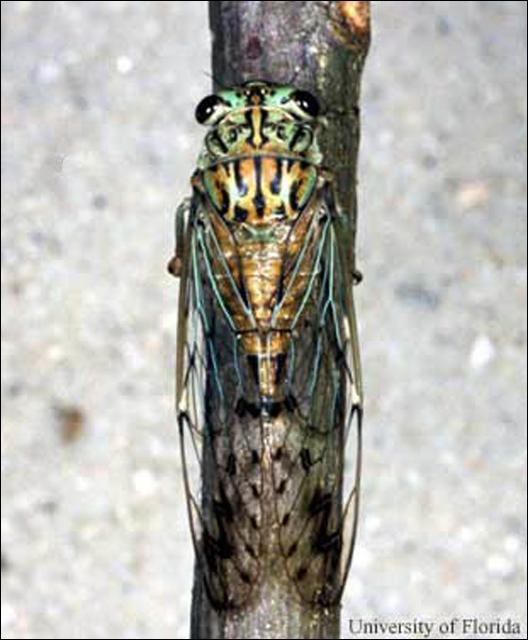
Cicadas are a food source for a wide array of wildlife, including birds, squirrels, and raccoons. Their emergence, especially during the mass events of periodical cicadas, provides a significant bounty for predators. In Florida, the annual cicada population is also an important part of the local food web. While their noise can be intense, cicadas themselves are generally harmless. They do not bite or sting. Their primary defense mechanism is their loud vocalization, which can serve to startle potential predators and to attract mates.
The sheer volume of their song can sometimes be startling, especially to those unfamiliar with it. This sound is produced by the males using specialized organs called tymbals. The sound is amplified by the male’s hollow abdomen. Females are attracted to these songs, and their presence is indicated by a soft clicking sound they make in response.
Where to Find Cicadas in Florida
Cicadas are widely distributed across Florida, inhabiting a variety of natural and suburban environments. Their presence is more pronounced in areas with mature trees, as these provide the necessary food source for the nymphal stage and suitable surfaces for molting and egg-laying for the adults.
Natural Habitats
From the pine forests of the Panhandle to the cypress swamps of the Everglades and the oak hammocks scattered throughout the state, Florida’s diverse natural landscapes support robust cicada populations. Parks and nature preserves, such as Everglades National Park, Ocala National Forest, and the Myakka River State Park, are excellent places to experience the cicada chorus in its natural setting. The abundance of trees and relatively undisturbed environments in these areas ensures a healthy ecosystem for these insects. Hiking trails within these protected areas often lead visitors through areas where the cicada’s song is a constant companion during the warmer months.
Urban and Suburban Environments
Cicadas are not confined to wilderness areas. They are common in suburban neighborhoods with well-established trees, parks within cities, and even in urban gardens. Areas with mature oak, maple, and pine trees are particularly attractive to cicadas. Many residential areas in cities like Orlando, Tampa, and Miami will experience noticeable cicada activity, especially during the peak summer months. Even in areas with extensive development, the presence of street trees and landscaped yards provides sufficient habitat for annual cicadas to thrive. Their life cycle, deeply intertwined with the root systems of trees, means that as long as trees are present, cicadas will likely follow.
Preparing for Cicadas: Tips for Visitors and Residents
Encountering cicadas in Florida is a natural and generally harmless event. However, understanding their behavior and presence can enhance the experience and alleviate any potential apprehension.
Embrace the Natural Spectacle
Cicadas are an integral part of the Florida ecosystem. Their emergence is a fascinating natural event that offers a unique auditory and visual experience. Rather than viewing them as a nuisance, consider them an opportunity to connect with the local environment. The distinctive soundscape of a Florida summer is, in large part, thanks to these industrious insects. Many Floridians learn to appreciate the characteristic drone as a sign of the season’s peak.
For nature enthusiasts, the presence of cicadas can also indicate a healthy environment, as they rely on the health of tree populations. Observing their molting process or the sheer number of them emerging can be a memorable experience. Many bird species increase their activity during cicada season, providing additional opportunities for wildlife observation.

Practical Considerations
While cicadas do not pose a threat to humans or pets, there are a few practical considerations. Their discarded exoskeletons can sometimes accumulate on surfaces, and while they are harmless, they might be considered unsightly by some. Likewise, the sheer volume of cicadas during peak times can be overwhelming.
For those who are particularly sensitive to noise, being aware of the peak summer months might be helpful if seeking quiet outdoor experiences. However, it’s important to remember that their sound is primarily a daytime phenomenon and often recedes in the evening. If you are concerned about pets ingesting cicadas, it’s advisable to supervise them when they are outdoors during peak season, although incidental ingestion is unlikely to cause harm. Their primary purpose above ground is reproduction, and they are not aggressive insects.
In summary, cicadas are indeed present in Florida, primarily the annual species that contribute to the state’s vibrant summer soundscape. While rare, less predictable periodical cicada emergences have been noted historically in certain northern areas, the everyday experience for most Floridians and visitors will be with the common annual cicadas. Their presence is a testament to Florida’s rich biodiversity and a natural spectacle worth observing.
LifeOutOfTheBox is a participant in the Amazon Services LLC Associates Program, an affiliate advertising program designed to provide a means for sites to earn advertising fees by advertising and linking to Amazon.com. Amazon, the Amazon logo, AmazonSupply, and the AmazonSupply logo are trademarks of Amazon.com, Inc. or its affiliates. As an Amazon Associate we earn affiliate commissions from qualifying purchases.