
The vast and varied landscape of California is renowned for its iconic landmarks, diverse ecosystems, and vibrant cultural tapestry. While many associate the Golden State with sun-drenched beaches, towering redwoods, and the glitz of Hollywood, its cultural contributions extend far beyond these well-trodden paths. One often-overlooked aspect of California’s cultural grandeur lies in its musical heritage, particularly its symphonic offerings. When considering the “biggest symphony” in California, one must approach the definition from multiple perspectives: the sheer size of the performing ensemble, the scale of its operations, the grandeur of its performance venues, and its impact on the cultural landscape. In this exploration, we delve into the symphonic titans that define California’s musical heart.

Defining “Biggest”: Beyond the Orchestra Pit
The term “biggest symphony” can be interpreted in several ways. Is it the symphony orchestra with the most musicians? Is it the one that commands the largest concert hall? Or is it the institution with the most extensive reach and profound cultural influence? To truly answer this, we must examine the key players in California’s orchestral scene, considering their achievements and prominence across these different facets.
Ensemble Size and Musical Prowess
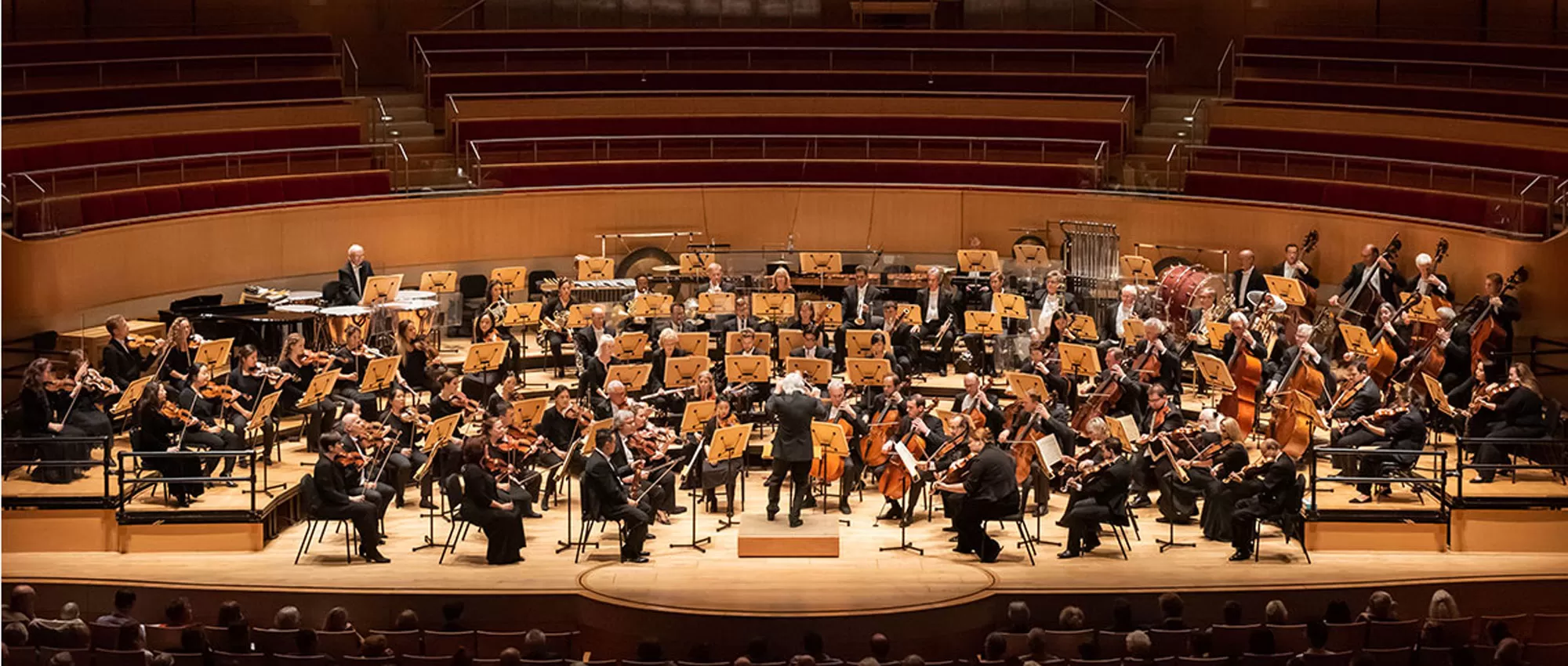
While the standard symphonic orchestra typically comprises around 80-100 musicians, certain special performances or specific works might necessitate larger ensembles. However, the consistent designation of “biggest” usually refers to the core roster and the overall caliber of musicianship. In California, several orchestras stand out for their long-standing traditions, commitment to artistic excellence, and ability to attract world-class talent.
The Los Angeles Philharmonic (Los Angeles Philharmonic) is undeniably a top contender. Known for its adventurous programming, innovative spirit, and a history of groundbreaking performances, the LA Phil consistently draws a large and dedicated following. Its musicians are among the finest in the world, and under distinguished conductors, they tackle repertoire ranging from the classical masters to contemporary premieres with exceptional skill. While their standard orchestra size is comparable to other major symphonies, their influence, the scope of their programming, and the sheer energy they bring to their performances often give the impression of a “bigger” sound and impact.
Similarly, the San Francisco Symphony (San Francisco Symphony) has a rich history of musical achievement. Frequently lauded for its polished sound and virtuosic performances, the San Francisco Symphony is a cornerstone of the West Coast’s classical music scene. Its musicians are highly accomplished, and the orchestra’s commitment to educational outreach and community engagement further amplifies its presence.
Other significant symphonies, such as the San Diego Symphony Orchestra (San Diego Symphony Orchestra) and the Pacific Symphony (Pacific Symphony) in Orange County, also boast substantial ensembles and impressive artistic credentials. The San Diego Symphony, in particular, is noted for its beautiful waterfront performance venue, the Symphony Shell at Embarcadero Marina Park South, contributing to a grand experience. The Pacific Symphony, based in Costa Mesa, has carved a niche for itself with its innovative programming and strong community ties.
Architectural Grandeur: The Halls of Sound
The physical space in which a symphony performs significantly contributes to the perception of its scale and grandeur. California is home to several world-class concert halls, each offering a unique acoustic and visual experience. The venue itself can feel like a character in the performance, enhancing the impact of the music and drawing larger audiences.
The Walt Disney Concert Hall (Walt Disney Concert Hall) in Los Angeles, home to the Los Angeles Philharmonic, is an architectural marvel designed by Frank Gehry. Its iconic, sail-like stainless steel exterior is a landmark in itself. Inside, the hall is renowned for its acoustical excellence, providing an immersive and powerful listening environment. The visual spectacle of the hall, combined with the sonic brilliance of the orchestra, creates an unforgettable experience that arguably makes the Los Angeles Philharmonic feel like the “biggest” in terms of its comprehensive impact. The sheer scale of its design and its reputation as a global architectural icon elevate the symphony’s presence.
The Davies Symphony Hall (Davies Symphony Hall) in San Francisco, home to the San Francisco Symphony, is another acoustically superb venue. While perhaps less visually flamboyant than the Walt Disney Concert Hall, it provides an intimate yet resonant space for symphonic music, allowing the orchestra’s nuances to shine.
In San Diego, the aforementioned Symphony Shell at Embarcadero Marina Park South offers an open-air setting with spectacular views of the bay, providing a unique and expansive atmosphere for its performances. This natural grandeur adds a different dimension to the symphony experience, making it feel vast and connected to the surrounding environment.
The Renée and Henry Segerstrom Concert Hall (Renée and Henry Segerstrom Concert Hall) in Costa Mesa, home to the Pacific Symphony, is a state-of-the-art facility designed for optimal acoustics, further enhancing the symphonic experience. Its modern design and sophisticated sound system contribute to the orchestra’s impressive presentation.
When considering the “biggest” based on venue, the Walt Disney Concert Hall stands out for its sheer iconic status and architectural ambition, inextricably linking it to the prominence of the Los Angeles Philharmonic.
Cultural Reach and Operational Scale
Beyond the musicians and the hall, the “biggest symphony” can also be measured by its operational scale, its audience reach, and its influence on the broader cultural ecosystem. This includes the breadth of its programming, its educational initiatives, its recording output, and its touring activities.
The Los Angeles Philharmonic consistently engages in extensive programming, featuring a wide array of classical repertoire, contemporary works, and collaborations with artists from various genres. Their commitment to new music and their role in premiering significant compositions underscore their position as a leader in the orchestral world. Furthermore, their educational programs, such as Toyota Symphonies for Youth, aim to inspire the next generation of music lovers and musicians, extending their impact far beyond the concert hall. The sheer volume of performances, the diversity of their artistic endeavors, and their robust administrative structure point to an operation of immense scale.

The San Francisco Symphony also operates on a significant scale, offering a comprehensive season of subscription concerts, special events, and extensive community and education programs. Their outreach efforts, including the popular Symphony in the City series, demonstrate a dedication to making classical music accessible to a wider audience across San Francisco and the surrounding Bay Area.
The Pacific Symphony has also made significant strides in expanding its reach and impact. Through its diverse concert offerings and robust educational outreach, including programs like Classroom Concerts, they are cultivating a strong presence in Southern California.
Considering the overall scope of operations, the number of performances throughout the year, the scale of their educational and community engagement, and their national and international recognition, the Los Angeles Philharmonic and the San Francisco Symphony are the two most prominent contenders for the title of the “biggest symphony” in California.
The Contenders: A Closer Look
To solidify our understanding, let’s delve deeper into the two leading symphonies that most embody the concept of “biggest” in California.
The Los Angeles Philharmonic: A Beacon of Innovation
The Los Angeles Philharmonic (LA Phil) has, for decades, been at the forefront of orchestral innovation. Founded in 1919, it has evolved from a regional ensemble into a globally recognized cultural institution. Its tenure under conductors like Zubin Mehta, Carlo Maria Giulini, Esa-Pekka Salonen, and currently Gustavo Dudamel has been marked by artistic daring and a commitment to pushing the boundaries of classical music.
Key Strengths:
- World-Class Musicianship: The LA Phil boasts an orchestra comprised of exceptionally talented musicians who consistently deliver performances of the highest caliber.
- Iconic Venue: The Walt Disney Concert Hall provides a visually stunning and acoustically superior setting that enhances the perception of grandeur.
- Innovative Programming: Their willingness to commission new works, explore diverse genres, and collaborate with artists from film, jazz, and popular music broadens their appeal and cultural relevance.
- Extensive Reach: The symphony’s season includes a vast number of concerts, extensive educational programs, and a significant digital presence, reaching audiences far beyond Los Angeles.
- Global Reputation: The LA Phil is frequently invited to perform at major international festivals and venues, solidifying its status as a leading global symphony orchestra.
The sheer ambition and scope of the LA Phil’s activities, coupled with its iconic home, position it as a formidable candidate for the “biggest symphony” in California, not just in terms of numbers, but in its overall cultural footprint and influence.
The San Francisco Symphony: A Legacy of Excellence
The San Francisco Symphony (SFS), established in 1911, is another pillar of classical music in California. It is celebrated for its rich tradition, its refined sound, and its dedication to musical scholarship and performance. The SFS has a storied history of artistic leadership, with conductors like Pierre Monteux, Herbert Blomstedt, and Michael Tilson Thomas leaving indelible marks on its sound and repertoire.
Key Strengths:
- Exceptional Ensemble Quality: The musicians of the SFS are renowned for their technical mastery, interpretive depth, and their ability to produce a beautifully blended sound.
- Resonant Performance Space: Davies Symphony Hall offers an acoustically excellent environment that allows for intricate musical details to be appreciated.
- Commitment to Tradition and Discovery: While deeply rooted in the classical tradition, the SFS also actively commissions and performs new works, ensuring its repertoire remains vibrant and relevant.
- Community Engagement: The symphony’s comprehensive educational and community programs, including its renowned Adventures in Music program for schoolchildren, demonstrate a commitment to fostering a love for music across San Francisco.
- Consistent Artistic Quality: For over a century, the San Francisco Symphony has maintained a high standard of artistic excellence, earning it a place among the nation’s elite orchestras.
The San Francisco Symphony, with its deep historical roots, unwavering commitment to artistic quality, and strong community ties, also presents a compelling case for being considered one of California’s “biggest” symphonies.
Conclusion: A Symphony of Superlatives
When asked about the “biggest symphony in California,” the answer is not a single, easily quantifiable metric. Instead, it’s a tapestry woven from the threads of artistic excellence, architectural grandeur, operational scale, and cultural impact.
Based on the confluence of these factors – the iconic architectural presence of the Walt Disney Concert Hall, the sheer breadth and innovation of its programming, its world-renowned musicianship, and its extensive reach – the Los Angeles Philharmonic emerges as the most compelling answer. Its operations are vast, its influence is profound, and its home is a globally recognized landmark.
However, to overlook the San Francisco Symphony would be an oversight. Its legacy of excellence, its commitment to its community, and its consistently superb performances solidify its position as a true titan of symphonic music in the state. Both orchestras, along with other significant symphonic institutions across California, contribute immeasurably to the state’s vibrant cultural identity, offering experiences that are nothing short of grand. Ultimately, California is fortunate to be home to not one, but multiple symphonic powerhouses that resonate with unparalleled artistic might.
LifeOutOfTheBox is a participant in the Amazon Services LLC Associates Program, an affiliate advertising program designed to provide a means for sites to earn advertising fees by advertising and linking to Amazon.com. Amazon, the Amazon logo, AmazonSupply, and the AmazonSupply logo are trademarks of Amazon.com, Inc. or its affiliates. As an Amazon Associate we earn affiliate commissions from qualifying purchases.