
Florida, often conjuring images of sun-drenched beaches, vibrant citrus groves, and the enchanting allure of the Everglades, is a state synonymous with tropical and subtropical delights. Among these, the coconut palm stands out as a quintessential symbol of paradise. The question of whether these iconic trees grace the Sunshine State is not just a matter of botanical curiosity but also touches upon the rich tapestry of Florida’s environment, tourism, and local experiences. The answer is a resounding yes, with nuances that shape their presence and perception across the state.
The Coconut Palm’s Climate Suitability in Florida
The presence of any tropical plant is intrinsically linked to its climate requirements. Coconut palms (Cocos nucifera) are notoriously sensitive to cold. They thrive in consistently warm temperatures, ideally between 70°F and 85°F (21°C to 29°C), with minimal exposure to frost. This inherent characteristic dictates their geographical distribution within Florida.
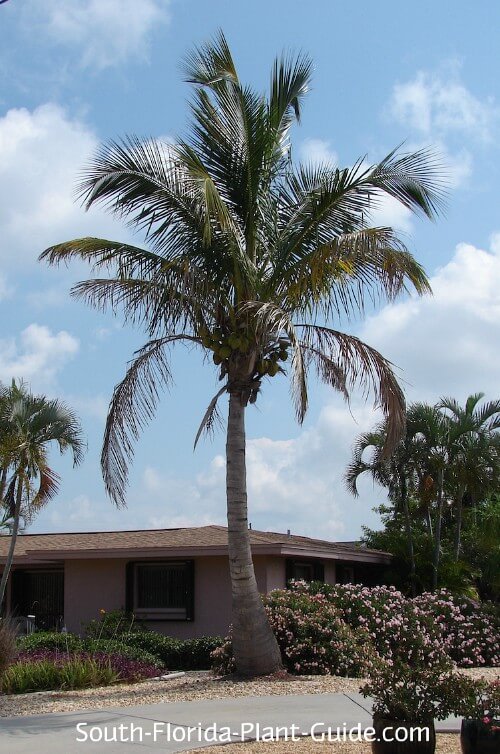
South Florida: The Coconut Haven
The southernmost regions of Florida, particularly areas south of Lake Okeechobee, provide the ideal microclimate for coconut palms to flourish. Cities like Miami, Fort Lauderdale, Key West, and the Florida Keys offer the warm, humid conditions, abundant sunshine, and protection from freezing temperatures that these palms need to mature and produce fruit. In these areas, coconut palms are not just ornamental but a significant part of the landscape, lining beaches, adorning residential properties, and dotting public parks.
The warm ocean currents surrounding South Florida act as a natural insulator, moderating temperature fluctuations and creating a consistent tropical environment. This allows not only for the growth of coconut palms but also for the development of mature coconuts, which are vital for various culinary and decorative uses.
Central and North Florida: A More Precarious Existence
As one travels north in Florida, the climate becomes less hospitable to the coconut palm. While some dwarf varieties might survive occasional mild frosts and can be found in coastal areas of Central Florida, such as around Tampa or Orlando, their survival is often dependent on the severity of winter. Freezing temperatures, even for short durations, can damage or kill immature palms and severely set back mature ones.
In North Florida, the chances of finding naturally growing, fruit-bearing coconut palms diminish significantly. While they might be planted as decorative specimens, they are more likely to be treated as annuals or require significant protection during the colder months, often being brought indoors or covered. The climate here leans more towards subtropical, with distinct cooler periods that are generally too harsh for the palm’s optimal growth and fruiting.
Varieties and Cultivars in Florida
Not all coconut palms are created equal, and Florida’s landscape showcases a variety of these iconic trees, each with its own characteristics and suitability for different conditions.
Tall Varieties
The classic, towering coconut palm is a common sight in South Florida. These trees can grow to impressive heights, their slender trunks reaching towards the sky, crowned with a fan of large, feather-like fronds. While visually stunning, these tall varieties are generally more susceptible to wind damage during hurricanes, a common concern in Florida. However, their resilience in consistently warm climates makes them a popular choice for establishing that quintessential tropical ambiance.
Dwarf Varieties
To combat issues like disease resistance and wind tolerance, as well as to offer more manageable options for landscaping, dwarf varieties of coconut palms have gained popularity. These include types like the ‘Maypan’ (a hybrid of the Malayan Dwarf and Panama Tall) and the ‘King Coconut’. Dwarf varieties typically grow to about 20-30 feet tall, making them less prone to toppling in storms. They also tend to mature and produce fruit earlier than their tall counterparts, offering a more immediate tropical feel for homeowners and businesses. These are the varieties most likely to be seen attempting to survive in the slightly cooler, more variable climate of Central Florida.
Coconuts as a Florida Experience
The presence of coconuts in Florida extends beyond mere botanical observation, integrating into the state’s unique culture, cuisine, and tourism.
Culinary Delights and Local Flavors

In South Florida, the coconut is a culinary star. Freshly harvested coconuts are a ubiquitous sight, with vendors often seen expertly husking and cracking them open to serve the refreshing coconut water directly to thirsty beachgoers. The milk and flesh are essential ingredients in many Caribbean and Latin American-inspired dishes that are prevalent in Florida’s diverse food scene, from creamy curries to decadent desserts.
The availability of local coconuts enhances the authenticity of these flavors. Restaurants in areas like Little Havana in Miami or along the coasts often feature dishes that highlight the fresh taste of Florida-grown coconuts, providing a distinct gastronomic experience for visitors and residents alike.
Tourism and Attractions
The image of a coconut palm is inextricably linked with a tropical vacation, and Florida leverages this association effectively. The lush, palm-lined coastlines of cities like Naples and Palm Beach are major draws for tourists seeking a beach resort experience. Resorts often feature coconut palms as a key element of their landscaping, creating an immersive tropical atmosphere.
‘Beaches’ like those found in Clearwater and along the Gulf Coast are famous for their white sand and the iconic silhouette of coconut palms against the ocean horizon. This visual appeal is a significant factor in Florida’s appeal as a premier tourist destination.
Furthermore, various local events and festivals may celebrate tropical fruits, including coconuts, offering opportunities for visitors to sample coconut-based treats and learn about their cultivation and uses.
Landscaping and Environmental Significance
Beyond their aesthetic and culinary contributions, coconut palms play a role in the local ecosystem and landscape architecture. They help stabilize coastal dunes, providing a natural barrier against erosion. Their broad fronds offer shade, creating inviting outdoor spaces. In urban environments, they contribute to the sense of place, reinforcing the image of Florida as a tropical paradise.
The presence of these palms also attracts wildlife. Birds often nest in their fronds, and the trees can be a food source for various small animals. While not a native Florida tree, the coconut palm has become so well-established in the southern parts of the state that it is an integral part of the visual and environmental identity of the region.
Challenges and Considerations
Despite their widespread appeal and the suitability of South Florida’s climate, the presence of coconut palms is not without its challenges.
Pests and Diseases
Coconut palms are susceptible to various pests and diseases. Lethal yellowing disease, a phytoplasma disease transmitted by planthoppers, has been a significant threat to coconut palms in Florida, causing widespread damage and mortality, particularly to the susceptible ‘Tall’ varieties. While resistant hybrids and dwarf varieties have been introduced, vigilance and management are still necessary to protect these iconic trees.
Hurricane Vulnerability
Florida’s susceptibility to hurricanes poses a substantial risk to coconut palms. Their tall, slender structure and large fronds can act like sails, making them vulnerable to high winds and storm surges. While dwarf varieties offer better resilience, severe storms can still cause significant damage, leading to costly repairs or the need for replacement. The economic impact on homeowners, businesses, and agricultural operations that rely on coconut production can be considerable after a major hurricane.
Water and Nutrient Requirements
While generally hardy, coconut palms require adequate water and specific nutrients to thrive and produce fruit. In areas with sandy soils, which are common in Florida, proper irrigation and fertilization are crucial. The salt tolerance of coconut palms also varies, with some varieties being more resistant to salt spray than others, which is an important consideration for coastal plantings.
Conclusion: A Tropical Staple in the Sunshine State
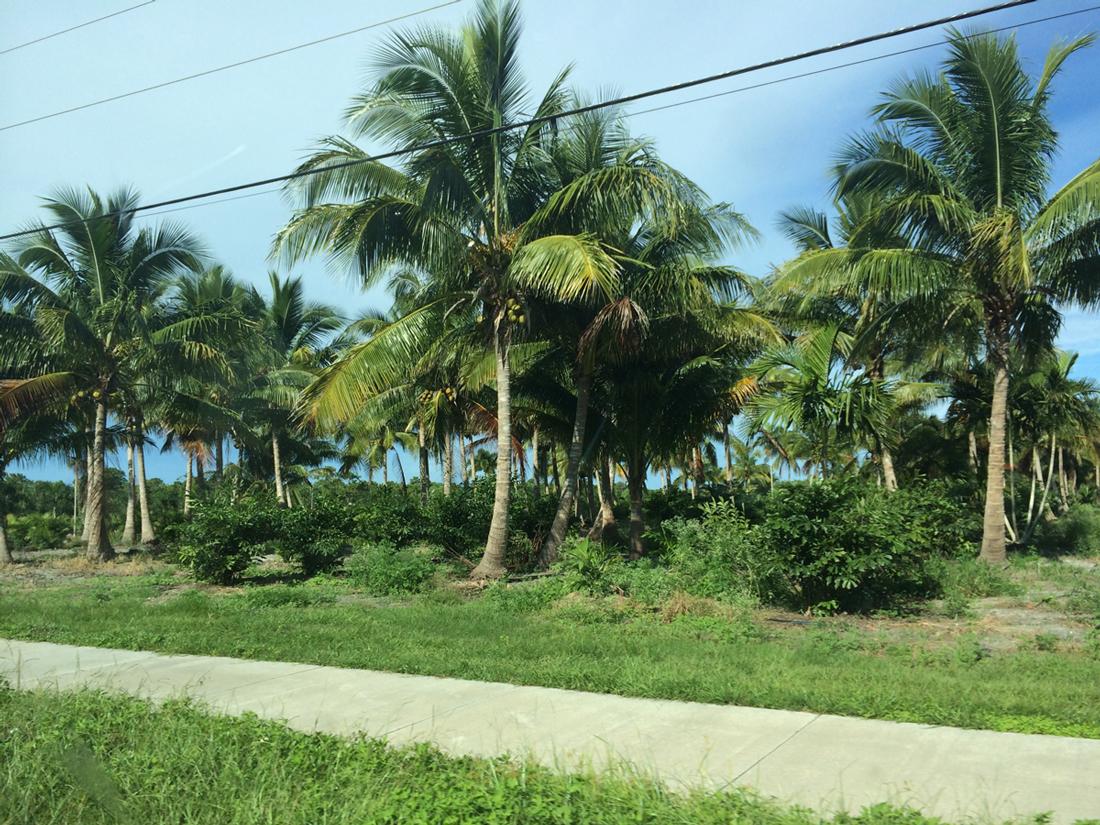
In conclusion, yes, there are indeed coconuts in Florida. They are a defining characteristic of the state’s tropical southern regions, adorning beaches, enhancing landscapes, and contributing to its vibrant culture and economy. From the refreshing taste of fresh coconut water savored on a South Florida beach to the picturesque vistas that draw millions of tourists each year, the coconut palm is more than just a tree; it’s an emblem of the Florida lifestyle. While challenges like pests, diseases, and hurricanes exist, the enduring presence of these palms, especially in the warmer climes of the state, ensures they will continue to be a beloved and iconic feature of the Sunshine State for years to come.
LifeOutOfTheBox is a participant in the Amazon Services LLC Associates Program, an affiliate advertising program designed to provide a means for sites to earn advertising fees by advertising and linking to Amazon.com. Amazon, the Amazon logo, AmazonSupply, and the AmazonSupply logo are trademarks of Amazon.com, Inc. or its affiliates. As an Amazon Associate we earn affiliate commissions from qualifying purchases.