
Planning a journey from the vibrant heart of Detroit to the political and cultural center of Lansing involves more than just calculating mileage. It’s an exploration of Michigan’s evolving landscape, a transition from industrial heritage to governmental dynamism, and an opportunity to discover the diverse experiences that lie between these two significant urban hubs. Understanding the distance, the most efficient routes, and the points of interest along the way can transform a simple drive into a memorable part of your Michigan adventure.
The Direct Route: Distance and Time
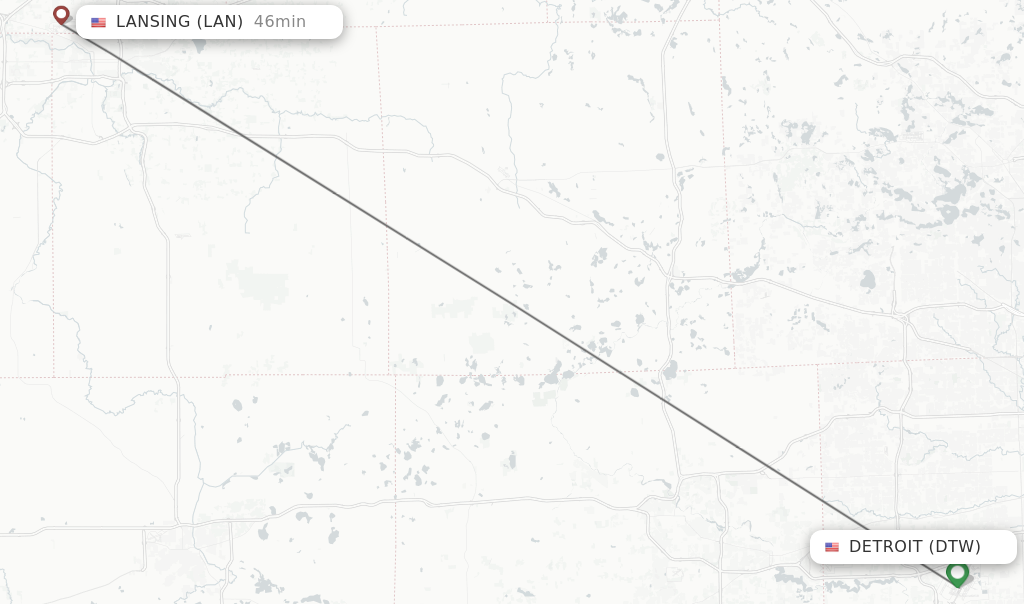
The most straightforward answer to “How far from Detroit to Lansing?” is approximately 90 miles. This distance, when traversed by car, typically translates to a driving time of about 1 hour and 30 minutes to 2 hours. This estimate, however, is contingent on several factors, including traffic conditions, your chosen route, and the speed at which you travel.

Navigating the I-96 Corridor
The primary artery connecting Detroit and Lansing is Interstate 96 (I-96). This major highway offers a direct and generally efficient path, particularly if you are departing from western Detroit suburbs or the downtown core.
- Starting Point in Detroit: If your journey begins in the heart of Detroit, you will likely access I-96 West via M-10 (John C. Lodge Freeway) or I-75 (Walter P. Reuther Freeway). Navigating through Detroit during peak hours can add significant time to your commute, so factoring in potential delays is crucial.
- The I-96 Experience: Once on I-96 West, the drive is largely uneventful in terms of dramatic scenery. It’s a functional highway designed for transit. You’ll pass through various suburban communities and agricultural areas as you move westward. The road is well-maintained and offers multiple rest stops and gas stations.
- Approaching Lansing: As you draw closer to Lansing, you’ll notice the landscape begin to shift, with more signs of urban development. Exiting I-96 West at the appropriate interchanges, such as M-43 (Saginaw Street) or US-127 North, will lead you directly into the city.
Factors Affecting Travel Time
While 90 miles might suggest a consistent travel time, reality often dictates otherwise.
- Traffic Congestion: Detroit is a major metropolitan area, and its freeways can become heavily congested, especially during morning (7-9 AM) and evening (4-6 PM) rush hours. Travel outside of these times is highly recommended for a smoother experience. Weekend traffic, particularly on Friday afternoons and Sunday evenings, can also be heavier as people travel to and from weekend destinations.
- Road Construction: Like any active region, Michigan experiences road construction throughout the year. I-96, in particular, undergoes periodic maintenance and upgrades. Staying informed about current construction projects through traffic apps or local news can help you avoid unexpected detours and delays.
- Weather Conditions: Michigan weather can be unpredictable. Winter driving, with snow and ice, can significantly slow down travel times and even lead to road closures. Summer thunderstorms can also impact visibility and traffic flow. Always check the weather forecast before embarking on your trip.
- Vehicle Type and Speed: The type of vehicle you are driving and your adherence to speed limits will naturally influence your arrival time. While it’s tempting to speed, especially on an open highway, adhering to posted limits ensures safety and can prevent costly citations.
Beyond the Direct Drive: Scenic and Alternative Routes
While I-96 is the most direct path, travelers seeking a more leisurely pace or a different perspective on Michigan’s landscape might consider alternative routes. These options, while often longer in distance and time, can offer glimpses into charming small towns and picturesque countryside.
Exploring the Backroads
For those with ample time and a desire for exploration, venturing off the interstate can be a rewarding experience.
- County Roads and State Highways: Connecting Detroit to Lansing via a network of county roads and state highways (like M-5, M-59, or M-52) can reveal a more pastoral side of Michigan. You’ll drive through rolling farmland, quaint villages, and perhaps stumble upon local diners or antique shops.
- The Advantage of Discovery: These routes allow for spontaneous stops. You might discover a local farmer’s market in a town like Howell or Fowlerville, or find a unique historical marker detailing the region’s past. The slower pace encourages appreciation for the journey itself.
- Planning is Key: Navigating these routes requires more careful planning. While GPS devices and mapping apps are invaluable, having a general sense of direction and being prepared for less frequent services (gas stations, restaurants) is advisable. The distance covered might be slightly more than the direct route, and travel times can easily double or triple depending on the roads chosen and stops made.
A Detour Through Michigan’s Past
If you have a particular interest in history or architecture, you might weave a route that includes stops at notable landmarks.
- Historic Towns: Consider a route that passes through towns like Howell, known for its charming Victorian architecture, or Brighton, with its quaint downtown area. These communities offer a respite from highway travel and a chance to experience small-town Michigan life.
- Agricultural Heartland: The areas west of Detroit and south of I-96 are part of Michigan’s productive agricultural belt. Depending on the season, you might see fields of corn, soybeans, or fruit orchards. These vistas offer a different kind of beauty than the urban sprawl.
- Time Investment: Incorporating such detours will naturally extend your travel time significantly. It transforms the journey from a transit objective into an experiential one, best suited for travelers who want to immerse themselves in the local environment rather than just reach their destination.
Preparing for Your Trip to Lansing
Once you’ve decided on your route and factored in potential delays, a little preparation can ensure a smooth and enjoyable journey to Lansing.
Vehicle Readiness
Ensuring your vehicle is in good condition is paramount, especially for a drive that can range from an hour and a half to several hours.
- Tire Pressure and Tread: Check your tire pressure and the tread depth. Properly inflated tires improve fuel efficiency and handling, while good tread is essential for safety, especially in inclement weather.
- Fluid Levels: Ensure all fluid levels – oil, coolant, windshield washer fluid – are at their appropriate marks. A low fluid level can indicate an underlying issue or lead to problems during your drive.
- Brakes and Lights: Test your brakes and ensure all lights (headlights, taillights, turn signals, brake lights) are functioning correctly. This is a critical safety check.
- Emergency Kit: Consider packing a basic emergency kit, especially if traveling during less favorable weather conditions. This could include jumper cables, a first-aid kit, a flashlight, some non-perishable snacks, and a blanket.
Navigation and Connectivity
Modern technology makes navigating unfamiliar routes easier than ever.
- GPS and Mapping Apps: Utilize GPS devices or smartphone mapping applications like Google Maps or Waze. These tools provide real-time traffic updates, suggest alternative routes, and offer turn-by-turn directions. Download offline maps if you anticipate areas with poor cellular service.
- Charge Your Devices: Ensure your smartphone and any other navigation devices are fully charged before you leave. Bring a car charger to keep them powered throughout the journey.
- Roadside Assistance: If you are a member of an automobile club or have roadside assistance through your insurance, confirm your membership is active and know how to contact them in case of a breakdown.

On the Road Essentials
Beyond vehicle checks and navigation, consider these items for your comfort and convenience.
- Snacks and Drinks: While there are plenty of service areas along I-96, having your own snacks and water can save time and money, especially if you opt for scenic routes.
- Entertainment: Long drives can benefit from podcasts, audiobooks, or music playlists. Ensure your devices are loaded and ready.
- Comfort Items: A comfortable pillow or blanket can make the journey more pleasant, especially if you have passengers.
The drive from Detroit to Lansing is a relatively short and common one, connecting two of Michigan‘s most important cities. By understanding the distances, routes, and potential variables, travelers can optimize their journey, whether they seek the quickest path or an opportunity to explore the diverse landscapes and communities that define the Great Lakes State.
LifeOutOfTheBox is a participant in the Amazon Services LLC Associates Program, an affiliate advertising program designed to provide a means for sites to earn advertising fees by advertising and linking to Amazon.com. Amazon, the Amazon logo, AmazonSupply, and the AmazonSupply logo are trademarks of Amazon.com, Inc. or its affiliates. As an Amazon Associate we earn affiliate commissions from qualifying purchases.