
The question of whether a four-year-old can begin kindergarten in Florida is a common concern for parents planning their child’s educational journey. The Sunshine State has specific age requirements and enrollment policies that determine eligibility. Understanding these regulations is crucial for ensuring a smooth transition into the academic environment and for making informed decisions about your child’s early education. This guide delves into the Florida statutes, school district policies, and practical considerations that govern kindergarten admission for four-year-olds.
Florida’s Age Requirement for Kindergarten
Florida law, specifically Section 1003.21(1)(a), Florida Statutes, outlines the minimum age for admission into kindergarten. Generally, a child must have attained five years of age on or before September 1st of the school year in which they seek admission. This means that for a child to enter kindergarten in the upcoming school year, they must be five years old by that September 1st cutoff date.

The September 1st Cutoff
The September 1st cutoff is a firm date for public school enrollment across Florida. This statewide policy aims to ensure that all children entering kindergarten have reached a similar developmental and academic readiness level. Schools in cities like Miami, Orlando, and Tampa all adhere to this statutory requirement.
Understanding “Young Fives” and Early Entrance Waivers
While the general rule requires a child to be five by September 1st, there are limited exceptions. Florida law also addresses the possibility of early entrance for children who will turn five shortly after the September 1st cutoff.
Early Entrance for Children Turning Five After September 1st
Section 1003.21(1)(b), Florida Statutes, allows for the admission of a child who will turn five years of age after September 1st but on or before February 1st of the same school year. However, for such early admission, the child must be able to demonstrate, through a standardized readiness screening, that they are prepared for kindergarten. This screening is typically conducted by the school district and assesses a child’s cognitive, social, emotional, and physical development. The results must indicate the child is prepared for the rigors of kindergarten.
The “Young Fives” Program
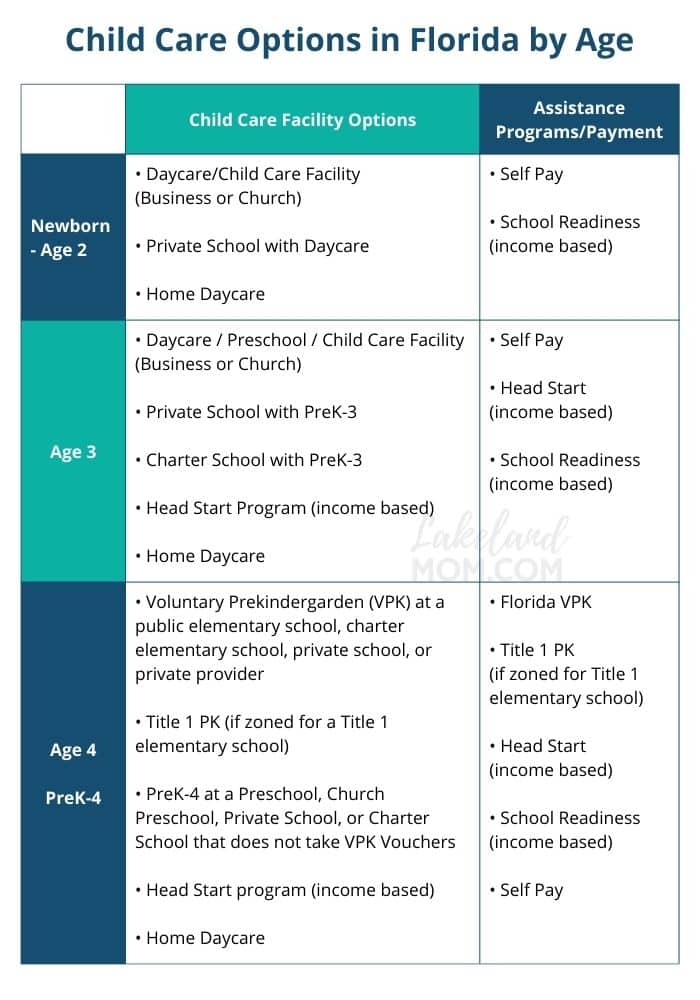
Some Florida school districts have implemented “Young Fives” programs, also known as pre-kindergarten or transitional kindergarten. These programs are designed for children who are four years old and will turn five during the kindergarten year but do not meet the early entrance criteria or whose parents feel they would benefit from an additional year of readiness development. These programs are distinct from traditional kindergarten and often have a curriculum that bridges the gap between preschool and kindergarten, focusing heavily on play-based learning and social-emotional development.
- Purpose of “Young Fives”: To provide a supportive environment for children who are not quite ready for the academic demands of kindergarten but are beyond the typical preschool age.
- Curriculum Focus: Emphasis on literacy, numeracy, fine and gross motor skills, social interaction, and self-regulation.
- Eligibility: Typically for children who turn five after February 1st of the school year or are identified as needing an extra year of readiness building.
- Availability: Not all school districts offer “Young Fives” programs, and their availability can vary. Parents should check with their local school district for information.
Private vs. Public School Policies
It is important to note that while public schools must strictly adhere to Florida Statutes regarding age requirements, private schools may have slightly more flexibility. Private institutions often set their own admission policies, which can sometimes allow for earlier entry based on their own readiness assessments. However, even private schools typically align with general developmental expectations and may require similar assessments to ensure a child’s success. Parents considering private education for their four-year-old should directly contact the admissions office of their chosen schools to inquire about specific policies and procedures.
Assessing Kindergarten Readiness
The decision to enroll a child in kindergarten, whether at the standard age or through an early entrance waiver or “Young Fives” program, hinges on readiness. Readiness is a multifaceted concept encompassing various developmental domains:
Cognitive Readiness
- Basic Skills: Recognizing letters of the alphabet, understanding basic numbers and counting, identifying shapes and colors.
- Problem-Solving: Ability to follow simple instructions, engage in short problem-solving tasks, and demonstrate curiosity.
- Attention Span: Ability to focus on a task for a reasonable period, typically 10-15 minutes for younger children.
Social and Emotional Readiness
- Independence: Ability to manage basic self-care tasks such as using the restroom, washing hands, and opening lunch containers.
- Social Interaction: Willingness to share, take turns, cooperate with peers, and interact positively with adults.
- Emotional Regulation: Ability to manage frustration, express feelings appropriately, and adapt to new environments and routines.
- Following Rules: Understanding and adhering to classroom rules and expectations.
Physical Readiness
- Fine Motor Skills: Ability to hold a pencil or crayon correctly, use scissors, and manipulate small objects.
- Gross Motor Skills: Development of large muscle control for activities like running, jumping, and climbing.
Language and Communication Readiness
- Expressive Language: Ability to speak in clear sentences, express needs and ideas, and engage in simple conversations.
- Receptive Language: Ability to understand spoken language, follow directions, and comprehend stories.
The Enrollment Process in Florida
For parents intending to enroll a child in kindergarten in Florida, whether they meet the standard age requirement or are seeking early entrance, the enrollment process is generally straightforward but requires specific documentation.
Required Documentation
Typically, the following documents are needed for kindergarten enrollment in Florida public schools:
- Proof of Age: A certified copy of the child’s birth certificate or other reliable documentation.
- Immunization Records: A current Florida Certificate of Immunization (DH 680) or a religious exemption form. Children must meet specific immunization requirements to attend school.
- Proof of Residency: Documents such as a utility bill, lease agreement, or property tax statement showing proof of residency within the school district’s attendance zone.
- Health Examination: A record of a health examination performed within the 12 months prior to school entry is recommended, though not always strictly mandatory for initial enrollment depending on the district.
School District Variations
While state law sets the broad framework, individual school districts in Florida may have slightly different procedures or deadlines for enrollment. It is essential for parents to visit the website of their local school district or contact the district’s enrollment office for precise information. This includes understanding the exact dates for registration periods, any district-specific readiness screening processes, and the availability of “Young Fives” programs. For instance, districts in areas like South Florida might have different registration windows than those in the Florida Panhandle.
Preparing Your Child for Kindergarten
Regardless of age, preparing a child for kindergarten is a vital step. This preparation extends beyond meeting age requirements and encompasses nurturing a love for learning and fostering independence.
- Read Aloud Regularly: Exposure to books and stories enhances vocabulary, comprehension, and a love for reading.
- Engage in Play-Based Learning: Activities like building blocks, puzzles, and imaginative play promote problem-solving, creativity, and social skills.
- Practice Early Literacy and Numeracy Skills: Incorporate alphabet recognition, letter sounds, counting, and simple math concepts into daily routines in a fun and engaging way.
- Encourage Social Interaction: Arrange playdates and opportunities for your child to interact with peers.
- Foster Independence: Allow your child to practice self-help skills like dressing, eating, and managing their belongings.
- Visit the School: If possible, attend orientation events or visit the school to familiarize your child with the environment.
In conclusion, while a four-year-old cannot automatically start kindergarten in Florida under the general age requirements, there are avenues for early entrance and transitional programs like “Young Fives.” The key lies in understanding the specific state statutes, the child’s readiness demonstrated through appropriate assessments, and the policies of the local school district. By carefully considering these factors and preparing your child thoroughly, you can make the best decision for their educational start.
LifeOutOfTheBox is a participant in the Amazon Services LLC Associates Program, an affiliate advertising program designed to provide a means for sites to earn advertising fees by advertising and linking to Amazon.com. Amazon, the Amazon logo, AmazonSupply, and the AmazonSupply logo are trademarks of Amazon.com, Inc. or its affiliates. As an Amazon Associate we earn affiliate commissions from qualifying purchases.