
Navigating the complex landscape of voting rights for individuals with past felony convictions can be a daunting task, especially when the conviction occurred in a different state than where one wishes to exercise their franchise. For those considering a move to the Sunshine State or already residing in Florida with a felony conviction from New York, understanding the specific legal nuances is paramount. This article delves into the intricacies of Florida’s voting laws concerning out-of-state felony convictions, with a particular focus on those originating from New York.
Understanding Felony Disenfranchisement in the United States
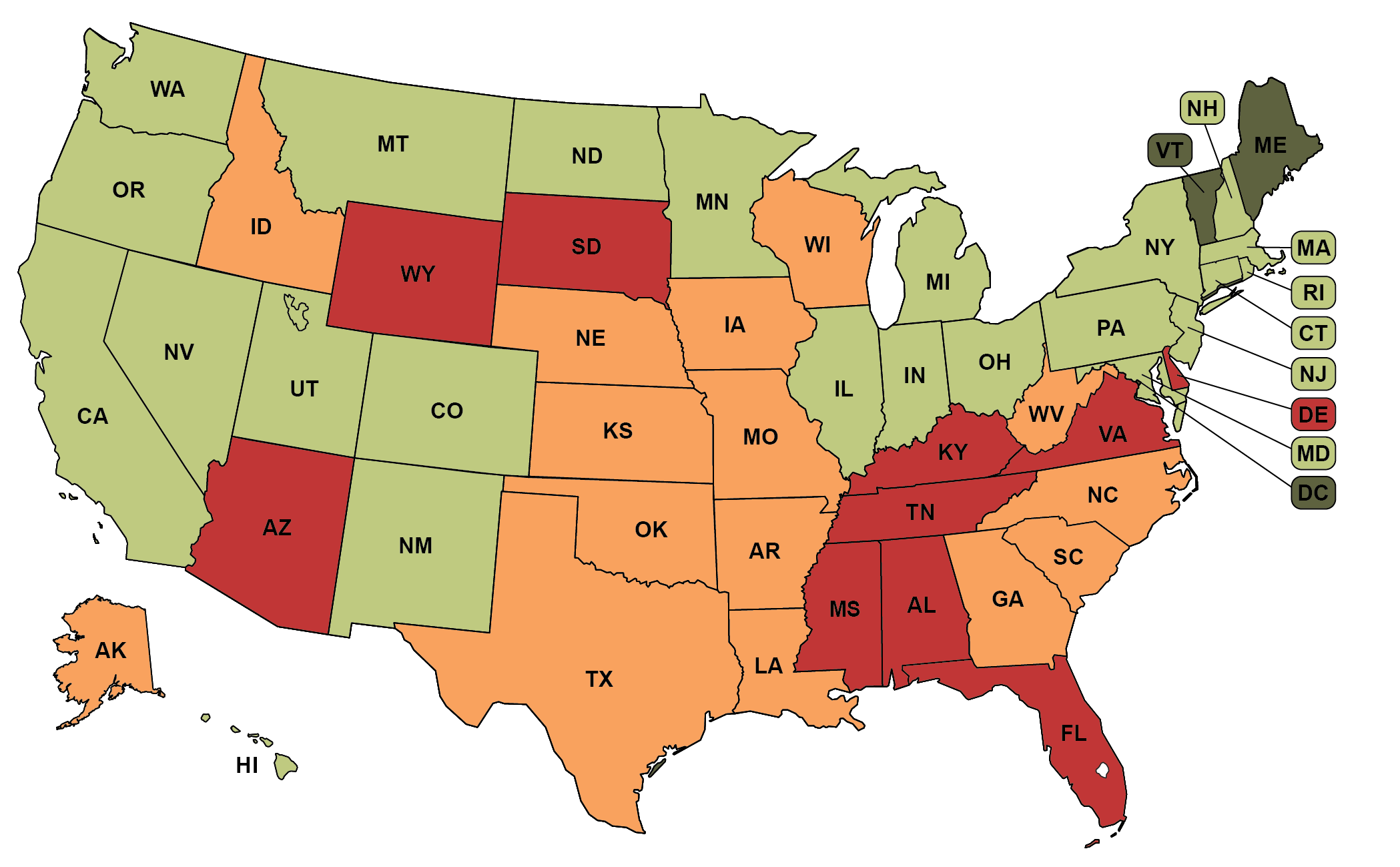
Felony disenfranchisement, the practice of revoking or restricting voting rights for individuals convicted of felonies, is a nationwide phenomenon with a long and often controversial history. While the federal Constitution does not explicitly grant or deny felons the right to vote, each state has established its own laws and regulations governing this matter. These laws vary significantly, leading to a patchwork of rules across the country.

State-Specific Voting Rights
The fundamental principle at play is that voting rights are determined by the state in which an individual resides and seeks to vote. Therefore, a felony conviction in one state does not automatically dictate voting rights in another, but rather, the laws of the residence state apply. This means that even if New York has specific provisions for restoring voting rights after a felony conviction, it is Florida’s laws that will govern an individual’s eligibility to vote within its borders.
The Impact of Federal Law
While states largely control their own election laws, federal legislation has also played a role in shaping felony disenfranchisement. The Voting Rights Act of 1965, for instance, aimed to combat discriminatory voting practices, and subsequent federal court decisions have influenced the interpretation and application of state laws. However, the core authority for determining felony voting rights remains with the individual states.
Florida’s Approach to Felony Voting Rights
Florida has historically had some of the most stringent felony disenfranchisement laws in the nation. However, significant changes have occurred in recent years, particularly following the passage of Amendment 4 in 2018.
Amendment 4: A Paradigm Shift
Prior to Amendment 4, individuals convicted of felonies in Florida were permanently disenfranchised unless they received a specific pardon or restoration of rights from the governor and cabinet. Amendment 4, approved by a significant margin of voters, aimed to restore voting rights to most individuals with felony convictions upon completion of their sentences, including parole and probation.
The Nuances of “Completion of Sentence”
While Amendment 4 was a monumental step, its implementation has been met with legal challenges and evolving interpretations, particularly regarding the requirement of “completion of sentence.” This phrase has been a focal point of contention, with debates arising over whether it includes the payment of fines, fees, and restitution associated with the conviction.
Fines, Fees, and Restitution
A significant legal battle has revolved around whether the completion of a sentence includes the full payment of all financial obligations stemming from a felony conviction. The Florida Supreme Court and federal courts have issued rulings that have, at times, created uncertainty. Generally, the prevailing interpretation has been that individuals must satisfy all parts of their sentence, including financial obligations, to regain their voting rights under Amendment 4. This aspect can be particularly complex for individuals moving from other states.
Out-of-State Convictions and Florida Law
The question at hand—whether felons convicted in New York can vote in Florida—is directly addressed by Florida’s interpretation of Amendment 4 and its interaction with out-of-state convictions.
Determining Eligibility for Out-of-State Convictions
For an individual with a felony conviction from New York to be eligible to vote in Florida, they must meet Florida’s criteria for the restoration of voting rights. This generally means that the individual must have completed all terms of their sentence as defined by Florida law.
The critical factor is how Florida treats out-of-state convictions in relation to its own restoration of rights process. Historically, Florida has treated felony convictions from other states as equivalent to felonies under Florida law for the purpose of disenfranchisement, unless specific exceptions apply.
The Role of New York Law in Florida Voting
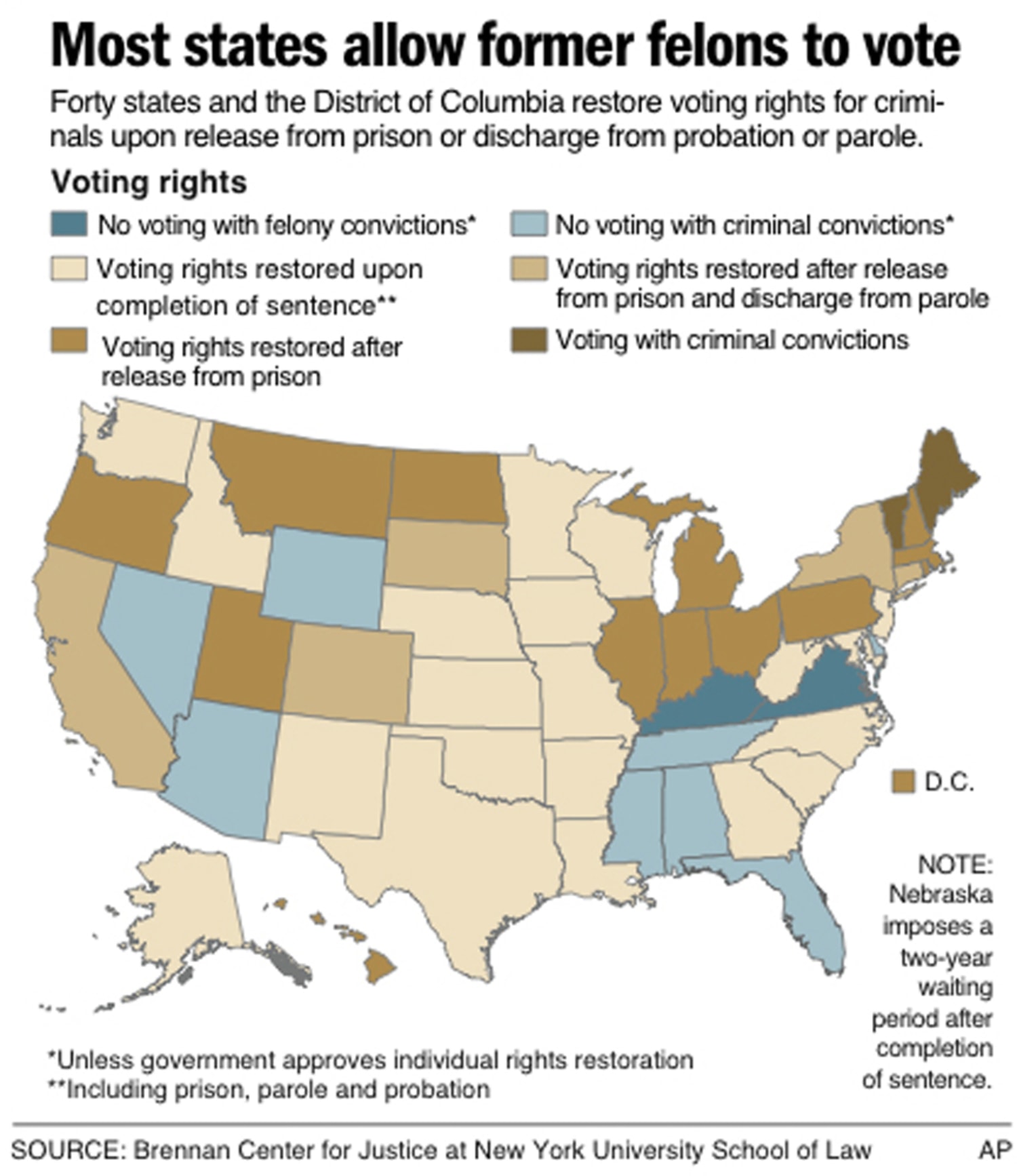
New York has its own set of laws regarding the restoration of voting rights for individuals with felony convictions. For example, in New York, individuals generally regain their right to vote automatically upon release from prison, even while on parole. This is a stark contrast to Florida’s historical stance.
However, the fact that an individual’s rights may have been restored or are automatically restored under New York law does not automatically grant them the right to vote in Florida. As previously stated, Florida applies its own standards. Therefore, a New York resident convicted of a felony in that state who then moves to Florida must satisfy Florida’s requirements for restoration of voting rights, which may include completing their sentence, potentially including financial obligations, under Florida’s interpretation.
The Process of Restoring Voting Rights in Florida
For individuals with out-of-state felony convictions, the path to regaining voting rights in Florida can be complex. It generally involves demonstrating that all conditions of the sentence have been met according to Florida’s legal framework.
Initial Assessment of Sentence Completion
The first step for anyone seeking to vote in Florida with a prior felony conviction, whether from Florida or another state like New York, is to determine if they have indeed completed their sentence. This involves understanding the specific terms of the conviction, including any periods of incarceration, parole, probation, and, crucially, any financial obligations such as fines, court costs, and restitution.
Documentation and Verification
Obtaining official documentation from the state where the conviction occurred is essential. This might include court records, probation or parole completion certificates, and statements from the relevant correctional or judicial authorities confirming the discharge of all sentence requirements. For a conviction in New York, this would involve seeking records from New York state agencies.
Navigating the “Clean Slate” Law and its Implications
The passage of the “Clean Slate” law in Florida has provided a mechanism for automatic restoration of voting rights for many individuals with felony convictions who have completed their sentences. However, the application of this law to out-of-state convictions requires careful consideration and may necessitate proactive steps.
Application and Verification of Out-of-State Convictions
Individuals with felony convictions from New York may need to formally apply for verification of their voting rights in Florida. This often involves submitting documentation to the Florida Division of Elections or the relevant county supervisor of elections. The state will then review the out-of-state conviction and its completion status against Florida’s legal standards.
Seeking Legal Counsel
Given the intricacies of state laws and the potential for differing interpretations, seeking legal counsel from an attorney specializing in voting rights or election law in Florida is highly recommended. An attorney can help assess individual circumstances, navigate the application process, and advocate for the restoration of voting rights. They can also provide clarity on whether the specific felony conviction from New York would be considered disqualifying under Florida law, even after sentence completion.
Key Considerations for New York Felons in Florida
For individuals with a felony conviction in New York now residing in Florida, several key considerations are crucial for understanding their voting eligibility.
The “Felony” Definition in Florida
Florida law defines a felony as a crime punishable by imprisonment for one year or more. When considering an out-of-state conviction, Florida authorities will typically assess whether the New York offense would be classified as a felony under Florida’s statutes. Some offenses, while felonies in one state, might be classified differently in another. However, for most serious offenses, this equivalence is straightforward.
The Impact of Civil Rights Restoration in New York
It is important to reiterate that while New York may have its own mechanisms for restoring civil rights, including voting rights, after a felony conviction, these restorations do not automatically transfer to Florida. The right to vote in Florida is governed by Florida’s constitution and statutes. Therefore, even if an individual’s voting rights were automatically restored upon release from prison in New York, they must still meet Florida’s requirements to vote in the Sunshine State.
Proactive Steps and Registration
If an individual with a New York felony conviction believes they have met Florida’s criteria for restoring voting rights, the next step is to register to vote. The county supervisor of elections in their Florida county will be the primary point of contact. They can provide specific guidance on the documentation required and the process for confirming eligibility. It is always advisable to undertake this process well in advance of any election to ensure all requirements are met.
In conclusion, while the question of whether felons convicted in New York can vote in Florida hinges on Florida’s laws, the landscape has evolved significantly. Understanding the nuances of Amendment 4, the meaning of “completion of sentence,” and the specific requirements for out-of-state convictions is crucial for any individual seeking to exercise their right to vote in Florida.
LifeOutOfTheBox is a participant in the Amazon Services LLC Associates Program, an affiliate advertising program designed to provide a means for sites to earn advertising fees by advertising and linking to Amazon.com. Amazon, the Amazon logo, AmazonSupply, and the AmazonSupply logo are trademarks of Amazon.com, Inc. or its affiliates. As an Amazon Associate we earn affiliate commissions from qualifying purchases.