
The question of who manages the New York Mets is more than just a query about a baseball team’s leadership; it delves into the strategic minds, the tactical approaches, and the overarching vision that guides one of baseball’s most storied franchises. The manager of a Major League Baseball team, particularly one in a market as demanding as New York City, shoulders immense responsibility, balancing player development, in-game strategy, and the often-unseen pressures of public expectation. Understanding the current manager, their background, and their philosophy offers a crucial lens through which to view the team’s performance and its trajectory.
The Role of a Manager in Modern Baseball
The modern baseball manager’s role has evolved significantly from the days of simply writing out a lineup and barking orders from the dugout. Today’s managers are integral parts of a larger coaching and analytical staff, working closely with general managers and front office executives. They are responsible for implementing the team’s overarching strategy, which is often heavily influenced by advanced analytics and player performance data. This necessitates a deep understanding of baseball strategy, player psychology, and the ability to communicate effectively with a diverse group of individuals.
Strategic Decision-Making
At the core of a manager’s duties lies strategic decision-making. This encompasses everything from setting the everyday lineup and defensive alignments to making critical in-game adjustments. Pitching changes, pinch-hitting decisions, and defensive substitutions are all part of the manager’s tactical toolkit. In an era where games are dissected by countless cameras and data points, managers must be adept at interpreting information quickly and making choices that can sway the momentum of a game. The ability to anticipate opposing strategies and counter them effectively is a hallmark of successful management.
Player Development and Motivation
Beyond the strategic chess match of the game itself, managers play a vital role in player development and motivation. They are tasked with nurturing the talents of both veteran stars and up-and-coming prospects. This involves fostering a positive clubhouse environment, providing constructive feedback, and helping players overcome slumps or navigate challenges. A manager’s ability to connect with players on a personal level, understanding their individual needs and motivations, can significantly impact their performance and longevity in the league. Building camaraderie and a shared sense of purpose within the team is paramount to achieving collective success.
Communicating with the Front Office and Media
The manager acts as a key liaison between the players, the coaching staff, and the team’s front office. They must effectively convey the team’s needs, player status, and strategic direction to the general manager and ownership. Simultaneously, they are the public face of the team, regularly interacting with the media. This requires a delicate balance of transparency, diplomacy, and the ability to shield players from undue scrutiny while still providing insightful commentary. Navigating the often-intense scrutiny of the New York media landscape is a skill in itself.
The Current Managerial Landscape of the New York Mets
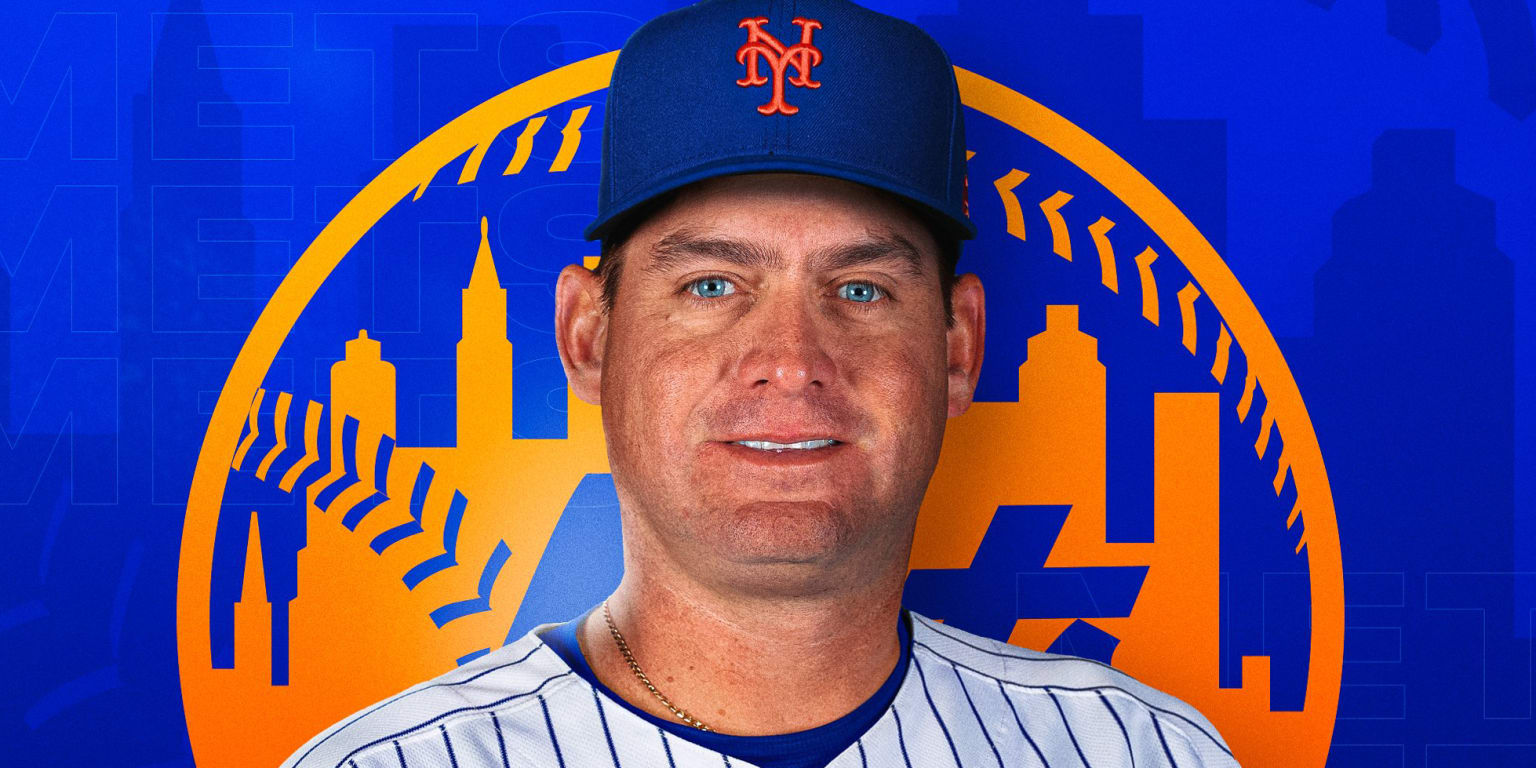
As of the 2024 MLB season, the helm of the New York Mets is steered by Carlos Mendoza. His appointment marked a significant shift, bringing a fresh perspective and a new set of experiences to a franchise eager to recapture its winning tradition. Mendoza’s journey to this prominent role is a testament to his dedication and deep understanding of the game.
Carlos Mendoza’s Background and Experience
Carlos Mendoza’s path to managing the Mets is rooted in extensive experience as a player and, more recently, as a highly respected coach. Before taking the managerial reins, he served as the bench coach for the New York Yankees under Aaron Boone. In this role, he was deeply involved in game strategy, player preparation, and daily dugout operations. His time with the Yankees provided him with invaluable experience in a high-pressure environment, working with elite talent and navigating the complexities of a perennial contender.
Prior to his coaching tenure, Mendoza enjoyed a seven-year playing career in Major League Baseball, primarily as a utility infielder. He played for teams like the Colorado Rockies, Kansas City Royals, and San Francisco Giants. This firsthand experience at the highest level of the sport provides him with a unique perspective on the challenges and triumphs faced by players. His ability to relate to the players’ journey, from the rigors of spring training to the intensity of playoff pushes, is a significant asset.

Mendoza’s Managerial Philosophy and Approach
Carlos Mendoza has articulated a managerial philosophy that emphasizes communication, accountability, and a relentless pursuit of fundamentals. He is known for his calm demeanor, his ability to connect with players, and his commitment to creating a cohesive team culture. His approach is expected to blend modern analytical insights with old-school baseball grit, a balance that many believe is essential for success in today’s game.
Emphasis on Communication and Connection
A cornerstone of Mendoza’s philosophy is open and honest communication. He believes in building strong relationships with his players, fostering an environment where they feel heard and understood. This includes clear expectations, constructive feedback, and a willingness to listen to player concerns. By prioritizing connection, he aims to cultivate trust and mutual respect, which are vital for team cohesion and performance.
Accountability and Fundamentals
Mendoza also stresses the importance of accountability. He expects players to come prepared, execute fundamentals, and give their best effort every day. This doesn’t mean a rigid, old-fashioned approach, but rather a commitment to the core principles of baseball that have stood the test of time. He understands that success is built on a foundation of consistent execution and a willingness to learn from mistakes.
Embracing Analytics While Valuing Instinct
While acknowledging the indispensable role of analytics in modern baseball, Mendoza also values the instincts and experience of his players and coaching staff. His approach is likely to be one that integrates data-driven insights with practical on-field judgment. This means using advanced metrics to inform decisions, but not at the expense of understanding the nuances of the game, player strengths, and situational awareness.
The Challenges and Opportunities Facing Mendoza and the Mets
Taking over as manager of the New York Mets presents a unique set of challenges and opportunities. The team operates in one of baseball’s most passionate and demanding markets, where expectations are always high. Mendoza’s success will be measured not only by wins and losses but also by his ability to navigate these pressures and foster a winning culture.
Navigating the [New York] Media and Fanbase
The intensity of the New York sports media can be relentless. Managers are constantly under scrutiny, and their decisions are dissected daily. Mendoza will need to develop a strong rapport with the media, offering thoughtful insights while also protecting his players. Similarly, the passionate Mets fanbase is eager for a return to championship contention. Building trust and demonstrating progress will be key to galvanizing support and managing fan expectations.
Player Development and Roster Construction
A significant challenge for any Mets manager is maximizing the performance of the current roster while also contributing to the development of the team’s promising young talent. Mendoza will work closely with the front office to identify areas of strength and weakness, and to implement strategies that enhance player performance. This includes helping key players like Pete Alonso and Francisco Lindor reach their full potential, while also integrating new talent effectively. The ability to develop a strong farm system and call up promising prospects at the right time will be crucial for long-term success.

Implementing a Winning Culture
Ultimately, the manager’s success is defined by their ability to instill a winning culture. This involves fostering accountability, promoting teamwork, and creating an environment where players are motivated to exceed expectations. Mendoza’s leadership style, his strategic acumen, and his ability to connect with the team will all be critical factors in shaping the future of the New York Mets and their quest for a championship. The coming seasons will be a significant test, offering the opportunity to write a new chapter in Mets history under his guidance.
LifeOutOfTheBox is a participant in the Amazon Services LLC Associates Program, an affiliate advertising program designed to provide a means for sites to earn advertising fees by advertising and linking to Amazon.com. Amazon, the Amazon logo, AmazonSupply, and the AmazonSupply logo are trademarks of Amazon.com, Inc. or its affiliates. As an Amazon Associate we earn affiliate commissions from qualifying purchases.