
While the image of sandy beaches, sun-drenched theme parks, and lush palm trees often defines the Sunshine State, the question of seismic activity in Florida might seem, at first glance, like a hypothetical curiosity rather than a pressing concern. For many, the state is synonymous with hurricanes and tropical storms, meteorological phenomena that shape the coastal landscape and influence vacation planning. However, understanding the geological underpinnings of any region is crucial for comprehensive travel insights, especially when considering the safety and stability of the destinations we plan to visit. This exploration delves into the geological reality of Florida, examining its earthquake potential and what it means for visitors and residents alike.
The Geological Landscape of Seismic Activity
Earthquakes are a product of the Earth’s dynamic tectonic plates constantly shifting and interacting. The planet’s crust is divided into several large and numerous smaller tectonic plates that float on the semi-fluid mantle beneath. When these plates grind past each other, collide, or pull apart, immense stress builds up. This stress is eventually released in the form of seismic waves, causing the ground to shake – an earthquake.
Major earthquake zones are typically found along the boundaries of these tectonic plates, such as the infamous Pacific Ring of Fire where the Pacific Plate interacts with numerous other plates, leading to frequent and often powerful seismic events. Similarly, the Alpine-Himalayan Belt, stretching across much of southern Europe and Asia, is another area of intense tectonic activity.
Florida, however, is situated far from these major plate boundaries. It sits in the interior of the North American Plate, a region generally considered to be tectonically stable. This internal location means that the state is not directly subjected to the immense forces generated by plate collisions or separations.
Understanding Plate Tectonics
The theory of plate tectonics revolutionized our understanding of geology, explaining phenomena like mountain formation, volcanic eruptions, and, of course, earthquakes. It posits that the Earth’s lithosphere (the rigid outer shell) is broken into several tectonic plates that move relative to each other.
- Convergent Boundaries: Where plates collide, leading to subduction (one plate sliding beneath another) or mountain building.
- Divergent Boundaries: Where plates pull apart, creating new crust, such as at mid-ocean ridges.
- Transform Boundaries: Where plates slide past each other horizontally, generating friction and seismic activity, like the San Andreas Fault in California.
Florida’s geological position within the North American Plate means it experiences none of these direct boundary interactions. This fundamental difference in tectonic setting is the primary reason why Florida is not prone to large, damaging earthquakes originating within its own crust.
The Nuance of Seismic Activity in Florida
While Florida is not on a major fault line, the absence of significant seismic risk is not absolute. The Earth is a complex system, and seismic events can occur even in areas not directly on plate boundaries. These are often referred to as intraplate earthquakes.
Intraplate Earthquakes Explained
Intraplate earthquakes are seismic events that occur away from the boundaries of tectonic plates. They are less frequent and generally less powerful than interplate earthquakes but can still cause localized damage. The mechanisms behind intraplate earthquakes are complex and can include:
- Stress Accumulation: Stresses from distant plate boundaries can propagate through the plate’s interior over long periods, eventually reaching a breaking point along existing, often ancient, fault lines within the plate.
- Magmatic Activity: While Florida is not known for active volcanism, underground magma movement can, in rare cases, cause minor seismic tremors.
- Isostatic Rebound: The slow uplift of landmasses after the removal of heavy ice sheets (which occurred long ago) can redistribute stress within the crust.
- Human-Induced Seismicity: Activities like deep-well injection for waste disposal, hydraulic fracturing (fracking), and the collapse of underground mines or caverns can trigger seismic events.
In the context of Florida, the primary cause of felt earthquakes has historically been related to stresses transmitted through the crust, potentially reactivating ancient fault systems, and in some instances, human activities.

Documented Seismic Events in Florida
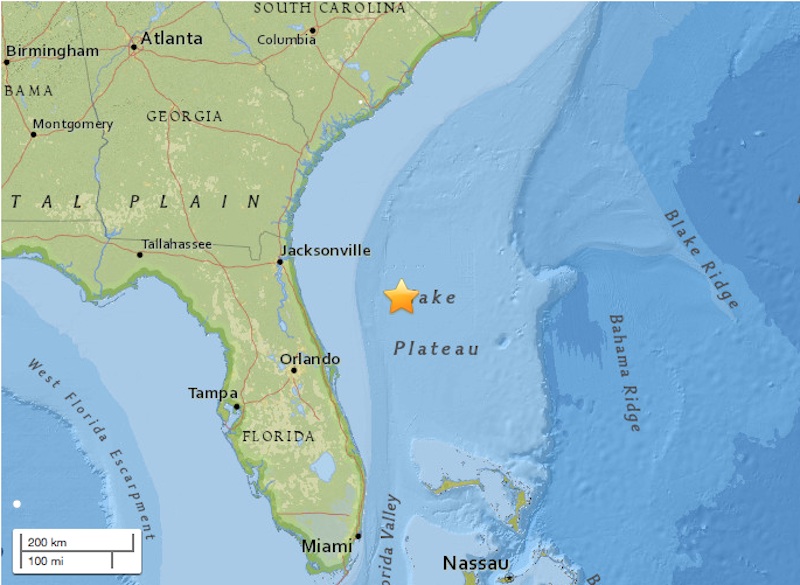
While large-scale seismic events are rare, Florida has experienced earthquakes, though they are typically minor. These events often originate offshore, in the Gulf of Mexico or the Atlantic Ocean, but can sometimes be felt on land.
Notable Earthquakes and Their Impact
- January 18, 1975: A magnitude 4.1 earthquake occurred off the coast of Miami, Florida, and was felt by residents in the Miami metropolitan area. It caused minor damage and was the strongest earthquake to be felt in southern Florida in decades.
- December 29, 2006: A magnitude 4.0 earthquake was reported approximately 100 miles west of Sanibel Island, Florida, in the Gulf of Mexico. It was felt in parts of southwestern Florida, including Fort Myers, but caused no significant damage.
- March 25, 2012: A magnitude 4.0 earthquake occurred in the Atlantic Ocean, about 100 miles east of Miami. It was felt in parts of southeastern Florida, though damage was negligible.
These events, and others of similar magnitude, highlight that while significant seismic threats are low, a perception of absolute immunity from earthquakes is inaccurate. The earthquakes felt in Florida are generally offshore, originating from faults within the oceanic crust or transmitted stresses.
Human-Induced Seismicity in Florida
Beyond natural geological processes, human activities have also been linked to seismic events in Florida. For instance, the disposal of wastewater from the energy industry into deep underground wells has, in some regions of the United States, been correlated with increased seismic activity. While Florida has extensive underground caverns and karst topography, which can lead to sinkholes and land subsidence, direct links between these geological features and significant earthquakes are less established than the potential for triggered seismicity from industrial activities. Researchers continue to monitor these potential influences on the state’s seismic profile.
Implications for Travel and Tourism
For the millions who visit Florida annually for its world-renowned attractions, beaches, and theme parks, the low risk of major earthquakes is reassuring. The state’s infrastructure, including hotels, resorts, and transportation networks, is built with hurricane resilience in mind, which often translates to robust construction standards that can also withstand minor seismic shaking.
What Travelers Should Know
While the likelihood of experiencing a damaging earthquake during a vacation in Florida is extremely low, it’s always prudent for travelers to be aware of their surroundings and any potential risks associated with their destination.
- Building Codes: Florida has stringent building codes, particularly in coastal areas, designed to withstand high winds and storm surges. These codes generally ensure a high level of structural integrity.
- Emergency Preparedness: Like many tourist destinations, Florida has established emergency management agencies and protocols. Familiarizing oneself with hotel safety procedures or local emergency advisories, especially during hurricane season, is always a good practice.
- Focus on Other Risks: When planning a trip to Florida, travelers are far more likely to encounter risks associated with weather events, such as hurricanes, or even common travel concerns like traffic accidents or minor incidents.

Preparing for the Unlikely
In the extremely rare event of feeling an earthquake while in Florida, the recommended safety procedures are consistent with those for any seismic event:
- Drop, Cover, and Hold On: If indoors, drop to your hands and knees, cover your head and neck, and hold onto a sturdy piece of furniture.
- Stay Away from Windows: Move away from windows, glass, and anything that could fall.
- If Outdoors: Move to an open area away from buildings, power lines, and trees.
However, it is essential to reiterate that the probability of needing to enact these measures due to a Florida-based earthquake is exceptionally low. The state’s primary seismic concern, if any, is related to felt tremors from distant offshore events, not significant ground-shaking originating within the peninsula.
In conclusion, while the geological definition of an earthquake is the shaking of the ground caused by seismic waves, and Florida is not immune to these waves entirely, the state’s location on the stable interior of the North American Plate means it is not subject to the tectonic forces that cause major seismic events. Visitors can largely enjoy their travels with peace of mind, focusing on the predictable delights of its beaches, attractions, and vibrant culture, while remaining aware of more prevalent natural phenomena like tropical weather.
LifeOutOfTheBox is a participant in the Amazon Services LLC Associates Program, an affiliate advertising program designed to provide a means for sites to earn advertising fees by advertising and linking to Amazon.com. Amazon, the Amazon logo, AmazonSupply, and the AmazonSupply logo are trademarks of Amazon.com, Inc. or its affiliates. As an Amazon Associate we earn affiliate commissions from qualifying purchases.