
The Shifting Sands of Pardon Power in the Sunshine State
The question of whether Hunter can be pardoned now in Florida delves into the complex and often politically charged landscape of clemency and executive power within the state. While the focus often falls on federal pardons, the intricate web of state-level legal processes, especially concerning potential pardons for individuals with ties to prominent political figures, necessitates a closer examination of Florida’s unique approach. This exploration is not merely an academic exercise; it touches upon issues of justice, rehabilitation, and the public perception of clemency. Understanding the mechanisms, historical precedents, and the current political climate in Florida is crucial to assessing the feasibility of any potential pardon for Hunter or individuals in similar situations.
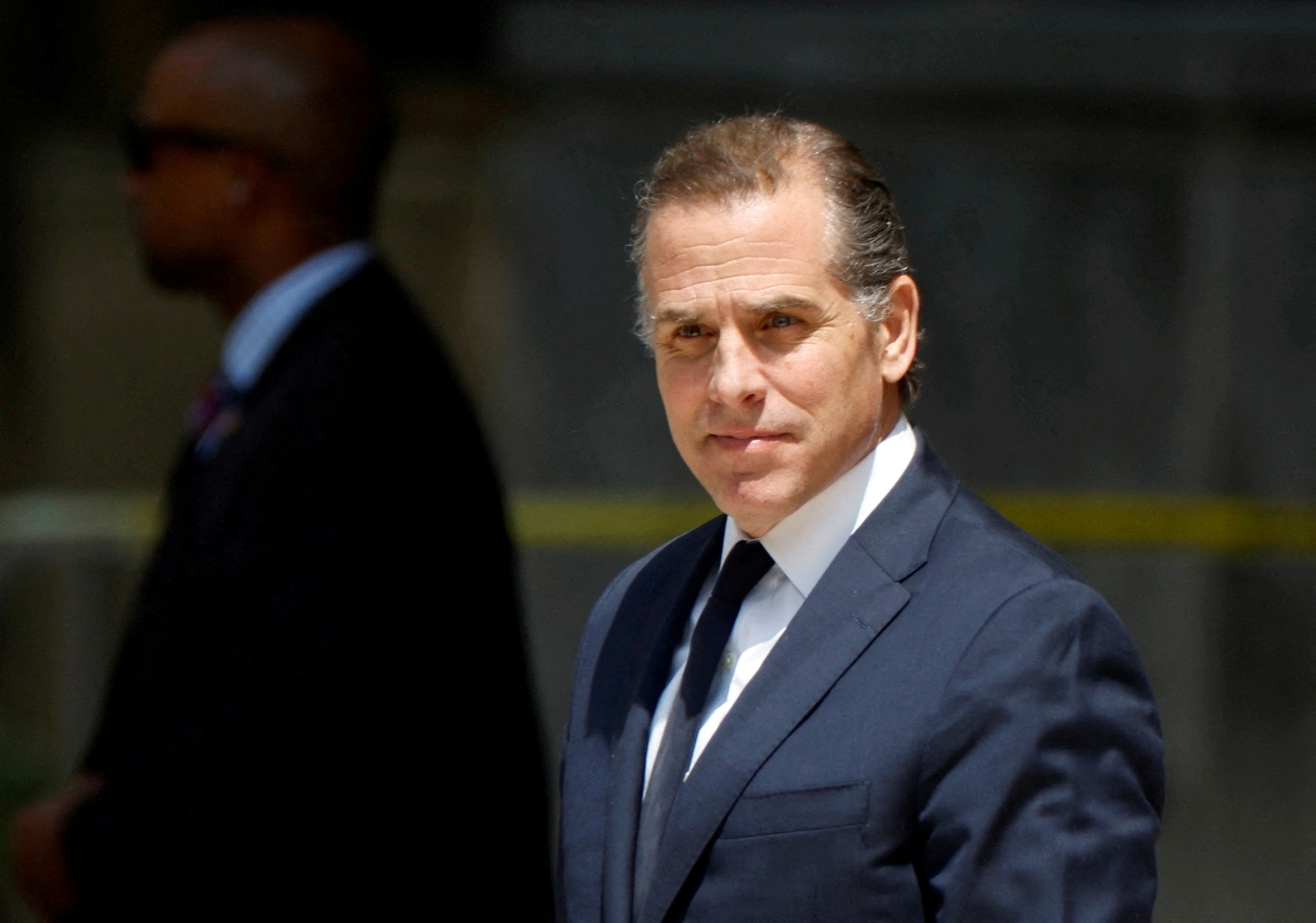
The power to pardon in Florida is primarily vested in the executive branch, specifically the Governor. However, the process is not unilateral and is often guided by specific constitutional provisions and statutory regulations. Unlike some states where clemency boards operate with broad autonomy, Florida’s system has historically involved a more structured approach, requiring recommendation or review by certain bodies before the Governor makes a final decision. The evolution of these processes reflects a desire to balance the executive’s prerogative with principles of fairness and due process. Examining the historical trajectory of pardons in Florida can provide valuable context. Early approaches might have been more discretionary, while later reforms have aimed to introduce greater transparency and structure. This evolution is key to understanding whether the current legal and political framework would be conducive to a pardon.
The Governor’s Role and Clemency Board Dynamics
The Governor of Florida holds the ultimate authority in granting pardons, reprieves, and commutations. This power, often described as a “royal prerogative,” allows the executive to act as a check on the judicial system and to offer a path to redemption for those who have demonstrated rehabilitation. However, the exercise of this power is not arbitrary. It is typically subject to certain guidelines and can be influenced by the recommendations of advisory bodies.
Historically, Florida’s clemency process has involved a Clemency Board. The composition and powers of this board have varied over time. In certain periods, the Governor served as the chair of the Clemency Board, alongside other elected officials such as the Attorney General and Chief Financial Officer. This collective decision-making process aimed to ensure a degree of consensus and to prevent a single individual from wielding unchecked power. However, the specific procedures for applying for a pardon, the types of offenses that are eligible, and the criteria for evaluation have undergone several revisions. Understanding these shifts is essential for determining the current landscape for potential pardons.
For an individual like Hunter to be considered for a pardon, a formal application process would likely need to be initiated. This would involve submitting detailed documentation pertaining to the offense, the sentence served, and evidence of rehabilitation. The application would then be reviewed by the relevant clemency authorities. The recommendations of these bodies, whether a formal Clemency Board or a designated clemency office, would then be presented to the Governor for a final decision. The political climate, public opinion, and the perceived merits of the case can all play a significant role in the Governor’s determination.
Eligibility Criteria and Rehabilitation Pathways
The path to a pardon in Florida, regardless of the applicant’s profile, is paved with stringent eligibility criteria. These criteria are designed to ensure that pardons are not granted lightly and are reserved for individuals who have genuinely demonstrated a commitment to rehabilitation and have made amends for their past transgressions. For Hunter, or anyone seeking a pardon, understanding these requirements is paramount.
The first hurdle typically involves the nature of the offense. Certain crimes may be considered less eligible for pardon than others, particularly those involving violent acts or egregious harm to victims. The severity of the offense, the length of the sentence imposed, and the time elapsed since the completion of the sentence are all critical factors. Generally, applicants are expected to have served their full sentence, including any periods of probation or parole, and to have maintained a clean record since their release.
Demonstrating rehabilitation is perhaps the most crucial element of a pardon application. This involves providing tangible evidence that the applicant has become a law-abiding and contributing member of society. Such evidence can include:
- Employment History: Consistent and gainful employment since release.
- Community Involvement: Active participation in civic or volunteer organizations.
- Educational Attainment: Pursuing further education or vocational training.
- Personal Conduct: Letters of recommendation from employers, community leaders, religious figures, or former probation officers attesting to good character and behavior.
- Restitution: Evidence of having paid any outstanding fines or restitution to victims.
For an individual with a high-profile background, such as a figure potentially linked to a political family, the burden of proof for rehabilitation might be even greater, given the heightened public scrutiny. The perception of rehabilitation needs to be robust and demonstrably evident to overcome any preconceived notions or biases.
The Political Landscape and Public Perception
The political climate in Florida can significantly influence the accessibility and outcome of pardon applications. The Governor’s administration, as well as the broader political party in power, often shape the priorities and philosophical approach to clemency. A more “tough on crime” stance might lead to a more restrictive application of pardon powers, while an administration emphasizing rehabilitation and second chances might be more open to considering clemency requests.
The public perception of a pardon, especially for individuals with a known public profile, is also a critical factor. Pardons are often seen as acts of mercy, but they can also be viewed through a lens of fairness and justice. If a pardon is perceived as being granted due to political influence rather than genuine merit and rehabilitation, it can lead to public outcry and erode confidence in the clemency process. This is particularly relevant when considering a pardon for someone whose name, like Hunter, might be associated with a prominent political family.
The media’s role in shaping public opinion cannot be overstated. High-profile pardon cases are often subject to intense media scrutiny, which can amplify public sentiment, for better or worse. For Hunter, or any individual in a similar position, managing public perception alongside the legal and procedural aspects of a pardon application would be a complex undertaking. Transparency in the process, where permissible, and clear communication about the criteria and decision-making factors can help to mitigate potential controversies and foster a greater understanding of the clemency system. The governor’s office would need to navigate these delicate political and public relations challenges carefully.
Navigating the Legal Avenues: A Hypothetical Scenario
While specific details of any hypothetical pardon request for Hunter are unknown, understanding the general legal avenues available in Florida provides a framework for how such a process might unfold. The journey from identifying a potential pardon eligibility to the final decision is a meticulous one, requiring not only legal expertise but also a deep understanding of Florida’s clemency laws and procedures.
The initial step for anyone considering a pardon is to thoroughly research Florida’s current clemency laws and regulations. These are typically found in the Florida Statutes and may be supplemented by rules and procedures established by the Governor’s office or its designated clemency authority. Consulting with an attorney specializing in criminal law and clemency matters in Florida is highly advisable. Such an attorney can assess the applicant’s eligibility, guide them through the application process, and help prepare the necessary documentation.
The application itself is a comprehensive document. It typically requires detailed information about the applicant, the offense(s) for which clemency is sought, the sentence(s) imposed and served, and substantial evidence of rehabilitation. Gathering supporting documents, such as letters of recommendation, employment records, educational transcripts, and proof of community involvement, is crucial. The more compelling and well-documented the evidence of rehabilitation, the stronger the application will be.
Once submitted, the application enters the review phase. This may involve a review by a clemency director or staff within the Governor’s office. Depending on the complexity and nature of the case, it might be referred to a formal clemency board or committee for a hearing and recommendation. This stage often involves an investigation into the applicant’s background and a review of their post-conviction conduct.
Finally, the recommendations are presented to the Governor, who has the sole discretion to grant or deny the pardon. This decision can be influenced by a myriad of factors, including the recommendations of the clemency board, the applicant’s presented case, the potential impact on victims, and broader political and public considerations. The decision, whether favorable or unfavorable, is typically communicated to the applicant through official channels. For Hunter, as for any applicant, navigating these legal and procedural waters demands patience, thorough preparation, and a clear demonstration of rehabilitation.
LifeOutOfTheBox is a participant in the Amazon Services LLC Associates Program, an affiliate advertising program designed to provide a means for sites to earn advertising fees by advertising and linking to Amazon.com. Amazon, the Amazon logo, AmazonSupply, and the AmazonSupply logo are trademarks of Amazon.com, Inc. or its affiliates. As an Amazon Associate we earn affiliate commissions from qualifying purchases.