
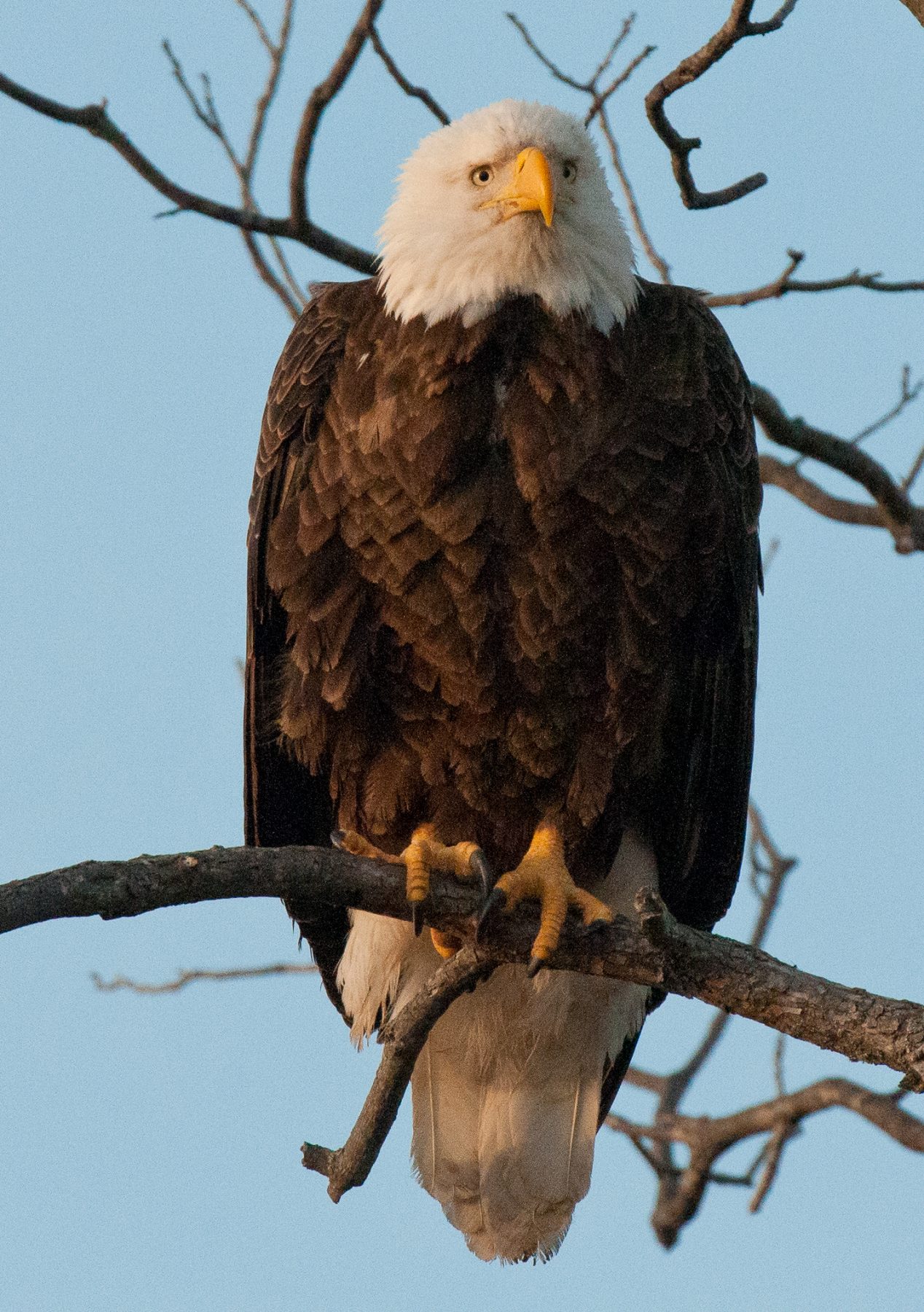
The majestic Bald Eagle, a symbol of freedom and power, is a familiar sight across North America. Many associate these magnificent raptors with vast wildernesses, northern forests, and coastal regions. However, a closer look at the diverse ecosystems of Texas reveals that this iconic bird is, indeed, a resident of the Lone Star State, though perhaps not as ubiquitously as some might imagine. Understanding their presence requires delving into the specific habitats and ecological conditions that attract and sustain these impressive predators within Texas’s varied landscapes.
Habitat and Distribution in Texas
While not found in every corner of Texas, Bald Eagles are most commonly observed in areas offering abundant food sources and suitable nesting sites. Their distribution is intrinsically linked to the presence of water bodies, as fish form the primary component of their diet. Consequently, the major river systems, reservoirs, and coastal areas of Texas are prime locations for spotting these birds.

Aquatic Ecosystems and Their Importance
The extensive network of lakes, reservoirs, and rivers across Texas provides a crucial food base for Bald Eagles. Large bodies of water like Lake Texoma, Lake Livingston, and the San Antonio River are known to support healthy populations of fish, which are the eagles’ preferred prey. These aquatic environments also offer ample opportunities for hunting, with the eagles employing their keen eyesight to spot fish near the surface.
Coastal Regions and Estuaries
The Texas coastline, stretching along the Gulf of Mexico, is another significant area for Bald Eagle populations. Estuaries, bays, and coastal marshes teem with a variety of fish and other aquatic life that sustain these raptors. Areas around Galveston Bay and the Rio Grande Valley often host resident or wintering Bald Eagles. The availability of fish, coupled with the presence of large, mature trees or structures for nesting, makes these coastal zones highly attractive.
Inland Forests and Woodlands
Beyond the immediate vicinity of large water bodies, Bald Eagles also utilize inland forests and woodlands, particularly those adjacent to rivers and lakes. These wooded areas provide essential nesting sites, offering the tall, sturdy trees that eagles require to build their massive nests. Forests along the Trinity River and in the East Texas Piney Woods are known to harbor breeding pairs. The combination of accessible foraging grounds and secure nesting locations is key to their presence in these inland regions.
Seasonal Variations and Migration Patterns
The presence of Bald Eagles in Texas is not static; it experiences seasonal variations influenced by breeding cycles and migration patterns. While some eagles are year-round residents, a significant number are migratory, using Texas as a wintering ground.
Resident Populations
Texas is home to a growing population of resident Bald Eagles. These birds typically establish territories, nest, and raise their young within the state. Conservation efforts have played a vital role in increasing the number of breeding pairs. Successful nesting sites are often found in remote areas, offering protection from disturbance. These resident eagles contribute to the overall ecological health of the areas they inhabit.
Wintering Eagles and Migration Routes

During the colder months, many Bald Eagles from more northerly regions migrate south to find more favorable conditions. Texas, with its milder winters and abundant food resources, becomes a crucial wintering habitat for these birds. Lakes and rivers that remain unfrozen provide consistent access to fish, making them magnets for migrating eagles. These winter visitors can significantly augment the local eagle population, often seen soaring over reservoirs or perched in trees along waterways. Specific migration corridors bring these birds through various parts of the state, with concentrations often observed around major lakes and wildlife refuges.
Conservation Efforts and Successes
The story of Bald Eagles in Texas is also one of conservation success. Once facing severe population declines due to factors like habitat loss and the harmful effects of pesticides such as DDT, the Bald Eagle has made a remarkable comeback. This resurgence is a testament to dedicated conservation efforts at both federal and state levels.
The Impact of DDT and Recovery
The widespread use of pesticides, particularly DDT, in the mid-20th century had a devastating impact on Bald Eagle populations nationwide. DDT caused thinning of eggshells, leading to reproductive failure. The ban on DDT in 1972, coupled with habitat protection and reintroduction programs, marked the turning point for the species. In Texas, these national efforts were mirrored by local initiatives focused on protecting nesting sites and mitigating threats.
Modern Conservation Strategies
Current conservation strategies in Texas focus on monitoring nesting populations, protecting critical habitats, and educating the public. Organizations like the Texas Parks and Wildlife Department play a pivotal role in these efforts. They track eagle movements, identify and protect nesting territories, and work to minimize human disturbance in sensitive areas. Public awareness campaigns also help ensure that people understand the importance of these birds and how to observe them responsibly. The removal of the Bald Eagle from the Endangered Species List in 2007 was a significant milestone, reflecting the success of these long-term conservation endeavors.
Where to Spot Bald Eagles in Texas
For wildlife enthusiasts and nature lovers, the opportunity to witness a Bald Eagle in its natural habitat is a compelling draw. While their presence is not guaranteed in any single location, certain areas in Texas offer a higher probability of sightings. Planning a visit during the appropriate season and to suitable habitats can greatly increase your chances.
Premier Locations for Sightings
- Lake Texoma: Straddling the border of Texas and Oklahoma, this large reservoir is renowned for its stable population of resident Bald Eagles and attracts many winter visitors. The presence of numerous islands and large trees along its shores provides excellent nesting and perching opportunities.
- East Texas Piney Woods: Regions like the Angelina National Forest and the areas surrounding large East Texas lakes such as Lake Sam Rayburn and B.A. Steinhagen Lake are vital nesting grounds.
- Coastal Bend Area: The bays and estuaries along the central Texas coast, including areas near Corpus Christi and the Aransas National Wildlife Refuge (famous for its Whooping Cranes, but also hosts eagles), offer opportunities to see these raptors.
- Big Bend Region: While perhaps less common than in eastern Texas, Bald Eagles can be spotted along the Rio Grande River in the Big Bend National Park area, especially during migration or in winter.
Best Times of Year for Observation
The best time to observe Bald Eagles in Texas generally extends from late fall through early spring. This period encompasses the arrival of wintering populations and the active foraging of resident birds before the heat of summer. Peak viewing often occurs between November and March. During the nesting season, from late winter into spring, observing adults tending to their young can be a particularly rewarding experience, though it requires respecting their space and avoiding disturbance.
Responsible Wildlife Viewing Tips
When seeking out Bald Eagles, it is crucial to practice responsible wildlife viewing. Maintain a significant distance to avoid stressing the birds or their nesting sites. Use binoculars or spotting scopes for a closer look without intrusion. Never feed or approach wildlife. Familiarize yourself with local regulations regarding protected species and their habitats. Observing these magnificent creatures in their natural environment is a privilege, and ensuring their continued well-being should be the top priority. The presence of Bald Eagles in Texas is a vibrant indicator of the health of its ecosystems and a magnificent testament to successful conservation.
LifeOutOfTheBox is a participant in the Amazon Services LLC Associates Program, an affiliate advertising program designed to provide a means for sites to earn advertising fees by advertising and linking to Amazon.com. Amazon, the Amazon logo, AmazonSupply, and the AmazonSupply logo are trademarks of Amazon.com, Inc. or its affiliates. As an Amazon Associate we earn affiliate commissions from qualifying purchases.