
The allure of blooming hydrangeas, with their voluminous clusters of vibrant flowers, is undeniable. Many gardening enthusiasts dream of cultivating these beauties in their own yards. However, when considering the unique climate of Florida, a common question arises: can hydrangeas truly thrive in the Sunshine State? The answer is a resounding yes, but with a nuanced understanding of the specific varieties and horticultural practices required. Florida’s subtropical and tropical climate, characterized by intense heat, high humidity, and distinct wet and dry seasons, presents a different set of challenges and opportunities compared to the more temperate regions where hydrangeas are traditionally depicted in full glory.

Understanding the Challenges of Florida’s Climate for Hydrangeas
Florida’s environment poses several significant hurdles for the successful cultivation of hydrangeas, which are often accustomed to cooler summers and distinct seasonal changes. The primary challenges revolve around heat, humidity, soil conditions, and sunlight exposure.
The Impact of Extreme Heat and Humidity
Hydrangeas, particularly the popular Hydrangea macrophylla (Bigleaf Hydrangea), are susceptible to heat stress. Prolonged periods of scorching temperatures, common across much of Florida, can cause wilting, leaf scorch, and reduced flowering. The intense summer sun, especially in the afternoon, can be detrimental. High humidity, while beneficial for some plants, can also increase the risk of fungal diseases like powdery mildew and black spot, which can weaken the plant and detract from its aesthetic appeal.
Soil and Water Management
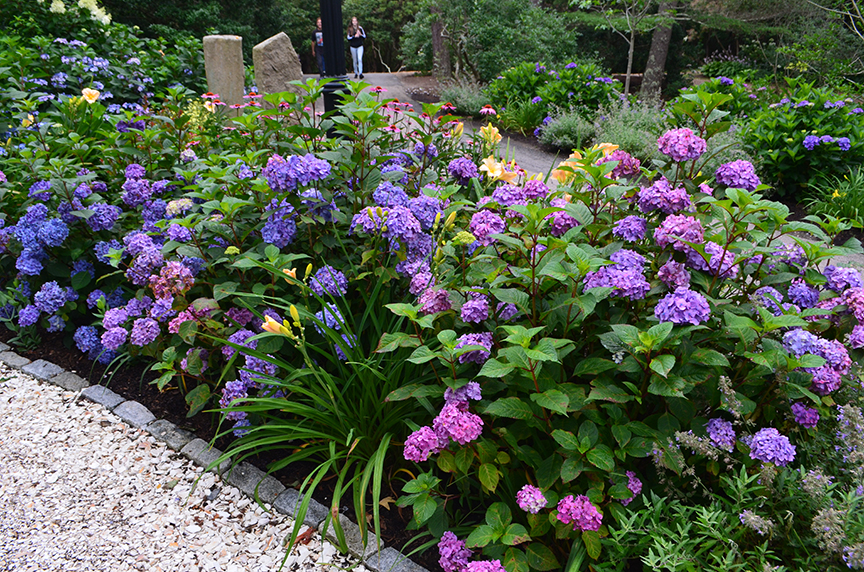
Florida soils are often sandy and can drain very quickly, which is not ideal for hydrangeas that prefer consistently moist, well-draining soil. Conversely, during the rainy season, soils can become waterlogged, leading to root rot, a common killer of many plant species. The pH of Florida soils can also influence the color of Hydrangea macrophylla blooms; acidic soils promote blue flowers, while alkaline soils lead to pink. However, achieving and maintaining a consistent pH can be challenging due to the region’s rainfall patterns and the composition of native soils.
Sunlight Exposure: A Delicate Balance
While hydrangeas generally prefer partial shade, the intensity of the Florida sun requires careful consideration. Direct, harsh sunlight, especially during the hottest parts of the day, can scorch leaves and flowers. Finding the right balance—providing enough filtered light for blooming while protecting the plant from the most intense rays—is crucial for success.
Hydrangea Varieties Suited for Florida’s Climate
Not all hydrangeas are created equal, and some varieties are far more adaptable to the rigors of Florida’s climate than others. Focusing on heat-tolerant and humidity-resilient types is key to achieving those coveted blooms.
Heat-Tolerant Bigleaf Hydrangeas (Hydrangea macrophylla)
While classic Bigleaf hydrangeas can be challenging, certain cultivars have been bred for improved heat tolerance. Look for varieties known for their robustness and ability to withstand higher temperatures. These might include those with thicker, more leathery leaves that are less prone to scorching. Careful placement in a location that receives morning sun and afternoon shade is paramount for these types.
Smooth Hydrangeas (Hydrangea arborescens)
Smooth hydrangeas, such as the popular ‘Annabelle’ and its cultivars like ‘Incrediball’ and ‘Invincibelle’, are generally more heat-tolerant than their Bigleaf counterparts. Their large, white, pom-pom-like blooms are striking. These varieties are also more forgiving of different soil conditions and can often handle more direct sunlight, although afternoon shade is still beneficial during the peak of summer.
Panicle Hydrangeas (Hydrangea paniculata)
Panicle hydrangeas are among the most adaptable and heat-tolerant of all hydrangea species. Varieties like ‘Limelight’, ‘Little Lime’, ‘Bobo’, and ‘Tardiva’ are excellent choices for Florida. They feature cone-shaped flower clusters that start white and often age to shades of pink, red, or burgundy in the fall. Panicle hydrangeas are known for their ability to tolerate full sun better than other types and are less fussy about soil conditions. Their sturdy stems also resist wilting in the heat.
Oakleaf Hydrangeas (Hydrangea quercifolia)
Oakleaf hydrangeas are native to the southeastern United States, making them naturally well-suited to Florida’s climate. They are highly drought-tolerant once established and can withstand considerable heat and humidity. Their distinctive oak-shaped leaves provide attractive foliage interest throughout the year, and their large, conical white flower clusters turn a beautiful rosy-pink as they age. Oakleaf hydrangeas are also known for their pest and disease resistance.
Essential Gardening Practices for Hydrangeas in Florida
Successfully growing hydrangeas in Florida hinges on implementing specific gardening techniques that address the unique environmental conditions.
Strategic Planting Location
The most crucial factor for hydrangea success in Florida is selecting the right planting spot.
- Afternoon Shade: Prioritize locations that receive ample morning sun but are shielded from the intense, direct afternoon sun. This could be on the east or north side of a building, or under the canopy of mature trees.
- Wind Protection: While hydrangeas are beautiful, their large blooms can be susceptible to wind damage. Planting them in a location that offers some protection from strong gusts can help preserve their appearance.
- Soil Improvement: Amend the native sandy soil generously with organic matter, such as compost, peat moss, or aged manure. This will improve water retention, provide nutrients, and create a more favorable environment for root development. Aim for a soil pH that suits the desired bloom color for Hydrangea macrophylla, generally acidic for blue flowers.
Watering and Mulching Regimen
Consistent moisture is vital, especially during establishment and periods of extreme heat.
- Deep Watering: Water deeply and less frequently, rather than shallowly and often. This encourages the roots to grow deeper into the soil, making the plant more resilient. Check soil moisture by inserting a finger a few inches down; if it feels dry, it’s time to water.
- Morning Watering: Water in the morning to allow foliage to dry before nightfall, reducing the risk of fungal diseases.
- Mulching: Apply a thick layer of organic mulch (2-3 inches) around the base of the plant, keeping it a few inches away from the stems. Mulch helps conserve soil moisture, suppress weeds, and regulate soil temperature, all critical for Florida’s climate.
Pruning and Fertilization
The timing and type of pruning depend on the hydrangea species. Fertilization should be approached with caution to avoid overstimulating growth that cannot be supported by the heat.
- Pruning:
- Bigleaf and Oakleaf Hydrangeas: These bloom on old wood, meaning they form flower buds on the previous year’s growth. Prune them immediately after they finish flowering in summer, removing dead or weak stems. Avoid late-season pruning, as this can remove the flower buds for the following year.
- Smooth and Panicle Hydrangeas: These bloom on new wood and can be pruned in late winter or early spring before new growth begins. This is a more forgiving pruning style and can help shape the plant and encourage stronger stems.
- Fertilization: Hydrangeas are not heavy feeders. Use a balanced, slow-release fertilizer in spring. For Bigleaf hydrangeas, if you desire blue blooms, use a fertilizer formulated for acid-loving plants and avoid high phosphorus levels, which can lock up aluminum and prevent the uptake of this color-inducing element. Over-fertilization can lead to lush foliage but few flowers, and can also make the plant more susceptible to stress.
Pest and Disease Management
While some hydrangeas are relatively pest and disease resistant, vigilance is still necessary in the humid Florida environment.
- Fungal Diseases: Powdery mildew and black spot are common. Ensure good air circulation around the plants by spacing them appropriately. Water at the base of the plant, not on the foliage, and remove any infected leaves promptly. Fungicides can be used as a preventative measure or to treat existing infections, following product instructions carefully.
- Pests: Aphids, spider mites, and mealybugs can sometimes be an issue. These can often be controlled with a strong spray of water or insecticidal soap.

Enjoying Hydrangeas in Florida
Cultivating hydrangeas in Florida requires a thoughtful approach, but the reward of their spectacular blooms is well worth the effort. By selecting the right varieties and implementing appropriate care strategies, gardeners can successfully integrate these beloved flowering shrubs into their Florida landscapes, adding beauty and color to their homes and gardens. From the vibrant blues and pinks of Bigleaf hydrangeas to the stately cones of panicle and oakleaf varieties, there’s a hydrangea to suit almost every garden desire, even in the unique climate of the Sunshine State.
LifeOutOfTheBox is a participant in the Amazon Services LLC Associates Program, an affiliate advertising program designed to provide a means for sites to earn advertising fees by advertising and linking to Amazon.com. Amazon, the Amazon logo, AmazonSupply, and the AmazonSupply logo are trademarks of Amazon.com, Inc. or its affiliates. As an Amazon Associate we earn affiliate commissions from qualifying purchases.