
Navigating the process of obtaining a concealed carry permit in California can be a complex undertaking, given the state’s stringent regulations and the varying interpretations of its laws by different counties. This guide aims to demystify the journey for those seeking to exercise their Second Amendment rights responsibly within the Golden State. Understanding the legal landscape, required qualifications, and procedural steps is paramount for a successful application.
Understanding California’s Concealed Carry Laws
California operates under a “shall-issue” concealed carry permit system, but with significant local discretion. This means that while the law technically requires issuing authorities to grant permits if an applicant meets all qualifications, the determination of “good cause” for needing a concealed weapon has historically been a major hurdle. In recent years, legal challenges and legislative changes have significantly altered this aspect of the law, making it more accessible in many jurisdictions.
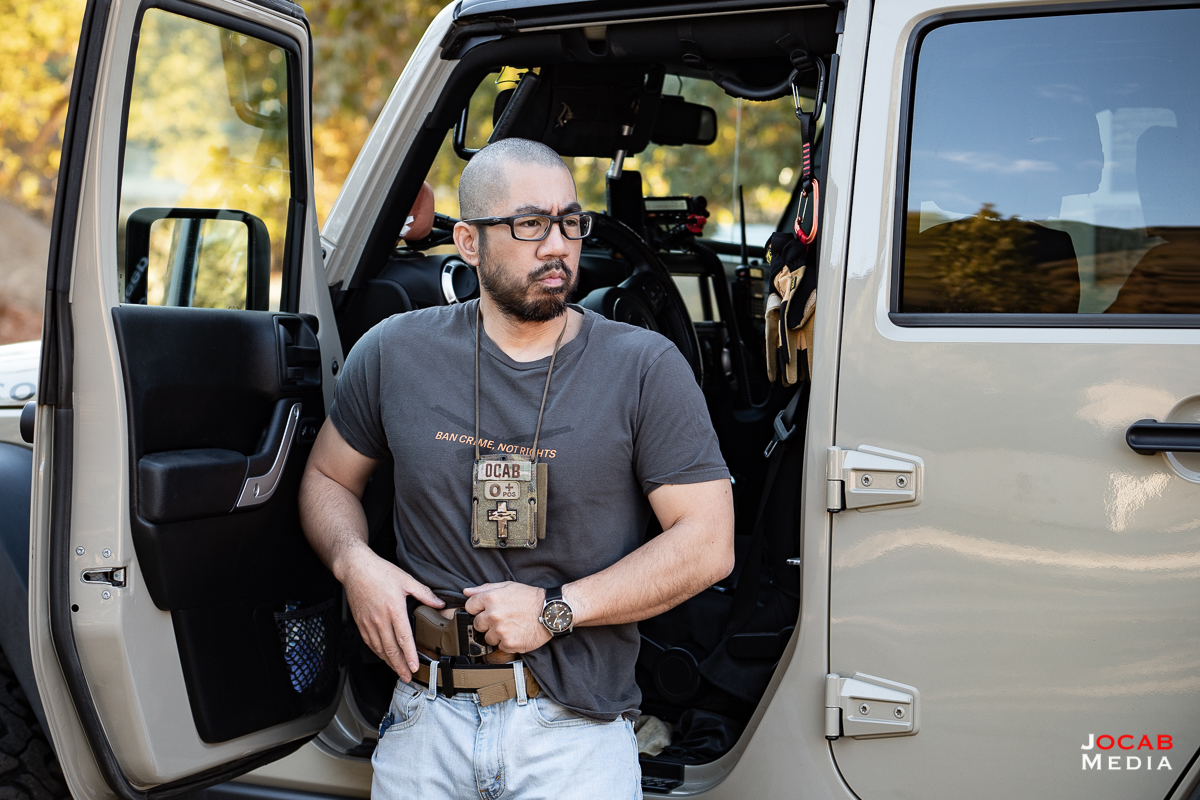
The “Good Cause” Evolution
Historically, applicants for a concealed carry permit in California were required to demonstrate “good cause” for needing to carry a concealed firearm. This often translated to proving a clear and present danger to one’s life, a requirement that was notoriously difficult to meet. Many sheriffs and police chiefs interpreted “good cause” very narrowly, leading to low permit issuance rates across the state.
However, the landmark Supreme Court case New York State Rifle & Pistol Association, Inc. v. Bruen (2022) significantly impacted this requirement. The Court ruled that the Second Amendment protects an individual’s right to carry a handgun in public for self-defense. Consequently, California, like other states with similar restrictive “good cause” requirements, had to revise its laws. The new standard, often referred to as “shall-issue” without a subjective “good cause” requirement, means that if an applicant meets objective criteria, the issuing authority “shall” issue the permit. This shift has opened the door for more law-abiding citizens to obtain permits.
Key Legal Considerations
- “Shall-Issue” vs. “May-Issue”: California is transitioning from a de facto “may-issue” system (where permits were discretionary) to a true “shall-issue” system, albeit with local variations in implementation and potential for appeals.
- Preemption: While the state has some preemption laws regarding firearm regulation, local jurisdictions (counties and cities) still retain significant authority in the permitting process. This means the exact requirements and timeline can vary.
- Restricted Areas: Even with a permit, carrying a concealed firearm is prohibited in numerous locations, including schools, federal buildings, courthouses, and airports (beyond security checkpoints). Understanding these restrictions is crucial.
Eligibility Requirements for a Concealed Carry Permit
To be eligible for a concealed carry permit in California, applicants must meet a set of objective criteria defined by state law. These requirements are designed to ensure that permits are issued only to responsible and law-abiding individuals.
Age and Residency
- Age: You must be at least 21 years old to apply for a concealed carry permit in California.
- Residency: You must be a legal resident of the county in which you are applying. Some counties may have specific requirements for proof of residency.
Criminal Background and Mental Health
- No Prohibited Felonies or Misdemeanors: Applicants cannot have been convicted of a felony or certain misdemeanor offenses that prohibit firearm possession. This includes convictions for violent crimes, domestic violence, and crimes involving controlled substances.
- Mental Health Adjudications: Individuals who have been adjudicated as a mental defective or committed to a mental institution are generally prohibited from possessing firearms and thus ineligible for a permit.
- Misuse of Controlled Substances: A history of the illegal use of, or addiction to, a controlled substance can disqualify an applicant.
Firearm Proficiency and Training
- Firearm Safety Certificate (FSC): While not directly for a concealed carry permit, a valid Firearm Safety Certificate is often a prerequisite for purchasing a firearm in California. It demonstrates basic knowledge of firearm laws and safety.
- Approved Firearms Training Course: Applicants are required to complete a firearms safety and proficiency training course approved by the California Department of Justice (DOJ). This course typically covers firearm safety, shooting techniques, legal aspects of firearm use, and responsible gun ownership. The duration and content may vary slightly by county, but generally, it involves several hours of instruction and a live-fire qualification.
Other Disqualifying Factors
- Dishonorable Discharge from the Military: An applicant who has received a dishonorable discharge from the United States Armed Forces may be disqualified.
- Fugitive from Justice: Individuals who are fugitives from justice are not eligible.
- Restraining Orders: Being subject to a restraining order or domestic violence protective order can disqualify an applicant.
The Application Process Step-by-Step
The application process for a concealed carry permit in California is administered by the law enforcement agency with jurisdiction over your place of residence – typically the Sheriff’s Department for unincorporated areas and county sheriffs, or the Police Department for incorporated cities. The steps involved are generally consistent across the state, though specific details and timelines may differ.
Step 1: Research Your Local Issuing Authority
Begin by identifying the law enforcement agency responsible for issuing concealed carry permits in your county of residence. Visit their official website or contact their firearms division. This is crucial because each agency may have specific application forms, appointment procedures, and lists of approved firearms training providers.
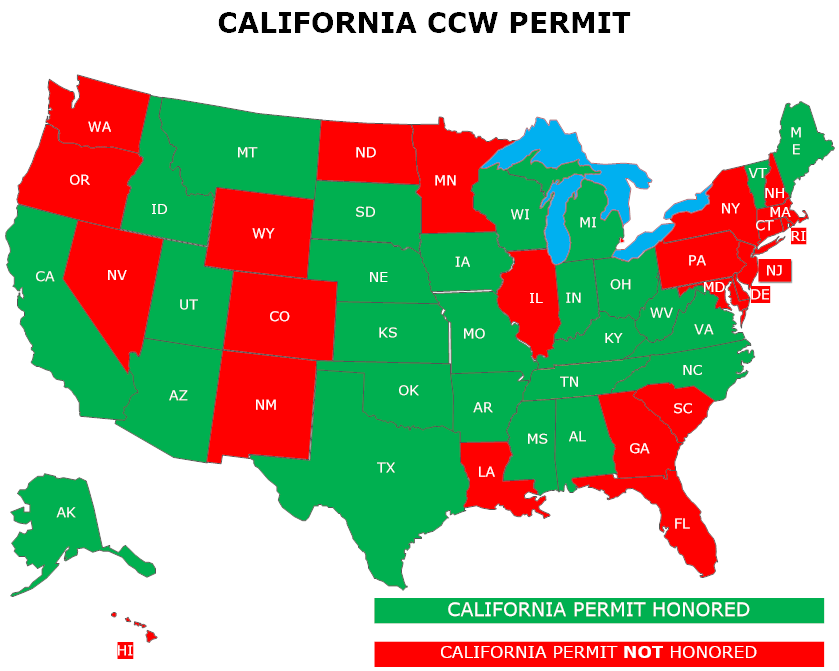
Step 2: Complete the Application Form
The application form is comprehensive and requires detailed personal information, including:
- Full legal name and aliases
- Date and place of birth
- Residential history
- Employment history
- Criminal history (even if not resulting in conviction)
- Mental health history
- Firearm ownership history
- Information about any past restraining orders or legal disputes.
Be truthful and thorough. False information on the application is grounds for denial and can have further legal consequences.
Step 3: Obtain Firearms Training
Enroll in and successfully complete an approved firearms safety and proficiency training course. This course will teach you safe gun handling, marksmanship, and the legal responsibilities of carrying a concealed firearm in California. Upon completion, you will receive a certificate, which must be submitted with your application. The training typically includes a live-fire qualification where you must demonstrate proficiency with a firearm.
Step 4: Submit Your Application and Fees
Once you have completed the application form and obtained your training certificate, you will typically need to schedule an appointment to submit your application in person to your local law enforcement agency. This appointment often includes:
- Interview: You will likely undergo an interview with a law enforcement officer.
- Background Check: A thorough background investigation will be conducted, including fingerprinting for a state and federal criminal history check.
- Fees: There are application fees associated with the process, which can vary by county. These fees cover the cost of background checks, administrative processing, and other associated expenses.
Step 5: Livescan Fingerprinting
As part of the background check, you will be required to undergo Livescan fingerprinting. This electronic process transmits your fingerprints to the Department of Justice and the Federal Bureau of Investigation for a comprehensive criminal history review.
Step 6: Waiting Period and Review
After submitting your application and completing the background check, there is a waiting period while your application is reviewed. The processing time can vary significantly depending on the workload of the issuing agency and the complexity of your background. California law mandates that issuing agencies must issue or deny a permit within 90 days of receipt of a completed application. However, due to high demand and complexities, delays can occur.
Step 7: Permit Issuance or Denial
If your application is approved, you will be notified to pick up your concealed carry permit. The permit will typically list the type of firearm(s) you are authorized to carry. If your application is denied, you will receive a written explanation. You have the right to appeal a denial.
Maintaining Your Concealed Carry Permit
Obtaining a concealed carry permit is not the end of the process. There are ongoing responsibilities and requirements to ensure your permit remains valid and that you continue to comply with the law.
Renewal Process
Concealed carry permits in California are typically valid for two years. The renewal process generally involves:
- Application Update: You will need to complete an updated application form.
- Fees: Renewal fees will apply.
- Refresher Training: Many counties require applicants to complete a refresher firearms training course before their permit can be renewed. This course ensures continued proficiency and awareness of current laws.
- Continued Eligibility: You must continue to meet all eligibility requirements. Any new criminal convictions, mental health issues, or other disqualifying factors discovered during the renewal background check can lead to denial.
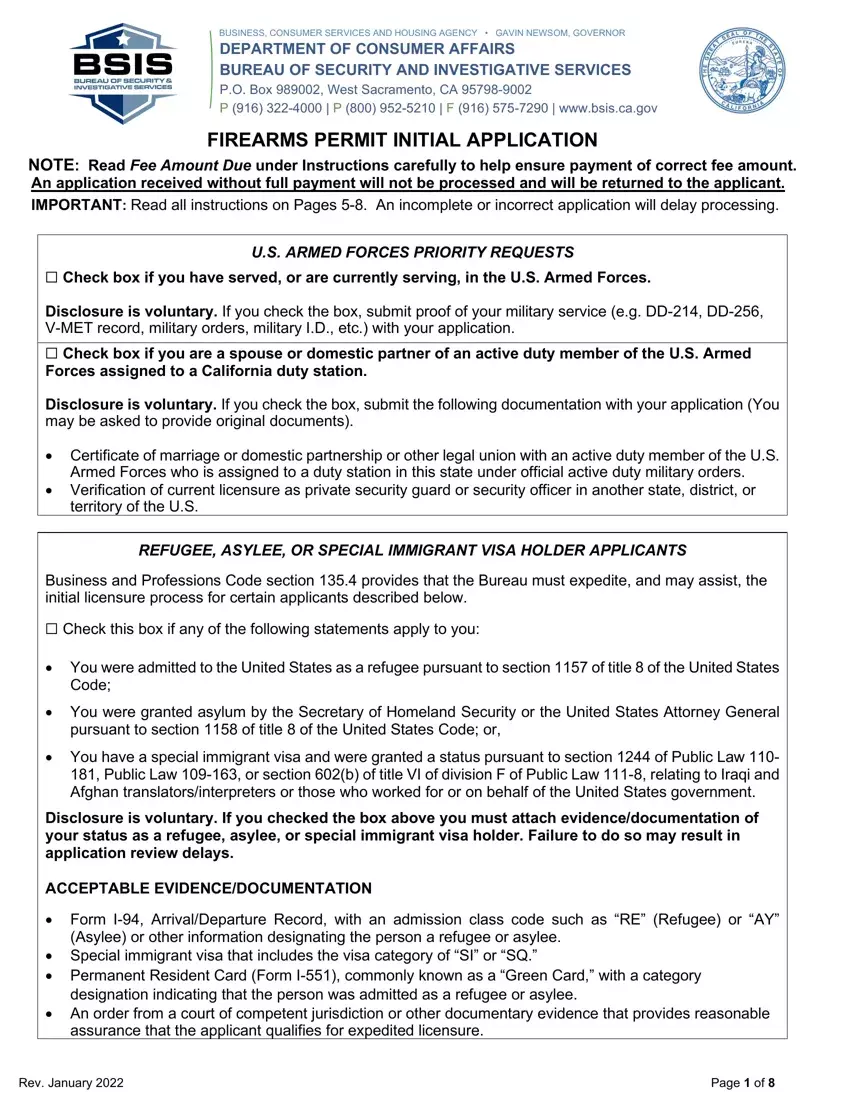
Ongoing Legal Responsibilities
- Awareness of Laws: It is your responsibility to stay informed about all federal, state, and local laws pertaining to carrying firearms. Laws regarding carrying in specific locations can change, and ignorance of the law is not a valid defense.
- Safe Storage: When not carrying your firearm, you must ensure it is stored safely and securely, preventing unauthorized access.
- Permit Display: While carrying concealed, you are generally not required to display your permit. However, if asked by a law enforcement officer, you must present it along with your identification.
- Notification of Changes: You are typically required to notify the issuing agency of any changes to your address or other relevant personal information.
The journey to obtaining a concealed carry permit in California is a thorough one, designed to ensure responsible gun ownership. By understanding and adhering to the legal framework, meeting all eligibility requirements, and diligently following the application process, law-abiding citizens can successfully navigate this important aspect of their Second Amendment rights.
LifeOutOfTheBox is a participant in the Amazon Services LLC Associates Program, an affiliate advertising program designed to provide a means for sites to earn advertising fees by advertising and linking to Amazon.com. Amazon, the Amazon logo, AmazonSupply, and the AmazonSupply logo are trademarks of Amazon.com, Inc. or its affiliates. As an Amazon Associate we earn affiliate commissions from qualifying purchases.