
Understanding Florida’s Unique Climate for Bulb Flowers
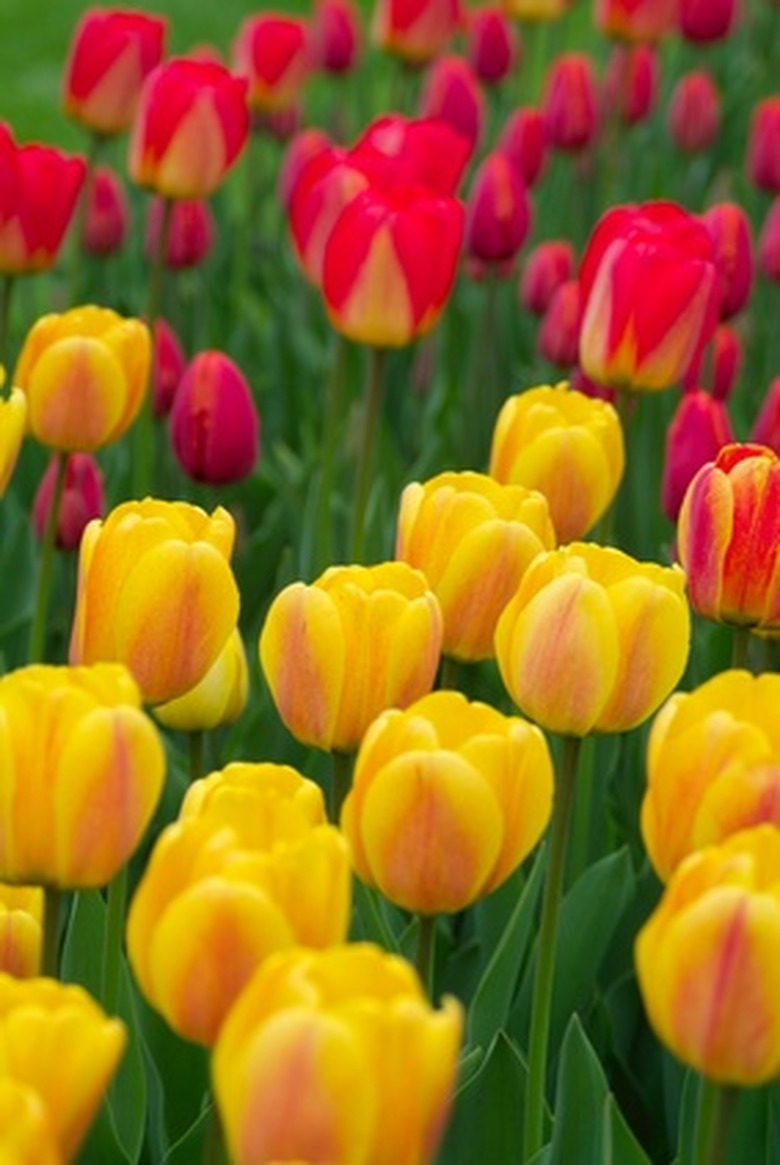
The vibrant spectacle of a tulip field is a cherished symbol of spring in many parts of the world. However, for gardening enthusiasts in the Sunshine State, the question “Can tulips grow in Florida?” often arises, tinged with both hope and skepticism. The answer, while not a simple yes or no, leans towards a qualified “yes, with specific considerations.” Unlike the cooler climates where tulips naturally thrive, Florida‘s warm winters and hot summers present a unique set of challenges for these temperate-zone bulbs.
Tulips are geophytes, meaning they store their energy in underground bulbs and require a period of cold dormancy to trigger flowering. This crucial chilling period is typically achieved naturally in regions experiencing frost and freezing temperatures. Florida, particularly the northern parts, can experience occasional light frosts, but consistent, deep freezes are rare. This lack of prolonged cold is the primary hurdle for growing traditional tulip varieties in the state.
The Science Behind Tulip Dormancy
Tulip bulbs, scientifically known as Tulipa, require a specific number of “chilling hours” – hours spent below a certain temperature, usually around 45-50°F (7-10°C). Without this period of cold stratification, the bulbs will not develop the necessary hormonal changes to produce flowers. Instead, they tend to rot or remain dormant, especially when exposed to the warmth and humidity of a Florida summer.
This biological imperative dictates that standard tulip cultivation, as practiced in places like the Netherlands or Michigan, is largely unfeasible in Florida‘s climate. However, this doesn’t mean that the dream of experiencing tulip blooms in the state is entirely lost. The key lies in understanding and adapting to Florida‘s specific environmental conditions and exploring alternative strategies.
Strategies for Growing Tulips in Florida
Cultivating tulips in Florida requires a departure from conventional gardening practices. It involves selecting the right varieties, employing specific planting techniques, and often treating the bulbs as annuals rather than perennials.
Choosing the Right Tulip Varieties
Not all tulips are created equal when it comes to heat tolerance and chilling requirements. While most common tulip varieties are bred for cooler climates, some have demonstrated a slightly better ability to adapt to warmer conditions, especially with human intervention.
- Early Blooming Varieties: These tulips often have a slightly lower chilling requirement and may bloom more reliably if given adequate pre-chilling.
- Species Tulips: Some smaller, wilder species tulips, such as Tulipa greigii or Tulipa fosteriana, may be more heat-tolerant than their hybrid descendants. However, their availability in Florida might be limited.
- Darwin Hybrids: While still requiring chilling, some gardeners have reported success with certain Darwin Hybrid varieties, which are known for their vigor.
- Newer Hybrids: Ongoing horticultural research is constantly developing new varieties. While specific “Florida-proof” tulips are rare, keeping an eye on new introductions with claims of improved heat tolerance might be worthwhile.
It’s crucial to understand that even these more adaptable varieties will likely not perennialize effectively in Florida. They will likely produce a single season of blooms and then struggle to survive the summer heat and humidity, meaning they are best planted fresh each year.
The Art of Pre-Chilling Tulip Bulbs
The most critical step for successful tulip cultivation in Florida is artificially inducing the necessary chilling period. This involves mimicking the cold conditions that bulbs would experience in cooler climates before planting.
Pre-Chilling Process:

- Source Your Bulbs: Purchase high-quality, firm tulip bulbs in the fall, typically from reputable garden centers or online suppliers. Look for bulbs that feel heavy and show no signs of rot or damage.
- Refrigeration Setup: You will need a space in your refrigerator that maintains a consistent temperature between 40-50°F (4-10°C). Crucially, do not refrigerate bulbs with fruits, as the ethylene gas emitted by ripening fruit can damage the bulbs.
- Storage Medium: Place the bulbs in a breathable container. Mesh bags, paper bags, or shallow trays lined with peat moss or vermiculite work well. Avoid plastic bags, which can trap moisture and lead to rot.
- Chilling Duration: Aim for a minimum of 8-12 weeks of chilling. The longer the chilling period within this range, the better the chances of successful flowering. Some sources recommend up to 14 weeks for optimal results in warmer climates.
- Monitor for Mold: Check the bulbs periodically during the chilling period for any signs of mold or rot. Remove any affected bulbs immediately and ensure good air circulation.
This pre-chilling process is the most labor-intensive but also the most vital step in coaxing tulips to bloom in Florida.
Planting and Care in Florida’s Climate
Once the bulbs have undergone their artificial chilling period, it’s time for planting. The timing and methods are adapted to Florida‘s climate to give the bulbs the best possible chance.
- Planting Time: In Florida, tulip bulbs should be planted in late fall or early winter, typically from November through January. This timing allows the bulbs to establish roots before the warmest parts of the season arrive and gives them a chance to bloom during the cooler months of late winter and early spring.
- Soil Preparation: Tulips require well-draining soil. In Florida, where many soils can be sandy or clayey and hold excessive moisture, amending the soil is crucial. Incorporate compost, aged bark, or other organic matter to improve drainage and aeration. Raised beds are an excellent option for Florida gardeners as they further enhance drainage.
- Planting Depth and Spacing: Plant bulbs pointed-side up, approximately 6-8 inches deep. Spacing them 4-6 inches apart provides adequate room for growth. Deeper planting can help protect the bulbs from fluctuating soil temperatures.
- Watering: Water thoroughly after planting to settle the soil. During the growing season, water when the soil feels dry to the touch, but avoid overwatering, which can lead to bulb rot, especially in Florida‘s humid conditions. Once the foliage starts to yellow and die back after flowering, reduce watering.
- Sunlight: Tulips generally prefer full sun. However, in Florida‘s intense summer sun, some afternoon shade can be beneficial if you’re attempting to overwinter bulbs (though this is not recommended for consistent flowering). For the blooming season, aim for at least 6 hours of sunlight.
- Fertilization: While not strictly necessary for a single season’s bloom, a light application of a balanced, low-nitrogen fertilizer at planting time and again when shoots emerge can provide a boost.
The Future of Tulips in Florida: Innovation and Alternatives
While growing traditional tulips in Florida remains a horticultural challenge, the pursuit of year-round color in diverse climates drives innovation. Horticulturalists are continually working on developing new varieties and techniques that could make bulb gardening more accessible to residents of warmer regions.
Exploring New Varieties and Research
The scientific community is actively researching bulb dormancy and heat tolerance. Advances in genetics and breeding techniques may eventually lead to tulip varieties that are more naturally suited to Florida‘s climate, requiring less intensive intervention. This could involve developing cultivars with lower chilling requirements or increased resistance to heat and disease.
- Dwarf Tulips: Some smaller varieties might have slightly different growth habits that could lend themselves better to warmer climates.
- Technological Advancements: Innovations in controlled environment agriculture, such as greenhouses with precise temperature and light regulation, could offer novel ways to cultivate tulips for local markets, potentially supplying pre-grown blooms to florists and consumers.
Local Florist and Garden Center Offerings
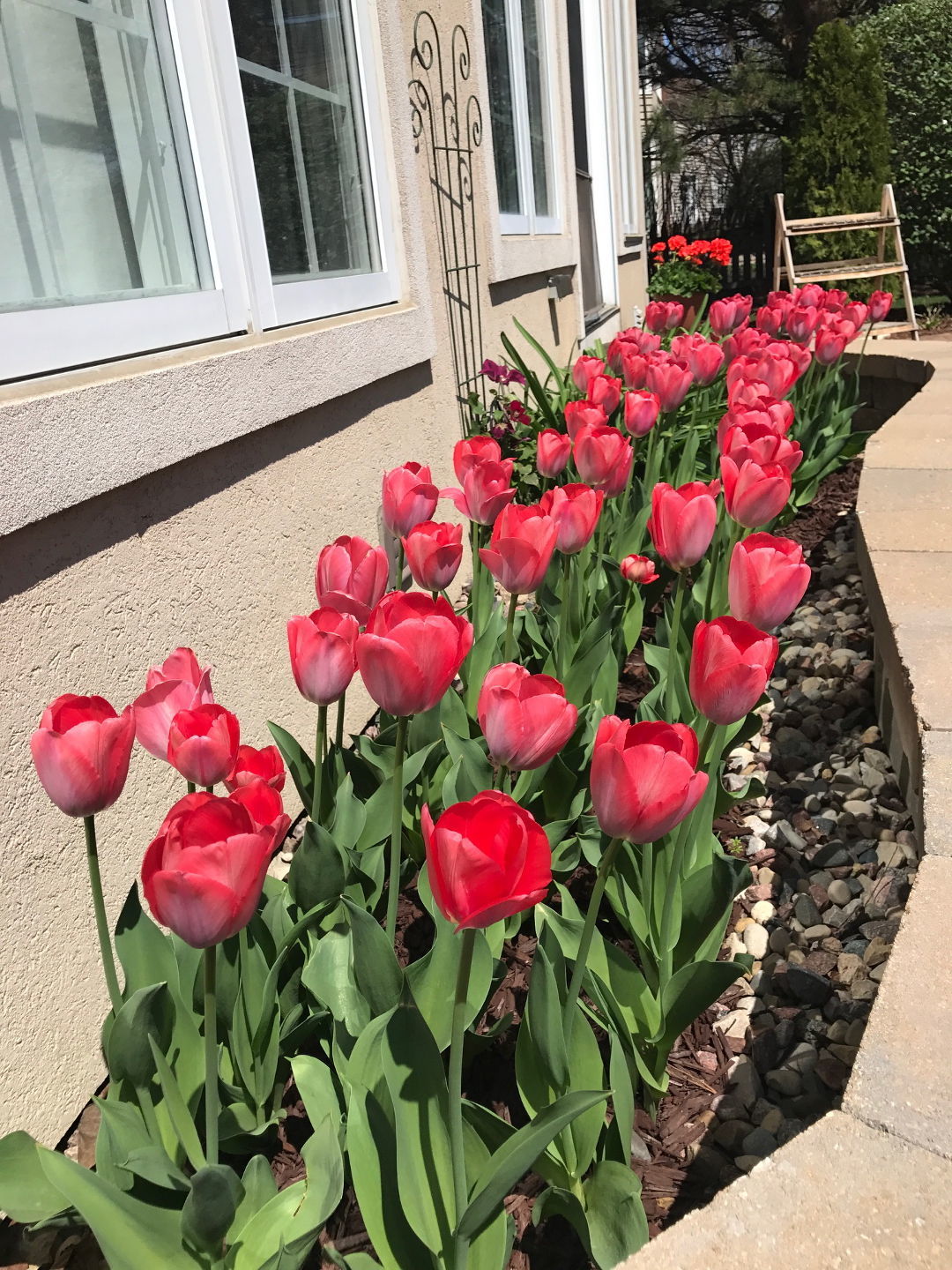
For many Florida residents, the most reliable way to enjoy tulips is to purchase them from local florists or garden centers that source them from regions where they are grown commercially. These professionals often have access to pre-chilled bulbs or source blooms grown under optimal conditions. This allows you to appreciate the beauty of tulips during their fleeting season without the extensive effort of growing them from scratch.
Considering Other Spring-Blooming Alternatives
If the effort of growing tulips proves too daunting, Florida offers a wealth of other stunning spring-blooming plants that thrive in its unique environment. Exploring these alternatives can lead to equally beautiful and more sustainable garden displays.
- Azaleas: These flowering shrubs are iconic in the Southern United States and produce spectacular blooms in various shades of pink, red, purple, and white.
- Camellias: Offering blooms from fall through spring, camellias provide elegant, often fragrant flowers that are well-suited to Florida‘s climate.
- Daffodils (Narcissus): Some varieties of daffodils can perform well in North Florida if given adequate chilling and planted in well-draining soil.
- Lilies: Many types of lilies, such as Asiatic lilies and Oriental lilies, can be successfully grown in Florida and offer a wide array of colors and forms.
- Caladiums: While not bulbs in the traditional sense, caladiums produce vibrant, colorful foliage that brightens shaded gardens in the spring and summer.
By understanding the specific needs of tulips and the climate of Florida, gardeners can make informed decisions. Whether you choose to embark on the rewarding, albeit challenging, journey of growing your own tulips through pre-chilling, or opt for the convenience of purchasing them from local sources, the beauty of these iconic spring flowers can indeed grace Florida gardens, albeit in a uniquely adapted fashion.
LifeOutOfTheBox is a participant in the Amazon Services LLC Associates Program, an affiliate advertising program designed to provide a means for sites to earn advertising fees by advertising and linking to Amazon.com. Amazon, the Amazon logo, AmazonSupply, and the AmazonSupply logo are trademarks of Amazon.com, Inc. or its affiliates. As an Amazon Associate we earn affiliate commissions from qualifying purchases.