
Florida, a state synonymous with sun-drenched beaches, vibrant tourism, and a unique ecosystem, faces a stark and increasingly urgent question: when will parts of it be submerged by rising sea levels? This isn’t a hypothetical scenario confined to distant futures; it’s a tangible threat that is already reshaping the landscape, impacting coastal communities, and posing significant challenges to its thriving tourism industry. Understanding the timelines and implications is crucial for anyone planning a visit, considering a property investment, or simply appreciating the natural wonders of the Sunshine State.
The Shifting Sands of Florida’s Coastline
The geological makeup of Florida, largely low-lying and composed of porous limestone, makes it exceptionally vulnerable to sea-level rise. Decades of scientific study have painted a clear picture of an accelerating trend. The National Oceanic and Atmospheric Administration (NOAA) and the Intergovernmental Panel on Climate Change (IPCC) have provided increasingly dire projections. While pinpointing an exact “when” for widespread submersion is complex, with varying estimates depending on emissions scenarios and local factors, the scientific consensus points to significant inundation within this century.
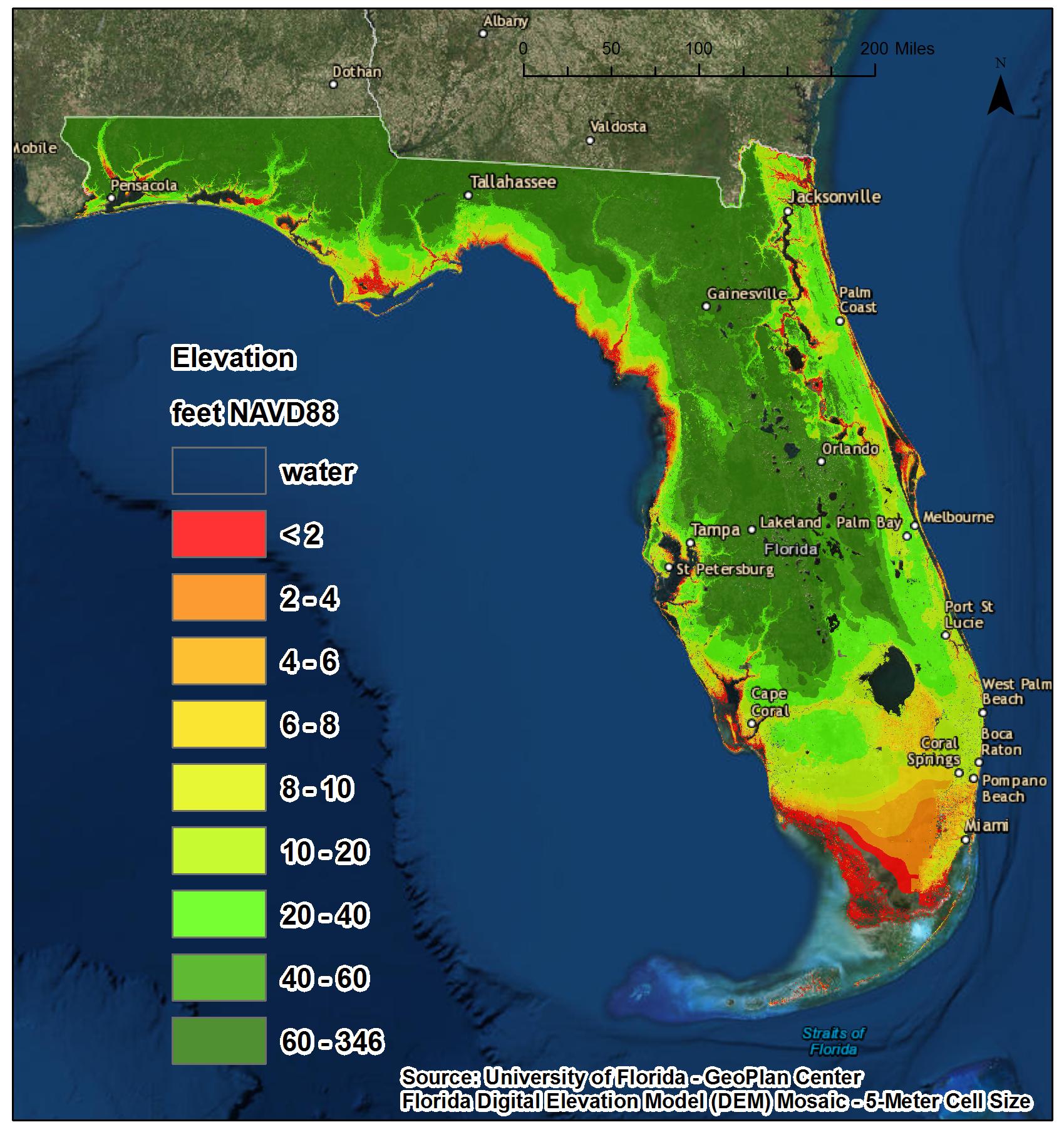
Understanding Sea-Level Rise Projections
The projections for sea-level rise are not uniform across the globe. For Florida, models indicate a rise significantly higher than the global average. This is due to a combination of factors, including thermal expansion of warming ocean waters, melting glaciers and ice sheets, and the unique geological properties of the state.
- Mid-Century Projections (2050-2070): Even under more optimistic emissions scenarios, many coastal areas of Florida are expected to experience more frequent and severe “nuisance flooding” – flooding that occurs during high tides, even without storms. Iconic cities like Miami and areas of the Florida Keys are already grappling with this. Roads become impassable, saltwater intrudes into freshwater systems, and infrastructure faces increasing strain. This period marks a critical transition where adaptation measures become not just advisable but essential for survival.
- Late Century Projections (2080-2100): Under higher emissions pathways, the situation becomes more alarming. Significant portions of South Florida, including parts of Miami-Dade, Broward, and Palm Beach counties, could be permanently inundated. Low-lying islands and coastal communities could become uninhabitable. The very character of the state, from its popular tourist destinations to its residential areas, is at stake.
Factors Influencing Local Impact
While the general trend is clear, the specific timing and severity of sea-level rise impact will vary significantly within Florida.
- Elevation: Naturally, areas with lower elevations are at the forefront of this crisis. The Keys, a chain of low-lying islands, are particularly at risk.
- Geology and Subsidence: Florida’s porous limestone bedrock allows seawater to seep inland, exacerbating the effects of rising sea levels. Furthermore, some areas of Florida are experiencing land subsidence, meaning the land itself is sinking, further compounding the problem.
- Storm Surge Intensification: Climate change is not only raising sea levels but also potentially intensifying hurricane activity. When a storm hits an already elevated sea level, the storm surge can reach much farther inland, causing more extensive and devastating flooding.
The Economic and Cultural Implications for Tourism
Florida’s identity is inextricably linked to its tourism industry, a colossal economic engine that draws millions of visitors annually. The potential for widespread flooding poses a profound threat to this vital sector, impacting everything from beach resorts to historic landmarks.
Beaches and Coastal Attractions
The iconic beaches that define Florida’s allure are under direct threat. Erosion, amplified by higher sea levels and more powerful storms, is already a significant concern.

- Erosion and Beach Loss: Many of Florida’s famous beaches, such as those in Clearwater and South Beach, are experiencing accelerated erosion. This requires costly beach renourishment projects, which are often temporary fixes. As sea levels continue to rise, the long-term viability of these beaches as tourist attractions becomes questionable.
- Inundation of Coastal Infrastructure: Hotels, restaurants, shops, and entertainment venues located directly on the coast are at risk of frequent flooding and eventual inundation. This could lead to significant economic losses, property devaluation, and the need for costly relocation or adaptation measures. Iconic locations like the Everglades National Park also face profound changes to their delicate ecosystems.
The Future of Coastal Cities and Resorts
Major tourist hubs and their associated infrastructure are particularly vulnerable.
- Miami and the Southeast Coast: Miami, with its world-renowned beaches, Art Deco architecture, and vibrant nightlife, is on the front lines. Projections suggest that significant portions of the city, particularly its low-lying coastal areas, could face regular inundation by mid-century. This impacts everything from the South Beach boardwalk to the exclusive resorts lining the coast.
- The Florida Keys: This archipelago, a popular destination for diving, fishing, and relaxed island living, is extremely vulnerable. Many of the islands are only a few feet above sea level, and the iconic Overseas Highway, the primary artery connecting the Keys, is at risk. The charming towns and unique ecosystems of the Florida Keys face an existential threat.
- Gulf Coast Destinations: While often perceived as less vulnerable than the Atlantic coast, destinations like Tampa Bay and its surrounding areas, including St. Petersburg and Clearwater, are also at risk from sea-level rise and storm surge.
Adapting to a Changing Coastline: Challenges and Innovations
The challenge of rising seas in Florida is immense, but it is also spurring innovation and adaptation efforts. The tourism industry, in particular, is beginning to reckon with the need for change.
Infrastructure and Engineering Solutions
Engineers and urban planners are exploring a range of strategies to protect coastal areas and their vital tourism infrastructure.
- Seawalls and Barriers: The construction of higher and stronger seawalls is a common approach to combatting rising waters. However, these can be expensive, visually intrusive, and may not be a long-term solution for extreme sea-level rise. Cities like Miami Beach are investing heavily in elevating roads and pumping systems.
- Elevated Structures: New construction is increasingly being designed with higher foundations. Existing structures may require significant retrofitting to elevate them above projected flood levels. This impacts the aesthetic and character of historic districts but is becoming a necessity.
- Nature-Based Solutions: Recognizing the limitations of hard engineering, there’s a growing emphasis on nature-based solutions. Restoring and protecting coastal wetlands, mangroves, and coral reefs can act as natural buffers against storm surge and erosion, while also providing ecological benefits. The preservation of these natural barriers is crucial for the long-term health of coastal ecosystems and their attractiveness to tourists.
Shifting Tourism Strategies and Destinations
As certain coastal areas become increasingly threatened, tourism strategies may need to evolve.
- Inland Attractions: While the coast remains the primary draw, there is potential for increased focus on inland attractions. The vibrant culture, natural springs, and theme parks located further from the coast may see increased visitor numbers as coastal areas face challenges.
- Sustainable Tourism: The concept of sustainable tourism, which emphasizes minimizing environmental impact and supporting local communities, is gaining traction. This could involve promoting eco-tourism, responsible travel practices, and a deeper appreciation for Florida’s diverse natural beauty beyond just its beaches.
- Resilience Planning for Hotels and Resorts: The hospitality industry is at the forefront of this challenge. Hotels and resorts are increasingly incorporating resilience planning into their long-term strategies. This may involve investing in floodproofing, diversifying their offerings, and considering relocation or phased development in areas with higher vulnerability. For instance, a resort on the lower Keys might invest in elevated structures and promote its unique natural surroundings, while a resort further north might focus on its amenities and proximity to inland attractions.

The Unfolding Future: A Call to Awareness
The question of “when” Florida will be underwater is not just an environmental issue; it’s a critical consideration for anyone who loves, lives in, or plans to visit the state. The timelines are narrowing, and the impacts are becoming more visible. Understanding these projections allows for informed decisions, whether it’s planning a vacation, investing in property, or advocating for proactive climate policies.
Florida’s allure is multifaceted, encompassing its stunning natural landscapes, its dynamic cities, and its rich cultural tapestry. While the threat of rising sea levels is undeniable, so too is the resilience and adaptability of its people and its industries. The future of Florida’s tourism and its coastal communities depends on a collective effort to acknowledge the risks, embrace innovation, and work towards a more sustainable and resilient future for the Sunshine State. The time to prepare is not tomorrow, but today.
LifeOutOfTheBox is a participant in the Amazon Services LLC Associates Program, an affiliate advertising program designed to provide a means for sites to earn advertising fees by advertising and linking to Amazon.com. Amazon, the Amazon logo, AmazonSupply, and the AmazonSupply logo are trademarks of Amazon.com, Inc. or its affiliates. As an Amazon Associate we earn affiliate commissions from qualifying purchases.