
The allure of the open road often conjures images of asphalt ribbons stretching towards the horizon. However, for a unique and exhilarating driving experience, the sandy shores of Daytona Beach, Florida offer an alternative that has captivated visitors for generations. The question of whether one can, in fact, drive on this iconic stretch of coastline is not only a practical one but also hints at a rich history and a distinct set of regulations that govern this unusual practice. This guide delves into the specifics of driving on Daytona Beach, providing essential information for anyone looking to experience this remarkable attraction.

The History and Appeal of Driving on the Beach
The tradition of vehicular access to Daytona Beach dates back to the early 20th century, long before the advent of modern highways. In the nascent days of the automobile, engineers and drivers sought out the firm, packed sand of the beach as a natural speedway. The wide, flat expanse of Daytona Beach proved to be the ideal testing ground for automotive innovation and a thrilling venue for early motor racing.
Birthplace of Speed
From 1903 to 1936, Daytona Beach was the undisputed capital of land speed record attempts. Visionaries like Henry Ford, Ransom E. Olds, and Louis Chevrolet brought their experimental vehicles to these shores to push the boundaries of speed and engineering. The smooth, hard-packed sand provided a surface superior to any road at the time, allowing for incredible velocities to be achieved. This era cemented Daytona Beach‘s reputation as the “Birthplace of Speed.”
The Daytona 500’s Roots
While modern NASCAR racing takes place on the famed Daytona International Speedway, the very origins of stock car racing in Daytona are intertwined with the beach itself. Early races were held directly on the sand, with cars navigating the shore and the adjacent surf. This raw, unadulterated racing, where the ocean served as a spectacular backdrop, laid the foundation for the sophisticated sport we know today. The spirit of speed and competition that permeated those early beach races continues to resonate.
A Unique Tourist Experience
Beyond its historical significance, driving on Daytona Beach offers a contemporary, unparalleled tourist experience. Imagine the freedom of cruising along the Atlantic Ocean, the salty breeze in your hair, with the vast expanse of the beach stretching out before you. It’s an opportunity to connect with nature in a way that’s distinct from a typical beach visit, combining the relaxation of the shore with the adventure of a drive. For many, it’s a bucket-list item, a chance to create lasting memories.
Navigating the Rules and Regulations
While the idea of driving on the beach is exhilarating, it is not without its regulations. The Daytona Beach City Commission and Volusia County have established specific ordinances to ensure the safety of both drivers and beachgoers, as well as to protect the delicate coastal environment. Adherence to these rules is paramount for a smooth and enjoyable experience.
Beach Access Points and Hours
Vehicular access to Daytona Beach is permitted at designated entry points. These access ramps are clearly marked and are typically located along Atlantic Avenue. It is crucial to use only these authorized access points to enter and exit the beach driving area. Furthermore, driving is restricted to specific hours. Generally, the beach is open to vehicles from sunrise to sunset. It is always advisable to check the most current operating hours with the City of Daytona Beach or Volusia County before your visit, as these can be subject to change due to tides, weather conditions, or special events.
Speed Limits and Driving Etiquette
To maintain safety, strict speed limits are enforced on Daytona Beach. These limits are significantly lower than those on regular roads, typically around 25 miles per hour. Drivers are expected to exercise extreme caution, being mindful of pedestrians, other vehicles, and any marine life that may be present. Yielding to pedestrians is a strict requirement, and maintaining a safe distance from other vehicles is essential. Remember, the sand can present different traction conditions than pavement, so smooth acceleration and braking are recommended.
Parking and Designated Areas
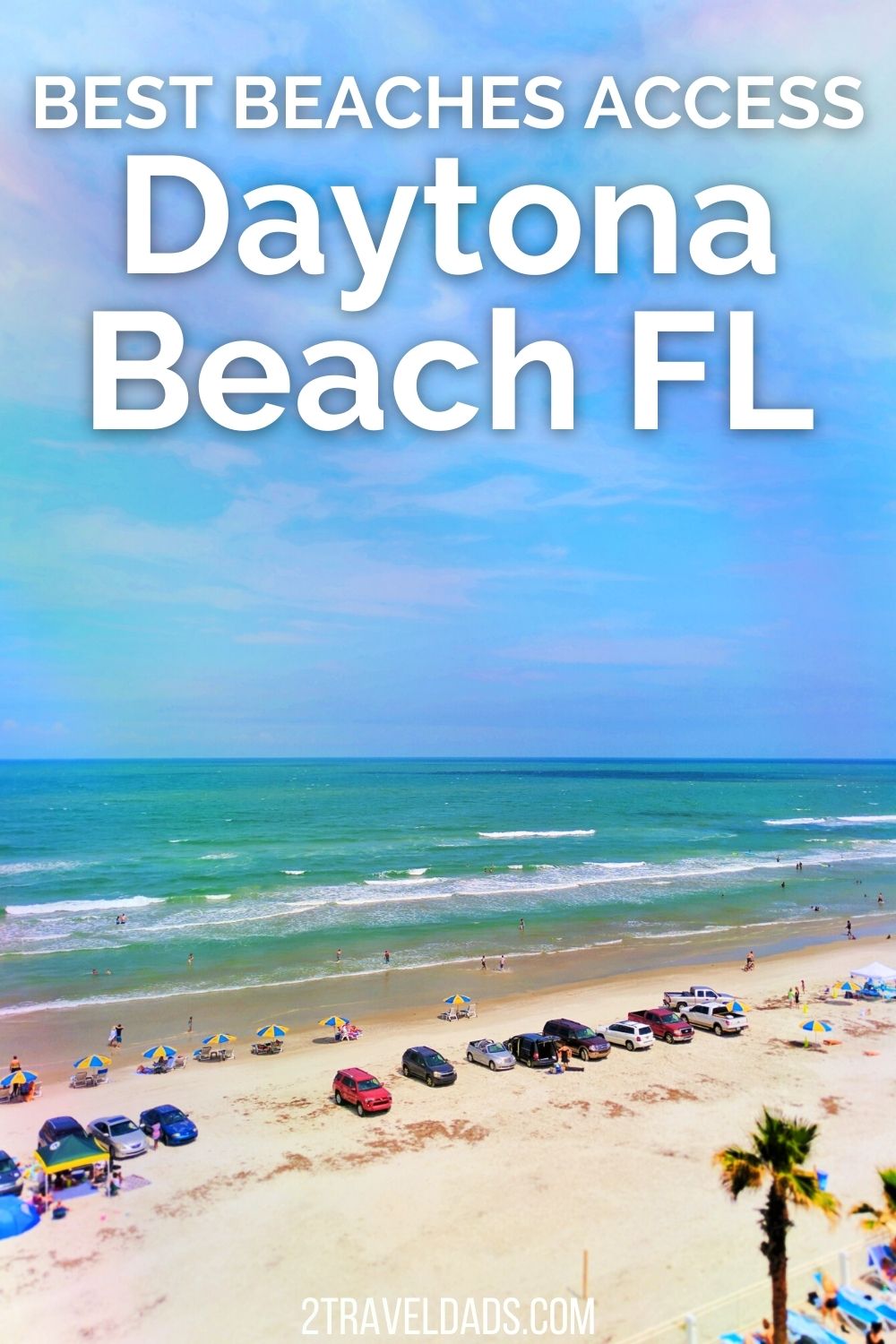
While driving is permitted, certain areas of the beach are reserved for pedestrian use only. These zones are clearly demarcated and should be respected. Parking your vehicle on the beach is also subject to rules. You can park your car directly on the sand in designated areas, but it’s important to be aware of the tide. Vehicles left too close to the water’s edge can become stranded. Many visitors choose to drive a short distance to experience the novelty and then park to enjoy the traditional beach activities.
Permits and Fees

In most cases, a daily or annual pass is required to drive on Daytona Beach and other Volusia County beaches. These passes can typically be purchased at beach ramps or various vending locations throughout the area. The fees are generally modest and contribute to the maintenance and upkeep of the beach facilities. Drivers are expected to display their permits prominently on their vehicle’s dashboard or windshield. Having your permit readily available will prevent any potential citations.
Essential Tips for a Successful Beach Drive
Driving on sand is a unique skill that requires a different approach than navigating asphalt. With a few considerations, your beach driving experience can be both safe and unforgettable.
Vehicle Preparation
- Tire Pressure: Lowering tire pressure is crucial for driving on sand. A general recommendation is to reduce tire pressure to around 15-20 PSI. This increases the tire’s contact patch with the sand, providing better flotation and traction. Ensure you have a way to reinflate your tires once you leave the beach.
- Vehicle Type: While many vehicles can handle the sand, a higher ground clearance and four-wheel drive or all-wheel drive can be advantageous, especially if conditions are softer or you plan to venture further off the main packed areas. However, most standard passenger vehicles, when driven cautiously and with appropriate tire pressure, can navigate the designated driving areas.
- Pre-Drive Check: Ensure your vehicle is in good working order. Check your fluids, tires, and brakes before heading to the beach.
On-Beach Driving Techniques
- Maintain Momentum: When driving on sand, it’s often best to maintain a steady momentum. Sudden stops and starts can cause your tires to dig in. If you feel yourself getting stuck, try rocking the vehicle gently back and forth.
- Avoid Soft Sand: Stick to the well-packed areas of the beach, which are usually closer to the waterline where the tide has recently receded. Avoid driving through dunes or into excessively soft, dry sand, as this is where vehicles are most likely to get stuck.
- Watch for Obstacles: Be aware of seaweed, driftwood, rocks, and any other debris that might be on the sand. These can damage your vehicle or cause you to lose control.
- Tides: Always be mindful of the tide schedule. Driving too close to the high tide line can lead to your vehicle being submerged or stranded.
Safety and Comfort
- Bring Supplies: It’s wise to pack essentials such as water, snacks, sunscreen, and a first-aid kit. A small shovel can be incredibly useful if you get stuck.
- Stay Aware: Keep your eyes on the road (the sand) and your surroundings. Pedestrians, children, and wildlife can appear unexpectedly.
- Enjoy the Scenery: Take time to appreciate the unique environment. The sound of the waves, the smell of the salt air, and the expansive ocean views are all part of the Daytona Beach experience.
Beyond the Drive: Experiencing Daytona Beach
While driving on the beach is a primary draw, Daytona Beach offers a wealth of other attractions and activities that complement the unique driving experience. After a day of cruising the sand, visitors can explore the vibrant local scene.
The Boardwalk and Pier
The historic Daytona Beach Boardwalk is a classic seaside amusement area featuring arcades, shops, eateries, and thrill rides. Adjacent to the boardwalk is the Daytona Beach Pier, offering fantastic ocean views and a popular spot for fishing. It’s a perfect place to unwind after a drive, enjoy some local cuisine, and soak in the lively atmosphere.
Motorsports Heritage
No visit to Daytona Beach would be complete without acknowledging its deep connection to motorsports. The Daytona International Speedway is a must-see for any racing enthusiast. Tours of the iconic facility offer a behind-the-scenes look at the history and grandeur of the track. Even if you’re not visiting during a race event, the sheer scale and legacy of the speedway are impressive.
Natural Beauty and Wildlife
Beyond the beach itself, the Daytona Beach area boasts natural beauty worth exploring. Nearby parks and conservation areas offer opportunities for birdwatching, kayaking, and enjoying the diverse ecosystems of Florida’s coast. Observing sea turtles nesting or dolphins playing in the surf are unforgettable natural encounters that can be experienced in the vicinity.
Culinary Delights
Daytona Beach offers a diverse culinary scene, from casual seafood shacks serving fresh catches to more upscale dining establishments. Enjoying a meal with an ocean view is a quintessential part of the Daytona Beach experience. Local specialties often include fresh seafood, such as shrimp, fish, and oysters, prepared in a variety of delicious ways.
In conclusion, the ability to drive on Daytona Beach, Florida is more than just a novel attraction; it’s a living link to automotive history and a unique way to experience the natural beauty of the coastline. By understanding and respecting the regulations, preparing your vehicle, and driving with care, you can embrace this extraordinary opportunity and create memories that will last a lifetime.
LifeOutOfTheBox is a participant in the Amazon Services LLC Associates Program, an affiliate advertising program designed to provide a means for sites to earn advertising fees by advertising and linking to Amazon.com. Amazon, the Amazon logo, AmazonSupply, and the AmazonSupply logo are trademarks of Amazon.com, Inc. or its affiliates. As an Amazon Associate we earn affiliate commissions from qualifying purchases.