
The allure of the Sunshine State is undeniable. From the vibrant theme parks of Orlando to the pristine beaches of Miami and the historic charm of St. Augustine, Florida draws millions of tourists annually. Planning a trip to this diverse destination often involves navigating various service providers, and a common question that arises, particularly for those seeking unique or extended stays, is about payment structures. Specifically, “Can you just pay commission in [Florida]?” This query often stems from individuals looking to book accommodations or experiences outside the standard hotel or resort model, perhaps through private rentals or specialized tour operators. Understanding the nuances of payment, particularly concerning commissions, is crucial for a seamless and legally compliant travel experience.

Understanding Commission in the Travel Industry
Commission, in the context of the travel and tourism industry, refers to a fee paid to an intermediary for facilitating a sale or booking. This intermediary, often a travel agent, tour operator, or booking platform, receives a percentage of the total transaction value from the service provider (e.g., a hotel, airline, or attraction) or from the customer, or a combination of both. The concept of commission is deeply ingrained in how many travel services are marketed and sold, providing an incentive for these third parties to promote and book specific offerings.
The Role of Intermediaries
Intermediaries play a vital role in connecting travelers with the services they seek. They can offer expertise, convenience, and often access to deals that might not be readily available to the individual consumer. For a traveler considering a private villa rental in Florida or a bespoke guided tour, an intermediary can be invaluable in vetting options, handling logistics, and ensuring a smooth booking process.
Commission Structures
Commission structures can vary widely.
- Supplier-Paid Commission: In this model, the service provider pays a commission to the intermediary. This is common for hotels, cruise lines, and tour operators who rely on agents to drive bookings.
- Customer-Paid Commission (Service Fee): Sometimes, the intermediary charges a direct fee or commission to the customer for their services, especially when the supplier’s commission is low or non-existent, or for highly specialized services. This is often framed as a service fee.
- Hybrid Models: Many arrangements combine elements of both, where a supplier pays a base commission, and the intermediary may also charge a supplemental fee to the customer for added value.
The question of “paying commission” in Florida often arises when a traveler is dealing directly with an individual property owner, a small independent operator, or a niche service provider who may not have a formal commission-sharing agreement with a traditional booking agency.
Direct Bookings vs. Commissioned Services in Florida
When exploring accommodations and experiences in Florida, travelers will encounter a spectrum of booking methods, each with its own payment implications. Understanding these distinctions is key to answering whether one can “just pay commission.”
Traditional Hotels and Resorts
Major hotel chains and larger resorts, such as the Grand Hyatt Hotel in Orlando or a luxury resort on the Florida Keys, typically have established relationships with travel agencies and online travel agencies (OTAs). In these scenarios, the commission is usually baked into the advertised rate. When a traveler books through an OTA like Expedia or a travel agent, a portion of the room rate is allocated to that intermediary as a commission. The traveler doesn’t “pay commission” directly in these instances; rather, the hotel incorporates it into their pricing strategy.
Vacation Rentals and Private Properties
The rise of platforms like Airbnb and VRBO has democratized the vacation rental market, allowing individuals to rent out their homes, apartments, or villas. For these properties, the payment structure can differ.
- Platform Fees: Platforms like Airbnb often charge a service fee to both the guest and the host. The guest’s fee is effectively a commission paid to the platform for facilitating the booking, marketing, and payment processing.
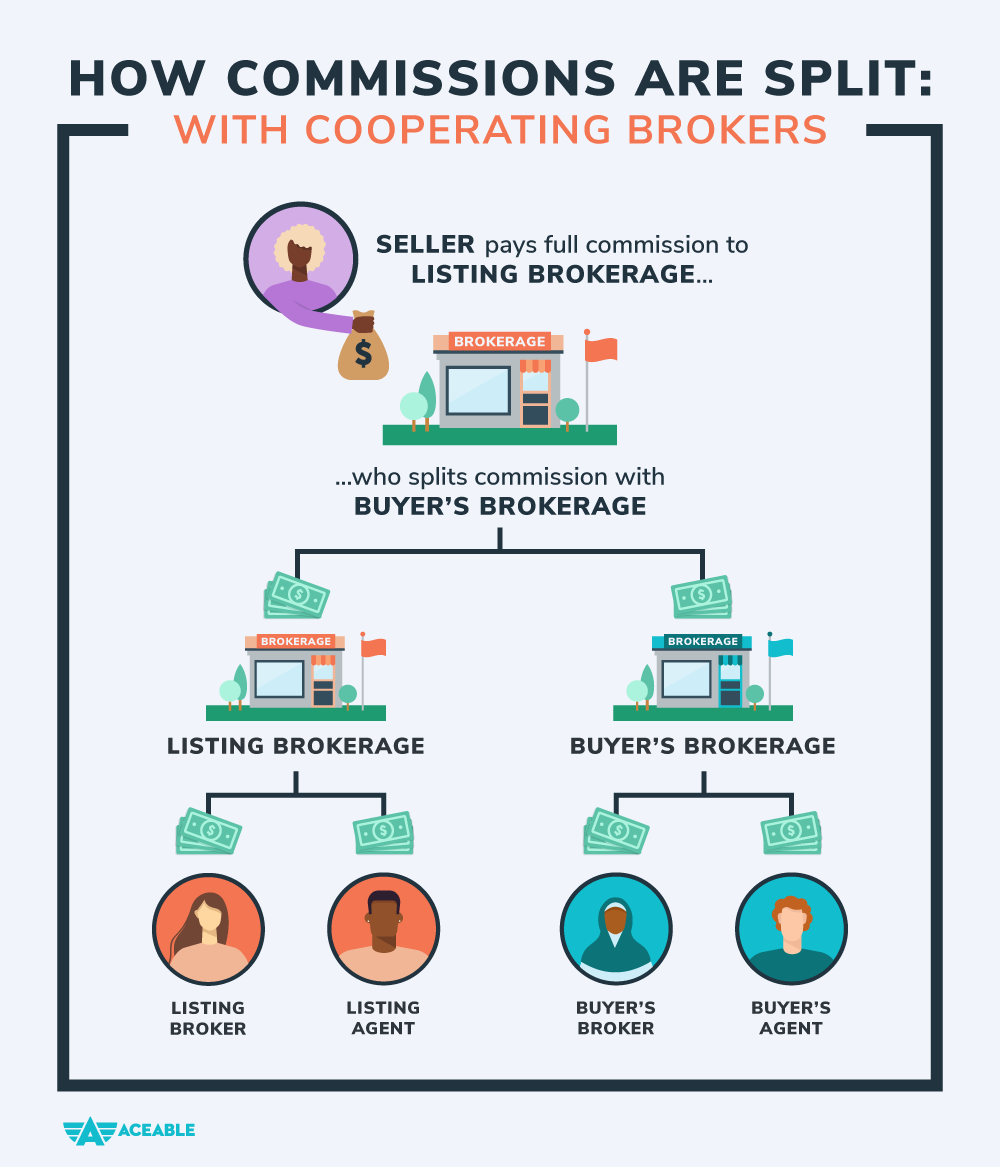
- Direct Rentals: If a traveler finds a Florida vacation rental directly from an owner or through a small, independent property management company not affiliated with a major OTA, the arrangement might be more flexible. In such cases, the owner or manager might be willing to work with a travel agent who represents the client. If an agent is involved, their commission would typically be negotiated directly with the owner or manager, and then either added to the rental price or paid from the rental income.
Bespoke Tours and Experiences
Florida offers a wealth of unique experiences, from airboat tours through the Everglades to private yacht charters from Fort Lauderdale. For these specialized services, commission arrangements can be quite varied.
- Inclusion in Package Deals: Many tour operators include commissions for travel agents who book their tours as part of a larger package.
- Direct Agent Negotiation: For exclusive or custom experiences, a travel agent might directly negotiate a commission with the tour provider on behalf of their client. The client would then pay the agreed-upon total, with the commission being handled behind the scenes or disclosed as part of the agent’s fee.
The ability to “just pay commission” often implies a direct payment of a service fee to an intermediary, rather than it being invisibly embedded in a price. In Florida, this is certainly possible, especially when engaging with independent agents or specialized concierge services.
Legal and Ethical Considerations in [Florida]
While the concept of paying commission in Florida is common, it’s essential to be aware of the legal and ethical frameworks governing such transactions. Ensuring transparency and compliance is paramount for both the traveler and the service provider.
Disclosure Requirements
In many jurisdictions, including those relevant to travel services in Florida, there are requirements for disclosing commission payments and service fees. Travel agents and booking platforms are generally expected to be transparent with their clients about how they are compensated. This disclosure can occur at the time of booking or within the terms and conditions of the agreement.
Independent Contractors vs. Employees
The relationship between a travel agent or booking facilitator and the service provider (e.g., a villa owner, tour guide) can influence how commissions are handled. If the facilitator is acting as an independent contractor, they might negotiate their commission directly. If they are an employee, their compensation structure might be different. Understanding this distinction can be important for clarity in payment arrangements.
Contractual Agreements
When dealing with direct bookings of private accommodations or unique experiences in Florida, it is advisable to have clear, written contracts that outline all terms, including pricing, payment schedules, and any fees or commissions involved. This protects both parties and minimizes the potential for disputes.
Florida’s Consumer Protection Laws
Florida has consumer protection laws designed to safeguard travelers from deceptive practices. These laws ensure that advertised prices are accurate, that services are rendered as promised, and that all fees are clearly communicated. When discussing “paying commission,” it’s crucial that this is done in a manner that complies with these regulations. For instance, a service fee charged by an intermediary that is presented as commission should be clearly explained to the traveler.
Navigating Payment for Unique [Florida] Experiences
For travelers seeking to “just pay commission” in Florida, particularly for non-traditional accommodations or personalized tours, the key lies in proactive communication and choosing the right intermediaries.
Working with Specialized Travel Advisors
Consider engaging with a travel advisor who specializes in Florida travel or niche experiences. These advisors often have direct relationships with property owners, boutique tour operators, and private service providers. They can negotiate on your behalf and present you with a clear, consolidated price that may include their commission or service fee. This allows you to essentially “pay commission” through your advisor’s fee, simplifying the transaction.
Understanding Service Fees on Booking Platforms
If you are using platforms like Booking.com or similar sites for accommodations or tours, scrutinize the fee structure. Often, what appears as a service fee is the platform’s commission. While you are not directly paying a commission to an individual agent in this scenario, you are paying a fee that functions similarly.

Direct Negotiation with Service Providers
For some unique offerings, direct negotiation might be an option. If you are looking to book a private yacht for a sunset cruise from Key West or a private chef experience in a luxury villa in Naples, you might be able to discuss commission directly with the provider if you are working with an agent. However, if you are a traveler without an intermediary, you would typically pay the listed price, which may or may not include an embedded commission.
Ultimately, the ability to “just pay commission” in Florida depends on the specific service provider, the intermediary involved, and the agreed-upon payment structure. Transparency, clear communication, and understanding the various models of compensation in the travel industry will ensure a smooth and enjoyable experience exploring all that Florida has to offer. Whether it’s the magic of Walt Disney World or the serene beauty of the Florida Everglades, making informed payment decisions is part of smart travel planning.
LifeOutOfTheBox is a participant in the Amazon Services LLC Associates Program, an affiliate advertising program designed to provide a means for sites to earn advertising fees by advertising and linking to Amazon.com. Amazon, the Amazon logo, AmazonSupply, and the AmazonSupply logo are trademarks of Amazon.com, Inc. or its affiliates. As an Amazon Associate we earn affiliate commissions from qualifying purchases.